
TL;DR
Open a free Amazon Business account
Business pricing, bulk buying and tax-exempt orders.
Create a free accountAs an affiliate, we earn on qualifying purchases.
A unique marathon in France permits runners to stop for wine and oysters during the race, attracting increased media and public interest. The event combines athletic endurance with regional gastronomy, reflecting a growing trend in experiential racing.
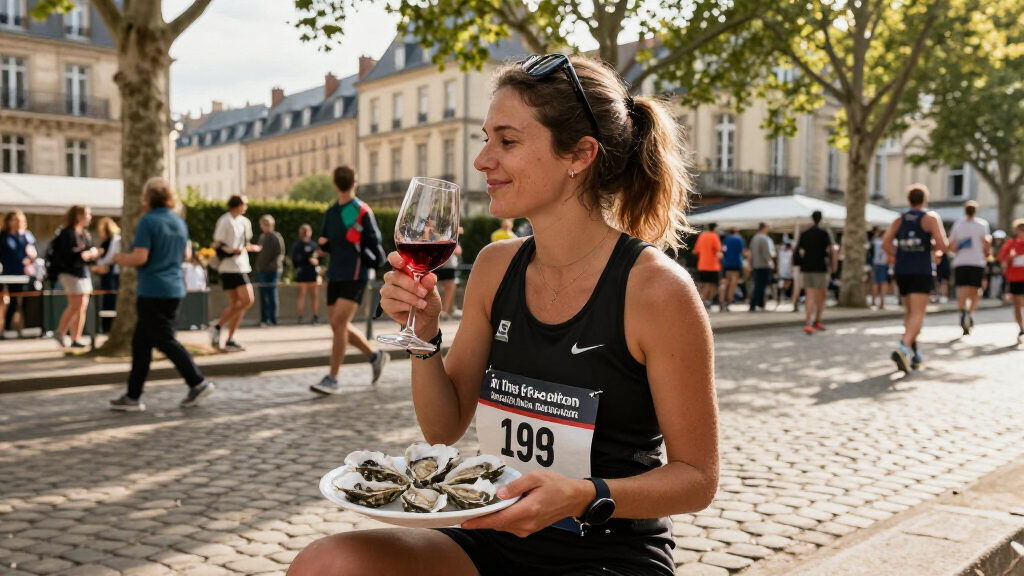
A French marathon has gained attention for allowing participants to make pit stops for wine and oysters during the race, a practice that is attracting both media coverage and public curiosity. This unconventional approach to marathon running highlights a blending of athletic endurance with regional culinary traditions, making it a notable development in the world of competitive racing.
The event, held in a region renowned for its wine and oyster production, permits runners to pause at designated points to sample local delicacies, including regional wines and freshly shucked oysters. According to reports, this practice is voluntary and integrated into the race route, with official organizers emphasizing safety and race integrity. The marathon has seen a surge in interest, with some participants citing the experience as a unique way to combine sport and regional culture.
While traditional marathons focus solely on speed and endurance, this event introduces a social and gastronomic dimension, encouraging a leisurely pace and social interaction. Local authorities and race organizers have stated that the initiative aims to promote regional products and tourism, while also offering a novel experience for runners. The event reportedly maintains standard timing and safety protocols, ensuring that the pit stops do not compromise race fairness or participant safety.
It is not yet clear how widespread the practice is across other marathons or whether it will become a permanent feature, but initial reports suggest that the concept is resonating with both participants and spectators. The event has also sparked discussions about the future of experiential sports and the potential for more regionally integrated races worldwide.
Impact on Marathon Culture and Regional Promotion
This development could signal a shift in how marathons are designed, emphasizing cultural and experiential elements alongside athletic achievement. The integration of wine and oyster stops offers a new model for regional promotion, potentially attracting more tourists and boosting local economies. If adopted more broadly, this approach might redefine the traditional race experience, encouraging a more relaxed, culturally immersive form of competition that appeals to a broader audience seeking unique experiences rather than solely competitive endurance.As an affiliate, we earn on qualifying purchases.
Growing Interest in Experiential and Cultural Marathons
Over recent years, there has been a rising trend in marathons and races that incorporate local culture, cuisine, and tourism elements to enhance participant engagement. Events in various countries have experimented with themes, food stops, and cultural activities to differentiate themselves from traditional races. The current surge in interest around the French marathon with wine and oyster pit stops appears to be part of this broader movement, fueled by social media coverage and a desire for more meaningful and enjoyable race experiences. The practice remains relatively rare and is not yet a standard feature in most marathons, but its popularity in this instance indicates a possible shift toward more experiential racing formats.As an affiliate, we earn on qualifying purchases.
Unclear if Practice Will Become Standard
It is not yet confirmed whether allowing pit stops for wine and oysters will become a permanent feature of this marathon or others. The practice is currently limited to this specific event, and organizers have not announced plans for broader adoption or formal integration into race regulations. Safety, logistical, and regulatory considerations remain points of discussion among stakeholders.As an affiliate, we earn on qualifying purchases.
Future of Cultural Integration in Marathons
Organizers and regional authorities are expected to monitor the event’s reception and safety outcomes closely. If the practice proves sustainable and popular, it could inspire other races to incorporate similar cultural and gastronomic elements. Further discussions may include establishing official guidelines and safety protocols for such stops, and potential expansion to other regions or race types. Media coverage and participant feedback will likely influence whether this becomes a broader trend in experiential sports events.sports nutrition gels for endurance
As an affiliate, we earn on qualifying purchases.
As an affiliate, we earn on qualifying purchases.
Key Questions
Is making pit stops for wine and oysters allowed in all marathons?
No, this practice is currently limited to specific events like the French marathon and is not a standard feature in traditional races. Its adoption depends on organizers’ policies and safety considerations.
Does stopping for food and drink affect race timing?
According to reports, participants can choose to make pit stops voluntarily, and race timing is adjusted accordingly. The practice aims to balance experience with competitive integrity.
Are there safety concerns with wine and oyster stops during a race?
Yes, safety and health considerations are important, especially regarding alcohol consumption and food handling. Organizers emphasize that stops are controlled and voluntary, with safety protocols in place.
Could this trend influence other races worldwide?
If the practice proves popular and sustainable, it might inspire other regions to incorporate local culture into their races, though widespread adoption would require careful planning and regulation.
Source: rss
Fall Picks
fall essentials
As an affiliate, we earn on qualifying purchases.