
TL;DR

Get wellness gear delivered free with Prime
- Fast, free delivery on millions of items
- Prime Video, Amazon Music and more included
- Member-only deals all year
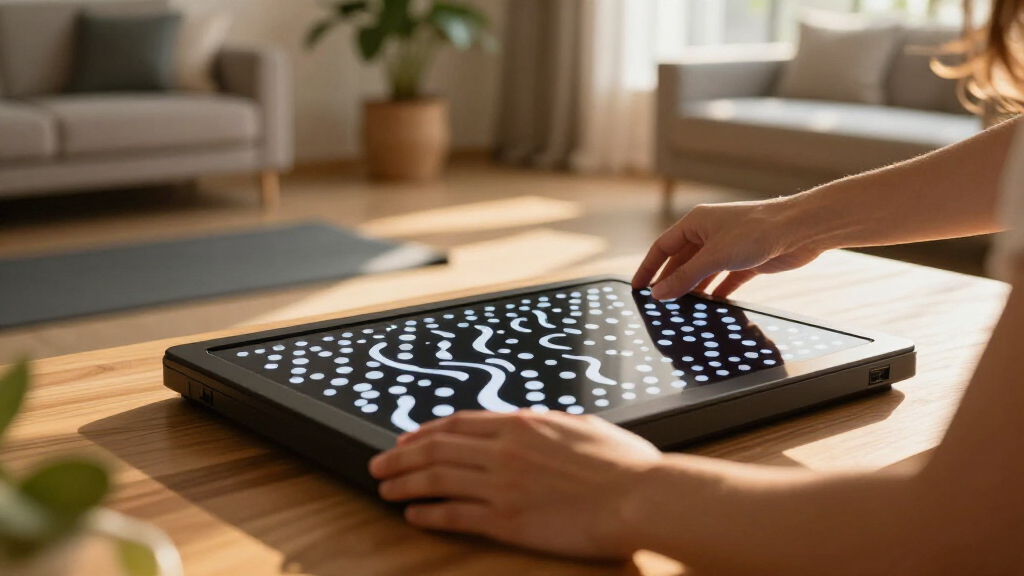
A project report published Sept. 24 describes a FLIP fluid simulation built for an electromechanical flipdot display installation at EMF2026. The creator says the display’s physical motion supplied the swishing sound that had been missing from earlier LED fluid simulations; the report also details the effort to source and drive old panels. The available source does not give the installation’s full specifications or audience response.
A maker has put a FLIP fluid simulation on an electromechanical flipdot display, building the installation for EMF2026. In a project report dated Sept. 24, the creator said the project paired simulated fluid motion with the sound of the display’s moving dots, an effect unavailable from the silent LED displays used in earlier simulations.
The project’s name refers to both the FLIP simulation method, short for “Fluid Implicit Particle,” and the flipdot hardware. The creator said wordplay was a major motivation, alongside a practical interest in making the fluid motion audible. Flipdot pixels physically turn between states and make sound as they move.
According to the report, the creator had made several fluid simulations in recent years, including work involving a volumetric display and a fluid pendant. Those projects used LEDs, which the creator described as “utterly silent.” The idea of simulating swishing noises led to the choice of an electromechanical display that could produce sound as part of its operation.
The hardware came from a collection of older panels shared by Sam, known as Look Mum No Computer, who had received a large quantity of flipdot displays for a technology museum. Some panels were in poor condition, and the report says their origin was uncertain: they may have been reclaimed from buses or may have been new old stock. One photographed panel had a 2007 date code and a resolution of 13 by 28 dots.
Why the Display Adds Sound
The installation combines a visual simulation with sound produced by the display itself. That gives the movement a physical component: each image update involves electromechanical dots changing state, rather than pixels simply changing color on a screen. The creator said this addressed a limitation of previous LED-based fluid projects, which could show liquid motion but could not make the same mechanical sound.
The project also illustrates a practical challenge for artists working with aging display technology. The report describes a search for usable panels and the need to develop a way to drive them efficiently. This work may be useful to others interested in repurposing such hardware, though the source does not establish that the approach is broadly available or suitable for every flipdot panel.
Finding and Driving Old Panels
The creator says flipdot panels are difficult to obtain, expensive, and complicated to manufacture. The report describes a small market for new displays and says some older panels were being traded or offered secondhand. It also recounts attempts to gain access to an existing large display before the project moved toward salvaged hardware.
The panels posed technical constraints. Their circuit boards extended beyond the edges, preventing seamless tiling in one direction, while their original drive circuits took about one second to update a display, according to the report. The creator wanted to arrange panels vertically as well as horizontally, which required a different approach to driving them.
The report cites earlier work by other flipdot enthusiasts as a reference for how the dots operate. It says a dot takes around 60 milliseconds to flip, although a short pulse—perhaps no more than a millisecond—is enough to polarize the cores that set its state. The report’s technical account is incomplete in the supplied material, so the final circuitry and operating performance cannot be established here.
“the LED liquid is utterly silent”
— The project’s creator, in the report
Installation Details Still Missing
The supplied report excerpt does not specify the complete installation setup, the final number or arrangement of panels, or the simulation’s frame rate and control method. It says a video demonstrates the work, but the excerpt does not describe its footage in enough detail to verify how the finished installation looked or sounded.
The origin and condition of the donated panels are also uncertain, according to the creator. The excerpt does not report visitor numbers, audience feedback, or whether the hardware and driving method will be published for others to use.
Further Technical Details
The project report is marked complete and was published Sept. 24, 2026. It points readers to a video demonstration and is organized around the project’s panels, electronics, mounting, power supply, controls, and event. Those materials could clarify how the completed display was assembled and operated; the supplied excerpt does not state whether additional reporting or a broader release of the technical design is planned.
Key Questions
What is the Flip Fluid project?
It is a FLIP fluid simulation shown on an electromechanical flipdot display. The creator built it as an installation for EMF2026.
What does FLIP mean?
In the project report, FLIP stands for Fluid Implicit Particle, a fluid simulation method. The name also plays on the word “flip” in flipdot displays.
Why use flipdots instead of LEDs?
The creator wanted the simulated fluid to have sound. Flipdots physically move between states, while the creator described the LED displays used in earlier projects as silent.
Where did the panels come from?
The creator received several older panels from Sam, known as Look Mum No Computer, who had a large collection. Their original source was unclear in the report; they may have come from buses or been new old stock.
How quickly could the display update?
The report says the original circuitry took about one second to update the display and that an individual dot takes around 60 milliseconds to flip. It does not give the final installation’s update speed.
Source: hn
Cold & flu season Picks
humidifiers
As an affiliate, we earn on qualifying purchases.