TL;DR
Listen free for 30 days with Audible
Thousands of audiobooks and originals — cancel anytime.
Start your free trialAs an affiliate, we earn on qualifying purchases.
Interest in bone density testing during menopause is rising, prompting questions about whether women should undergo DEXA scans. Experts advise weighing individual risk factors and consulting healthcare providers.
Why Bone Density Testing During Menopause Matters
This trend highlights the importance of understanding osteoporosis risk in women approaching or experiencing menopause. Early detection of low bone density can enable timely interventions that reduce fracture risk, which is a leading cause of disability among older adults. However, unnecessary testing may lead to overdiagnosis and overtreatment, emphasizing the need for personalized medical advice. As awareness grows, women are encouraged to discuss their individual risk factors with healthcare providers to make informed decisions about screening and prevention strategies.As an affiliate, we earn on qualifying purchases.
Current Guidelines and Menopause Bone Health
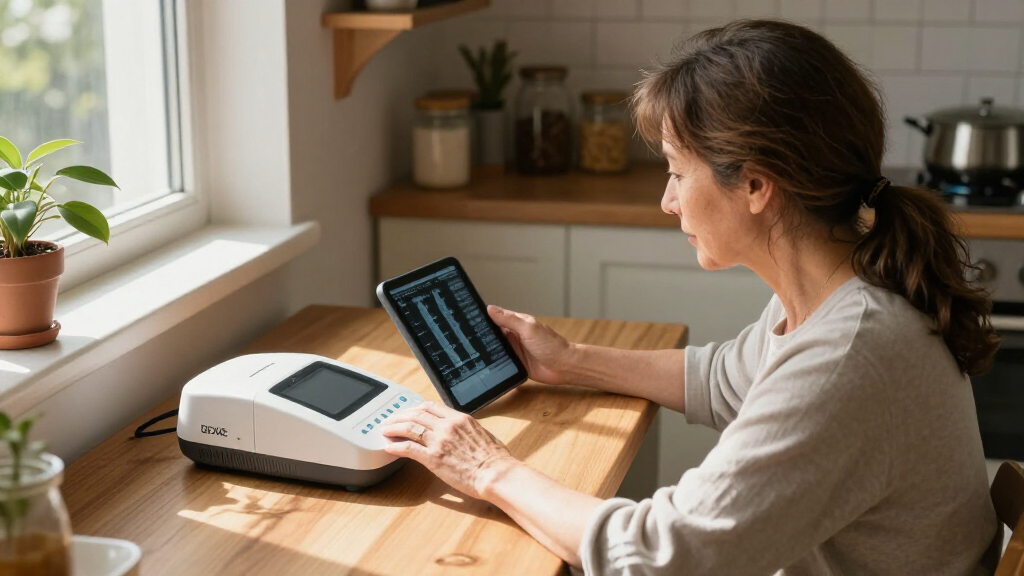
Bone loss accelerates during menopause due to declining estrogen levels, increasing the risk of osteoporosis. The World Health Organization recommends DEXA scans for women over 65 or younger women with significant risk factors. In recent years, interest in early screening has increased, partly driven by media coverage and health advocacy campaigns. Despite this, clinical guidelines remain cautious about recommending routine DEXA scans for all women at menopause, emphasizing targeted testing based on individual risk assessments. Historically, osteoporosis has been underdiagnosed, leading to a push for more proactive screening, but experts warn against overtesting without clear risk indicators. The trend of rising search interest may reflect this evolving landscape of awareness and debate.bone density test for women menopause
As an affiliate, we earn on qualifying purchases.
As an affiliate, we earn on qualifying purchases.
Unclear Guidelines and Individual Risk Factors
It is not yet clear whether future guidelines will recommend broader screening for women at menopause, as evidence on cost-effectiveness and outcomes remains mixed. The optimal timing and frequency of DEXA scans for women with moderate risk are still being studied, and individual risk assessment tools are evolving. Additionally, the impact of early detection on long-term fracture prevention continues to be evaluated by researchers. There is also uncertainty about how healthcare providers will balance patient anxiety, cost considerations, and clinical benefits in recommending screening.As an affiliate, we earn on qualifying purchases.
Future Recommendations and Ongoing Research
Researchers are conducting studies to better define which women benefit most from early bone density testing. Medical organizations may update screening guidelines based on emerging evidence, potentially leading to more personalized approaches. Meanwhile, healthcare providers are encouraged to assess individual risk factors and discuss the benefits and limitations of DEXA scans with their patients. Public awareness campaigns might also influence future screening practices, emphasizing informed decision-making and risk management.As an affiliate, we earn on qualifying purchases.
Key Questions
Should all women at menopause get a DEXA scan?
Not necessarily. Current guidelines recommend targeted testing for women with specific risk factors such as family history, previous fractures, or other health conditions affecting bones. Women without risk factors are generally advised to focus on lifestyle measures to maintain bone health.
When is the best time to get a bone density test?
Typically, women over age 65 are recommended to undergo DEXA scans. For women at menopause, testing is usually based on individual risk assessment rather than a fixed age, with some guidelines suggesting earlier testing for those with risk factors.
Are DEXA scans safe and worth the cost?
DEXA scans are considered safe, involving low radiation exposure. Their cost-effectiveness depends on individual risk; unnecessary scans may lead to overdiagnosis. It’s best to consult with a healthcare provider to determine if testing is appropriate for you.
What can I do to protect my bones during menopause?
Maintaining a balanced diet rich in calcium and vitamin D, engaging in weight-bearing exercise, avoiding smoking and excessive alcohol, and discussing medication options with your doctor can help preserve bone health.
Source: rss
Labor Day sales Picks
labor day deals
As an affiliate, we earn on qualifying purchases.