TL;DR
Open a free Amazon Business account
Business pricing, bulk buying and tax-exempt orders.
Create a free accountAs an affiliate, we earn on qualifying purchases.
Daylight saving time shifts disrupt your body’s internal clock. Bright outdoor light, especially in the morning, is the best tool to help your circadian system adjust smoothly, with habits and timing playing key roles.
Imagine waking up on a Sunday morning, the sun already bright and promising a new day. Now picture your body feeling surprisingly sleepy or wired, even after a full night’s sleep. That’s the effect of the clock change—your internal rhythm doesn’t shift instantly. But there’s good news: light is your most powerful ally in easing this transition. In this guide, you’ll learn practical, science-backed ways to use light and habits to help your body adapt comfortably to the time shift, whether spring or fall.
Getting the timing right can reduce grogginess, boost alertness, and make the change feel less like an obstacle. No fancy gadgets needed—just a little planning, outdoor exposure, and some simple routines can make a big difference.
Gradually shift your sleep and routines 15–20 minutes each day before the clock change.
Get outside in the morning for 20–30 minutes to send strong light cues to your circadian system.
Reduce bright light and screen time in the hour before bed to support melatonin production.
Maintain consistent wake-up times after the change to reinforce your new schedule.
If outdoor light isn’t available, consider a light therapy box, but always use it correctly and safely.
Daylight Saving Time: Easing the Clock Change with Light
Your clocks move in an instant. Your body does not. Well-timed daylight—supported by steady sleep, meal, and exercise routines—can make the transition feel less like jet lag and more like a gentle reset.
A small social-time change can temporarily misalign sleep, alertness, hormones, appetite, and body temperature.
Outdoor light soon after waking helps advance the body clock for the spring transition.
When light reaches your eyes can matter more than brightness alone.
Light tells the body what time it is
Light reaching the eyes influences the brain’s circadian pacemaker. Morning exposure generally moves sleep and wake rhythms earlier; evening exposure generally moves them later.
Advance the rhythm
Seek bright outdoor light within an hour of waking. Reduce bright household light and close-up screens late at night to make an earlier bedtime easier.
Delay with care
Late-afternoon or early-evening daylight may help delay the rhythm before the change. Once adjusted, keep wake time steady and use morning light normally.
A simple plan for a smoother spring clock shift
Start early
Beginning three or four days ahead, move bedtime and wake time 15–20 minutes earlier each day.
Step outside
Get 20–30 minutes of outdoor light shortly after waking—even when the sky is cloudy.
Move anchors
Shift breakfast, exercise, and other routines earlier so behavior reinforces the new schedule.
Dim the night
Lower household lighting during the final one or two hours before bed and reduce bright screens.
On Sunday morning, get outside early and avoid sleeping far beyond the new wake time. Consistency helps the new rhythm settle.
Use the right light at the right time
The two transitions require different strategies. Spring asks the body to move earlier; fall often asks it to move later.
| Action | Spring forward | Fall back | Why it matters |
|---|---|---|---|
| Morning light | ✓Seek it soon after waking | ~Use normally after settling | Morning light generally advances circadian timing. |
| Late-day light | ✗Limit bright evening exposure | ✓Seek late-afternoon daylight | Later light can delay the body clock. |
| Sleep schedule | ✓Move 15–20 minutes earlier | ✓Move 15–20 minutes later | Small daily steps reduce the abrupt one-hour jump. |
| Change-day wake time | ✓Avoid sleeping far into morning | ✓Keep the target time consistent | A stable wake time acts as a powerful behavioral anchor. |
| Very early light avoidance | ✗Usually counterproductive | ~May help persistent early waking | Individual needs vary; professional guidance may be appropriate. |
Consistency turns a light cue into a new rhythm
Outdoor light is powerful, but predictable daily behavior gives the circadian system multiple signals pointing in the same direction.
Keep the signals aligned
Think of the body clock as an orchestra: light sets the tempo, while routines keep every section together.
- Wake at the same time each morning.
- Shift meals and exercise with sleep timing.
- Limit late caffeine and alcohol.
- Protect a dim, calm final hour before bed.
- Allow several days for biological adjustment.
Relative strength of daily timing cues
A practical, qualitative guide based on circadian relevance—not a clinical score.
Overcast outdoor light is often much brighter than typical indoor lighting.
The clock debate is also a light debate
Policy, lifestyle preferences, and circadian biology do not always point in the same direction.
Specialists favor standard time
Morning light and earlier winter sunsets generally align more closely with human circadian timing.
Many prefer evening daylight
Longer bright evenings are popular for recreation and commerce, supporting interest in permanent DST.
Effects are population-level
Spring shifts are associated with short-lived increases in sleep loss and some incidents, but this does not prove substantial risk for every individual.
From daylight to daytime performance
Why Your Body Needs Time to Adjust to Clock Changes
Your internal clock, or circadian rhythm, follows a roughly 24-hour cycle that controls sleep, hormones, temperature, and alertness. When the clock jumps forward or back, your body doesn’t follow instantly. Instead, it takes several days to realign. The spring shift, which cuts an hour from your sleep, often feels tougher because it’s like trying to run faster without your usual warm-up. Conversely, falling back gives your body extra time to catch up.
For example, when clocks spring forward, many people report feeling more tired, irritable, and less alert for several days. This isn’t just fatigue—it’s your internal system struggling to sync with the new social time. The good news? Light exposure at the right times helps reset your internal clock gradually, reducing discomfort and improving your mood and performance.
Understanding why your body needs this adjustment period is key. Your circadian rhythm is deeply ingrained, influenced by genetics and environmental cues, especially light. Sudden shifts can cause misalignment, leading to sleep difficulties, reduced alertness, and even mood disturbances. Recognizing that this is a natural, biological process—rather than a failure of discipline—can help you approach the transition with patience. The tradeoff is that, while it takes time, strategic light exposure can significantly shorten the discomfort window, making the adjustment smoother and less disruptive to your daily functioning.
light therapy box for circadian rhythm
As an affiliate, we earn on qualifying purchases.
As an affiliate, we earn on qualifying purchases.
How Light Sets Your Body’s Internal Clock — And Why Timing Is Everything
Light is the strongest cue your brain uses to set your circadian rhythm. When your eyes detect light, especially in the morning, it signals your brain that it’s daytime, prompting wakefulness and hormone shifts like cortisol release. Conversely, darkness or dimmer light in the evening encourages melatonin production, helping you feel sleepy. This synchronization ensures your sleep-wake cycle aligns with the natural day-night pattern, which is crucial for overall health.
Imagine your body as a conductor of an orchestra—light cues tell it when to start or stop each section. If these cues come at the wrong time, the rhythm becomes chaotic, leading to sleep issues and daytime fatigue. Timing matters more than brightness alone because the same light intensity can have different effects depending on when it’s received. Bright morning light shifts your rhythm earlier, helping you wake up sooner and fall asleep earlier, which is beneficial during spring shifts. Conversely, exposure to light in the evening can delay sleep onset, making it harder to wake up early.
Getting outside soon after waking during spring provides a powerful signal to your brain that it’s morning, accelerating your adjustment. Conversely, delaying morning light exposure or increasing evening light can slow your adaptation, prolonging discomfort. The implication is that strategic timing of light exposure can either facilitate or hinder your body’s natural adjustment process, highlighting the importance of planning your light environment around clock changes.

JALL Full-Screen Wake Up Light Sunrise Alarm Clocks for Bedrooms, White Noise Machine for Heavy Sleepers, 25 Natural Sounds, Dual Alarms, FM Radio, 17 Dimmable Colors, Bluetooth Speaker
- Full-Screen Sunrise Simulation: Gradually brightens over 10-60 minutes
- Dual Alarms and Snooze: Set separate routines with 5-20 min snooze
- Bluetooth Auto-Sync: Automatically syncs with phone for accuracy
As an affiliate, we earn on qualifying purchases.
As an affiliate, we earn on qualifying purchases.
The Simple Step-by-Step Plan to Use Light for a Smoother Clock Shift
Here’s a straightforward plan to help your body adapt to the clock change using light and routines. It’s designed to be gradual, practical, and effective.
- Start early: Begin moving your bedtime and wake time 15–20 minutes earlier (spring) or later (fall) each day, about 3–4 days before the change. This gradual shift helps your internal clock prepare, reducing abruptness and minimizing sleep disruption.
- Get outside in the morning: Aim for 20–30 minutes of outdoor light within an hour of waking. Even on cloudy days, outdoor light is significantly brighter than indoor lighting, providing a strong cue that accelerates your circadian adjustment. The implication is that consistent morning exposure reinforces the natural wake signals, helping your body adapt more rapidly and comfortably.
- Adjust your routines: Shift breakfast, exercise, and other daily habits earlier or later accordingly, aligning them with your new sleep schedule. These routines act as behavioral anchors, reinforcing your internal clock’s new timing and making the transition smoother.
- Dim evening lighting: Reduce bright household lights during the final hour before bed. Avoid screens close to bedtime, or use blue-light filters if needed. This supports melatonin production, signaling to your body that it’s time to wind down, which is critical during the adjustment period.
- Post-change outdoor light: On the Sunday after the spring shift, get outside early and avoid sleeping too far into the morning. This reinforces the new schedule and helps your body settle into the adjusted rhythm more quickly.
For fall, reverse the approach: seek late-afternoon light, delay bedtime gradually, and maintain consistent wake times once the change is complete. The tradeoff is that this stepwise approach reduces the risk of jet-lag-like symptoms and promotes a more natural, less stressful adjustment process.
As an affiliate, we earn on qualifying purchases.
Why Consistency and Habits Matter More Than Brightness Alone
Getting outside regularly at the right times is more effective than just turning on bright lights indoors. Consistent routines—such as waking, eating, and exercising at the same times daily—serve as behavioral anchors that reinforce your internal clock’s adjustment. When your routines are stable, your body can predict and respond to environmental cues more efficiently, leading to faster synchronization.
Imagine tuning a guitar—if the tension varies, the sound becomes discordant. Similarly, inconsistent routines introduce noise into your circadian system, delaying adaptation. For example, waking at the same time each morning and getting morning light helps your circadian rhythm lock into a new pattern faster. Conversely, irregular sleep times, late-night caffeine, or alcohol can disrupt this process, causing delays or misalignment.
Some might believe that artificial bright indoor lighting or special devices can replace outdoor light, but research indicates that natural light, combined with stable routines, provides the most reliable signals for your internal clock. The key is not just brightness but the consistency and timing of light exposure and daily habits, which create a predictable environment for your circadian system to adapt efficiently.
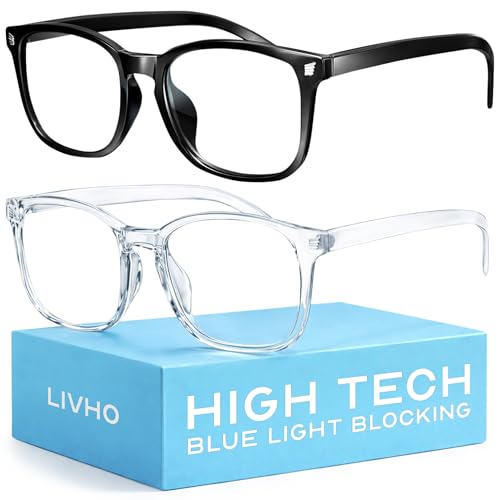
livho High Tech Blue Light Glasses – Advanced Blue Light Blocking Computer Glasses – Screen Fatigue & UV Protection
- Blue Light Blocking Glasses: Reduces eye strain and glare
- UV Protection: Protects eyes from harmful UV rays
- Stylish Women's Frame: Fashionable and functional design
As an affiliate, we earn on qualifying purchases.
As an affiliate, we earn on qualifying purchases.
What to Do if You Can’t Get Outside — Alternatives That Still Help
If outdoor light isn’t an option—say, during winter or in urban environments—there are still ways to support your adjustment. Bright light therapy boxes, when used correctly, can simulate outdoor sunlight and provide a potent cue to your circadian system. Using a box with at least 10,000 lux for about 20–30 minutes in the morning mimics natural light exposure, which can significantly speed up your adaptation process. The implication is that, even without outdoor access, you can still effectively signal your body to adjust if you use these tools appropriately.
For example, someone working indoors all day in a windowless office might use a light box first thing in the morning. This helps send the right cues to your brain, especially when natural light is scarce, and supports your body’s natural timing mechanisms. However, it’s important to follow recommended usage to avoid overexposure or disrupting your sleep schedule.
Just remember: staring directly at the sun is dangerous and unnecessary. Even cloudy outdoor days provide enough light to help your internal clock. Use artificial light thoughtfully—placing the light source at eye level and at a safe distance—and avoid overexposure at night, which can delay sleep onset. Adjusting routines—like eating meals earlier or later—can also support your body’s shift when outdoor light isn’t available, reinforcing the circadian signals that guide your sleep and alertness cycles.
The Ongoing Debate: Standard Time, DST, and What’s Next
Many countries are considering ending the twice-yearly clock change. Some propose sticking to permanent standard time, which aligns more closely with natural light and sleep patterns, especially in winter. Others prefer permanent daylight saving time for longer evenings, which can encourage outdoor activity and economic activity. The tradeoff involves balancing health benefits against lifestyle preferences.
Research from sleep and circadian experts suggests that permanent standard time might support better sleep health by providing more morning light, which helps reset and stabilize circadian rhythms, reducing sleep disturbances and improving overall health. However, public preference often favors extended evening daylight, which can delay sleep onset and reduce morning light exposure—potentially exacerbating circadian misalignment. The implication is that policy decisions must weigh these biological insights against societal and economic considerations, with the ultimate goal of promoting better sleep and health outcomes.
For example, recent debates in the U.S. have centered around whether to keep the clock as is, move to permanent DST, or adopt permanent standard time. The science indicates that eliminating clock changes could reduce sleep loss and health risks, but cultural and recreational preferences continue to influence policy. The future of timekeeping policies may involve hybrid approaches or new standards designed to optimize health and societal needs.
Stay tuned—these decisions may reshape how societies manage their internal clocks in the future, with significant implications for public health and daily routines.
Key Facts That Make Or Break Your Adjustment Strategy
- Spring shift usually causes more sleep disruption than fall because it involves advancing your schedule, which can be more challenging for your biological clock to accommodate quickly. This is especially true for teenagers whose circadian rhythms tend to be later, making spring adjustments trickier for them.
- Bright outdoor morning light can improve circadian timing and alertness by reinforcing your body’s natural wake signals, which is especially important during the spring shift when your internal clock needs to advance.
- Getting outside for 20–30 minutes after waking helps reset your clock faster by providing a strong environmental cue that aligns your internal rhythm with the new schedule, reducing the feeling of jet lag or fatigue.
- Staring directly at the sun is dangerous—use safe outdoor exposure. Even indirect sunlight or cloudy days offer enough light to influence your circadian system without risking eye damage.
- Artificial light can help if outdoor access is limited, but timing is key. Using light therapy in the morning can mimic natural cues, but overexposure or inappropriate timing can delay sleep onset or cause other circadian disturbances.
- Consistent routines—waking, eating, exercising—support faster adjustment than brightness alone because they provide behavioral stability that reinforces your internal clock’s new timing.
Frequently Asked Questions
Why does a one-hour change feel so disruptive?
Because your internal rhythms—like sleep, hormones, and alertness—adjust gradually, not instantly. The clock change forces your body to catch up, which can cause fatigue and mood shifts for several days.How long does it usually take to adjust?
Most people adapt within a few days, but some may need a week or longer, especially if routines are irregular or outdoor light exposure is limited.What’s the best way to prepare for ‘spring forward’?
Gradually shift your sleep and routines earlier by 15–20 minutes each day, get outdoor morning light soon after waking, and keep evening lighting dim to support the adjustment.Can I use a light box instead of outdoor light?
Yes, especially if natural light is limited. Use a light box with at least 10,000 lux for 20–30 minutes in the morning, but follow safety guidelines to avoid overexposure.How much outdoor light is enough?
Aim for 20–30 minutes of outdoor exposure shortly after waking. Weather, latitude, and personal sensitivity can influence the ideal duration, but consistency is key.Conclusion
Small, intentional steps—like morning outdoor walks and dimming evening lights—make the clock change less disruptive. Your internal clock responds best to consistent cues, so stick with routines that respect your natural rhythms. Before long, adjusting will feel less like a struggle and more like a natural shift.
Remember, your body’s timing system isn’t a switch—it’s a finely tuned orchestra. A little light and routine can help it play in harmony again. So, next time the clock jumps, think of it as an opportunity to tune your internal rhythm, not just a hassle to endure.
Labor Day sales Picks
labor day deals
As an affiliate, we earn on qualifying purchases.