TL;DR
Open a free Amazon Business account
Business pricing, bulk buying and tax-exempt orders.
Create a free accountAs an affiliate, we earn on qualifying purchases.
A sunrise alarm can help ease grogginess and reinforce wake times after night shifts. Its effectiveness depends heavily on proper timing and integrating light with darkness routines. It’s a useful tool, but not a cure-all for sleep deprivation or circadian misalignment.
Imagine waking up after a long night shift, your body still craving sleep but your mind needing to get alert and ready for daytime. That groggy, heavy feeling—sleep inertia—can stick around for hours, making you feel foggy and less sharp.
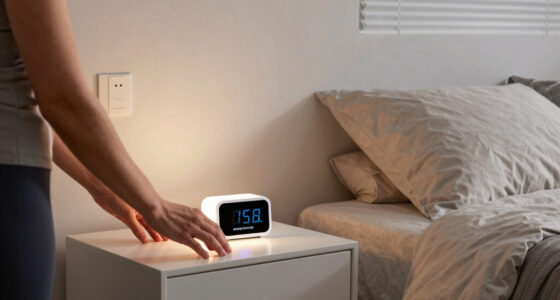
A well-timed sunrise alarm isn’t a magic fix, but it can soften that transition. By gradually brightening your bedroom before your intended wake time, it signals to your body that it’s time to wake, helping you feel more alert and less groggy. This simple shift in your routine can make a big difference in your recovery and overall well-being.
In this guide, you’ll learn how to use a sunrise alarm effectively after night shifts, what factors matter most, and how to combine it with other sleep strategies for better rest and faster recovery.
Timing your light exposure is more crucial than the brightness or device type. Use your sunrise alarm 20–45 minutes before your desired wake time.
A consistent routine of darkness and light helps your body adapt faster. Use blackout curtains and a dawn simulation to support sleep and wake cycles.
Bright light therapy is more intense than most sunrise alarms and may be needed for larger circadian shifts, especially after multiple night shifts.
Safety always comes first. Avoid bright light if you have eye conditions, migraines, or mood disorders, and never compromise safety over schedule.
Recovery from night shifts takes time. Be patient, stay consistent, and combine light with other good sleep habits for best results.
Using a Sunrise Alarm to Recover After Night Shifts
A gradual dawn can make waking gentler, reduce some aspects of sleep inertia, and reinforce a chosen wake time. Timing is the active ingredient: the alarm works best when paired with deliberate darkness, sufficient sleep, and bright light after waking.
Build a dawn around your actual wake time
The clock on the wall is less important than your biological schedule. A 3 p.m. wake-up can use the same dawn sequence as a conventional morning—provided the room stays dark beforehand.
Protect sleep
Keep the bedroom dark, cool, and quiet. Reduce bright light before the intended sleep period.
Begin the dawn
Start gradual illumination roughly 20–45 minutes before the planned wake time.
Wake consistently
Keep wake time stable when practical. Place the lamp where light reaches the sleeper’s visual field.
Add brighter light
After rising, seek outdoor daylight or appropriate bright light to strengthen the wake signal.
Avoid the wrong signal: bright light immediately before daytime sleep may make falling asleep harder, while poorly timed exposure can shift the circadian clock away from the schedule you want.
Are you staying nocturnal or returning to days?
“Recovery” describes two different jobs. Decide which one you are asking your body to perform before programming the alarm.
Reinforce the afternoon wake time
Use the sunrise alarm before your regular afternoon or evening wake time and preserve a repeatable sleep window.
- Keep sleep and wake times consistent across consecutive shifts.
- Block morning light on the journey home when appropriate.
- Use caffeine early in the shift, not close to bedtime.
- Follow the simulated dawn with brighter light after rising.
Move back in deliberate stages
After the final shift, a shorter recovery sleep may create enough sleep pressure for an earlier nighttime bedtime.
- Seek useful daylight after the recovery sleep.
- Aim for an earlier bedtime rather than forcing an instant reset.
- Use the next sunrise simulation before the desired morning wake time.
- Repeat light, meals, and activity cues for several days.
Expect a gradual change. The biological clock cannot fully reset in one day. Rapid switching can temporarily worsen fatigue, sleep disruption, and cognitive fog.
Pair light with a protected sleep environment
A sunrise alarm handles the transition into wakefulness. The rest of the routine must protect sleep quantity and prevent conflicting signals.
Control darkness
Use blackout curtains or a comfortable eye mask during daytime sleep.
Control sound
Try earplugs or steady white noise to limit daytime interruptions.
Position the lamp
Aim light toward the bed and visual field, not behind the head or across the room.
Protect the wind-down
Reduce stimulating light, activity, heavy meals, and late-shift caffeine before sleep.
Match the light source to the job
A sunrise alarm is designed to soften waking. Outdoor daylight and clinical light boxes generally deliver a stronger circadian signal.
| Feature | Sunrise alarm | Outdoor daylight | Clinical light box |
|---|---|---|---|
| Primary role | ✓Gentler waking | ✓Strong natural wake cue | ✓Targeted bright-light exposure |
| Typical intensity | Relatively modest | Highly variable, often very bright | May provide about 10,000 lux at a specified distance |
| Best use | Pre-wake bedroom routine | After waking when timing and weather allow | Larger circadian adjustments with informed use |
| Main limitation | May be too dim for major phase shifts | Weather, season, and schedule affect access | Requires correct timing, distance, and safety screening |
A consumer sunrise alarm and bright-light therapy are not equivalent. Follow device instructions and seek clinical guidance when treating persistent shift-work sleep problems.
Helpful cue, limited promise
Research on dawn simulation suggests possible benefits for waking experience, alertness, mood, and sleep inertia. Direct evidence for recovery after night shifts is still sparse.
Correctly timed light, darkness, and consistent sleep scheduling have stronger support than claims about any single consumer alarm.
May ease waking
Gradual light can feel less abrupt than sound alone and may improve subjective alertness for some sleepers.
May reduce inertia
Pre-waking illumination may reduce some aspects of immediate post-sleep grogginess and impaired performance.
Responses vary
Chronotype, sleep debt, season, shift pattern, medication, and light sensitivity can change the outcome.
Cannot repay sleep debt
No light device can replace adequate sleep or fully correct severe circadian misalignment by itself.
Safety outranks the schedule
Do not drive or operate machinery when dangerously sleepy. A sunrise alarm cannot restore reaction time or judgment lost through inadequate sleep. Seek professional advice before bright-light therapy if you have an eye condition, light-triggered migraine, bipolar disorder, another mood disorder, or take photosensitizing medication.
Common questions after a night shift
Start with a conservative routine, observe how you respond, and adjust gradually rather than changing several variables at once.
Does a sunrise alarm really help?
It may make waking feel easier, especially in a dark room. Treat it as a supportive wake cue, not a cure for sleep deprivation.
Can I use it at 3 or 4 p.m.?
Yes. Program the simulated dawn around the wake time your schedule requires, regardless of the conventional clock label.
How long should the sunrise last?
Begin with 20–45 minutes. Adjust duration and brightness according to comfort, wakefulness, and device instructions.
Is it equal to natural daylight?
Usually not. Outdoor daylight is often much brighter and generally produces a stronger circadian signal.
Why Your Body Needs More Than Just an Alarm — Timing Is Everything
Light is the strongest cue your body uses to set your internal clock—the circadian rhythm. When you wake up at an odd hour, like after a night shift, your body’s clock is likely still tuned to night time.
Using a sunrise alarm at the right moment can help signal to your brain that it’s time to wake, promoting alertness and supporting your body’s natural rhythms. But if you set the alarm too early or too late, you might do more harm than good, pushing your circadian clock in the wrong direction.
For example, if you finish a night shift at 7 a.m., programming your sunrise alarm to start 20–45 minutes earlier can gently nudge your body toward daytime wakefulness. This timing aligns light exposure with your new schedule, helping reinforce the shift you want.
Research shows that light exposure around your desired wake time stabilizes your sleep-wake cycle, making it easier to transition back to day living or maintain night shifts without feeling constantly jet-lagged.
It’s important to understand that the timing of light exposure doesn’t just influence when you wake up—it affects how your body perceives day and night, which can impact hormone production, metabolism, and overall alertness. Proper timing ensures that your circadian system remains synchronized with your environment, reducing symptoms like fatigue, mood swings, and cognitive fog. Conversely, mistimed light exposure can delay your adaptation or cause misalignment, leading to poorer sleep quality and increased health risks over time.
Understanding the Implications of Timing
Timing your light exposure isn’t just about waking up on schedule; it’s about shaping your body’s internal clock to match your lifestyle. When you expose yourself to light at the right time, you help reset your circadian rhythm, which can improve sleep quality, boost daytime alertness, and even influence metabolic health. Conversely, poorly timed light can cause your internal clock to lag or advance inappropriately, resulting in chronic fatigue, mood disturbances, and increased risk of long-term health issues. Therefore, precise timing isn’t a trivial detail—it’s the foundation of effective circadian adjustment for shift workers.
sunrise alarm clock for shift workers
As an affiliate, we earn on qualifying purchases.
As an affiliate, we earn on qualifying purchases.
Recovery Goals: Staying Night Owl or Switching Back to Daylight?
Not all recovery is the same. If you’re sticking with night shifts, your goal is to keep your sleep and wake times consistent, even if they’re during the day. A sunrise alarm can be set for your typical wake time—say, 2 p.m.—to help you get up, alert, and ready for your shift.
But if you’re trying to flip back to a regular daytime schedule, timing becomes trickier. After your last night shift, you might want to take a short nap, then get outside in natural light to help shift your body clock earlier. Exposure to natural sunlight in the late afternoon or early evening can advance your circadian phase, making it easier to fall asleep earlier the next night.
For example, if you finish work at 7 a.m. and plan to sleep until 3 p.m., waking with a sunrise alarm set for 6:30 a.m. can help prepare your body for a new, earlier bedtime the next night. Keep in mind, your body can’t reset overnight—it takes several days of consistent cues, including light exposure, meal timing, and activity levels, to fully adjust your internal clock. Pushing your schedule too quickly can cause temporary misalignment, leading to increased sleep disturbances or daytime fatigue.
Understanding your recovery goal helps determine when to use your sunrise alarm and how to plan your light exposure for best results. Recognize that the process of adjusting your internal clock involves tradeoffs: rushing can cause discomfort, while patience fosters better adaptation. By aligning your light exposure with your targeted schedule, you minimize the risk of sleep disruption and support a smoother transition.
Applying Timing Strategies for Different Goals
Whether maintaining night shifts or transitioning back to days, the key is to tailor your light cues. For night shift workers, consistent timed exposure reinforces your schedule. For those switching to days, strategic light exposure in the evening helps shift your internal clock forward. Both approaches require understanding your body’s responses and being patient, as circadian realignment is a gradual process that benefits from deliberate timing and routine.

JALL Full-Screen Wake Up Light Sunrise Alarm Clocks for Bedrooms, White Noise Machine for Heavy Sleepers, 25 Natural Sounds, Dual Alarms, FM Radio, 17 Dimmable Colors, Bluetooth Speaker
- Full-Screen Sunrise Simulation: Gradually brightens over 10-60 minutes
- Dual Alarms and Snooze: Set separate routines with 5-20 min snooze
- Bluetooth Auto-Sync: Automatically syncs with phone for accuracy
As an affiliate, we earn on qualifying purchases.
As an affiliate, we earn on qualifying purchases.
Frequently Asked Questions
Does a sunrise alarm really help after a night shift?
It can make waking feel easier and reduce grogginess, especially if your room is dark. However, it doesn’t replace enough sleep or fully reset your internal clock—think of it as a helpful cue, not a magic fix.When should I set my sunrise alarm if I want to switch back to daytime hours?
Set it to start 20–45 minutes before your planned wake time. For example, if you plan to wake at 6 a.m., start the light around 5:15–5:40 a.m. to support a gradual shift.Can I use a sunrise alarm at 3 or 4 p.m.?
Absolutely. The key is the timing of light, not the clock label. If you need to wake up then, program the alarm to simulate dawn at that hour, helping your body recognize it’s time to be alert.Is a sunrise alarm as effective as natural sunlight?
Usually not. Outdoor daylight is typically much brighter, but a sunrise alarm can still significantly improve how you wake. For circadian shifts, outdoor light or a strong light box works better, especially in winter or cloudy weather.How long should the sunrise last?
Most people start with 20–45 minutes. Adjust based on your response—some prefer a shorter, dimmer wake-up, others a longer, brighter one. Experiment to find what feels best.light therapy alarm for circadian rhythm
As an affiliate, we earn on qualifying purchases.
As an affiliate, we earn on qualifying purchases.
Conclusion
Using a sunrise alarm is a simple yet powerful way to help your body wake more gently after night shifts. When timed correctly and combined with darkness and consistent routines, it can make your transition to daytime living smoother and less exhausting.
Remember, your body’s clock responds best to clear signals—light and darkness working together. So, set your alarm, draw those blackout curtains, and give your body the cues it needs to recover more comfortably. Your future self will thank you for it.
sunrise wake-up light with blackout curtains
As an affiliate, we earn on qualifying purchases.
As an affiliate, we earn on qualifying purchases.
College move-in / dorm season Picks
dorm essentials
As an affiliate, we earn on qualifying purchases.