
TL;DR
Listen free for 30 days with Audible
Thousands of audiobooks and originals — cancel anytime.
Start your free trialAs an affiliate, we earn on qualifying purchases.
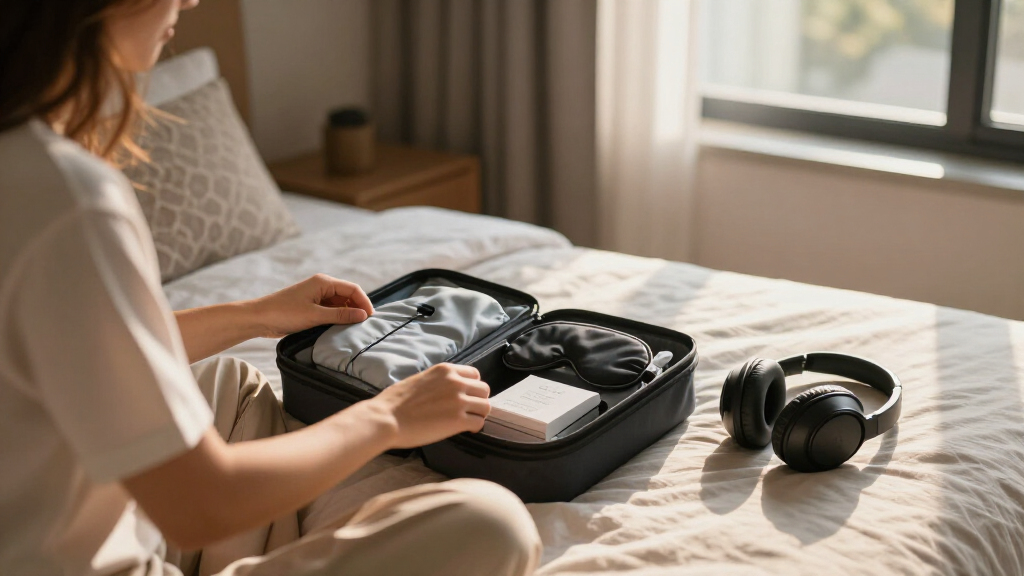
Many frequent travelers pack personalized sleep kits with items like eye masks, earplugs, and portable white noise to combat noise and light disturbances. Customizing your kit boosts sleep quality and travel comfort, making nights away more restorative.
Imagine arriving at a hotel after a long day. The bed looks inviting, but the unfamiliar surroundings, noise, and bright lights threaten your rest. The difference between tossing and turning and sleeping peacefully often comes down to what you pack in your hotel room sleep kit.
These tiny, tailored collections of comfort items can make or break your trip’s restfulness. Whether you’re battling jet lag, shift work fatigue, or just a noisy neighborhood, having your own sleep essentials on hand can turn a stressful night into a rejuvenating one. Here’s what seasoned travelers consistently pack—and why.
Bring essentials like eye masks, earplugs, and travel pillows to block light, noise, and improve comfort.
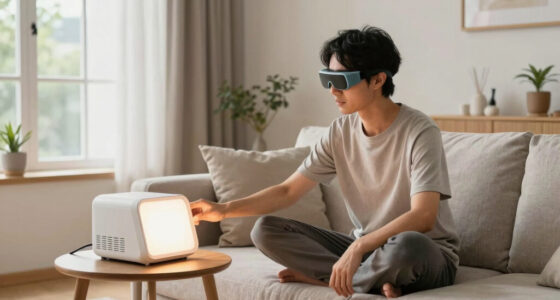
Use portable environmental controls—white noise, fans, or humidifiers—to shape your sleep environment anywhere.
Personalize your kit with tech, scents, and eco-friendly products to boost relaxation and sustainability.
Track your sleep with devices or apps to understand disruptions and adjust your routine accordingly.
Prioritize consistency and familiarity—your own sleep items can improve rest by up to 40%.
Hotel Room Sleep Kit: What Frequent Travelers Pack
The difference between tossing and turning in an unfamiliar hotel bed and sleeping peacefully often comes down to what you pack. Seasoned travelers carry tailored kits of eye masks, earplugs, white noise, and comfort items to block noise, light, and discomfort — turning stressful nights away into restorative rest.
The Must-Have Sleep Items Travelers Never Leave Home Without
Think of these as your personal sleep armor: three staples that shield you from the most common travel sleep disruptions — light, noise, and physical discomfort.
Blackout Eye Mask
Darkness triggers melatonin production and protects your circadian rhythm — essential across time zones. A good mask is soft, comfortable all night, and truly light-blocking.
Earplugs or ANC Headphones
Foam or silicone earplugs are cheap and effective against traffic, neighbors, and HVAC hum. Noise-canceling headphones offer superior isolation and comfort at a higher price and size.
Travel Pillow / Neck Support
Memory foam options contour to your neck, turning an unfamiliar hotel pillow into a cozy haven and preventing morning stiffness after long travel days.
Creating a Sleep-Friendly Environment in Any Hotel Room
Savvy travelers don’t just block disruptions — they actively shape the room. Follow the chain of environmental controls that signal to your body it’s time to rest.
Mask the Sound
White noise machines or apps create a consistent, soothing backdrop against honking cars, loud neighbors, and HVAC hum.
Regulate Temperature
Portable fans and compact climate devices keep airflow steady — temperature swings are a major sleep quality killer.
Fix the Air
Travel-sized humidifiers or dehumidifiers manage dry or damp climates, preventing congestion that disrupts sleep.
Sleep Peacefully
A controlled environment anywhere tells your body: it’s time to switch off — regardless of external chaos.
Gadgets and Supplements That Boost Sleep On The Road
From sleep trackers that reveal hidden disruptions to melatonin and chamomile tea that ease you into rest — these tools address specific roadblocks like jet lag and shift work fatigue. Remember: they’re tools, not cures, and results vary by individual.
Earplugs vs. ANC Headphones vs. White Noise
Three noise solutions, three tradeoffs. Choose based on your sleep sensitivity, budget, and travel style.
| Factor | Foam / Silicone Earplugs | ANC Headphones | White Noise Device |
|---|---|---|---|
| Cost | ✓ Very low | ✗ Expensive | ~ Moderate |
| Packability | ✓ Tiny | ~ Bulky | ~ Compact |
| Noise reduction | ~ Good | ✓ Superior | ✓ Masks well |
| All-night comfort | ~ Sensitive ears | ✓ Comfortable | ✓ Nothing worn |
| Battery needed | ✓ Never | ✗ Recharge | ~ Often |
The Latest Trends — and Why Packing a Kit Pays Off
Sleep gear is evolving toward wellness, sustainability, and customization: sleep masks with built-in headphones, smart devices that sync with smartphones for real-time analysis, and eco-friendly choices like bamboo pillowcases, natural fiber masks, and organic herbal teas. Familiar scents and textures create psychological comfort — reducing anxiety and speeding sleep onset in unfamiliar rooms.
Block the basics: eye masks, earplugs, and travel pillows counter light, noise, and discomfort — the three biggest hotel sleep thieves.
Shape the room: white noise, portable fans, and humidifiers let you control your environment anywhere you land.
Personalize it: tech, calming scents, and eco-friendly products boost both relaxation and sustainability.
Track & adjust: sleep trackers reveal disruption patterns so you can refine your routine — consistency can improve rest by up to 40%.
The Must-Have Sleep Items Travelers Never Leave Home Without
When it comes to a hotel sleep kit, some items are absolute staples. Think of these as your personal sleep armor, shielding you from common travel sleep disruptions.
First, eye masks are a game-changer. The blackout effect helps your body produce melatonin, the sleep hormone. A good mask should be soft, light-blocking, and comfortable enough to wear all night. The importance of a quality eye mask lies in its ability to create a dark environment, which is essential for your circadian rhythm to function properly, especially when traveling across time zones. Skimping on comfort or light-blocking capacity can lead to restless nights, negating the benefit of the mask itself.
Next, earplugs or noise-canceling headphones. Hotels can be noisy—traffic, neighbors, or the hum of air conditioning. Earplugs made from foam or silicone are affordable and effective, but they may cause discomfort if not fitted properly or if you have sensitive ears. Noise-canceling headphones, while more expensive, provide superior sound isolation and comfort, helping you block out unpredictable hotel noises that can fragment your sleep. The tradeoff often involves size and convenience versus noise reduction quality—choose based on your sleep sensitivity and travel style.
Lastly, a travel pillow or neck support can transform a hard, unfamiliar hotel pillow into a cozy haven. Proper neck support not only eases discomfort but also prevents stiffness and pain that can interfere with sleep quality. Memory foam options contour to your neck’s shape, providing personalized support that can be especially beneficial after long travel days or in unfamiliar beds. Investing in a quality travel pillow can mean the difference between waking up refreshed or sore, making it a vital part of your sleep kit.
As an affiliate, we earn on qualifying purchases.
Creating a Sleep-Friendly Environment in Any Hotel Room
Beyond personal comfort items, savvy travelers bring tools that shape the environment—making it sleep-friendly despite the unfamiliar setting.
White noise machines or apps are popular because they help mask disruptive sounds—think honking cars, loud neighbors, or the hum of HVAC systems. The significance of environmental control lies in its ability to create a consistent, soothing backdrop that signals your body it’s time to rest, regardless of external chaos. Portable devices or smartphone apps with customizable sounds allow you to tailor the environment, but their effectiveness depends on the quality of the soundscape and your ability to block out other disturbances.
Maintaining a comfortable temperature is crucial because temperature fluctuations can significantly impact sleep quality. Portable fans or small climate control devices can help regulate airflow, ensuring the room isn’t too hot or cold. For air quality, a travel-sized humidifier or dehumidifier can add moisture or remove excess dampness, which is especially important in dry climates or humid regions—both of which can cause discomfort or congestion that disrupts sleep. The tradeoff involves balancing convenience with effectiveness; compact devices are portable but may not be as powerful as larger models. Understanding your personal sensitivity to environmental factors can guide your choice, ensuring your sleep environment is optimized anywhere.
As an affiliate, we earn on qualifying purchases.
Tech, Lighting, and Supplements That Boost Sleep On the Road
Tech gadgets and small supplements are increasingly popular in travel sleep kits. They help optimize rest and address specific roadblocks like jet lag or shift work fatigue.
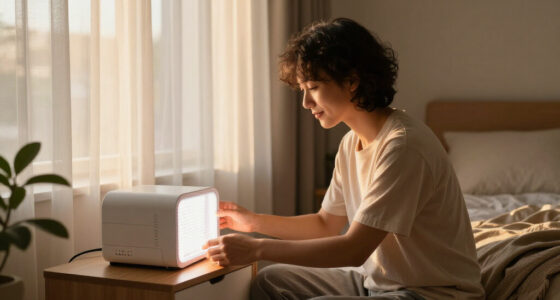
Night lights or portable lamps provide gentle illumination without disturbing others, especially useful for navigating the room at night or early mornings. Sleep trackers—like wristbands or phone apps—monitor sleep quality, giving insights into sleep patterns and disruptions. These devices can be invaluable for understanding your sleep habits when away from home, allowing you to identify patterns or issues that need addressing.
Supplements like melatonin or herbal teas—such as chamomile or valerian root—are common. They aren’t medication but can support relaxation and help you fall asleep faster. The key is understanding that these are tools, not cures, and their effectiveness varies among individuals. Always use these responsibly, and check with a healthcare provider if you have pre-existing conditions or are on medication. For instance, a shift worker in a hotel might use a sleep tracker to see how well they’re resting, then incorporate a calming herbal tea before bed to enhance relaxation. Combining technology with mindful supplement use can personalize your sleep approach and lead to better rest despite travel challenges.
As an affiliate, we earn on qualifying purchases.
The Latest Trends in Travel Sleep Gear
Travel sleep gear keeps evolving. More travelers are designing personalized kits with scents, tech, and eco-friendly choices. Custom sleep masks with built-in headphones are now common, combining comfort and function seamlessly.
Smart sleep devices that sync with smartphones provide real-time sleep analysis and tips, enabling travelers to make adjustments and improve rest quality during their trips. Eco-conscious travelers seek out reusable, biodegradable, or organic products like bamboo pillowcases, natural fiber sleep masks, and sustainable herbal teas. These choices not only reduce environmental impact but can also enhance relaxation through natural scents and materials. For example, a business traveler might carry a lavender-scented pillow spray and a compact, rechargeable white noise device for eco-friendly comfort. These trends reflect a broader focus on wellness, sustainability, and customization, making sleep more accessible and pleasant anywhere, while also aligning with values of environmental responsibility.
As an affiliate, we earn on qualifying purchases.
Key Facts That Make Packing a Sleep Kit Worth It
Research shows that travelers who bring personal sleep items experience significantly better rest—up to a 40% improvement in sleep quality, according to An Alarm Clock. The presence of familiar scents or textures can create a psychological sense of comfort and security, which is crucial when in unfamiliar environments. This emotional reassurance can help reduce anxiety and promote quicker sleep onset.
Unsurprisingly, the market for portable sleep aids has grown rapidly—by over 35% in recent years—highlighting how much travelers value sleep comfort. This growth indicates a broader recognition that sleep quality directly impacts overall travel experience, productivity, and well-being. Personalization isn’t just a luxury; it’s a practical solution backed by data showing that having familiar items can reduce sleep disruptions caused by environmental unfamiliarity. Investing in your sleep kit is an investment in your health and travel efficiency, helping you recover faster and perform better on your trips.
Your Most Common Questions About Travel Sleep Kits Answered
Q1: What are the absolute essentials in a hotel sleep kit? The core items are an eye mask, earplugs or noise-canceling headphones, and a travel pillow. These tackle the biggest sleep disruptors—light, noise, and discomfort—and form the foundation of a good sleep routine away from home. Their importance lies in their ability to create a controlled environment, even in less-than-ideal hotel conditions. Skipping any of these can leave gaps in your sleep protection, leading to fragmented or insufficient rest.
Q2: How can I make my sleep better while traveling? Stick to your routine as much as possible. Use your kit to block out noise and light, stay consistent with your bedtime, and create a cozy environment. The consistency helps signal your body that it’s time to rest, which is especially important when facing different time zones or irregular schedules. The tradeoff is that strict routines may be challenging to maintain in unpredictable travel scenarios, so flexibility combined with your essentials is key.
Q3: Are natural remedies effective and safe? Melatonin, chamomile teas, and lavender oils are popular because they support relaxation without the side effects of pharmaceuticals. Their effectiveness varies among individuals, but many find them helpful for easing into sleep, especially in unfamiliar environments. Always consult a healthcare professional if you’re pregnant, on medication, or have health issues, as natural remedies can interact with other treatments or conditions.
Q4: What portable devices are best for noise reduction? Noise-canceling headphones are highly effective, especially for frequent travelers who need consistent noise mitigation. Foam earplugs are a quick, inexpensive solution suitable for most situations. The choice depends on your sensitivity to noise, comfort preferences, and travel frequency. Investing in quality devices can significantly improve sleep quality, but consider portability and ease of use when selecting.
Q5: How do I choose eco-friendly sleep products? Look for items made from sustainable materials like organic cotton or bamboo. Reusable masks, organic herbal teas, and biodegradable packaging support environmental responsibility. The tradeoff may involve higher upfront costs or limited availability, but these choices often enhance your sleep experience through natural textures and scents, while reducing your ecological footprint.
Conclusion
Packing a tailored sleep kit transforms travel nights from stressful to restful. It’s a simple investment in your well-being that pays off every trip. When you arrive somewhere new, your best sleep is just a few thoughtful items away.
Remember, the key isn’t just in what you pack, but in how you use it. Sleep well, travel often, and wake up ready for whatever’s next.
Fall Picks
fall essentials
As an affiliate, we earn on qualifying purchases.