
TL;DR

Get wellness gear delivered free with Prime
- Fast, free delivery on millions of items
- Prime Video, Amazon Music and more included
- Member-only deals all year
Most people benefit from 20-30 minutes of light therapy in the morning, especially with a 10,000 lux box. Consistency and timing are key to building a routine that supports your sleep and mood.
Imagine waking up feeling more energized, with your mood lifted and your sleep better aligned—that’s what a simple morning habit with a light box can do. But how long should you sit in front of it? And how do you build a routine that sticks? If you’re curious about making light therapy part of your daily rhythm, this guide will walk you through exactly how many minutes are ideal, how to incorporate it into your mornings, and what recent research says about maximizing its benefits.
Whether you’re dealing with shift work, jet lag, or just want to boost your mood during darker months, understanding the right duration and timing can make all the difference. Let’s explore how to turn this small daily step into a powerful habit that supports your circadian health and overall well-being.
Aim for 20-30 minutes of light therapy each morning with a 10,000 lux box for best results.
Start with shorter sessions if needed, then build up to your target duration to make it manageable.
Consistency matters more than intensity—use the light box at the same time every day.
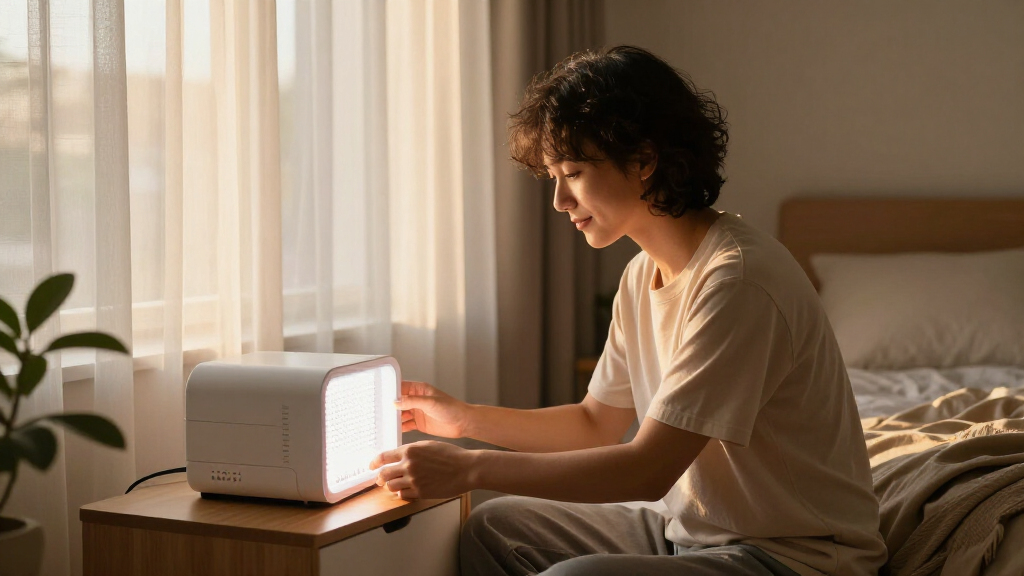
Use a timer or alarm to stay on track and embed the habit into your morning routine.
Be mindful of safety: avoid staring directly into the light and adjust if you experience discomfort.
How Long Should You Sit in Front of a Light Box Each Morning?
In most cases, 20 to 30 minutes of exposure to a 10,000 lux light box in the morning is enough to see real benefits. This isn’t guesswork—it’s based on decades of research. For example, an anonymous researcher notes that this duration aligns well with our natural light intake during early daylight hours.
Now, if you have a lower lux box—say, 2,500 or 5,000 lux—you’ll need to spend more time. A 5,000 lux box might require 45 to 60 minutes to match the impact of a 10,000 lux device. It’s like watering your plants: weaker sunlight means longer sessions.
Understanding why this duration matters is key. Light exposure acts as a cue for your internal clock, signaling it to wake up, suppress melatonin, and prepare for the day. Insufficient exposure may not trigger this response effectively, while too little might lead to minimal benefits. Conversely, excessively long sessions could cause eye strain or discomfort without additional benefit. Therefore, sticking to the recommended window balances efficacy with safety, ensuring your circadian system is properly reset without overexposure. Think of it as tuning an instrument—precision in timing ensures harmony in your biological rhythms.
As an affiliate, we earn on qualifying purchases.
Why 20-30 Minutes Is Your Goldilocks Zone for Light Therapy
Twenty to thirty minutes hits the sweet spot for most people because it provides enough light exposure to effectively send a signal to your circadian system without causing unnecessary strain or discomfort. This duration is supported by numerous studies demonstrating that shorter sessions may not be sufficient to produce significant phase shifts, especially in individuals with irregular schedules or severe circadian misalignment.
Choosing this window also considers practical aspects—it’s long enough to embed into your routine but short enough to maintain consistency, which is crucial for results. For shift workers or those experiencing seasonal affective disorder, this period allows for a meaningful shift in sleep-wake timing or mood regulation without demanding an unrealistic time commitment. The tradeoff here is between efficacy and convenience: longer sessions might seem better theoretically but can lead to fatigue or reduced adherence. Therefore, 20-30 minutes strikes a balance, acting as a reliable, manageable dose that maximizes benefits while minimizing inconvenience, making it more likely you’ll stick with it long-term.
Individual differences matter. Some people with more sensitive eyes or skin might require shorter durations, while others may need slightly longer, especially if using lower lux devices. The key is to understand that this window is not arbitrary but rooted in the way light interacts with your biological clock—enough to influence neurochemical pathways that regulate sleep and mood, but not so much as to cause adverse effects.
light therapy lamp for morning routine
As an affiliate, we earn on qualifying purchases.
As an affiliate, we earn on qualifying purchases.
Understanding Light Intensity and Its Impact on Your Routine
Choosing the right lux level isn’t just about brightness—it influences how long you need to sit in front of the light. Higher lux levels, like 10,000 lux, require shorter sessions, typically 20-30 minutes, making it easier to fit into your morning routine. Lower lux devices necessitate longer exposure, which might be less convenient but equally effective if you stick to the recommended duration.
Practical application: If you have a lower lux device, plan for longer sessions—say, 45-60 minutes—and consider splitting this into two shorter periods if that fits better into your day. Always prioritize consistent timing and duration over intensity to build a sustainable habit. Remember, the goal is to deliver enough light to influence your circadian signals without causing discomfort or eye strain.
Incorporating this understanding into your planning helps you choose a device and schedule that work for your lifestyle, ensuring you get the maximum benefit with minimal hassle.
lux light box for circadian rhythm
As an affiliate, we earn on qualifying purchases.
As an affiliate, we earn on qualifying purchases.
Frequently Asked Questions
Can I use a light box for longer than 30 minutes?
While 20-30 minutes is generally enough, some people with lower lux devices or specific needs may extend sessions up to 45 minutes. However, longer exposure doesn’t necessarily mean better results and could increase the risk of eye strain or headaches. It’s important to listen to your body and consult with a healthcare professional if you’re unsure about extending your session duration.
Is it better to use a light box right after waking or a little later?
Using it within the first hour after waking is most effective because it aligns with your body’s natural circadian cues and helps reinforce wakefulness. Delaying exposure beyond this window may reduce the benefits, as your internal clock begins to shift away from the morning light signal. Consistency in timing is key to maximizing the therapeutic effects and maintaining a stable sleep-wake cycle.
Can I do other things while using the light box?
Yes. Many people find it easiest to combine light therapy with activities like reading, enjoying breakfast, or light stretching. The key is to avoid staring directly into the light for extended periods, which can cause eye strain. Instead, position yourself at an angle, allowing the light to reach your eyes indirectly while you engage in a calming activity, ensuring safety and comfort.
What if I feel eye strain or headaches?
If you experience discomfort, reduce the session duration, increase your distance from the light source, or lower the brightness setting. It’s also helpful to ensure your eyes are closed when turning on or off the device. If symptoms persist despite adjustments, stop using the light box and consult a healthcare professional to rule out underlying issues or to get personalized advice.
Is light therapy safe for everyone?
Most individuals can safely use light therapy, but those with certain eye conditions, photosensitivity, or skin sensitivities should seek medical advice before starting. Following manufacturer guidelines and consulting healthcare providers can help prevent adverse effects. Additionally, people on photosensitive medications should be cautious and discuss their plans with a doctor to avoid potential interactions or complications.
light therapy device for mood improvement
As an affiliate, we earn on qualifying purchases.
As an affiliate, we earn on qualifying purchases.
Conclusion
Building a morning habit with a light box is a practical step toward better sleep, mood, and daily energy. Set aside 20-30 minutes, do it at the same time, and watch as your internal clock begins to thank you.
Imagine a brighter morning, where the soft glow of your light box is the first thing that welcomes you—simple, reliable, and just right for making each day start better.
Halloween Picks
halloween
As an affiliate, we earn on qualifying purchases.