TL;DR

Get wellness gear delivered free with Prime
- Fast, free delivery on millions of items
- Prime Video, Amazon Music and more included
- Member-only deals all year
Managing light exposure—using darkness during sleep and bright light during shifts—helps night workers sleep better and stay alert. Creating a dark, quiet environment and using light therapy can significantly improve your well-being.
Night shift work flips your day upside down. Your body’s natural clock, or circadian rhythm, is wired for daylight and darkness. When you work at night and sleep during the day, your body struggles to keep up, leading to fatigue, poor sleep, and health issues.
But what if you could trick your brain into thinking it’s night when you sleep and day when you work? That’s where light management comes into play. Mastering this balance can help you sleep better, stay alert during your shift, and feel more energized overall.
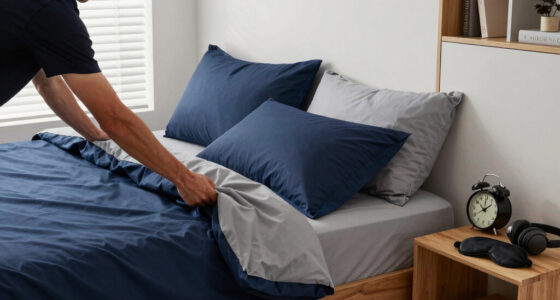
Use blackout curtains or sleep masks to create a dark, quiet sleep space during the day.
Expose yourself to bright, blue-enriched light during your shift for alertness, and wear sunglasses when heading home to wind down.
Maintain a consistent sleep schedule, even on days off, to strengthen your circadian rhythm.
Compare light therapy options—devices versus natural light—and pick what fits your routine best.
Be cautious with light exposure; too much bright light or improper timing can backfire and disrupt your sleep.
Darkness by Day, Light by Night
Night shift sleep strategies begin with one powerful signal: light. Build darkness around daytime sleep, use bright light thoughtfully while working, and reduce exposure on the journey home to help your internal clock follow your schedule.
Teach the brain when “day” begins—and ends
Light exposure influences circadian timing and melatonin. The aim is not maximum brightness all night, but a deliberate sequence that supports work first and sleep afterward.
Supports alertness and signals a wake period.
Sleepiness may ease while attention improves.
Use sunglasses judiciously without compromising safety.
Blackout curtains or a mask block daytime cues.
Darkness, quiet, and cool air reduce disruption.
Make daytime sleep feel like night
Comfort matters, but each change also acts as a biological cue. Control light, noise, and temperature together for a stronger sleep signal.
Block the sun
Install well-fitted blackout curtains and cover light leaks around doors or electronics. Add a comfortable sleep mask as a portable backup.
Mask the daytime
Use earplugs or steady white noise to soften traffic, conversations, and household activity that can trigger micro-awakenings.
Keep it cool
A room near 65–68°F supports the natural temperature drop associated with sleep onset and may make sustained rest more comfortable.
Front-load alertness, then taper the signal
Bright, blue-enriched light can help during work, but poorly timed exposure near the end of a shift may delay the sleep transition.
A practical exposure rhythm
More light is not always better. Excess exposure or light too late in the shift can make daytime sleep harder. Personalized timing may differ by chronotype, shift pattern, eye health, medication, and commute.
Compare light-management options
Pick the option you can use consistently. A controlled device offers repeatability; environmental and wearable tools add convenience and feedback.
| Option | Best use | Control | Portable | Main tradeoff |
|---|---|---|---|---|
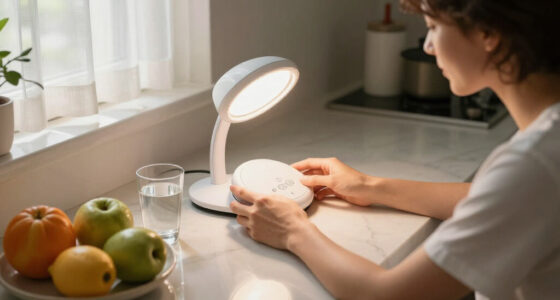
| 10,000-lux light box | Planned shift exposure | ✓ High | ~ Some | Requires careful timing and positioning |
| Bright workspace | Broad alertness support | ~ Medium | ✗ No | Intensity may be uneven or insufficient |
| Natural daylight | Wake-period cue | ✗ Low | ✓ Yes | Weather and timing are unpredictable |
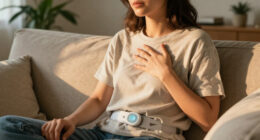
| Wearable light tracker | Pattern awareness | ~ Indirect | ✓ Yes | Measures exposure but may not deliver light |
| Blackout kit | Daytime sleep protection | ✓ High | ~ Mask only | Room setup takes effort and investment |
Best fit beats novelty: start with environmental controls, then add devices or tracking if they solve a specific routine problem.
Anchor the clock with consistency
Stable sleep and wake timing helps the body anticipate rest. On days off, keep changes as modest as your life allows instead of repeatedly flipping between extremes.
Use bright workplace light early and stay engaged.
Reduce unnecessary bright exposure before leaving.
Limit intense light while preserving safe vision.
Avoid caffeine, heavy meals, noise, and bright screens.
Protect a consistent sleep window, including days off.
Darken the room: blackout curtains plus a sleep mask create a stronger daytime sleep signal.
Brighten work deliberately: use blue-enriched or bright light when alertness matters most.
Protect the transition: reduce post-shift light and move into a calm wind-down routine.
Hold the schedule: predictable timing supports circadian stability and sleep architecture.
Personalize carefully: chronotype, shift length, commute, and health needs affect ideal timing.
Up to 50% improvement in sleep quality is the supplied research estimate—not a guaranteed individual result.
Control the cues you can control
TL;DR: Use darkness during daytime sleep, thoughtful bright light during work, reduced light after the shift, and a stable sleep schedule. Together, these cues can support better rest and alertness.
Wearable monitoring and personalized light schedules may refine the routine, but the foundation remains simple: bright for wakefulness, dark for recovery, consistent timing throughout the week.
Health note: Persistent insomnia, severe sleepiness, or safety concerns deserve professional evaluation. Ask a qualified clinician before using melatonin or light therapy if you have eye conditions, bipolar disorder, take photosensitizing medication, or have other relevant health concerns.
Why Light Control Is Your Best Friend as a Night Shifter
Light isn’t just about visibility — it’s the main cue your brain uses to set your internal clock. Bright light during your shift signals alertness, helping you stay focused and perform well. Conversely, darkness when sleeping tells your body it’s time to rest, promoting deeper, more restorative sleep. Managing these signals is crucial because misaligned light exposure can lead to a mismatch between your internal clock and your environment, resulting in sleep problems, fatigue, and even metabolic or cardiovascular issues over time.
Imagine walking into a brightly lit office at 2 a.m. — your brain perceives this as daytime, which can suppress melatonin, the hormone that promotes sleep. This interference can delay sleep onset and reduce sleep quality. On the flip side, pulling curtains or using blackout blinds during the day signals to your body that it’s night, encouraging melatonin production and helping you fall asleep faster and experience more restful sleep. Proper light management essentially helps realign your circadian rhythm with your work schedule, which is vital for long-term health and performance.
According to an anonymous researcher, proper light management can improve sleep quality by up to 50%, easing fatigue and boosting alertness. This significant impact highlights the importance of understanding and applying light strategies thoughtfully, balancing the need for alertness during shifts with restorative sleep afterward.
As an affiliate, we earn on qualifying purchases.
How to Make Your Day Sleep Space Dark and Quiet in 3 Simple Steps
- Install blackout curtains or use a sleep mask to block out sunlight. A thick, blackout curtain can turn your room into a cave, creating an environment that mimics night, which is essential for producing melatonin and achieving quality sleep during the day. Without proper darkness, your body perceives light as a signal to stay awake, disrupting your circadian rhythm and leading to fragmented sleep.
- Keep noise to a minimum. Use earplugs or a white noise machine to drown out daytime sounds like traffic, neighbors’ chatter, or household activities. Noise disturbances can cause micro-awakenings, fragment your sleep cycles, and reduce the amount of REM sleep, which is crucial for memory consolidation and emotional health.
- Set your thermostat to a cool temperature, around 65-68°F. Cooler environments promote the natural drop in core body temperature that signals sleep onset. Overly warm rooms can interfere with this process, making it harder to fall asleep and stay asleep. Cooler temperatures also help your body relax more deeply, leading to restorative sleep essential for daytime fatigue recovery.
Creating an optimal sleep environment isn’t just about comfort — it’s about signaling to your body that it’s time to rest, which can dramatically improve sleep quality and daytime alertness. This environment supports your circadian rhythm by mimicking natural night conditions, helping your body produce melatonin and fall asleep more efficiently. The tradeoff is that maintaining this environment requires effort and investment, but the payoff is more restful sleep and better health over time.
As an affiliate, we earn on qualifying purchases.
Bright Light During Your Shift: How to Stay Alert Without Burning Out
Bright, blue-enriched light is your secret weapon for staying awake and alert during your shift. Exposure to such light suppresses melatonin production, which naturally promotes sleepiness, thus helping you stay focused. Using a light box or a well-lit workspace that provides at least 10,000 lux — roughly the brightness of a clear midday — can simulate daytime conditions and keep your circadian alertness signals active.
For instance, a factory worker uses a portable light therapy device during late-night hours. This targeted exposure helps him maintain high levels of alertness, reducing mistakes and fatigue that often accompany circadian misalignment. It’s important to note that this light exposure should be timed appropriately; overexposure or bright light late in your shift can interfere with your ability to sleep afterward, so plan your light therapy accordingly to optimize alertness without compromising subsequent rest.
Balancing light exposure is key. Using bright light during your shift and reducing light exposure afterward helps reinforce your body’s internal clock, aligning it with your work schedule and improving overall sleep quality and daytime functioning. The tradeoff here is managing exposure carefully—too much light can make it harder to fall asleep later, while too little might not provide enough alertness during your shift.
As an affiliate, we earn on qualifying purchases.
When and How to Wear Sunglasses on Your Way Home
After your shift, exposure to bright light signals your brain to stay alert, which can make winding down for sleep more difficult. Wearing sunglasses during your commute, especially if the environment is brightly lit or sunny, helps block this external cue, tricking your body into perceiving that it’s already night. This reduces alertness and promotes melatonin production, easing the transition into sleep once you arrive home.
This simple yet effective strategy leverages your body’s natural light sensitivity. By limiting light exposure at the right time, you help reset your internal clock, making it easier to fall asleep during the day. For example, a security guard wears sunglasses after his midnight shift, reducing his exposure to sunlight and artificial bright lights, which helps him wind down faster and improves sleep quality during the day.
However, it’s essential to wear sunglasses properly—only during your commute or when exposed to bright environments—and not excessively, as it could delay your circadian adjustment or cause safety issues. The key is to balance light exposure: enough to promote your sleep cycle while maintaining safety and awareness during your journey home. Overdoing it might cause you to miss important visual cues or jeopardize safety, so use sunglasses judiciously.
As an affiliate, we earn on qualifying purchases.
Why Consistent Sleep Schedules Matter, Even on Days Off
Keeping your sleep and wake times consistent helps anchor your circadian rhythm, making it more resilient to disruptions caused by irregular schedules. When your body recognizes a predictable pattern, it can optimize hormone release, body temperature, and sleep architecture, leading to more restorative sleep and better daytime alertness. Conversely, irregular sleep patterns—such as staying up late on days off—can cause a state of chronic circadian misalignment, resulting in sleep difficulties, increased fatigue, and long-term health risks like metabolic syndrome or cardiovascular disease.
One night-shift worker I know maintains the same sleep and wake times, even on weekends. This consistency helps her body anticipate sleep, leading to quicker sleep onset and deeper sleep quality. Over time, this regularity enhances her overall health and energy levels, making her more effective both at work and in personal life.
According to an anonymous researcher, regular sleep timing not only improves sleep quality but also supports metabolic health, immune function, and mental well-being. For shift workers, establishing and sticking to a routine—even if it means sacrificing some social flexibility—can significantly reduce health risks and improve quality of life.
Compare Your Options: Light Therapy Devices vs. Natural Light
| Feature | Light Therapy Devices | Natural Light |
|---|---|---|
| Availability | Portable, indoor, reliable | Dependent on weather and time of day |
| Intensity | Up to 10,000 lux | Usually less intense, varies with weather and season |
| Convenience | Can be used during breaks or at home, offering consistent exposure regardless of outdoor conditions | Limited to daytime, outdoors, and subject to weather variability which can impact consistency |
| Cost | Range from affordable to high-end, but initial investment can be worthwhile for consistent exposure | Free, but weather-dependent and less reliable for routine use |
What to Watch Out for When Managing Light as a Shift Worker
Overexposure to bright light at night can cause eye strain, headaches, and disrupt your sleep later by suppressing melatonin when you need it most. Excessive or poorly timed light exposure can also lead to circadian misalignment, making it harder to fall asleep or achieve deep, restorative sleep. Always use light therapy devices as directed, and avoid staring directly into bright sources for prolonged periods, as this can cause discomfort or damage.
Similarly, wearing sunglasses when leaving your shift helps your body wind down by limiting light cues that keep you alert. However, it’s essential to wear them properly—only during your commute or in brightly lit environments—and avoid overusing them, which might delay your circadian adaptation or cause safety issues during travel. The key is balancing light exposure: enough to promote alertness during work but not so much that it hampers your ability to sleep afterward. Everyone’s sensitivity to light varies, so pay attention to how your body reacts and adjust your routines accordingly to avoid negative effects while supporting your internal clock.
Frequently Asked Questions
How can I sleep better during the day when working night shifts?
Use blackout curtains or a sleep mask to block out sunlight, keep your room cool and quiet, and stick to a consistent sleep schedule even on days off. These steps help your body recognize it’s time to rest.What kind of light should I use to stay alert during my shift?
Bright, blue-enriched light—around 10,000 lux—can boost alertness. Use a light therapy box or ensure your workspace is well-lit to simulate daytime, helping you stay focused.Is it safe to take melatonin to adjust my sleep cycle?
Melatonin can be helpful for some shift workers, but it’s best to consult a healthcare professional. Use it cautiously and follow recommended doses to avoid disrupting your natural rhythm.How can I minimize health risks associated with night shift work?
Prioritize sleep hygiene, manage your light exposure, eat healthy, stay active, and schedule regular health check-ups. Small habits add up to a healthier, more balanced life.Are there specific tools or devices that can help?
Yes, light therapy boxes, wearable sleep trackers, and apps that monitor light exposure and sleep patterns can help you fine-tune your routine for better sleep and alertness.Conclusion
Managing light isn’t just about flipping a switch — it’s about telling your body what time it is. Use darkness to rest, brightness to stay alert, and keep your routine steady. Your body craves predictability, even in chaos.
Picture your perfect daytime nap — dark, cool, quiet. That’s your secret weapon against fatigue. Remember, small daily choices about light can make a big difference in how you feel. So, be deliberate, be consistent, and give your body what it needs to thrive in your night shift life.
Cold & flu season Picks
humidifiers
As an affiliate, we earn on qualifying purchases.