TL;DR

Get wellness gear delivered free with Prime
- Fast, free delivery on millions of items
- Prime Video, Amazon Music and more included
- Member-only deals all year
Wearing sunglasses after a night shift can reduce morning light exposure, aiding sleep, but safety depends on conditions. Choose the right lenses and prioritize visibility to stay safe during your drive home.
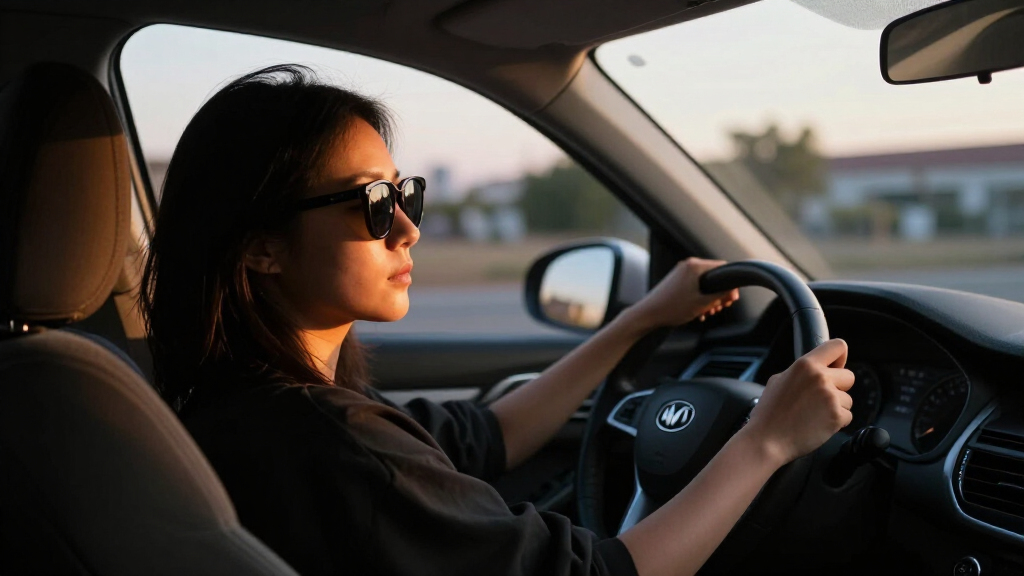
Imagine stepping into your car after a long night shift. The sun is just rising, casting a golden glow through the windshield. Should you wear sunglasses? It’s tempting—reducing light to help your body wind down for sleep sounds logical. But the truth is, managing light during your drive isn’t just about comfort; it’s about safety and supporting your biological clock.
This guide will explain how sunglasses influence your circadian rhythm, when they can protect your sleep, and when they might put you at risk on the road. You’ll learn practical tips to balance alertness, visibility, and your sleep health—so you arrive home safely and ready for rest.
Choose moderate-tinted, gray or brown lenses that preserve color and brightness for safe driving after a night shift.
Remove sunglasses in tunnels, cloudy conditions, and whenever visibility drops below a safe level to prevent accidents.
Wearing sunglasses can support your sleep by reducing morning light exposure, but only when conditions are bright and safe.
Never rely solely on sunglasses or light management if you feel dangerously sleepy—stop and rest instead.
Balance circadian support with safety by planning your drive, adjusting your environment, and listening to your body’s signals.
Night Shift Commute: Sunglasses and the Drive Home
You clock out at dawn, and the rising sun pours through the windshield. Sunglasses can dim that morning light and help your body wind down for sleep — but only when road conditions allow it. This is the tradeoff between circadian support and driving safety, explained.
Pick the Right Lenses for the Drive Home
Lens GuideNot all sunglasses are created equal for driving. The goal: cut glare and reduce light without distorting colors or darkening your view of hazards. Here’s what each feature does — and where it can fail.
Moderate Tint — Gray or Brown
Neutral tints preserve natural color perception and brightness. A gray-tinted lens at dawn relaxes your eyes without sacrificing the ability to spot a cyclist or a stop sign in time.
UV Protection
Blocks harmful ultraviolet rays, especially in low-angle early morning sun. But note: UV protection alone does not indicate any meaningful reduction of circadian light.
Polarization
Reduces glare from reflective surfaces like wet roads — but can make reading dashboard displays and some LCD screens tricky while driving.
Strong Amber, Red, or Blue Tints
These distort color perception, making traffic lights, brake lights, signs, and hazard markings harder to identify. Category 4 dark lenses are unsuitable for driving altogether.
The Morning Commute Decision Chain
Step by StepA safe, circadian-smart drive home follows a simple sequence. Sunglasses are a tool within it — never a substitute for judgment.
Check Yourself
Dangerously sleepy? Drifting lanes, missing exits, can’t recall the last miles? Stop and rest — shades won’t save you.
Assess the Light
Clear and bright with sun in your eyes? Moderate-tint lenses can help. Overcast, dawn, or dim? Keep them off.
Drive Vigilantly
Watch for changing conditions. Entering a tunnel or losing light? Remove sunglasses immediately and switch to clear lenses.
Wind Down at Home
Blackout curtains, a dark quiet bedroom, and a consistent sleep window finish the job the sunglasses started.
When to Wear Them — and When to Take Them Off
Condition Table| Condition | What Happens | Verdict |
|---|---|---|
| Bright, clear sunrise | Strong alerting light suppresses melatonin. Moderate tint reduces exposure while keeping hazards visible. | ✓ Wear — moderate gray/brown |
| Low-angle sun glare | Glare impairs vision and comfort. Polarized or tinted lenses cut reflections from windshields and pavement. | ✓ Wear — glare control helps |
| Overcast / cloudy | Ambient light is already low; tints can conceal pedestrians, cyclists, and road debris. | ✗ Remove immediately |
| Tunnels & shaded roads | Light levels drop sharply. Dark lenses turn a safe transition into a hazard. | ✗ Remove before entering |
| Dawn, dim light | Limited visibility is the dominant risk — clear vision beats circadian benefits. | ✗ Keep them off |
| Heavy fatigue | Sunglasses may even remove light’s temporary alerting effect. No lens compensates for sleep deprivation. | ✗ Stop driving — rest first |
How Commute Light Shapes Your Sleep
Circadian ScienceBright morning light does two things at once: it makes you more alert for the drive, and it pushes your body toward a daytime schedule — the exact opposite of what a night worker needs before daytime sleep. Short-wavelength blue light is the strongest signal, acting on retinal pathways that regulate melatonin whether or not you consciously notice the brightness.
The Tradeoff, Stated Plainly
Key InsightBright morning light makes the commute safer and the sleep harder.
That is the genuine conflict at the heart of the night shift drive home. The same light that keeps you alert behind the wheel is the light that suppresses melatonin and delays your sleep onset once you’re home.
The resolution: use moderate-tinted lenses only when visibility is excellent, remove them the moment light drops, and lean on the more reliable tools — blackout curtains, a consistent sleep window, carefully timed caffeine, planned naps, and bright workplace lighting used at the right time. For rotating workers returning to day schedules on days off, prioritizing recovery sleep may beat aggressive circadian shifting entirely.
Five Takeaways for the Drive Home
SummaryChoose neutral, moderate tints
Gray or brown lenses preserve color and brightness recognition — essential for reading signals, signs, and hazards.
Remove shades when light drops
In tunnels, overcast conditions, or dim dawn light, take them off instantly. Keep a clear pair or clip-on within reach.
Sunglasses support sleep — conditionally
Reducing morning light exposure can ease the transition to daytime sleep, but only when conditions are bright and safe.
Never drive through severe fatigue
Open windows, loud music, and caffeine offer at best temporary help — and no protection against microsleeps. Stop and rest.
Balance is a plan, not an impulse
Plan your commute, prep your environment, listen to your body’s signals — and if a brief pre-drive nap helps, allow sleep inertia to pass before departing. If insomnia or sleepiness persists, seek medical evaluation.
How sunglasses can support your sleep without risking safety
The key is understanding how light influences your internal clock and your driving safety. Bright morning light signals your brain that it’s daytime, boosting alertness but making it harder to fall asleep after a shift. Wearing sunglasses can cut down on that light, helping you wind down faster. But only when the conditions are right.
For instance, if it’s a clear, sunny morning and you’re driving through a suburban neighborhood, a pair of moderate-tinted sunglasses can reduce the amount of light hitting your eyes, helping your body to relax for sleep. The shades act like a dimmer switch—calming your circadian system without impairing your ability to see the road clearly.
However, if the sky is cloudy or it’s dawn with low light levels, sunglasses might do more harm than good. They can obscure your view of pedestrians, cyclists, or road hazards, and increase your risk of accidents. It’s all about choosing the right moment and the right lenses.
polarized driving sunglasses for night shift
As an affiliate, we earn on qualifying purchases.
As an affiliate, we earn on qualifying purchases.
Pick the right sunglasses for driving after a night shift
Not all sunglasses are created equal when it comes to driving safety. The goal is to pick lenses that cut glare and reduce light without distorting colors or darkening your view too much. Here’s what to look for:
- Moderate tint: Lenses with a gray or brown tint are best—they preserve natural color perception and brightness.
- UV protection: Essential for blocking harmful ultraviolet rays, especially in early morning or late afternoon sun.
- Color recognition: Avoid overly amber, red, or blue lenses—they can distort traffic signals and signs.
- Polarization: Reduces glare from reflective surfaces, but can make reading dashboard displays tricky.
Choosing the right sunglasses involves understanding how each feature impacts both your safety and your circadian regulation. A lens that is too dark or heavily tinted might seem beneficial for blocking light, but it can significantly impair your ability to see critical details on the road, especially in transitional lighting conditions. Conversely, lenses with a balanced tint can help manage light exposure while maintaining essential visual acuity. For example, a driver leaving work at dawn might choose a pair of gray-tinted sunglasses to balance light reduction and visibility. This choice helps relax your eyes without sacrificing the ability to quickly identify a cyclist or a stop sign, which is crucial for safety and effective circadian management.
light tint driving sunglasses for early morning
As an affiliate, we earn on qualifying purchases.
As an affiliate, we earn on qualifying purchases.
When to remove sunglasses during your drive home
Wearing sunglasses all the way home isn’t always safe. As ambient light increases—say, the sun rises higher or clouds lift—your lenses might become too dark, impairing your ability to see hazards clearly. The rule of thumb is: remove your sunglasses as soon as visibility drops below a safe level.
For example, if you’re driving through a tunnel or it’s overcast, take off your shades. Similarly, if you notice pedestrians, road debris, or changing traffic lights, clear vision is critical. Relying solely on tinted lenses to maintain your night-shift-induced circadian advantage can backfire if you lose sight of important visual cues. Good visibility isn’t just about comfort—it’s about being able to react swiftly to unexpected situations, which can prevent accidents and ensure your safety. In practice, keep a spare pair of glasses or a quick-to-remove clip-on in your car. That way, you can switch from sunglasses to regular glasses or lightweight clear lenses promptly, ensuring you adapt to changing light conditions without compromising safety or your circadian rhythm.
safety sunglasses for daytime driving
As an affiliate, we earn on qualifying purchases.
As an affiliate, we earn on qualifying purchases.
How light exposure during your commute affects your sleep and alertness
Light exposure during your drive influences both how alert you feel now and how easily you sleep later. Bright morning light signals your body that it’s daytime, boosting alertness temporarily. But for night workers trying to sleep after a shift, that same light can make it harder to wind down.
Research shows that exposure to blue-enriched, short-wavelength light is particularly impactful on your circadian clock because it directly influences the retinal pathways that regulate melatonin production. Even if you don’t consciously notice it, your body reacts to this light, suppressing melatonin and delaying sleep onset. Wearing sunglasses that filter out blue light can help reduce that signal, supporting your sleep schedule. Consider a scenario: you finish work at 6 a.m., and it’s a bright sunny day. Wearing blue-blocking sunglasses can cut down on that alerting light—helping your body prepare for sleep once you get home. But if you’re driving in low light or overcast conditions, it’s better to remove the shades for safety and clarity. The key is understanding that light’s impact on your circadian rhythm is nuanced: managing it carefully can mean the difference between restful sleep and ongoing fatigue or alertness issues.
As an affiliate, we earn on qualifying purchases.
Balancing safety and circadian health on your commute
The biggest challenge is finding the sweet spot between staying safe and supporting your sleep. Safety always comes first. If visibility is compromised, it’s better to remove sunglasses, turn on your headlights, or even stop until conditions improve. Neglecting this balance can lead to accidents that not only harm you but also compromise your circadian health by causing stress and fatigue from avoidable crashes.
However, you can still manage your circadian rhythm by controlling light exposure at home and at the workplace. Using blackout curtains or dimming indoor lights before leaving can help suppress morning light and prepare your body for sleep. When you get in the car, choose a pair of moderate-tinted sunglasses for sunny conditions, and remove them in low light or tunnels. This approach minimizes the tradeoff between alertness and safety, ensuring you aren’t caught in a dilemma where safety is compromised for circadian benefits. For example, a nurse driving home after a night shift might wear lightly tinted glasses in clear weather, but immediately remove them when entering a dim tunnel. Combining strategic light management with vigilant driving habits creates a balanced approach—supporting your sleep health while maintaining safety on the road.
What to do if you’re dangerously sleepy behind the wheel
If you feel drowsy, no amount of sunglasses will make driving safe. The moment sleepiness hits, the best move is to stop. Find a safe place—rest area, parking lot, or a friend’s house—and take a nap or rest until you’re alert again. Recognizing the signs of sleepiness early can make the difference between a safe drive and a potentially deadly accident. Short naps of 20 minutes can boost alertness significantly by reducing sleep pressure and restoring cognitive function. But beware of sleep inertia—the groggy feeling after waking—so give yourself at least 10–15 minutes to fully wake before driving again. Trying to push through drowsiness, even with sunglasses, greatly increases your risk of microsleeps and accidents. Prioritize safety over schedule. Your body’s signals are warning you—heed them. Ignoring these signs can have serious consequences, including falls asleep at the wheel, which is why proactive rest is essential for anyone returning from a night shift.
Conclusion
Your drive home from a night shift is more than just a commute. It’s a delicate dance between supporting your sleep and staying safe. Sunglasses, when used thoughtfully, can help you wind down, but they’re not a license to ignore visibility or fatigue.
Prioritize safety above all—if your eyes aren’t fully alert, don’t hesitate to pull over or find alternative transportation. After all, a good night’s sleep isn’t just about feeling rested; it’s about arriving alive and ready for your next shift or well-earned rest.
Cold & flu season Picks
humidifiers
As an affiliate, we earn on qualifying purchases.