TL;DR
Listen free for 30 days with Audible
Thousands of audiobooks and originals — cancel anytime.
Start your free trialAs an affiliate, we earn on qualifying purchases.
Hot sleepers tend to overheat during the night, but layering breathable, moisture-wicking bedding can help. Using lightweight sheets, cooling toppers, and optimal room temp makes a big difference in staying cool and comfortable.
Ever wake up drenched in sweat, fighting to cool down? You’re not alone. Hot sleepers often struggle with nighttime overheating, which disrupts rest and leaves you exhausted. The secret isn’t just in your room temperature — it’s in how you layer your bedding. Choosing the right materials and layering techniques can turn your bed into a cool, restful oasis.
This guide breaks down what works best for hot sleepers. From breathable fabrics to clever layering tricks, you’ll learn how to stay cool without sacrificing comfort. Ready to stop tossing and turning? Let’s dive in.
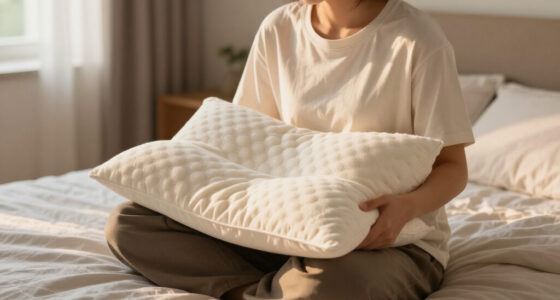
Layer lightweight, breathable bedding to promote better airflow during sleep.
Choose natural fabrics like cotton, linen, and bamboo over synthetic materials for cooling benefits.
Use multiple thin layers rather than one heavy blanket to prevent heat buildup.
Incorporate cooling toppers and accessories, such as gel-infused foam or breathable pillows, to enhance comfort.
Keep your sleep environment cool with fans, air conditioning, and a well-ventilated room for best results.
Build a Cooler Bed, One Breathable Layer at a Time
TL;DR: Hot sleepers overheat when bedding traps body heat and moisture. The fix is not one magic blanket: it is a flexible stack of lightweight sheets, breathable natural fabrics, cooling toppers, and a room held near the ideal sleep temperature.
Cool ambient air supports the bedding system instead of making layers do all the work.
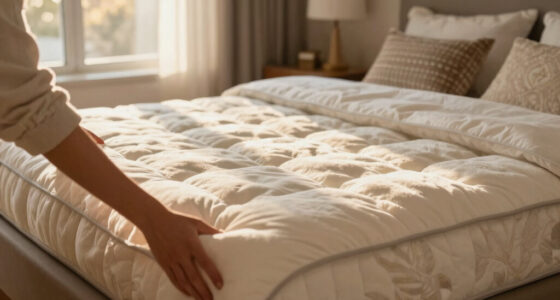
Multiple light layers let air move and make it easy to peel back warmth during the night.
One heavy cover traps heat. A breathable stack releases it.
What Belongs Closest to Your Skin
Fabric choice is the first cooling decision. Hot sleepers need materials that breathe, move moisture away from the body, and avoid the clammy barrier effect common with polyester or microfiber.
Cotton Percale
Crisp, lightweight, breathable. Percale’s plain weave leaves room for airflow and gives sheets that cool, hotel-bed feel.
Linen
Airy and absorbent. Linen releases heat quickly, absorbs sweat, and gets softer without losing its dry-touch texture.
Bamboo & Tencel
Silky but not stuffy. These fibers wick moisture well and suit sleepers who want softness without a heat-trapping feel.
Breathability Scorecard
Use this as a quick material filter before buying sheets, blankets, or quilt layers. Natural fibers usually win for heat release, while synthetics need careful scrutiny.
The Layer Stack Hot Sleepers Swear By
The goal is flexibility: a bed that can cool down quickly when you start to overheat, without leaving you uncovered when the room dips colder before dawn.
Start Crisp
Use cotton percale, linen, bamboo, or Tencel sheets as the cooling base.
Add Thin
Choose a light quilt or moisture-wicking blanket instead of a dense duvet.
Keep Backup
Place a lightweight throw nearby for temperature dips, not as the default layer.
Adjust Fast
Peel one layer at a time so heat escapes before sweat disrupts sleep.
Breathable vs. Heat-Trapping Bedding
The wrong material can feel soft in the store and still sleep hot at 2 a.m. Compare the bedding behavior that matters most once your body temperature rises.
| Feature | Breathable Bedding | Heat-Trapping Bedding | Hot Sleeper Verdict |
|---|---|---|---|
| Material | ✓ Cotton, linen, bamboo, Tencel | ✗ Polyester, microfiber, dense synthetics | Choose natural or engineered cooling fibers. |
| Airflow | ✓ High circulation | ✗ Low circulation | Air gaps help release body heat. |
| Moisture | ✓ Wicks or absorbs sweat | ~ Often holds moisture near skin | Dry-touch bedding reduces wakeups. |
| Best Use | ✓ Summer, warm rooms, night sweats | ~ Cold climates or winter layering | Match warmth to your room, not the season alone. |
Accessory Upgrade Path
If breathable bedding helps but does not solve overheating, add cooling support at the mattress and pillow level. These pieces actively move heat away or improve airflow around pressure points.
- AGel-infused memory foam toppers absorb and disperse surface heat for a cooler mattress feel.
- BBreathable latex toppers use an open-cell structure that promotes airflow and resilient support.
- CCooling pillows reduce heat buildup around the head and neck, a common hot zone.
- DFans or cooling pads help regulate ambient air and mattress surface temperature.
Cooling Bedding Technology to Watch
Newer sleep products are shifting from passive breathability to active temperature regulation, especially for sleepers who run hot even in a cooled room.
Absorb, Then Release
PCM fabrics absorb excess body heat as you warm up and release it as you cool down, smoothing out overnight temperature spikes.
Sensor-Led Cooling
Some systems monitor sleep conditions and adjust temperature zones, useful for couples with different comfort needs.
Surface Relief
Gel foam, ventilated latex, and hybrid toppers can lower the felt temperature where your body contacts the mattress.
Linen, Hemp, Bamboo
Sustainable fibers are gaining attention because they combine airflow, moisture handling, and lower-impact sourcing.
Room Temperature Sweet Spot
Trace the Cooler Sleep Chain
Cool sleep works best as a connected system: breathable contact layers, adjustable warmth, supportive accessories, and a ventilated room.
What fabrics keep you cool and why they matter
When it comes to bedding, fabric choice is everything. Hot sleepers need materials that breathe and wick moisture away. Cotton and linen are top picks — their open fibers allow air to flow freely, helping your body shed heat. Natural fibers like these also absorb sweat, keeping you dry and comfortable.
Choosing fabrics that breathe isn’t just about comfort; it directly impacts your sleep quality. Trapped heat can cause you to wake up multiple times, disrupting your sleep cycles and leading to fatigue. Conversely, breathable fabrics facilitate heat dissipation, allowing your body to maintain a steady temperature and reducing wakefulness.
Suppose you’re shopping for sheets. Look for percale or linen weaves—they’re crisp, lightweight, and breathable. In contrast, polyester or microfiber sheets trap heat and moisture, making you feel hotter during the night. These synthetic options may seem soft initially but can create a barrier that traps heat, leading to discomfort and poor sleep.
Pro tip: Bamboo and Tencel fabrics combine softness with moisture-wicking, making them excellent choices for hot sleepers seeking a silky feel without the heat buildup. These fibers are engineered to draw moisture away from the skin and promote airflow, which is crucial for maintaining a cool sleeping environment.

Bedsure PureWoven 100% Rayon Derived from Bamboo, Queen Sheets, 4 Pieces
- Award-Winning Cooling Technology: Breathable, moisture-wicking bamboo rayon sheets
- 100% Rayon from Bamboo: Soft, cool, and skin-friendly fabric
- Certified Safe and Eco-Friendly: OEKO-TEX Standard 100 certified
As an affiliate, we earn on qualifying purchases.
As an affiliate, we earn on qualifying purchases.
Layering strategies hot sleepers swear by
Hot sleepers benefit from lightweight, multiple layers rather than one heavy blanket. Think of it like a sandwich — air slips between the layers, helping you stay cool. But why is this more effective? Multiple thin layers allow for micro-adjustments throughout the night, giving you control over your comfort. Heavy blankets trap heat and can create a barrier that prevents heat from escaping, leading to overheating. Conversely, layers made of breathable materials facilitate continuous airflow, helping your body release excess heat.
Here’s a simple plan:
- Start with breathable sheets made from cotton or linen. These serve as the foundation for heat dissipation.
- Add a thin, moisture-wicking blanket or quilt. This layer helps manage sweat without adding bulk or trapping heat.
- Keep a lightweight comforter or throw nearby for when it gets colder. This way, you can easily adjust based on your temperature fluctuations during the night.
- Adjust by removing or adding layers as needed. Flexibility is key; don’t be tied to a single heavy covering that traps heat when you start to overheat.
Imagine a summer night when you toss aside your heavy duvet for a cool, airy sheet and a light cover. This strategy prevents heat buildup while maintaining comfort. The tradeoff is the need for active management — you must be attentive to your body’s signals and adjust layers accordingly. This approach minimizes the risk of waking up overheated and helps sustain a consistent, cooler core temperature throughout the night.
Remember: the goal is flexibility. You want to easily peel off layers if you start to overheat, rather than struggle with bulky bedding. This method promotes better sleep quality by balancing insulation and airflow, reducing the chances of night sweats and discomfort.

Niagara Sleep Solution Ultra Soft & Cooling Mattress Topper – Full Size
- Material: Rayon derived from bamboo fiber
- Size: 54×75 inches, fits 8-20 inch mattresses
- Softness: Ultra-soft and gentle on skin
As an affiliate, we earn on qualifying purchases.
As an affiliate, we earn on qualifying purchases.
Compare bedding options: breathable vs. trapping heat
| Feature | Breathable Bedding | Traps Heat |
|---|---|---|
| Material | Cotton, linen, bamboo | Polyester, microfiber |
| Airflow | High | Low |
| Moisture-wicking | Yes | Rare or poor |
| Best for | Hot sleepers, summer nights | Cold climates, winter |
Choosing the right bedding depends on your sleep environment and how much heat you generate. Natural fabrics like cotton, linen, and bamboo excel at allowing heat to escape, creating a cooling effect that’s essential for hot sleepers. Synthetic fabrics, on the other hand, often trap heat and moisture, which can lead to night sweats and restless sleep. The tradeoff is that synthetic materials may be more durable or easier to care for, but at the expense of comfort when overheating is a concern. Therefore, understanding your personal environment and preferences helps you select bedding that optimizes airflow and moisture management, ultimately supporting a cooler night’s sleep.
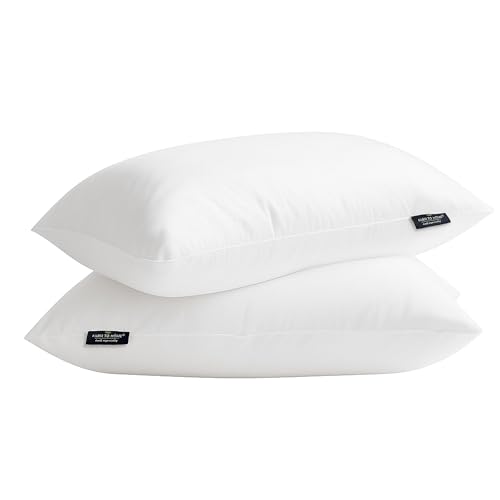
Farm To Home 100% Organic Cotton Cover Pillows Queen/Jumbo Size Set of 2
- Comfort Level: Medium-soft for all sleep positions
- Cover Material: Breathable organic cotton cover
- Fill Material: Hypoallergenic recycled polyester fill
As an affiliate, we earn on qualifying purchases.
As an affiliate, we earn on qualifying purchases.
How to add cooling toppers and accessories
If traditional bedding isn’t enough, cooling accessories can make a big difference. Think of these as the cherry on top of your cooling strategy. They work by actively drawing heat away from your body or enhancing airflow around your sleeping area, which can be especially beneficial during hot spells or in warm climates.
- Gel-infused memory foam toppers: absorb heat and dissipate it quickly, reducing surface temperature and preventing heat buildup. They work by incorporating phase-change materials that absorb excess heat as you sleep.
- Breathable latex toppers: naturally cool and resilient. Latex has an open-cell structure that promotes airflow, and some are infused with cooling gels for additional effect.
- Cooling pillows: made with gel or breathable covers to prevent heat buildup. Proper pillow choice supports head and neck comfort without trapping heat, which can cause discomfort and disrupt sleep.
- Sleep fans or mattress cooling pads: help regulate ambient temperature by circulating air or cooling the mattress surface directly. These devices can be particularly effective in hot, humid environments where room cooling alone isn’t sufficient.
For example, placing a gel-infused topper on your mattress can lower surface temperature by several degrees, helping you stay cooler all night. This not only improves comfort but also reduces the likelihood of waking up sweaty or overheated, allowing for more restful sleep. Combining these accessories with breathable bedding and a cool room environment maximizes their effectiveness and creates a comprehensive cooling system tailored to hot sleepers’ needs.
In essence, these tools are investments in your sleep quality, providing active cooling support that complements passive strategies like fabric choice and room temperature management.

Bedsure PureWoven 100% Cotton Muslin Blanket 8-Layer, King, Linen Beige
- Premium 8-Layer Design: Thicker, breathable 460 GSM cotton muslin
- Gentle on Skin: Softens with each wash, OEKO-TEX certified
- Night Sweat Relief: Wicks moisture and regulates temperature
As an affiliate, we earn on qualifying purchases.
As an affiliate, we earn on qualifying purchases.
What’s new in cooling bedding technology
Manufacturers are pushing the boundaries with new tech that actively helps you stay cool. One breakthrough is phase-change materials (PCMs). These fabrics absorb excess heat during the night and release it as you cool down, maintaining a more consistent sleep temperature. This prevents the typical temperature spikes that cause discomfort and frequent waking.
Smart bedding with embedded sensors can now monitor your sleep and adjust temperature automatically, similar to how smart thermostats work. This real-time responsiveness ensures optimal comfort throughout the night, reducing the need for manual adjustments. Meanwhile, gel-infused foams and breathable latex are becoming more refined, offering better cooling without sacrificing comfort. These innovations often combine multiple technologies to deliver a cooler, more stable sleep environment.
Imagine lying on a pillow that senses your heat and cools itself, or a mattress that adjusts firmness based on your body temperature. These advancements aim to eliminate the overheating issues that many hot sleepers face, making it possible to enjoy a restful night regardless of external conditions. As these technologies become more affordable and widespread, they are poised to revolutionize how we approach sleep comfort for hot sleepers.
What to avoid if you overheat at night
Heavy, insulating bedding is your enemy. Thick comforters, plush blankets, or synthetic sheets trap heat, making it harder to cool down. If you tend to overheat, steer clear of these because they create a barrier that prevents heat from escaping, trapping your body heat and raising your core temperature. This can lead to frequent awakenings, night sweats, and restless sleep.
Also, avoid sleeping in non-breathable pajamas or sleepwear. Opt for loose, lightweight, natural fibers that allow heat and moisture to escape, promoting a cooler body temperature. Tight or synthetic sleepwear can trap heat close to your skin, exacerbating overheating.
For example, swapping a thick duvet for a light sheet and thin blanket can significantly reduce your nighttime temperature. This simple change can prevent heat buildup and support more stable sleep cycles. The key tradeoff here is comfort versus insulation — lighter bedding may feel less cozy initially but offers far better thermal regulation for hot sleepers. Less insulation means fewer disruptions caused by overheating, leading to deeper, more restorative sleep.
Remember: less is more when it comes to heat retention. Prioritize breathable, lightweight options and avoid anything that acts as a heat trap.
Quick tips for staying cool all night
- Use a fan or air conditioning to lower ambient temp, creating a cooler environment that facilitates heat dissipation.
- Sleep on breathable sheets made from cotton or linen, which enhance airflow and moisture evaporation.
- Keep a lightweight blanket nearby to add or remove easily, allowing micro-adjustments as your body temperature fluctuates.
- Wear loose, natural sleepwear to help heat escape and prevent trapping body heat.
- Place a damp cloth or cooling pad on your forehead for instant relief if you start feeling overheated.
Imagine slipping under a crisp sheet, feeling the cool fabric against your skin. Paired with a gentle breeze or a fan, these small steps can transform your sleep experience by actively reducing your body’s heat and promoting comfort throughout the night.
Frequently Asked Questions
What are the best materials for hot sleepers?
Cotton, linen, bamboo, and Tencel are top choices. They breathe well, wick moisture, and help keep your body cool throughout the night.
How can I stay cool throughout the night?
Use breathable sheets, lightweight blankets, and cooling toppers. Keep your room between 60-67°F (15-19°C) and consider fans or air conditioning for extra help.
Are cooling pillows effective?
Yes, pillows made from gel-infused foam or with breathable covers prevent heat from building up, keeping your head cool and comfortable.
Should I avoid any bedding items?
Heavy comforters, thick blankets, and synthetic sheets that trap heat should be avoided if you tend to overheat. Opt for lighter, natural fabrics instead.
What are some natural remedies for hot sleepers?
Staying well-hydrated, sleeping in a cool room, and wearing loose, breathable sleepwear can help reduce overheating during the night.
Conclusion
Hot sleepers don’t have to suffer through sleepless nights. The right layering approach — with breathable fabrics and adjustable options — can turn your bed into a cool haven. Think of your bedding as a carefully curated wardrobe for your sleep; light, flexible, and suited to your needs.
Next time you hit the sheets, remember: a few smart choices can make all the difference. Your perfect, cool night’s sleep is within reach — just layer up wisely and stay cool.
Grilling season Picks
grills
As an affiliate, we earn on qualifying purchases.