TL;DR

Get wellness gear delivered free with Prime
- Fast, free delivery on millions of items
- Prime Video, Amazon Music and more included
- Member-only deals all year
Mattress toppers can extend your mattress life and improve sleep comfort, especially if chosen for your specific needs. Focus on material, thickness, and breathability to make the best choice.
Ever wake up feeling more tired than when you went to bed? Sometimes, it’s not your mattress — it’s what’s on top of it. Mattress toppers are like a secret upgrade for your bed, offering extra comfort, support, or temperature control without the hefty price tag of buying a new mattress.
If you’ve ever hesitated because you didn’t know whether a topper could really help or what to look for, you’re not alone. This guide will walk you through when toppers truly make a difference and how to pick one that fits your sleep style and needs.
A mattress topper can add 3-8 years of life to your mattress and improve sleep comfort.
Material choice influences feel, support, and durability—memory foam vs. latex vs. down each have pros and cons.
Thickness and firmness should match your sleep position and existing mattress to optimize comfort.
Look for features like breathability, ease of cleaning, and proper sizing to extend longevity.
Latest tech like cooling gels and smart sensors are making toppers more effective and personalized.
Mattress Toppers: When They Help and What to Look For
A mattress topper can be the practical middle path between “live with it” and “buy a whole new bed.” The right layer can add comfort, support, pressure relief, or cooling without replacing your mattress.
A well-chosen topper can protect the sleep surface and delay full mattress replacement.
Material quality, density, cleaning, and nightly use determine how long support lasts.
Choose for your specific sleep problem first: pressure, heat, firmness, movement, or mattress wear.
Softens a too-firm bed or adds contouring to pressure zones.
Higher-density foam or latex usually holds shape longer.
Thicker toppers add more cushioning and change the bed feel more dramatically.
Ventilation, gel, and phase-change materials help reduce heat buildup.
Use a topper when the mattress is close, but not quite right.
Toppers work best when your mattress still has a stable base but needs a better surface feel. They can reduce pressure points, improve temperature regulation, add softness, or create firmer support on top of an overly plush bed.
Side sleeper relief
Memory foam or softer latex can cushion hips and shoulders while helping the spine rest in a more neutral position.
Hot sleep control
Gel-infused, ventilated, or phase-change toppers can move heat away from the body more effectively than dense foam alone.
Surface refresh
A topper can smooth mild lumps or firmness problems, but it cannot fix a deeply sagging or structurally broken mattress.
Material decides the feel, support, and durability.
Memory foam, latex, down, fiberfill, and cooling foams solve different problems. Start with how you want the bed to respond, then compare support, upkeep, and breathability.
| Material | Feel | Support | Best for | Durability signal |
|---|---|---|---|---|
| Memory foam | Soft, contouring, motion-isolating | ✓ Pressure relief | Back pain, side sleepers, pressure points | Look for higher density foam |
| Latex | Responsive, buoyant, resilient | ✓ Supportive | Allergies, durability, easier movement | Natural latex often lasts longer |
| Down or feather | Cloud-like, plush, luxurious | ✗ Less support | Softness, hotel-style feel | Needs fluffing and careful cleaning |
| Polyester fiberfill | Light, soft, budget-friendly | ~ Moderate | Low-cost comfort upgrade | May compress sooner |
| Gel-infused foam | Contouring with cooler surface feel | ✓ Balanced | Hot sleepers who still want foam comfort | Ventilation improves long-term freshness |
Choose by sleep problem, not by trend.
The best topper is the one that corrects the specific thing your current mattress is missing.
Identify
Too firm, too soft, too hot, too much motion, or too much pressure.
Measure
Match mattress size exactly and decide whether 1-4 inches changes enough.
Filter
Prioritize breathability, washable covers, density, and allergy needs.
Test
Use return policies when possible, because body feel matters more than specs alone.
Match the layer to your sleep position.
A topper should complement the mattress underneath it. A soft mattress may need a firmer topper; a firm mattress may need cushioning. Sleep position determines how much give you can tolerate.
Side sleepers
Often prefer 2-3 inches of softer to medium cushioning, especially when shoulder or hip pressure is the main issue.
Back and stomach sleepers
Often do better with medium-firm to firm support, usually 2-4 inches depending on the mattress underneath.
Features that keep the topper useful longer.
Comfort matters on night one, but maintenance and material quality decide whether the topper still feels good years later.
Breathable, washable, correctly sized.
A cooling gel memory foam topper with a washable cover can stay fresher, shift less, and hold its feel through nightly use.
- Breathability: ventilated designs, gel infusions, latex, or phase-change covers help prevent overheating and odor.
- Durability: higher-density foam and natural latex typically resist sagging and compression better.
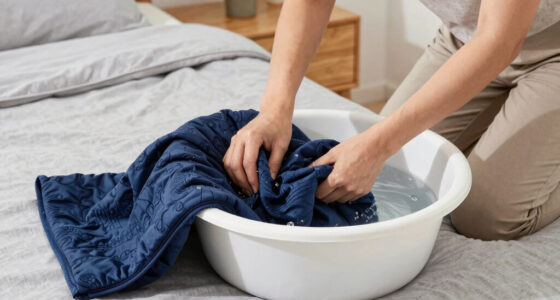
- Cleaning: removable washable covers reduce allergens, dust mites, and moisture buildup.
- Fit: exact mattress sizing prevents sliding, edge gaps, bunching, and uneven support.
Innovation is making toppers more personalized.
Recent designs go beyond simple foam layers. Cooling materials, eco-friendly covers, modular builds, and smart sensors are turning toppers into targeted sleep tools.
Gel and phase-change
Designed to absorb and dissipate heat so the surface stays more stable through the night.
Latex and cotton
Natural latex and organic cotton covers appeal to sleepers who want resilience with lower synthetic load.
Sensors and adjustability
Emerging smart toppers can monitor sleep and adjust firmness or temperature for a more tailored feel.
Quick answers before you buy.
Most topper mistakes come from buying for softness alone. Use these checks to make the choice more precise.
Do toppers improve sleep quality?
Yes, when chosen well. They can improve comfort, support, pressure relief, and temperature control.
Can they help back pain?
Often, especially when the topper improves spinal alignment and reduces pressure points.
Are memory foam toppers hypoallergenic?
Most modern memory foam options are hypoallergenic, but allergy-sensitive sleepers should check certifications and cover materials.
How long do they last?
Usually 3-5 years, depending on material, density, maintenance, and frequency of use.
When a mattress topper can truly transform your sleep
Mattress toppers shine when your current bed isn’t quite cutting it. Maybe your mattress has seen better days — sagging, lumpy, or just too firm or soft. In those cases, a topper acts like a quick fix, adding a layer of plushness or support.
For example, if you sleep on a mattress that’s a decade old and has lost its shape, a topper can make it feel like new again. It also helps if you wake up with back pain or pressure points. A supportive topper can realign your spine and ease discomfort, especially if you’re a side sleeper who feels pressure on hips and shoulders.
And if you tend to get hot at night, a cooling topper with gel or breathable materials can make a noticeable difference. Think of a topper as a customizable upgrade—without the cost or hassle of replacing your entire mattress.
memory foam mattress topper queen size
As an affiliate, we earn on qualifying purchases.
As an affiliate, we earn on qualifying purchases.
Pick the right material: Memory foam, latex, or down?
Your choice of material shapes how your topper feels and performs. Memory foam molds to your body, relieving pressure and isolating movement. Latex responds quickly, offering a resilient, bouncy feel that’s naturally hypoallergenic. Down or feather toppers feel plush and soft, perfect for luxury, but they provide less support.
Let’s look at a quick comparison:
| Material | Feel | Support | Best For |
|---|---|---|---|
| Memory Foam | Soft, contouring | Good for pressure relief | Pressure points, back pain |
| Latex | Responsive, bouncy | Supportive, durable | Allergies, responsiveness |
| Down/Feather | Cloud-like, plush | Less support | Luxury feel, softness |
cooling gel mattress topper king size
As an affiliate, we earn on qualifying purchases.
As an affiliate, we earn on qualifying purchases.
How to choose thickness and firmness that matches your sleep style
- Identify your sleep position. Side sleepers often prefer 2-3 inches of softer toppers, while back or stomach sleepers may want 3-4 inches of firmer support.
- Consider your current mattress’s firmness. A soft mattress may need a firmer topper, and vice versa.
- Think about any health issues. For instance, if you have joint pain, a thicker, more cushioned topper can help.
- Test different options if possible. Visit a store or check return policies online to find what feels best.
For example, a person who sleeps on their side and wakes up with shoulder pain might choose a 3-inch memory foam topper with medium firmness to cushion pressure points without sacrificing support.
As an affiliate, we earn on qualifying purchases.
What features truly make a topper last and support better sleep?
- Breathability: Look for ventilated designs or gel-infused materials to keep cool all night. This matters because overheating can disrupt sleep and cause discomfort, reducing sleep quality over time. Good breathability also prevents mold and odor buildup, extending the life of your topper.
- Durability: Higher density foam or natural latex lasts longer — typically 3-5 years. Durability is crucial because a topper that wears out quickly forces you to replace it more often, increasing costs and potentially compromising support if it becomes lumpy or saggy.
- Ease of cleaning: Removable, washable covers make upkeep simple and hygienic. Regular cleaning prevents dust mites and allergens, which can affect sleep quality and health. A washable cover also helps maintain the topper’s appearance and feel over time.
- Size compatibility: Ensure it fits your mattress perfectly—no gaps or overhangs. Proper fit prevents shifting during the night, which can cause discomfort and uneven support. A well-sized topper maintains edge support and overall comfort.
For example, a gel-infused memory foam topper with a washable cover keeps you cool and fresh for years, even with nightly use. Investing in quality features like breathability and durability ensures your topper remains effective and comfortable over its lifespan.
hypoallergenic down mattress topper twin
As an affiliate, we earn on qualifying purchases.
As an affiliate, we earn on qualifying purchases.
Latest innovations making toppers better than ever
Recent advancements have pushed toppers into new territory. Cooling tech like phase-change materials help regulate temperature, preventing overheating. Eco-friendly options like natural latex or organic cotton covers are becoming more popular, appealing to environmentally conscious sleepers.
Some brands now offer adjustable firmness or modular toppers, letting you customize your feel. And emerging smart toppers with sensors monitor your sleep and adjust firmness or temperature automatically—think of it as a smart pillow for your bed.
These innovations mean you can find a topper that’s not just comfortable but also tailored to your sleep quirks and lifestyle.
Frequently Asked Questions
Do mattress toppers really improve sleep quality?
Yes, when you choose the right topper, it can improve comfort, support, and temperature regulation. That adds up to a more restful, uninterrupted sleep.
Can a mattress topper help with back pain?
Often, yes. A supportive topper can align your spine better and reduce pressure points, easing discomfort especially for side sleepers or those with existing aches.
Are memory foam toppers safe and hypoallergenic?
Most modern memory foam toppers are hypoallergenic and safe. Still, check for certifications if you have allergies, and opt for models with breathable covers.
How do I pick the right thickness and firmness?
Match the topper’s thickness and firmness to your sleeping position and comfort preferences. For example, side sleepers often prefer softer, thicker toppers, while stomach sleepers need firmer, thinner layers.
How long do mattress toppers last?
Typically, 3-5 years depending on material quality and usage. Regular airing and cleaning can help extend their lifespan.
Conclusion
Mattress toppers aren’t just a quick fix—they’re a smart way to personalize your sleep. Whether you need more support, less heat, or just a softer surface, the right topper can turn your bed into a sanctuary.
Remember: focus on material, thickness, and features that suit your lifestyle. Your best night’s sleep might be just a topper away — so pick wisely and sleep soundly.
Halloween Picks
halloween
As an affiliate, we earn on qualifying purchases.