
TL;DR

Get wellness gear delivered free with Prime
- Fast, free delivery on millions of items
- Prime Video, Amazon Music and more included
- Member-only deals all year
Wake-up lights can help make dark winter mornings feel brighter and more alerting by mimicking sunrise. They support mood and sleep regulation, especially when used consistently, but aren’t a magic fix for everyone. Proper use and realistic expectations are key.
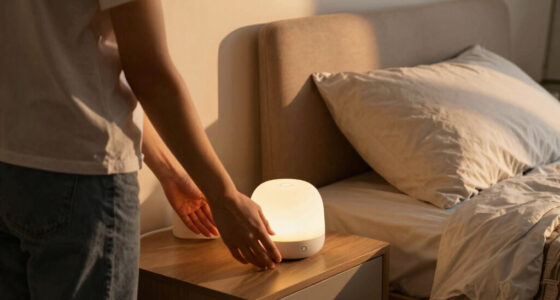
Dark winter mornings can feel like an uphill climb. The sky is often still cloaked in gray, and the natural light that helps us wake up seems absent. Wake-up lights promise to change that. They mimic sunrise, gradually filling your room with warm, bright light that nudges your body into wakefulness.
If you’ve ever wondered whether these devices truly make winter mornings easier, you’re not alone. Many people turn to them in hopes of brighter days and better moods, but do they really work? This guide explores how wake-up lights operate, their real benefits during winter, and whether they’re worth trying out for yourself.
Wake-up lights simulate sunrise with gradual brightness, helping you wake more naturally during winter.
Consistent use for 20-30 minutes daily can improve mood, alertness, and sleep regulation in dark months.
Choosing a device with adjustable brightness and a true sunrise feature boosts effectiveness.
They are most helpful when combined with good sleep habits and outdoor exposure when possible.
Wake-up lights aren’t a fix for severe mood disorders but can support overall well-being in winter.
Do Wake-Up Lights Help on Dark Winter Mornings?
Wake-up lights can make dark winter mornings feel brighter and more alerting by mimicking sunrise. They support mood and sleep regulation when used consistently, but they work best as one part of a realistic winter routine.
A gradual sunrise before your alarm gives the brain a gentler cue to wake.
Often enough for waking, while brighter therapy devices can reach 10,000 lux.
Useful for many people, especially in winter, but not a standalone cure for severe depression or sleep disorders.
How it works
A simulated dawn changes the wake-up signal.
The key is gradual light intensity. A room that slowly shifts from dim amber to brighter morning light can suppress melatonin, reduce abrupt waking, and make the first minutes of the day feel less heavy.
Brightness before the alarm
The device starts before wake time, giving your brain a visible signal that morning is approaching even when the sky is still dark.
Less jarring than sound alone
Light can reduce the shock of a sudden alarm by creating a slower path from sleep to alertness.
Adjustable settings matter
Brightness, color temperature, duration, and alarm sound should match your room, schedule, and sensitivity to light.
Morning sequence
From dark room to alert body.
Wake-up lights work through a chain of small physiological cues. The effect is subtle, but the routine can become powerful when repeated through the darker months.
Dim glow
Warm light begins before the alarm and gives the room a dawn-like signal.
Melatonin dips
Light exposure tells the brain the sleep phase is ending.
Alertness rises
The body has a gentler runway into wakefulness.
Routine locks in
Consistent timing supports a steadier sleep-wake rhythm.
Evidence map
Where wake-up lights tend to help most.
Research on light exposure supports benefits for seasonal mood, morning alertness, and sleep timing. Results vary by person, symptom severity, timing, and device intensity.
| Effect | Evidence signal | Best fit | Expectation |
|---|---|---|---|
| Improved mood | Light therapy can reduce SAD symptoms in some people, especially mild to moderate seasonal dips. | ✓ | Helpful support, not a guaranteed mood reset. |
| Better sleep patterns | Consistent morning light can reinforce circadian timing during dark months. | ✓ | Works best with regular bedtime and wake time. |
| More alert mornings | Many users report less grogginess when waking to gradual light. | ~ | Sleep quality still affects how awake you feel. |
| Severe depression treatment | Wake-up lights alone are not a replacement for professional care. | ✗ | Use as part of a broader treatment plan when advised. |
Settings that matter
Choose for control, not just brightness.
A good winter wake-up light should let you tune the experience. Too weak may do little; too abrupt can feel like a harsh alarm in another form.
Brightness range
Wake-up lights often sit in a gentler range for mornings, while dedicated therapy lamps can be much brighter. More lux is not automatically better for every bedroom.
Limitations
When the light is not enough.
Wake-up lights can be surprisingly useful, but they are not magic. Sleep habits, health conditions, medication, mood disorders, and the lack of daytime outdoor light all change the result.
Poor sleep foundations
Late nights, irregular schedules, caffeine timing, and untreated sleep disorders can overwhelm the benefit of a simulated dawn.
Eye or mood conditions
People with certain eye conditions or bipolar disorder should ask a healthcare provider before using bright light routines.
Outdoor daylight
Artificial dawn can support your routine, but natural daylight still matters for mood, movement, and seasonal rhythm.
A broader winter plan
Use the light with consistent sleep, morning movement, daytime exposure, and professional care when symptoms are significant.
Traceability
The practical chain for better mornings.
The clearest path is not simply buying the brightest lamp. It is matching the right device to a repeatable routine and realistic expectations.
How Do Wake-Up Lights Actually Make Mornings Brighter?
Wake-up lights are designed to simulate sunrise by gradually increasing light intensity over 20-30 minutes before your alarm goes off. This gentle glow signals your brain that it’s time to wake up.
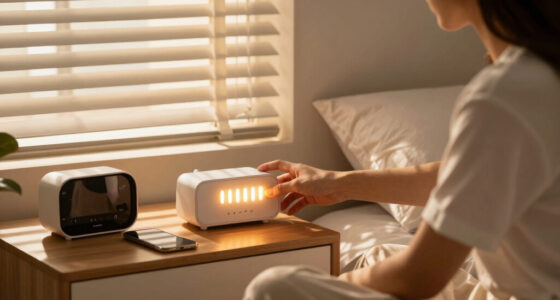
Imagine lying in bed while a soft, amber hue slowly brightens your room, mimicking the natural dawn. This triggers your circadian rhythms, suppresses melatonin, and boosts alertness—making waking feel less abrupt and more natural.
Some models combine light with sounds or aromatherapy, enhancing the waking experience. The key is the gradual increase—like watching the sky turn from dark to dawn—without sudden, jarring flashes that startle you awake.
Understanding this process is important because it emphasizes the importance of timing and intensity. If the light increase is too abrupt or too weak, it can either startle you or fail to produce the desired alertness. Therefore, choosing a device with customizable settings allows you to tailor the experience, ensuring the light mimics natural dawn as closely as possible for your comfort and effectiveness.
As an affiliate, we earn on qualifying purchases.
Why Are Wake-Up Lights Especially Helpful in Winter?
On dark winter mornings, natural sunlight is scarce, especially in northern regions. Wake-up lights fill that gap, providing a semblance of dawn when it’s pitch black outside.
For example, someone living in Scandinavia might wake up to a room bathed in warm, golden light instead of the dark. This can help regulate sleep patterns, lift mood, and reduce the sluggishness often felt during the season.
Research shows that consistent use of these lights during winter can improve mood and energy, especially for those with mild seasonal mood dips, known as Seasonal Affective Disorder (SAD).
Think of it as bringing a tiny slice of summer sunshine into your bedroom—without the chill and grayness. This consistency matters because our bodies rely on regular cues from natural light to maintain circadian rhythms. When natural light is absent, artificial light can serve as a substitute, helping to reinforce our internal clock. However, if the timing or intensity isn’t right, it can lead to disrupted sleep or insufficient alertness, highlighting the importance of selecting a device that matches your specific needs and environment.
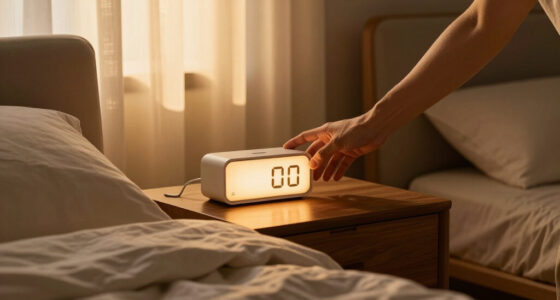
dimmable wake-up light with adjustable brightness
As an affiliate, we earn on qualifying purchases.
As an affiliate, we earn on qualifying purchases.
Can Wake-Up Lights Really Beat the Winter Blues? Here’s What the Research Says
| Effect | Evidence |
|---|---|
| Improved mood | Studies find that light therapy can help reduce symptoms of SAD, with some showing results comparable to medication for mild cases. This matters because it demonstrates that light exposure can influence brain chemistry, promoting serotonin production that boosts mood. However, the effectiveness varies based on individual differences, such as the severity of symptoms and timing of use. For some, a wake-up light might only provide a mild improvement, so it should be viewed as part of a broader treatment plan. |
| Better sleep patterns | Using a wake-up light consistently can help regulate circadian rhythms, making mornings smoother and sleep more restorative. This is crucial because misaligned circadian rhythms often cause difficulty falling asleep or waking up, especially in winter. Proper timing of light exposure can reinforce natural sleep cycles, but overexposure or incorrect timing may lead to difficulties in falling asleep or morning grogginess. Thus, understanding your sleep habits and adjusting the device accordingly can maximize benefits. |
| Increased alertness | Many users report feeling more awake and less groggy when waking up to a simulated sunrise, especially in the dark months. This is significant because it suggests that gradual light exposure can reduce the common ‘sleep inertia’—the sluggish feeling upon waking—which can impair daytime functioning. Yet, individual responses vary; some may find the light insufficient if their sleep quality is poor or if they wake up during deep sleep stages. Therefore, integrating wake-up lights with good sleep hygiene can enhance their effectiveness. |
According to an anonymous researcher, wake-up lights are most effective when used daily for 20-30 minutes, especially during the darker months. They don’t cure depression but can be a helpful piece of a broader wellness routine. Recognizing the limitations and proper use of these lights is essential because relying solely on them without addressing underlying sleep or mood issues may lead to disappointment. They work best as part of a holistic approach that includes healthy sleep habits, outdoor activity, and, when needed, professional treatment.
sunrise alarm clock for winter mornings
As an affiliate, we earn on qualifying purchases.
As an affiliate, we earn on qualifying purchases.
How to Pick the Best Wake-Up Light for Your Winter Mornings
- Set your budget and decide on features—brightness, color temperature, sound options.
- Look for adjustable brightness levels—at least 250 to 10,000 lux, with 300-500 lux usually enough for waking.
- Check if it offers a gradual sunrise setting—this is key for a gentle wake-up.
- Read reviews—see how others find the device in real winter conditions.
- Try it out for a couple of weeks, adjusting the timing and brightness for your comfort.
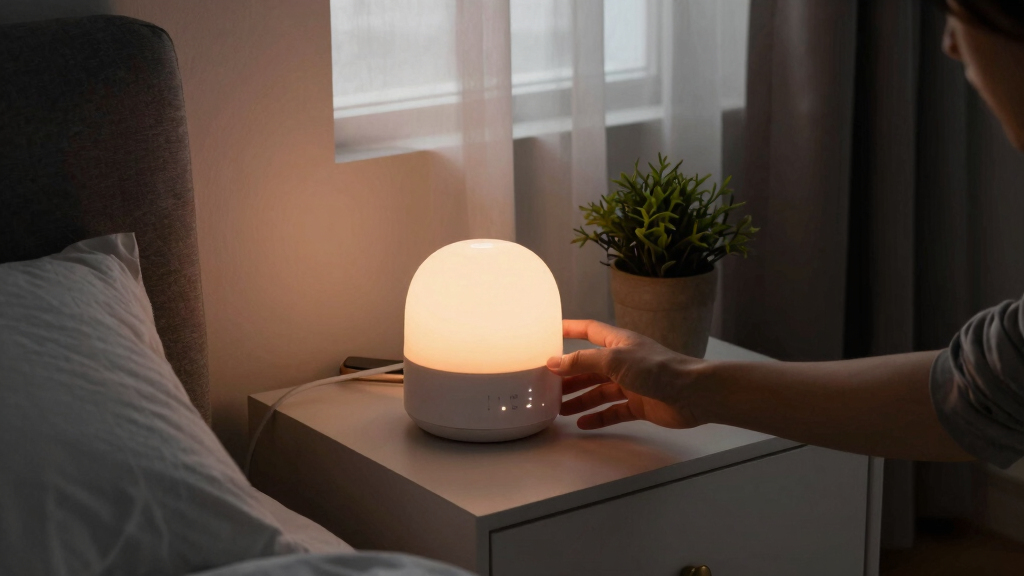
Imagine waking up with a device that slowly bathes your room in a warm, golden glow, telling your brain it’s dawn. That’s the kind of experience a good wake-up light can deliver.
As an affiliate, we earn on qualifying purchases.
What Are the Limitations? When Wake-Up Lights Might Not Do the Trick
Wake-up lights aren’t magic. Their effectiveness depends on individual factors like sleep habits, underlying health, or even how dark your mornings are.
For example, if you go to bed late or have a sleep disorder, a light alone won’t fix those issues. People with certain eye conditions or bipolar disorder should consult a healthcare provider before using light therapy devices.
Additionally, in areas with extremely long, dark winters, a wake-up light can be beneficial in establishing a morning routine, but it won’t replace the natural sunlight’s full spectrum, which is vital for vitamin D synthesis and overall mood regulation. Over-reliance on artificial light without outdoor exposure can lead to a sense of disconnection from natural cycles, potentially diminishing the long-term benefits. Therefore, while helpful, wake-up lights should be part of a balanced approach that includes outdoor activity and proper sleep hygiene for optimal results.
Think of it as a helpful tool—not a cure-all. Your habits and environment still matter.
Frequently Asked Questions
Do wake-up lights really make a difference during winter mornings?
Many users find that wake-up lights help them wake more gently and feel more alert, especially when used regularly during the dark months. While they won’t transform winter, they support a more natural morning routine.
Are wake-up lights effective for treating Seasonal Affective Disorder?
They can help reduce mild symptoms of SAD when part of a broader approach, but they aren’t a standalone treatment. Consulting a healthcare provider is recommended for severe cases.
How should I choose a wake-up light?
Pick a device with adjustable brightness, a true sunrise feature, and positive reviews. Consider your room size and budget, and test it over a few weeks to find what works best for you.
Can wake-up lights replace natural sunlight?
They can supplement natural light, especially in winter, but aren’t a full replacement. Spending time outdoors and letting in daylight remains important for overall health.
Are wake-up lights safe to use every day?
Yes, generally they are safe when used as directed. If you have eye issues or mood disorders, check with a healthcare professional before starting light therapy.
Conclusion
On dark winter mornings, a wake-up light can be like a gentle sunrise in your bedroom, easing your transition from sleep to wakefulness. They won’t erase winter’s gloom, but they can make mornings feel a little brighter—literally and figuratively.
Remember, the key is consistency and realistic expectations. Think of a wake-up light as a small, bright helper for your dark mornings—something that, over time, can make those chilly dawns a bit more welcoming.
Halloween Picks
halloween
As an affiliate, we earn on qualifying purchases.