
TL;DR

Get wellness gear delivered free with Prime
- Fast, free delivery on millions of items
- Prime Video, Amazon Music and more included
- Member-only deals all year
Switching from a phone alarm to a wake-up light can improve your mornings. A one-week plan helps you adapt smoothly, with practical steps and tips for success. Expect better mood, energy, and sleep quality over time.
Imagine waking up to the soft glow of a sunrise instead of a harsh beeping sound. Transitioning from your phone alarm to a wake-up light isn’t just about convenience — it’s about transforming your mornings into a calmer, more natural experience. But how do you make that switch without feeling groggy or disoriented?
This guide walks you through a simple, step-by-step plan to shift your wake-up routine over one week. You’ll learn why wake-up lights are a game-changer, how to set realistic expectations, and what small tweaks can make the process smooth and even enjoyable.
Gradually replace your phone alarm with a wake-up light over one week to ease the transition.
Optimize your sleep environment and stick to a consistent schedule for best results.
Adjust brightness and timing of your wake-up light to match your natural sleep cycle.
Over time, a wake-up light can reduce morning stress and increase alertness better than a phone alarm.
Patience and routine are key — your body needs time to adapt to the gentle glow.
From Phone Alarm to Wake-Up Light
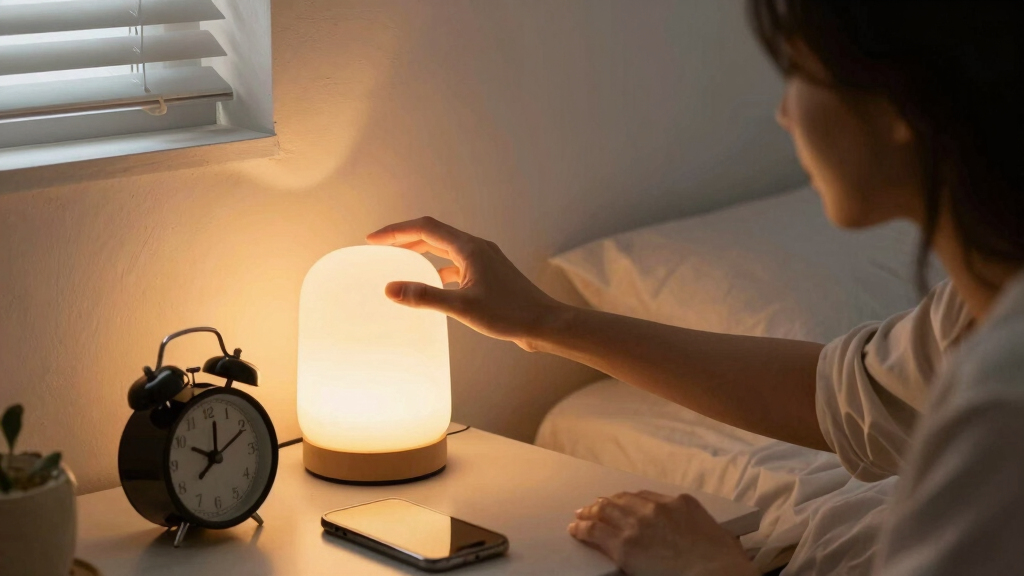
A seven-day transition replaces the shock of a phone alarm with a gradual sunrise cue. The goal is simple: calmer waking, less morning grogginess and a routine your internal clock can learn.
Most people need several mornings to associate growing light with wakefulness.
A wake-up light supports good sleep; it cannot replace sufficient rest.
Begin the light shortly before your usual alarm, then adjust gradually.
A sunrise cue works with your biology
Light is one of the signals that regulates circadian timing. A wake-up light gradually brightens the room, giving the brain a gentler cue for wakefulness than an abrupt sound.
Gradual alertness
Increasing light helps the body move from sleep toward wakefulness without depending on a sudden burst of noise.
Lower perceived stress
A softer transition may feel less tense and disorienting than waking to a harsh ringtone or repeated snoozing.
More predictable waking
Consistent timing teaches the body to connect the growing glow with the start of the day.
Withdraw the phone alarm in four phases
The overlap is intentional. It provides a safety net while your brain learns the new light cue, then removes the old alarm once the routine feels dependable.
Pair both cues
Use the light and phone together. Start the glow 10 minutes before your normal alarm.
Make light primary
Wake to the light first. Keep the phone only as a later backup, away from the bedside.
Remove the phone
Turn off the phone alarm. Fine-tune sunrise timing, brightness and any gentle sound option.
Lock the routine
Choose the most comfortable settings and keep the same bedtime and wake time going forward.
Let reliance on sound fade across the week
This visual is a transition target, not a clinical measurement. If the light does not wake you reliably, increase brightness, begin the sunrise earlier or retain a gentle backup sound.
Phone-alarm reliance
A planned reduction from full backup to no phone alarm.
Prepare the room
Better sleep makes the new wake cue easier to recognize.
Two alarms, very different signals
The best setup is the one that wakes you safely and consistently. A light-first routine prioritizes a gradual cue while retaining adjustable sound when needed.
| Morning factor | Phone alarm | Wake-up light | Transition target |
|---|---|---|---|
| Wake signal | —Sudden sound | +Gradual light | Light first, sound optional |
| Circadian relevance | ~Indirect cue | +Direct light cue | Repeat at a fixed time |
| Customization | +Ringtone and volume | +Brightness, duration, sound | Adjust one variable at a time |
| Bedside distraction | —Apps and notifications | +Dedicated function | Charge the phone elsewhere |
| Heavy-sleeper support | +Loud audio available | ~Choose light plus gentle sound | Keep a safe backup if required |
How the new habit becomes a calmer morning
The device is only one link. Consistent sleep timing and repeated exposure turn the light into a meaningful wake signal.
Patience is part of the plan
A difficult morning does not mean the method failed. Shift the start time, raise brightness gradually and protect your sleep duration. Heavy sleepers may need a model with adjustable sound as an added safeguard.
Small adjustments with a large cumulative effect
Keep the experiment simple. Change one setting at a time so you can tell whether timing, brightness or sleep duration made the difference.
Hold one wake time
Consistency strengthens the connection between the light cue and morning wakefulness.
Protect seven to nine hours
Do not compensate for insufficient sleep by making the light brighter or the alarm louder.
Reduce evening screens
Dim devices and avoid stimulating content near bedtime to support a smoother wind-down.
Move caffeine earlier
Late caffeine can delay sleep or fragment rest, weakening the next morning’s result.
Wake before the glow?
Move the sunrise closer to your natural wake time or reduce its initial brightness.
Still sleeping through it?
Start the cycle earlier, increase peak brightness or add a gentle secondary sound.
Why switching to a wake-up light makes mornings better
Waking up with a sunrise simulation can shift your mood and energy levels for the better. Unlike jarring phone alarms, wake-up lights mimic natural dawn, gradually easing you out of sleep. Imagine the gentle, warm glow filling your room — it’s like sunlight sneaking in through the curtains.
This calming start can cut down on morning grogginess and make you feel more alert. Plus, it’s less stressful for your brain, which responds well to light cues for regulating your internal clock.
Understanding why this matters is key: our bodies are wired to respond to light as a signal for wakefulness. Sudden alarms can trigger a stress response, releasing adrenaline that might leave you feeling tense or disoriented. Wake-up lights, by contrast, promote a smoother transition, aligning your waking process with natural circadian rhythms. This isn’t just about feeling better in the moment — it can have long-term benefits, such as improved sleep quality and mood stability. When your body learns to associate gradual light with waking, it can help reset disrupted sleep patterns, especially if you’re prone to waking up feeling tired or anxious. This approach fosters a healthier sleep-wake cycle, reducing the risk of morning irritability and fatigue that often stem from abrupt awakenings.
As an affiliate, we earn on qualifying purchases.
How to prepare your environment for the switch
Before the transition begins, tidy up your sleeping space. A dark, cool room helps your body associate that space with sleep. Invest in blackout curtains or an eye mask if light pollution is an issue. Your wake-up light works best when your sleep environment is optimized.
Set a consistent bedtime, aiming for 7-9 hours of sleep. This ensures your body gets enough rest before waking up to the new light routine. Think of your sleep environment as the foundation for a smooth transition.
Creating the right environment isn’t just about comfort; it’s about signaling to your body that this space is dedicated to rest. A dark, quiet, and cool room enhances sleep quality, which directly impacts how easily you wake up refreshed. If your environment is too bright or noisy, your sleep cycles can become fragmented, making it harder for your body to respond predictably to the wake-up light. Additionally, maintaining a consistent sleep schedule supports your internal clock, making the light cues more effective and your mornings more predictable. This preparation reduces the likelihood of waking during REM sleep or experiencing restless nights, both of which can undermine the benefits of your new routine. In essence, a well-optimized sleep environment acts as a catalyst, ensuring your body is primed for a gentle, natural awakening, and making your transition to a wake-up light more sustainable and effective.
As an affiliate, we earn on qualifying purchases.
Your 7-day plan to ditch the phone alarm
Follow this step-by-step schedule to shift your wake-up routine:
- Day 1-2: Use both your phone alarm and wake-up light. Set the light to turn on 10 minutes before your usual wake-up time. This dual approach helps your brain associate the light with waking, gradually reducing reliance on the phone alarm. This initial overlap provides a safety net, easing your mind and allowing your body to get accustomed to the new stimulus without feeling abrupt or stressful.
- Day 3-4: Make the light your primary alarm. Keep the phone as a backup in case you need it, but don’t rely on it. This encourages your body to respond to the light cue, reinforcing the new routine. Over these days, your body begins to recognize the light as the main trigger for waking, which can help establish a more natural and less jarring transition.
- Day 5-6: Turn off the phone alarm completely. Fine-tune the light’s brightness and timing to match your sleep cycle. This step is crucial because it tests whether your body can wake naturally with just the light, which is the ultimate goal for a more restful, less stressful morning. If successful, it indicates your internal clock has started to entrain to the light cue, making mornings more predictable and less dependent on external noise.
- Day 7: Adjust settings for a comfortable, natural wake-up. Establish a consistent bedtime to reinforce the routine. Consistency here is key; it helps your internal clock adapt more quickly, making mornings more predictable and less jarring over time. This final step cements the new habit, promoting a deeper synchronization between your sleep cycle and wake-up method, leading to sustained improvements in sleep quality and morning alertness.
This gradual withdrawal isn’t just about convenience; it’s about giving your body time to adapt to a new stimulus — the gentle light. This slow transition minimizes shock to your sleep-wake cycle and helps establish a more natural, stress-free morning routine. Recognizing that your body needs time to adapt to these changes is essential — rushing the process can lead to feelings of disorientation or fatigue. By understanding each step’s purpose, you help your body gradually entrain to the light cue, making mornings more peaceful and your sleep more restorative over the long term.
dimmable wake-up light with sunrise simulation
As an affiliate, we earn on qualifying purchases.
As an affiliate, we earn on qualifying purchases.
Tips to make your transition smoother
- Stick to a consistent sleep schedule — even on weekends. This consistency helps regulate your internal clock, making the light cues more effective and reducing variability in your waking times. The more predictable your sleep-wake cycle, the more your body can entrain to natural cues, leading to mornings that feel less abrupt and more aligned with your circadian rhythm.
- Set the wake-up light to simulate sunrise at your ideal wake-up time. Adjusting brightness gradually over a few minutes can help your body recognize the transition from sleep to wakefulness more naturally, avoiding abrupt awakenings that can cause grogginess or disorientation. This gentle increase in light acts as a cue for your brain, signaling that it’s time to wake up, which can significantly improve how refreshed you feel upon waking.
- Avoid screens and caffeine close to bedtime for better sleep quality. Blue light from screens suppresses melatonin, making it harder to fall asleep and disrupting your sleep cycles. Caffeine, a stimulant, can delay sleep onset or cause fragmented sleep. Both interfere with your body’s natural rhythm, making it harder to respond positively to the wake-up light in the morning. Prioritizing good sleep hygiene helps your internal clock stay aligned, making the transition to a waking routine smoother and more effective.
- Test different brightness levels to find what feels most natural. Some respond better to a subtle glow, which gently nudges them awake, while others prefer a brighter light for a more alert start. Finding the right setting isn’t just about comfort — it’s about optimizing your body’s response to the stimulus. A well-calibrated light can reduce startle reactions and improve overall wakefulness, making mornings less stressful and more energizing.
- Be patient — it can take a few days for your body to fully adapt. Recognizing that adjustment is a process helps manage expectations and reduces frustration, encouraging consistent effort. Your internal clock needs time to entrain to the new light cues, especially if you’ve had irregular sleep patterns or other circadian disruptions. Persistent, gradual adjustments foster better long-term results, leading to mornings that feel more natural and less abrupt over time.
Think of this process as training your internal clock like a loyal pet — with patience and consistency, it’ll respond better each day. Over time, your body learns to anticipate the light and wake up more naturally, leading to more restful nights and energized mornings.
As an affiliate, we earn on qualifying purchases.
Comparing phone alarms and wake-up lights side-by-side
| Feature | Phone Alarm | Wake-Up Light |
|---|---|---|
| Sound type | Beep, ringtone, custom sounds | Nature sounds, chimes, radio |
| Wake-up method | Sudden loud noise | Gradual sunrise simulation |
| Impact on mood | Can cause stress or startle | Calms and energizes |
| Customizability | High (ringtone, volume) | Brightness, sound, timing |
While phone alarms are quick and simple, wake-up lights offer a natural, soothing start. Over time, many find that gentle light reduces morning stress and increases alertness. This comparison highlights why wake-up lights aren’t just a novelty—they align better with our natural sleep-wake cycles, promoting a healthier, less stressful start to the day.
What to do if you wake up before the light turns on
If you find yourself waking up early, don’t panic. Adjust the light’s timing or increase the brightness slightly. Sometimes, your internal clock might need a little realignment, especially if your sleep schedule has shifted recently or if your circadian rhythm is naturally slightly delayed or advanced. For example, if your usual wake-up time is 6:30 a.m., setting the light to turn on at 6:15 or 6:20 can help your body synchronize better with the light cues.
This tweak isn’t just about convenience; it’s about respecting your individual sleep needs and biological rhythms. Small adjustments can make a significant difference in how smoothly you wake up, preventing feelings of grogginess or confusion. Over time, these minor changes help your internal clock entrain more precisely to the light schedule, leading to more consistent, restful mornings and a feeling of waking up naturally, rather than abruptly. Recognizing and respecting your body’s unique rhythm allows for a more personalized and effective wake-up experience, reducing frustration and promoting a healthier sleep-wake cycle.
Making the most of your new morning routine
Once you’ve fully transitioned, focus on consistency. Use your wake-up light every day, even on weekends. Incorporate a calming morning ritual — stretching, a glass of water, or a few minutes of quiet time. These small habits reinforce the positive effects of your new routine.
Over time, you’ll notice mornings feel calmer, and waking up becomes less of a jolt. Your body begins to trust that dawn is coming, no matter the day. This consistency not only stabilizes your circadian rhythm but also enhances overall sleep quality, making mornings more predictable and less stressful. The cumulative effect is a healthier sleep-wake cycle that responds naturally to light cues, fostering better mood, energy, and mental clarity throughout the day.
Frequently Asked Questions
How long does it usually take to get used to a wake-up light?
Most people adjust within 3 to 7 days. Consistency and patience help your body adapt to the new routine, reducing grogginess and making mornings smoother.
Can a wake-up light fully replace my phone alarm?
Yes, after a few days of consistent use, many find that the light alone is enough to wake them. Keep a backup alarm just in case, at least initially.
Is a wake-up light suitable for heavy sleepers?
It can be, especially models with adjustable brightness and sound options. For very deep sleepers, pairing the light with gentle sounds may improve effectiveness.
What if I wake up before the light turns on?
Adjust the timing or increase the brightness slightly. Small tweaks help your internal clock sync better with the light cues, making waking up more natural. Recognizing individual sleep patterns and customizing the light’s settings can significantly improve your waking experience, especially if you tend to wake early or have irregular sleep cycles.
Are wake-up lights good for seasonal affective disorder (SAD)?
Some models are designed as light therapy devices and can help alleviate SAD symptoms by providing bright, full-spectrum light during darker months.
Conclusion
Switching to a wake-up light isn’t just a tech upgrade — it’s a way to reclaim your mornings. With patience and a structured plan, you’ll soon wake up feeling more refreshed and less stressed. Think of it as giving your body a natural nudge toward better mornings.
Imagine waking up to the soft hues of dawn, ready to greet the day. Sometimes, the gentlest start makes all the difference.
Halloween Picks
halloween
As an affiliate, we earn on qualifying purchases.