TL;DR

Get wellness gear delivered free with Prime
- Fast, free delivery on millions of items
- Prime Video, Amazon Music and more included
- Member-only deals all year
Sunrise alarm clocks are dedicated devices that simulate sunrise with simple controls, while smart bulb routines offer highly customizable lighting through smart home systems. Both can improve wake-up quality, but your choice depends on ease, flexibility, and existing tech.
Sunrise alarm clocks are simple, dedicated devices that reliably mimic dawn with gradual light and sound.
Smart bulb routines offer highly customizable, multi-room wake-up experiences that can be integrated into broader smart home systems.
Recent tech advances support dynamic color and scene changes, making smart routines more natural and personalized.
Your ideal choice depends on your tech ecosystem, budget, and preference for simplicity versus customization.
Both options can improve your sleep-wake cycle, reducing grogginess and boosting mood in the morning.
Why a dedicated sunrise alarm clock might be your best wake-up partner
Sunrise alarm clocks are designed to mimic the sunrise with a gradual increase in light intensity. Imagine waking up to a warm, amber glow that slowly brightens your room, just like the sun rising outside your window. These devices often include gentle sounds or vibrations to nudge you awake peacefully.
For example, a typical sunrise alarm clock might start at 10% brightness 30 minutes before your alarm time and ramp up to full brightness over that period. Many models also offer calming nature sounds or gentle chimes, making the transition from sleep to wakefulness smooth and natural.
These clocks are straightforward—set the time, choose your light and sound preferences, and you’re good to go. They’re portable too, perfect for bedrooms, guest rooms, or even travel. If simplicity and reliability matter most, a dedicated sunrise alarm clock usually wins.
sunrise alarm clock with natural sounds
As an affiliate, we earn on qualifying purchases.
As an affiliate, we earn on qualifying purchases.
How smart bulb routines turn your entire home into a gentle wake-up zone
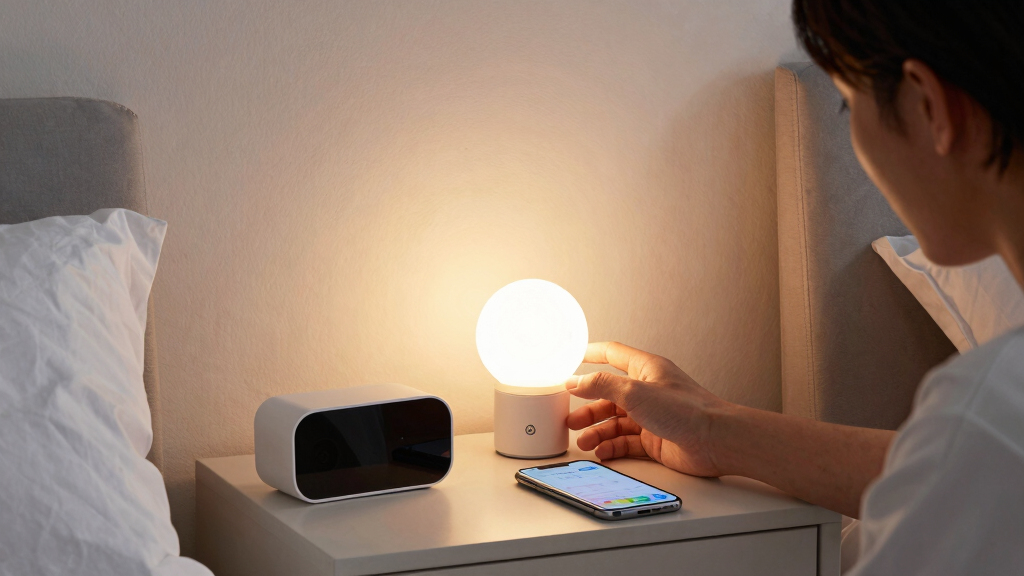
Smart bulb routines use Wi-Fi-enabled bulbs that can change brightness, color, and even hue temperatures at scheduled times or triggered by routines. Think of your living room or bedside lamp gradually shifting from a cool, blueish hue to a warm, cozy glow as your alarm goes off.
For instance, you might set a routine where your smart bulbs begin to brighten at 6:30 a.m., increasing in intensity and shifting from a bluish tone to a soft orange. This simulates sunrise across multiple rooms or your entire home, creating an immersive waking experience.
Setting this up involves pairing your smart bulbs with an app or a smart home platform like Alexa or Google Home. You can customize colors, brightness levels, and even sync routines with music or weather updates. This flexibility allows you to tailor your waking environment to your preferences, making mornings feel more natural and less abrupt. The ability to control multiple devices simultaneously means you can create a cohesive, soothing wake-up experience that extends beyond just your bedroom, potentially reducing the startle response and promoting a more gradual transition from sleep to wakefulness.
smart Wi-Fi LED bulbs for wake-up routines
As an affiliate, we earn on qualifying purchases.
As an affiliate, we earn on qualifying purchases.
The real differences: a side-by-side comparison of sunrise clocks and smart routines
| Feature | Sunrise Alarm Clocks | Smart Bulb Routines |
|---|---|---|
| Ease of setup | Simple, dedicated device, straightforward controls | Requires compatible smart bulbs, app setup, and possibly a hub |
| Customization | Limited to device features: brightness and sound | Highly flexible: colors, brightness, scenes, multi-room routines |
| Integration | Mostly standalone | Can be integrated with smart home systems (Alexa, Google, Apple) |
| Portability | Usually portable, perfect for bedrooms | Depends on bulb placement, typically stationary |
| Cost | $30 – $100 | $10 – $50 per bulb; additional costs for hubs or subscriptions |
| Ideal for | Simple, reliable wake-up light | Tech-savvy users wanting customization and ecosystem control |
best sunrise alarm clock for bedroom
As an affiliate, we earn on qualifying purchases.
As an affiliate, we earn on qualifying purchases.
Latest trends making these lighting options smarter and more natural
Recent advances have blurred the lines between dedicated sunrise clocks and smart lighting. Many smart bulbs now support adjustable color temperatures, simulating the warm glow of dawn more convincingly. Some even include dynamic scenes that change throughout the morning, mimicking sunrise, cloud cover, or even seasonal shifts.
Additionally, integration with sleep tracking apps allows routines to adapt based on your sleep quality or habits. Hybrid devices that combine sunrise clock features with smart lighting controls are gaining popularity, offering the best of both worlds.
These innovations matter because they address common issues like abrupt wake-ups and the difficulty of replicating natural light cues. By enabling customizable, adaptive routines, they help create a more realistic and soothing wake-up environment, which can improve overall sleep quality and morning mood. The tradeoff is that these setups often require more initial configuration and investment, but the payoff is a significantly more personalized and effective wake-up experience.
color changing smart bulbs for morning wake-up
As an affiliate, we earn on qualifying purchases.
As an affiliate, we earn on qualifying purchases.
Choosing what’s right for you: quick tips to decide between the two
Here are some quick tips to help you decide:
- Keep it simple: If you want a no-fuss, reliable wake-up, a dedicated sunrise alarm clock is perfect.
- Love customization: If you want to control colors, sync with music, or integrate with other smart devices, go for smart bulb routines.
- Check your tech ecosystem: Already have smart home devices? Routines might slot in seamlessly, offering a more integrated experience.
- Consider your budget: Sunrise clocks are often cheaper upfront, but smart bulbs can be more versatile if you already own them, making them a more cost-effective option in the long run.
- Think about portability: If you travel or move rooms often, a standalone clock may be more practical, as it doesn’t rely on fixed smart devices or network stability.
Your perfect wake-up plan: what to remember
Both sunrise alarm clocks and smart bulb routines aim to wake you more naturally. The choice boils down to how much control, integration, and simplicity you want. The best routine feels like a gentle sunrise, easing you into the day without jarring sounds or abrupt light.
Matching your preferred setup with your lifestyle and tech environment is key. A well-designed lighting routine can reduce morning grogginess, improve mood, and support your circadian rhythm, leading to more restful sleep and energized mornings. Remember, the goal is to create a waking environment that feels natural and soothing, helping you start your day on a positive note.
Frequently Asked Questions
Are sunrise alarm clocks better than smart bulbs for waking up naturally?
Sunrise alarm clocks are designed specifically for this purpose and tend to be more straightforward, offering a consistent and reliable simulation of natural dawn. Smart bulbs can also create effective sunrise effects if they support gradual brightness and color adjustments, but their effectiveness depends on proper setup and the quality of the routines. The choice hinges on whether you prioritize simplicity and dependability or flexibility and integration with your existing smart home ecosystem.Can I use smart bulbs as effective wake-up lights?
Yes, if they support features like gradual brightness increase and adjustable color temperature. Many smart bulbs can mimic sunrise effects, especially when used with routines that gradually brighten the lights over time. The key is configuring the routines to replicate natural light progression, which can help reduce morning grogginess and promote a smoother wake-up experience. However, the effectiveness depends on the quality of your setup and the responsiveness of your devices.Which option is more reliable for consistent mornings?
Dedicated sunrise alarm clocks are generally more reliable because they are standalone devices designed specifically for waking you up with minimal dependence on internet connectivity or app performance. Smart routines, while flexible, rely on Wi-Fi and app synchronization, which can occasionally face issues like connectivity drops or device malfunctions. For consistent, worry-free mornings, a dedicated clock often provides peace of mind.How do I set up a smart bulb routine to wake me up?
Use your smart home app or platform to schedule routines that gradually increase light brightness at your desired wake-up time. Customize the color temperature and brightness levels to simulate sunrise, and consider syncing routines with music or weather updates for added immersion. Testing and fine-tuning the routine ensures it mimics natural dawn effectively, helping your body adapt to waking up more gently over time.Are there any health benefits to using light-based alarms?
Yes, light-based alarms support your circadian rhythm by providing a natural cue for waking, which can reduce morning grogginess and improve alertness. They help your body transition more smoothly from sleep to wakefulness, potentially leading to better sleep quality overall. Consistent use of a gradual light routine can also reinforce your sleep-wake cycle, promoting healthier sleep patterns and a more energized start to your day.Conclusion
Choosing between a sunrise alarm clock and smart bulb routines depends on your desire for simplicity or control. Either way, a gentle, natural wake-up makes a noticeable difference in how you start your day. Imagine opening your eyes to a soft glow that feels like the sunrise—no jarring sounds, just a peaceful transition into your morning.Halloween Picks
halloween
As an affiliate, we earn on qualifying purchases.