
TL;DR

Get wellness gear delivered free with Prime
- Fast, free delivery on millions of items
- Prime Video, Amazon Music and more included
- Member-only deals all year
Most people benefit from a sunrise simulation lasting 20-30 minutes, but personal preference and sleep habits matter. Longer, gradual dawns tend to wake you more gently and naturally.
Imagine waking up feeling refreshed, not groggy. That’s what a well-timed sunrise simulation can do for you. It mimics the gentle glow of dawn, gradually nudging your body awake in a way that feels natural, not abrupt.
If you’ve ever used a sunrise alarm clock, you know the timing can make a big difference. But how long should that light be rising before you start your day? That’s what we’ll explore — how to find your perfect ramp time for a peaceful, energized morning.
Most people find a 20-30 minute ramp offers a gentle, natural wake-up experience.
Longer ramps (around 45 minutes) can improve mood and reduce grogginess, especially in darker seasons.
Adjust your sunrise duration gradually, and observe how you feel to find what works best.
Use blackout curtains and consistent routines to maximize the effect of your sunrise simulation.
Personal preference and sleep habits should guide your choice — there’s no one-size-fits-all.
What is the ideal duration for a sunrise simulation? (Spoiler: It’s usually 20-30 minutes)
Most people find that a sunrise simulation lasting around 20-30 minutes hits the sweet spot. This duration strikes a balance between mimicking the gradual increase of natural dawn and fitting comfortably into morning routines. A shorter period, like 15 minutes, might feel too abrupt or rushed, especially for those who wake slowly or need more time to fully rouse. Conversely, longer durations, such as 45 minutes, might be ideal for deep sleepers or those seeking an exceptionally gentle awakening, but they can also require more planning and may extend the time before you’re fully alert.
Understanding why this range works involves appreciating the body’s circadian rhythm. Our bodies are naturally tuned to dawn, which occurs gradually. Mimicking this natural process helps your internal clock stay synchronized, leading to better sleep quality and morning alertness. Shorter or longer durations can disrupt this harmony, either causing abrupt awakenings or unnecessarily prolonging the waking process, which might lead to grogginess or impatience.
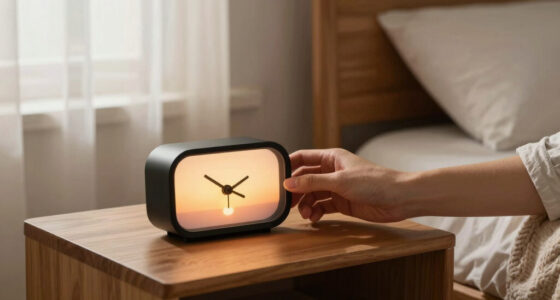
sunrise alarm clock with adjustable ramp time
As an affiliate, we earn on qualifying purchases.
As an affiliate, we earn on qualifying purchases.
How to customize your sunrise ramp time to suit your needs
- Check your device’s settings or app. Many modern sunrise alarms let you set the ramp duration directly, but understanding how this impacts your awakening is key. A shorter ramp might wake you quickly but can cause a jarring start, while a longer ramp provides a more gradual transition, reducing sleep inertia.
- Start with 20-30 minutes and observe your response. Do you feel alert and refreshed, or groggy and disoriented? This feedback helps you gauge whether the duration suits your sleep cycle.
- Adjust in 5-minute increments, noting how each change affects your waking experience. For example, try 15, 20, 25, and 30 minutes over a week, and keep a sleep journal if possible.
- Consider your sleep quality and habits. If you tend to wake during deep sleep phases, a longer ramp can facilitate a smoother transition, minimizing the abruptness that can cause sleep inertia.
- Combine your sunrise ramp with good sleep hygiene — regular bedtimes, limiting screen time before bed — to enhance the overall effectiveness of the simulation.
In addition to setting the right duration, understanding the trade-offs is crucial. Shorter ramps may wake you more quickly but can lead to feelings of abruptness and grogginess, especially if your body prefers a more gradual wake-up. Longer ramps are gentler but require planning ahead and might extend the time you spend in light sleep stages, which could interfere with your sleep cycle if not timed correctly. Experimenting with different durations allows you to find a balance that maximizes alertness without sacrificing sleep quality. Remember, your individual sleep needs and routines influence what works best for you, so consider these factors when customizing your sunrise experience.
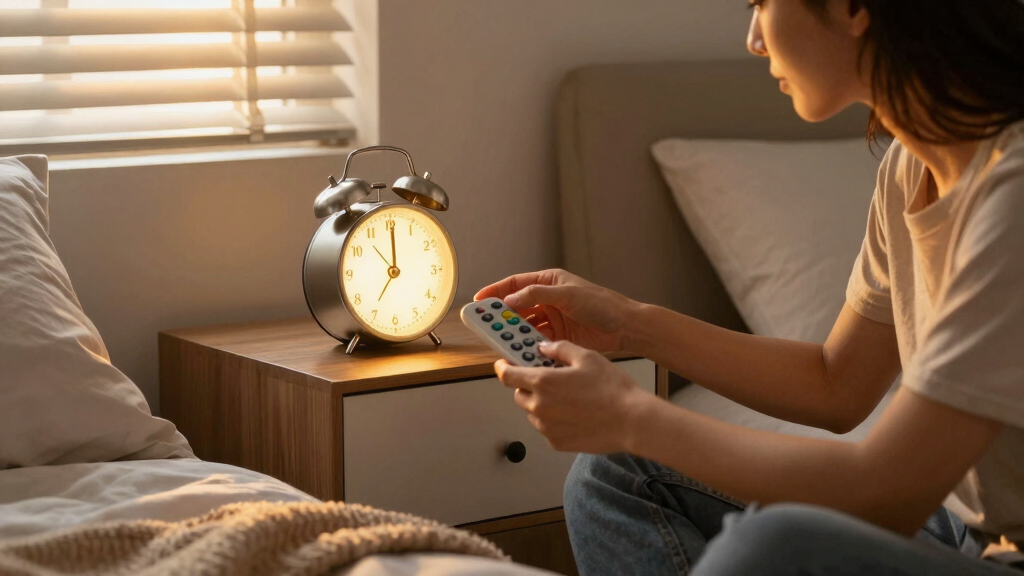
sunrise wake-up light 20-30 minutes
As an affiliate, we earn on qualifying purchases.
As an affiliate, we earn on qualifying purchases.
Frequently Asked Questions
How long should my sunrise simulation last for the best wake-up experience?
Typically, 20-30 minutes works well for most people, providing a gentle, natural wake-up. But some prefer longer durations, especially during darker months, to help ease into the day more smoothly.
Can I change the ramp time on my sunrise alarm clock easily?
Yes, many modern devices allow you to customize the ramp duration through their settings or companion apps. Check your device’s manual for specific instructions.
Is a longer or shorter ramp better for me?
If you wake easily or prefer a quick start, a shorter ramp (around 15 minutes) might suit you. For a softer, more gradual wake-up, aim for 30-45 minutes. Remember, experimenting with different durations helps you discover what feels most natural and energizing for your unique sleep cycle.
Should I use a sunrise simulation every day?
Yes, regular use helps reinforce your body’s internal clock, leading to more consistent sleep and wake times. Consistency in your routine enhances the effectiveness of the simulation over time.
How does room lighting impact my sunrise experience?
Bright or ambient room lighting can diminish the perceived brightness of your sunrise simulation, making it less effective. Using blackout curtains or an eye mask can significantly enhance the light’s impact, creating a more immersive dawn experience that promotes better wakefulness.
As an affiliate, we earn on qualifying purchases.
Conclusion
Your perfect sunrise ramp time isn’t set in stone. It’s a personal tune-up — a small adjustment that can make mornings more peaceful and your sleep more restorative.
Think of it as finding your own sunrise rhythm. Once you do, waking up becomes less about fighting the light and more about greeting a new day with calm confidence.
As an affiliate, we earn on qualifying purchases.
Cold & flu season Picks
humidifiers
As an affiliate, we earn on qualifying purchases.