
TL;DR

Get wellness gear delivered free with Prime
- Fast, free delivery on millions of items
- Prime Video, Amazon Music and more included
- Member-only deals all year
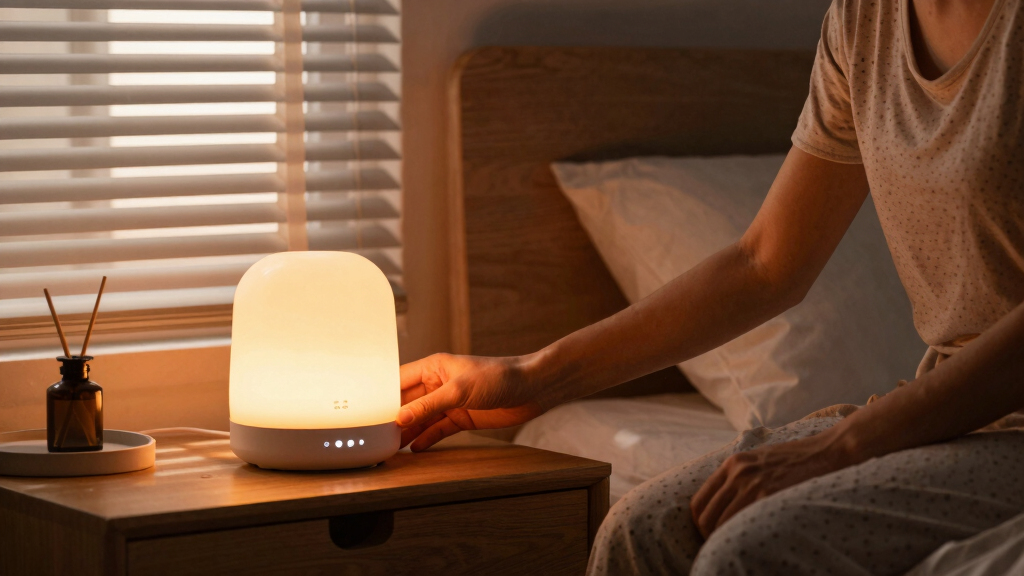
Sunset simulation with wake-up lights involves gradually dimming the light in the evening to mimic natural dusk. It helps regulate your circadian rhythm, making it easier to fall asleep and wake refreshed. Proper use and recent tech advancements make this a simple, effective sleep aid.
Sunset simulation cues your body to produce melatonin, helping you fall asleep faster.
Set your light to gradually dim over 15-60 minutes, using warm, calming colors.
Pair sunset dimming with relaxing activities to enhance its sleep-inducing effects.
Modern lights with smart features and customizable settings create a more natural and effective wind-down.
Consistency is key—use your sunset routine at the same time each evening for best results.
How Sunset Simulation Triggers Your Body’s Sleep Signals
Sunset simulation is a gentle way to tell your brain it’s time to wind down. By gradually dimming the light, your body perceives that the day is ending. This perception is crucial because it activates your internal biological clock, known as the circadian rhythm, which regulates sleep-wake cycles. When your circadian rhythm detects diminishing light, it signals the pineal gland to produce melatonin, the hormone responsible for making you feel sleepy. This process is a finely tuned system evolved over millions of years, aligning our sleep patterns with the natural environment. When you mimic this natural cue artificially, you reinforce your body’s expectation of bedtime, which can be especially beneficial in urban settings where artificial lighting often disrupts natural cues. The implications are significant: consistent sunset simulation can help stabilize your sleep schedule, improve sleep quality, and reduce sleep latency. However, it requires understanding that this isn’t just about dimming light; it’s about synchronizing your internal clock with environmental cues, which might involve tradeoffs such as adjusting your routine or ensuring no conflicting light sources interfere.
For example, a person who uses their light to dim from full brightness to near darkness over 30 minutes reports falling asleep faster and feeling more rested. This mimics the natural sunset, which triggers the body’s internal clock to prepare for rest, according to an anonymous researcher.
As an affiliate, we earn on qualifying purchases.
3 Simple Steps to Use Your Wake-Up Light for Sunset Wind-Down
- Set the dimming schedule: Choose a 15 to 60-minute window that matches your bedtime routine. Longer durations allow for a more gradual transition, which can be more effective in signaling your body to relax. However, too long a period might cause your routine to extend unnecessarily, so find a balance that fits your schedule and comfort level. The tradeoff here involves timing versus effectiveness—longer periods may deepen relaxation but could also delay your sleep onset if not aligned with your bedtime.
- Customize the light’s color and brightness: Opt for warmer, amber tones that resemble dusk. These colors are less likely to interfere with melatonin production compared to blue or white light, which can inhibit melatonin synthesis. The choice of hue can influence how quickly your body perceives it’s time to wind down, with warmer tones signaling relaxation. The implication is that not all light is equal; selecting the right spectrum enhances the effectiveness of sunset simulation and minimizes potential disruptions to your sleep cycle.
- Pair with calming routines: Turn off screens, lower noise levels, or play soft music—this combo signals your body it’s time to relax. Combining light therapy with behavioral cues reinforces the wind-down process. The tradeoff involves effort and consistency; integrating these routines requires discipline but significantly enhances sleep quality. Over time, your brain associates these cues with bedtime, strengthening the sleep-inducing effects of sunset simulation.
For instance, a person who sets their light to fade from 100% brightness to near darkness over 20 minutes, while listening to ambient sounds, finds it easier to fall asleep. This routine becomes a comforting ritual, cueing the brain that it’s time to rest.
As an affiliate, we earn on qualifying purchases.
Compare Sunset and Sunrise Simulation: Which One Fits Your Routine?
| Feature | Sunset Simulation |
|---|---|
| Purpose | Prepares your body for sleep by dimming the light as evening approaches |
| Timing | Starts 15-60 mins before bedtime |
| Light effect | Gradual dimming to darkness |
| Benefits | Promotes relaxation, reduces sleep onset time |
While sunset simulation signals your body to wind down by mimicking the natural decrease in light, sunrise simulation is designed to gently wake you up by gradually increasing light intensity, simulating dawn. Both tap into natural rhythms but serve different needs — sunset helps you relax and prepare for sleep, while sunrise promotes a more natural awakening. Choosing between them depends on your lifestyle and sleep issues. If you struggle with falling asleep or have difficulty maintaining a consistent sleep schedule, sunset simulation can be a valuable tool to reinforce your body’s readiness for rest. Conversely, if waking up feels abrupt or groggy, incorporating sunrise simulation can help ease the transition from sleep to wakefulness. The tradeoff is that using both in tandem requires careful timing and setup but offers a comprehensive approach to aligning your sleep cycle with natural light cues, potentially leading to better overall sleep health.
As an affiliate, we earn on qualifying purchases.
What Features Make a Wake-Up Light Good for Sunset Simulation?
- Adjustable dimming schedules: Custom timing ensures the light matches your bedtime and personal preferences. This flexibility allows you to tailor the wind-down period to your specific needs, whether you prefer a quick fade or a more gradual transition. The implication is that a one-size-fits-all approach isn’t ideal—personalization enhances effectiveness and comfort.
- Warm light tones: Amber, orange, or soft yellow colors simulate dusk convincingly, signaling relaxation to your brain. These hues are less disruptive than blue or white light, which can inhibit melatonin. The choice of color impacts how naturally your body perceives it’s evening, influencing the success of your routine.
- Smooth, gradual dimming: Avoid abrupt changes that can jolt you awake or disrupt your relaxation. A seamless transition supports the body’s natural response to decreasing light, reinforcing the signal that it’s time to sleep. The tradeoff involves selecting a device with reliable dimming capabilities, which may cost more but yields better results.
- Additional calming features: Ambient sounds or aromatherapy options can enhance the wind-down effect by engaging multiple senses. These features can deepen relaxation, but they also add complexity and cost, so choosing a device with integrated options can streamline your routine and improve the overall experience.
smart wake-up light with sunset timer
As an affiliate, we earn on qualifying purchases.
As an affiliate, we earn on qualifying purchases.
Latest Tech Trends: Making Sunset Simulation Smarter and More Natural
Modern wake-up lights are smarter than ever. Many now integrate with voice assistants like Alexa or Google Home, letting you control settings via voice commands or automate routines. Some models use full-spectrum LEDs that more accurately mimic natural sunset colors, creating a more authentic experience. Apps give you detailed control over dimming times, colors, and sounds, turning your phone into a personal sleep assistant. These advancements aim to improve personalization, making sunset simulation more seamless and tailored to individual preferences. The implications are profound: with smarter devices, you can fine-tune your routine, respond to environmental changes, and even receive sleep analytics that help optimize your schedule. For example, a recent model offers a sunset timer that adjusts based on your sleep data, gently dimming more slowly if you tend to take longer to fall asleep. These innovations mean you can craft a personalized, natural wind-down routine that syncs perfectly with your schedule, ultimately leading to improved sleep quality and consistency.
How to Maximize Your Sunset Routine for Better Sleep
- Stick to a consistent schedule—set your sunset timer to start at the same time each evening. Consistency reinforces your body’s expectations and strengthens your circadian rhythm, making it easier to fall asleep and wake up refreshed.
- Create a calming environment—dim the lights in your room, turn off screens, and lower noise levels. A quiet, dark space enhances the effectiveness of the light cue and reduces environmental disruptions that can interfere with sleep quality.
- Pair light dimming with relaxing activities—reading, gentle stretching, or listening to soft music. These activities help transition your mind and body into a restful state, making the light cue more effective and reinforcing a bedtime routine.
- Be patient—your body needs time to adjust, so give it at least a few nights to notice improvements. Consistent practice is key; over time, your sleep quality should improve as your body adapts to the new routine.
Frequently Asked Questions
How does sunset simulation differ from sunrise simulation?
Sunset simulation dims the light gradually to signal your body it’s time to wind down, promoting relaxation. Sunrise simulation brightens the room slowly to wake you up naturally. Both use light cues but serve different parts of your day.Can sunset simulation help with sleep troubles?
It can support better sleep by aligning your internal clock, especially if you struggle with falling asleep or have irregular routines. However, it works best when combined with good sleep habits and consistency.How long should I set my sunset dimming to last?
Most people find 20 to 30 minutes effective, but it depends on your routine. Longer durations create a more gradual transition, which can be helpful if you need more time to relax.Are there any risks to using sunset simulation?
Generally safe for most people. If you have light sensitivities or skin conditions, consult with a healthcare professional. Avoid overly bright or intense colors that could disrupt your relaxation.What’s the best way to start using sunset simulation?
Begin by setting your light to dim from full brightness to near darkness over about 20 minutes, about an hour before bed. Pair it with calming routines, and stick to the same schedule to build a comforting habit.Conclusion
Using your wake-up light for sunset simulation isn’t just a gimmick; it’s a simple way to mimic nature’s calming signals. When you craft a cozy, dimming routine, your body learns to unwind naturally. Imagine your room filling with a soft amber glow, inviting sleep like a gentle tide—this is the power of a well-timed sunset in your own home. Try it tonight, and watch your sleep improve, one peaceful evening at a time.Halloween Picks
halloween
As an affiliate, we earn on qualifying purchases.