TL;DR

Get wellness gear delivered free with Prime
- Fast, free delivery on millions of items
- Prime Video, Amazon Music and more included
- Member-only deals all year
Sunrise alarms simulate natural morning light, helping students wake up more refreshed and less groggy. They’re compact, customizable, and increasingly smart, making dorm mornings smoother and more natural.
Imagine waking up to the soft glow of a rising sun, instead of a blaring buzzer. It sounds dreamy, but it’s more doable than you think, especially with dorm-friendly sunrise alarms.
These tiny devices pack a big punch — mimicking the natural light that signals your body to wake up. Perfect for dorm rooms, they fit on a desk or bedside table without fuss. If you’re tired of feeling groggy, this guide will show you how to pick the right one, set it up easily, and enjoy sunnier mornings every day.
Choose a sunrise alarm with adjustable brightness and multiple sound options to customize your wake-up experience.
Placement matters: position your alarm where light can reach your face easily, even in windowless dorm rooms.
Smart features like app control and sunset timers can boost your routine and relaxation.
Energy-efficient LEDs and sustainable designs make modern alarms eco-friendly and budget-friendly.
Don’t forget, a good sunrise alarm supports your sleep rhythm — but it’s just one part of healthy sleep habits.
Sunrise Alarms for Students
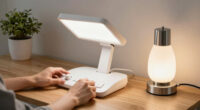
Dorm-friendly wake-up setups replace the morning jolt with a gradual wash of warm light. Compact, customizable wake-up lamps can make dark-room mornings feel calmer while supporting the light cues your body uses to transition from sleep to alertness.
Accessible options cover the essential light-ramp, sound, and timer functions.
Increase in alertness and mood cited in the supplied student alarm brief.
No window, wall mounting, or complicated installation required.
A softer signal for a sharper start
A traditional alarm demands instant attention. A sunrise alarm builds a visual cue over time, helping the transition into wakefulness feel less abrupt after late study sessions, social nights, or irregular class schedules.
Less jolt, less morning friction
Warm light rises gradually instead of relying on one sudden burst of noise. Optional nature sounds can join only near the end of the light cycle.
Light supports the sleep–wake rhythm
Consistent morning light can reinforce the timing signals associated with alertness. It works best when paired with regular sleep and wake times.
A private dawn in a dark room
Because the device generates its own light, it remains useful in basement rooms, winter mornings, and windowless dorms.
Sunrise glow versus the standard beep
The biggest difference is sequencing: a wake-up light begins the transition before the target time, while a conventional alarm delivers its main signal at a single moment.
| Morning factor | Sunrise alarm | Regular alarm | Dorm impact |
|---|---|---|---|
| Wake-up cue | ✓ Gradual light | ✗ Sudden sound | Creates a calmer transition |
| Customization | ✓ Hue, brightness, sound | ~ Usually sound only | Adapts to sleepers and schedules |
| Windowless use | ✓ Simulated daylight | ~ No light cue | Useful during dark winter mornings |
| Roommate disruption | ✓ Light or soft audio | ✗ Often loud | Can reduce abrupt shared-room noise |
| Wind-down support | ✓ Sunset timer available | ✗ Rarely included | One device can support both routines |
Build your dorm-room dawn
Setup is simple, but placement and calibration determine whether the light reaches you effectively without overwhelming a roommate.
Give the light a clear path
Place the alarm on a stable desk or bedside surface facing your pillow. Avoid hiding it behind books, a monitor, or a raised bed frame.
Anchor the wake-up time
Select your target time with the controls or app. Keep it consistent where possible so the light cycle reinforces a repeatable routine.
Test light and sound
Start at medium brightness, choose a warm hue, and add a gentle sound backup. Adjust after two or three real mornings.
Spend on the features you will use daily
Brightness range, ease of control, and a small footprint matter more than an overloaded feature list. Choose around your room, habits, power outlets, and roommate situation.
Adjustable intensity and hue
Look for warm-to-bright settings and enough output for a dark room.
Nature, radio, beep, or silence
Multiple choices let you balance reliability with roommate comfort.
Compact, stable, portable
A small base should leave room for a phone, books, and water bottle.
USB, AC, battery, or app
Check cable length, outlet access, backup power, and phone compatibility.
Smarter, greener, more versatile
Recent models are evolving from standalone clocks into multi-purpose bedside devices. The best extras reduce routine friction without making the basic alarm harder to use.
App and voice control
Edit alarms from bed, save routines, or connect with supported smart-home ecosystems.
Convenience layerFull-spectrum LEDs
More nuanced pink, amber, and bright-white transitions can create a more realistic dawn.
Better simulationEnergy-saving design
Efficient LEDs and more sustainable materials reduce energy use and environmental impact.
Eco-minded choiceMulti-sensory routines
Sleep tracking, ambient light, vibration, Bluetooth, and aromatherapy may share one device.
Premium extrasFrom bedside glow to better mornings
The alarm is most useful as a repeatable cue inside a wider sleep routine—not as a standalone cure for chronic sleep loss.
Best results come from consistency: use the same wake window, allow enough sleep, dim evening light, and treat the alarm as one part of healthy sleep hygiene.
Before the first sunrise
A few practical checks can prevent overbuying and help the device work effectively from the first week.
Does it work without a window?
Yes. The device supplies the simulated light itself, so it can work in windowless rooms when positioned with a clear path to your face.
Will it disturb someone else?
It may, especially at high brightness. Use directional placement, lower starting levels, and light-only or soft-sound settings when sharing.
Should sound stay enabled?
Use a gentle audio backup for exams, travel days, or early classes until you know that the light alone wakes you consistently.
Can it fix a sleep disorder?
No. Wake-up light can support routines, but persistent insomnia, extreme fatigue, or other serious sleep concerns warrant professional medical advice.
The alarm helps—but sleep duration still leads
Pair morning light with enough sleep, a consistent schedule, reduced late-night screen exposure, and a realistic evening wind-down. A beautiful sunrise cannot compensate for routinely going to bed too late.
Why a sunrise alarm beats a regular beep for dorm mornings
Sunrise alarms are designed to wake you gradually with light, not noise. Think of it like a sunrise slowly filling your room with warm, amber hues, nudging you awake gently. In contrast, a traditional alarm clock jolts you awake with a harsh sound, often leaving you groggy.
For students in dorms, this makes a big difference. You wake up feeling more alert and less stressed — especially helpful after late-night study sessions or social nights. Plus, the soft light helps your body get ready to face the day, supporting your natural sleep-wake cycle.
For example, one student reported that switching to a sunrise alarm helped her feel less anxious about mornings, even during exam week.
As an affiliate, we earn on qualifying purchases.
What features make a dorm-friendly sunrise alarm a great pick?
Not all alarms are created equal. When choosing a dorm-friendly sunrise alarm, look for these key features:
- Adjustable brightness and color temperature: Mimics sunrise hues from soft pinks to bright amber, customizable for your preference. This customization is important because it allows you to tailor the wake-up experience to what feels most natural and energizing for you, helping to reduce morning grogginess and improve alertness.
- Multiple sound options: Gentle nature sounds, radio, or silence—so you can wake up peacefully. The variety matters because different students respond better to different stimuli; some may prefer complete silence, while others find soft sounds more effective.
- Gradual light increase: Sets the pace for a gentle awakening, not a shock. A slow ramp-up helps your body transition from sleep to wakefulness smoothly, reducing the stress and disorientation that sudden alarms can cause.
- Compact and portable design: Fits easily on a desk or bedside table, perfect for limited dorm space. Portability means you can easily move it around or take it with you if needed, ensuring consistent wake-up routines regardless of your setup.
- Additional features: Sunset timers, Bluetooth, or even aromatherapy support can enhance your wake-up routine. These extras offer a more personalized experience, promoting relaxation or a more natural sleep cycle, which can improve overall sleep quality and morning alertness.
For instance, a student in a tiny dorm found that a compact device with adjustable hues and soft sounds made mornings feel calmer and more personal. Such features are not just luxury—they can significantly influence how refreshed and ready you feel in the morning.
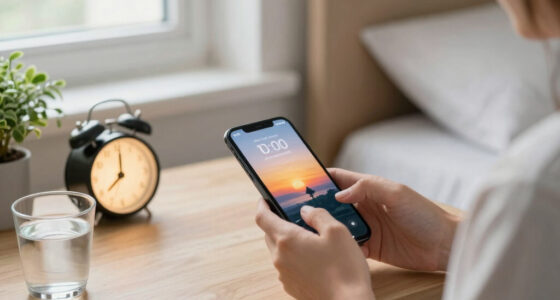
compact wake-up light for students
As an affiliate, we earn on qualifying purchases.
As an affiliate, we earn on qualifying purchases.
How to set up your dorm sunrise alarm in 3 simple steps
- Plug it in and position: Place your alarm on your desk or bedside table where the light can spread evenly across your face as you wake. Proper placement ensures the light hits your eyes directly, which is crucial for triggering your body’s natural wake-up response.
- Set your wake-up time: Use buttons or an app to choose your preferred time, making sure it fits your schedule. Accurate setting aligns the light’s gradual increase with your desired wake-up moment, helping you wake up feeling more natural and less rushed.
- Customize the light and sound: Adjust brightness and select your favorite sound. Test it out to find what feels most natural. Fine-tuning these settings ensures the alarm complements your sleep cycle and personal preferences, maximizing comfort and effectiveness.
One student shared that after just a few minutes of setup, she was waking up feeling more refreshed, even in her windowless dorm room. Proper setup is key because an improperly positioned or poorly configured alarm can diminish its effectiveness, making it less likely to support your natural rhythms.
smart sunrise alarm with app control
As an affiliate, we earn on qualifying purchases.
As an affiliate, we earn on qualifying purchases.
Latest tech tricks: smarter, greener, and more versatile alarms
Recent models now include smart features that make mornings even easier. Think app control, voice commands, and integration with smart home systems like Alexa or Google Assistant. These let you tweak your wake-up routine from your phone or with your voice, no fuss needed. The convenience of remote control and automation means you can set your alarm to start gradually increasing even before you wake up, creating a seamless transition from sleep to wakefulness.
Advances in LED tech mean more realistic sunrises—full spectrum hues that mimic real dawn. This not only enhances the natural feel but can also influence mood and alertness more effectively. Plus, eco-friendly designs with energy-efficient LEDs and sustainable materials are hitting the market, appealing to environmentally-conscious students. These innovations reduce energy consumption and environmental impact, aligning with a sustainable lifestyle.
Some alarms even combine features like sleep tracking, ambient lighting, and gentle vibrations or aromatherapy, turning your wake-up into a calming ritual. These multi-sensory approaches can improve sleep quality by reinforcing healthy routines and making mornings more pleasant, especially in the often stressful dorm environment.
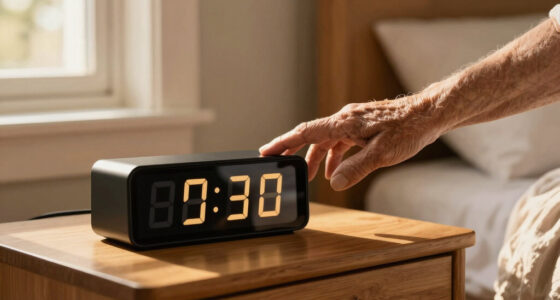
adjustable brightness wake-up lamp
As an affiliate, we earn on qualifying purchases.
As an affiliate, we earn on qualifying purchases.
What dorm students need to know before buying a sunrise alarm
Choosing the right alarm isn’t just about price — consider size, brightness, sound, and compatibility. If your room is tiny or windowless, opt for a model with higher brightness levels and adjustable hues. This ensures the wake-up light is effective even without natural sunlight, helping you wake up naturally instead of feeling jarred awake.
Think about power sources too: USB, batteries, or plug-in options. Compatibility with your smartphone or smart home devices can add convenience, allowing you to control your alarm remotely or integrate it into your routine seamlessly. And don’t forget to read reviews to find out how real students feel about ease of use and reliability, as these factors directly influence your experience and consistency.
For example, one student chose a model with a sunset timer and Bluetooth, making her evening wind-down routine more relaxing and her mornings smoother. Selecting features that match your habits and space ensures the alarm supports your sleep health and daily schedule effectively.
Can a sunrise alarm fix your sleep schedule or just make mornings nicer?
Sunrise alarms support better sleep routines by reinforcing your body’s natural clock, but they aren’t magic. If you’re struggling with irregular sleep or sleep disorders, they can help create a consistent wake-up time, which is vital for quality sleep. By establishing a predictable morning cue, they help reset your circadian rhythm, reducing sleep inertia and morning grogginess over time.
However, they’re not substitutes for medical advice if sleep issues are serious. For jet lag or shift work, they can ease the transition by signaling your body when to wake up or wind down, aligning your internal clock with external cues. This can lead to more restful sleep and easier mornings, but only when combined with good sleep hygiene and, if necessary, professional guidance.
One student used a sunrise alarm to help her adapt to a new time zone, and she reported waking up feeling more rested after just a few days. These devices are tools to support your sleep health, but understanding their limits is key to using them effectively.
Frequently Asked Questions
Are sunrise alarms effective in windowless dorm rooms?
Yes, because they produce their own simulated sunrise light. This makes them perfect for dorm rooms without windows or with limited natural light, helping you wake up more naturally regardless of external sunlight.
How do I pick the best sunrise alarm for my small dorm space?
Look for compact, portable models with adjustable brightness and multiple sound options. Consider features like Bluetooth or app control for added convenience, and read reviews to find something reliable that fits your needs and budget.
Can sunrise alarms help with irregular sleep schedules?
They can support a consistent wake-up routine, which is key for maintaining healthy sleep habits. While not a cure-all, they help reinforce your body’s natural rhythms and make mornings less stressful.
Are sunrise alarms noisy or disruptive?
Most are designed to be gentle, with gradually increasing light and optional soft sounds, so they minimize disturbance and make waking up more peaceful.
How do I set up my sunrise alarm for the first time?
Simply plug it in, position it where light can reach your face comfortably, select your wake-up time, then customize brightness and sound. A quick test will help you fine-tune the settings for the perfect start to your day.
Conclusion
Waking up doesn’t have to feel like a jolt. With a dorm-friendly sunrise alarm, you can start each day gently, naturally, and more alert. It’s a small change that can turn your mornings from stressful to serene.
Imagine opening your eyes to the soft glow of dawn, ready to face the day with a smile. That’s the power of a good sunrise alarm — a simple switch for a better morning.
Halloween Picks
halloween
As an affiliate, we earn on qualifying purchases.