TL;DR

Get wellness gear delivered free with Prime
- Fast, free delivery on millions of items
- Prime Video, Amazon Music and more included
- Member-only deals all year
SAD lamps emit a concentrated, high-intensity light designed to mimic natural sunlight and boost mood, while regular bright lamps provide general illumination with lower lux levels. Knowing these differences helps you pick the right light for your goals.
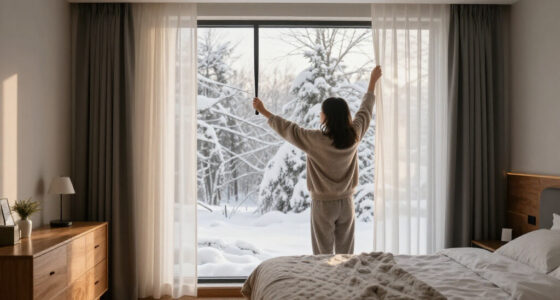
Imagine waking up on a gray winter morning, feeling sluggish and a little down. Now, picture a bright, white light flooding your room—something you turn on intentionally to lift your spirits. That’s the power of a SAD lamp. But what exactly makes it different from the regular lamp shining on your desk or in your living room?
Understanding these distinctions isn’t just about technical details. It’s about knowing which light can truly support your mood, sleep, or energy levels. Whether you’re battling seasonal blues, adjusting to shift work, or just want better mornings, this guide clarifies what makes SAD lamps special—and when regular lamps just won’t do.
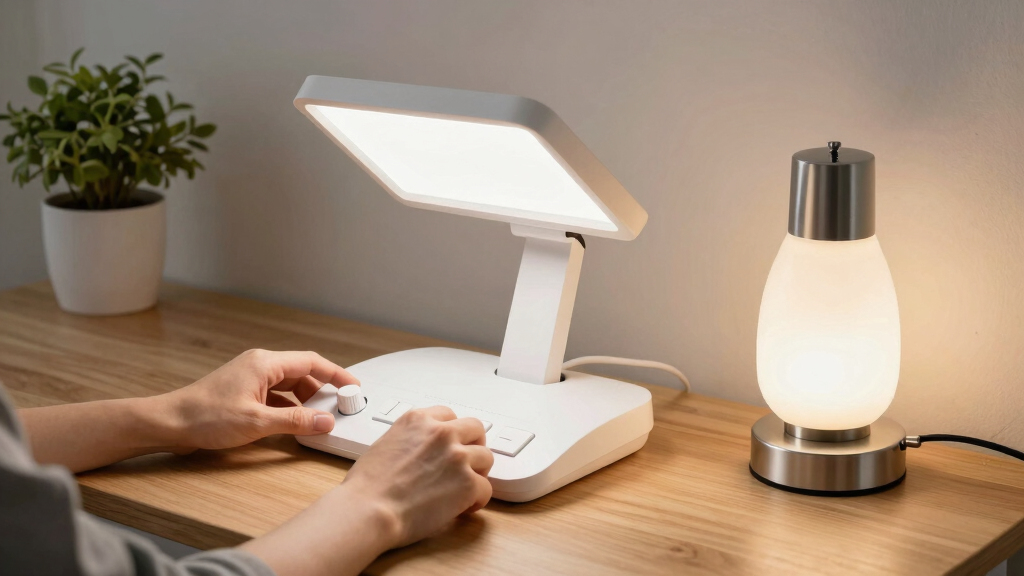
SAD lamps emit 10,000 lux of full-spectrum light, mimicking natural sunlight, and are designed specifically to influence mood and sleep cycles.
Regular bright lamps are suitable for illumination but lack the intensity and spectrum needed for therapeutic benefits.
Use a SAD lamp in the morning for 20-30 minutes, placing it about 16 inches from your face, to get the best results.
Recent innovations include blue-enriched light and portable designs, making therapy more flexible and effective.
Always follow safety guidelines—UV filters matter, and overexposure can cause eyestrain or headaches.
SAD Lamps vs. Regular Bright Lamps
Both can brighten a gray morning—but only one is engineered to deliver a strong biological light signal. The defining differences are intensity, spectrum, timing, positioning, and therapeutic purpose.
Illumination is not the same as light therapy
A regular lamp helps you see. A SAD lamp is designed to expose the eyes to measured bright light that can support circadian timing, alertness, and seasonal mood treatment.
A much stronger signal
Therapy lamps commonly target 10,000 lux. Household lamps generally provide only 300–800 lux at the user, depending on the bulb and distance.
Daylight-oriented output
SAD lamps commonly use broad-spectrum white or blue-enriched light. Regular lighting prioritizes room ambiance, task visibility, and color preference.
Biological cue vs. décor
Light therapy follows a deliberate dose, distance, and schedule. A bright desk lamp has no defined therapeutic protocol or guaranteed lux at the eyes.
| Feature | SAD lamp | Regular bright lamp | Why it matters |
|---|---|---|---|
| Output at use distance | About 10,000 lux | Usually 300–800 lux | Intensity determines the strength of the light cue reaching the eyes. |
| Therapeutic design | ✓Purpose-built | ✕General illumination | Brightness alone does not establish an effective therapy dose. |
| Spectrum | ✓Broad or blue-enriched | ~Varies by bulb | Short-wavelength light has a particularly strong circadian effect. |
| Color temperature | Often 5000K–6500K | Often 2700K–5000K | Daylight-like white light can feel more alerting than warm ambient light. |
| UV protection | ✓Look for UV-filtered | ~Not therapy-rated | A therapy lamp should minimize ultraviolet exposure to eyes and skin. |
| Use pattern | Timed morning session | Used whenever light is needed | Consistent timing is central to circadian light therapy. |
How to use a SAD lamp correctly
Start in the morning
Use it within roughly one hour of waking unless a clinician recommends another schedule.
Set the right distance
Place it about 16–24 inches away or at the manufacturer’s specified 10,000-lux distance.
Use indirect light
Keep your eyes open, but do not stare into the panel. Position it slightly above eye level.
Repeat consistently
A common starting routine is 20–30 minutes daily, adjusted for response and professional advice.
Relative light intensity
Scale compares 800 lux with 10,000 lux. Actual exposure depends on distance, angle, panel size, and device specifications.
Safety checklist
- Choose UV-filtered: verify that the device blocks harmful ultraviolet light.
- Watch your response: reduce exposure if you experience headache, agitation, glare, or eyestrain.
- Protect sleep: avoid late-evening use unless it is part of a professionally guided schedule.
- Ask first when needed: seek medical advice for eye conditions, bipolar disorder, or light-sensitive medication.
New features improve convenience—not equivalence
Both categories are becoming more adjustable and portable. Therapeutic value, however, still depends on verified intensity, suitable spectrum, safe design, and correct use.
More targeted spectra
New therapy devices may emphasize circadian-sensitive wavelengths while controlling overall glare and energy use.
Therapy that travels
Compact panels and stands make consistent sessions easier for commuters, travelers, and shift workers.
Timers and app controls
Personalized brightness, reminders, and session tracking can improve routine adherence—but cannot replace adequate lux.
What Is a SAD Lamp and How Does It Differ from Everyday Lamps?
A SAD lamp is a specialized device designed to simulate natural sunlight, which is crucial because our bodies rely heavily on natural light cues to regulate our internal clocks and mood. The intense brightness—around 10,000 lux—mimics outdoor conditions during peak daylight hours, providing a powerful stimulus that can reset circadian rhythms and elevate serotonin levels. Regular lamps, by contrast, produce far less light—usually between 300 and 800 lux—and lack the broad spectrum and intensity needed to influence biological processes. This difference is significant because it means SAD lamps can actively influence mood and sleep, whereas typical lamps mainly serve aesthetic or ambient purposes. The implication is that using a regular lamp for mood regulation or circadian adjustment is ineffective because it doesn’t deliver the necessary light intensity or spectrum, potentially leading to frustration or unmet expectations. Therefore, understanding these design differences helps you choose the right tool for specific health or mood goals, recognizing that not all bright lights are therapeutically equal.
As an affiliate, we earn on qualifying purchases.
The Big Difference: Light Intensity and Spectrum That Matter
| Feature | SAD Lamps |
|---|---|
| Lux Output | Typically 10,000 lux, mimicking bright outdoor sunlight, which is necessary to trigger biological responses like mood elevation and circadian resetting. |
| Spectrum | Full-spectrum, including blue light, which plays a key role in regulating circadian rhythms and stimulating alertness. This spectrum closely resembles natural sunlight, enhancing effectiveness. |
| Color Temperature | Usually around 5000K-6500K, matching daylight, which helps the brain interpret the light as natural sunlight, reinforcing the body’s natural responses. |
Regular bright lamps generally emit less than 1,000 lux and often focus on warm or cool tones for aesthetic or ambient purposes. They lack the intensity and spectrum needed to influence mood or biological clocks. This means they can illuminate a space but don’t provide the biological signal required for therapeutic effects. For instance, if you want to combat winter depression or reset your sleep schedule, a high-lux, full-spectrum SAD lamp provides a stimulus strong enough to influence brain chemistry, whereas a regular lamp offers no such benefit. The tradeoff is that SAD lamps require specific positioning and consistent daily use to be effective, emphasizing that not all bright lights are created equal in their capacity to promote mental health and circadian health.
full-spectrum light therapy lamp for seasonal affective disorder
As an affiliate, we earn on qualifying purchases.
As an affiliate, we earn on qualifying purchases.
When and How to Use a SAD Lamp — Get It Right
- Choose a time in the morning—preferably within an hour of waking—to align the light exposure with your body’s natural circadian phase, maximizing mood and alertness benefits.
- Set the lamp about 16-24 inches from your face, slightly above eye level, so the light reaches your eyes indirectly. Proper positioning ensures the light stimulates your retina without causing discomfort or glare.
- Use it for 20-30 minutes daily, ideally at consistent times, to reinforce your circadian rhythm and mood regulation. Adjust duration based on personal response; some may need slightly longer or shorter sessions.
- Avoid looking directly into the light to prevent eye strain or discomfort. Instead, keep your gaze slightly downward or to the side, allowing the light to diffuse naturally.
- Consistency is critical—daily use helps establish a routine, making the benefits more reliable and noticeable over time. Missing days can diminish the therapeutic effects.
Imagine a shift worker who uses the lamp during their morning break. Over a week, they might notice a lift in energy and mood, especially during dark, dreary months. Regular lamps don’t require this routine—they’re just for illumination, after all, and won’t influence your biological clock or mood in a meaningful way. The key is understanding that proper timing and consistent use maximize the benefits of a SAD lamp, turning a simple device into a powerful tool for mental health.
As an affiliate, we earn on qualifying purchases.
What Recent Trends Are Shaping Light Therapy and Regular Lighting?
Innovations in SAD lamps include blue-enriched light and portable designs. Some now connect to apps, allowing users to customize brightness, timers, and even adjust spectrum, making light therapy more adaptable to individual routines and preferences. These advancements mean you can tailor therapy sessions to your schedule and needs, increasing adherence and effectiveness.
Meanwhile, regular lamps are evolving to include smart features, such as adjustable color temperatures and remote control via apps, aiming to enhance ambiance and convenience. However, despite these improvements, they still lack the high lux levels and spectrum precision necessary for therapeutic effects. They brighten a room but cannot replicate the biological impact of natural sunlight, which is why they remain primarily aesthetic tools. For example, a person might use a sleek, portable SAD lamp during a winter trip to maintain mood, while their home lighting remains just for ambiance. The trend toward smarter, more customizable lighting shows a growing awareness of individual needs but also highlights that therapeutic efficacy requires specific technical features that regular lamps don’t yet fully offer.
portable SAD lamp for winter blues
As an affiliate, we earn on qualifying purchases.
As an affiliate, we earn on qualifying purchases.
Key Facts You Should Know About Light Therapy and Regular Lighting
- SAD lamps emit around 10,000 lux, which is essential to influence circadian rhythms and mood. This high intensity is necessary because lower lux levels don’t produce the biological signals needed for mood enhancement or sleep regulation.
- Using a SAD lamp in the morning can significantly improve energy, alertness, and reduce seasonal mood swings by providing a strong environmental cue that entrains your internal clock.
- Proper safety features, like UV filters, are standard—these protect your eyes and skin from potential damage. Avoiding UV exposure with regular lamps is less critical because they emit negligible UV radiation, but it’s still good practice to ensure safety.
- Overexposure to high-intensity light can cause headaches, eyestrain, or agitation. Following recommended usage times and maintaining proper distance minimizes these risks, ensuring you benefit without discomfort.
- Light therapy isn’t a cure-all—combine it with good sleep habits, regular routines, and, if needed, professional guidance for optimal results. It’s a tool that works best as part of a holistic approach to health.
Your Burning Questions About SAD and Brightness Answered
Question 1: How do SAD lamps actually lift mood?
They stimulate brain areas linked to happiness by mimicking natural sunlight, which increases serotonin production and helps regulate circadian rhythms, leading to improved mood and alertness during darker months. The intensity and spectrum are crucial because they activate these pathways effectively, unlike dimmer or spectrum-limited lights.
Question 2: Can I use a regular lamp instead?
No, regular lamps don’t provide the necessary light intensity or spectrum to trigger the biological processes involved in mood regulation or sleep-wake cycle adjustments. Relying on them for therapeutic purposes is ineffective and may lead to disappointment or neglect of proper treatment.
Question 3: Are SAD lamps safe?
Yes, when used correctly. Most models include safety features like UV filters and recommended usage guidelines. Proper distance, session duration, and avoiding staring directly into the light help prevent eye strain or other side effects, making them a safe option for most users.
Question 4: How long should I sit in front of a SAD lamp?
Typically 20-30 minutes each morning, but individual needs vary. Consulting a healthcare professional can help tailor the duration and timing to your specific circadian rhythm and health goals, ensuring maximum benefit while minimizing risks.
Question 5: Can these lamps help with jet lag or shift work?
They can assist in adjusting your internal clock by providing a strong environmental cue, but they’re primarily designed for SAD. Using them as part of a broader routine—including light exposure at strategic times and good sleep hygiene—can enhance effectiveness for jet lag or shift work adaptation.
Conclusion
Knowing the difference between SAD lamps and regular bright lamps isn’t just about technical specs. It’s about choosing the right tool to brighten your days and support your sleep. When used correctly, a SAD lamp can be a simple yet powerful way to boost your mood during the darkest months.
Remember: light is a natural ally — harness it wisely, and it can help you feel more energized, balanced, and ready for whatever lies ahead.
Halloween Picks
halloween
As an affiliate, we earn on qualifying purchases.