TL;DR
A wake-up light alarm clock gradually brightens before your alarm time to imitate a sunrise and offer a gentler cue to wake. Brightness at your eyes, placement, and personal sensitivity affect the experience, so use an audible backup if waking on time matters. A typical clock is not necessarily bright enough for clinical light therapy.
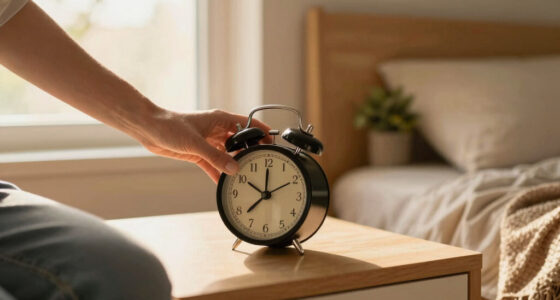
Your alarm can go beep, beep, beep while the room stays dark—and that sharp sound can make a winter morning feel even longer. A wake-up light alarm clock takes a different approach: it gradually brightens before a set alarm time, aiming to imitate a sunrise while you’re still in bed.

Get wellness gear delivered free with Prime
- Fast, free delivery on millions of items
- Prime Video, Amazon Music and more included
- Member-only deals all year
This guide explains what they are, what the light can realistically do, and which details matter when you compare models. You’ll also learn why a sound backup is still useful, how to place the clock, and why an everyday sunrise alarm isn’t automatically a light therapy device.
The idea is simple; the fit is personal. For example, a clock on the bedside table may brighten the face of someone sleeping toward it, while a partner facing the wall barely notices it. A few practical checks can help you choose a setup that feels calmer without relying on promises the device can’t make.
A wake-up light clock often brightens over 15–60 minutes, but the best ramp length depends on your routine and preference.
Check lux at a stated distance; a maximum brightness claim alone doesn’t reveal how much light reaches your eyes at the bedside.
Use an audible backup if you need to wake at a specific time or tend to sleep through light.
Confirm display dimming, power-outage behavior, and whether core alarms work without an app or Wi-Fi.
Treat sunrise and sunset modes as routine cues, not guaranteed sleep improvements or clinical light therapy.
What a Wake-Up Light Alarm Clock Does Before Your Alarm
A wake-up light alarm clock gradually brightens before a set alarm time, often across a 15–60 minute ramp, to imitate a sunrise. Many models pair the light with a conventional sound alarm, and some add sunset dimming, nature sounds, FM radio, or phone controls. The light is a waking cue, not a promise that you’ll wake easily every time.
Say your alarm is set for 7:00 a.m. and the ramp lasts 30 minutes. At 6:30, the clock begins with a faint glow; by 7:00, it reaches the brightness you selected, and a tone may sound. That gradual change can feel less abrupt than a sudden alarm, especially when your room is dark behind blackout curtains.
Terms such as “sunrise alarm” and “wake-up light” describe a product style. They don’t tell you whether the device delivers clinically effective light therapy. Brightness, light spectrum, timing, and the distance from the clock to your eyes all affect how much light reaches you.
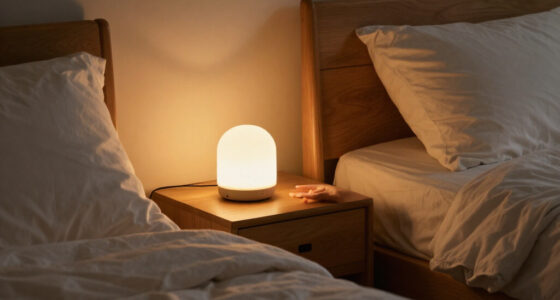
Some clocks also dim in the evening, fading through warmer shades as you settle down. That can give you a gentle cue to start your bedtime routine: put away your phone, lower the room lights, and let the display go dark. It’s a routine aid, rather than a guarantee of better sleep.
Products Worth Considering

EGO POWER+ LB7654 Cordless Electric Leaf Blower with 5.0Ah Battery

WORX NITRO 20V Cordless 18GA Brad Nailer (WX842L)

EGO Power+ LV5000 Cordless Leaf Vacuum, Mulcher, and Blower
As an affiliate, we earn on qualifying purchases.
Why the Gradual Light Can Feel Gentler—and When You May Not Notice It
A gradual sunrise gives you a light-based cue before the sound alarm, and morning light is one signal that helps regulate your body clock. Whether you notice a difference depends on how bright the clock is at your eyes, when it starts, where you place it, and how sensitive you are to light. It may make waking feel less sudden for some people; it won’t work the same way for everyone.
Imagine a nurse finishing a night shift and sleeping in a room with heavy curtains. A timed light might fit a consistent wake-up routine, but a brightening clock could also disturb sleep if the schedule doesn’t match the nurse’s sleep hours. Shift workers may need settings that follow their own sleep window rather than a conventional early-morning schedule.
For another example, a parent might set a 20-minute ramp and place the clock where it faces the bed. Their teenager, sleeping with their back to the device under a thick duvet, may sleep right through the glow. In that situation, adjusting the position or adding sound may be more practical than choosing the longest ramp.
Winter mornings can make the idea appealing when sunrise comes late. A bedside light may offer a steady cue in a dark room, but it may be much weaker than daylight outdoors. If it suits your routine, opening the curtains or stepping outside after you get up adds a different source of morning light.
Why a Sunrise Clock Isn’t Automatically Light Therapy
A typical wake-up clock is not necessarily a treatment device for seasonal affective disorder (SAD), depression, or a sleep disorder. Clinical light therapy often uses a stated illuminance—for example, 10,000 lux at a specified distance for a prescribed duration. Many bedside alarm clocks deliver much less light at the user’s eyes, even when a large brightness figure appears in the product description.
That distance detail changes the meaning of a number. A manufacturer might report brightness close to the lamp, while you keep the clock across a nightstand or turn away in your sleep. Before relying on a specification, look for the lux measurement and the distance where it was taken. If the distance isn’t clear, the headline figure may not tell you what reaches your face.
Suppose you’re considering a sunrise clock because you feel low during winter. It could still serve as a gentle alarm, but don’t assume its sunrise function provides the same dose or schedule as clinical light therapy. If you’re considering light treatment for SAD, ask a qualified clinician about the right device and use, especially if you have an eye condition or a history of bipolar disorder.
Keep the claim modest: a clock can offer a light cue and support a waking routine. It does not guarantee improved sleep, easier mornings, or treatment for a health condition. A clear distinction helps you buy for the everyday function you want.
Compare These 8 Details Before You Choose a Model
The useful features are the ones that fit your room and habits: measurable brightness, adjustable timing, a reliable backup alarm, and controls you can use half-asleep. Check the specifications at the distance where the clock will sit, not just the maximum number on the box. A simple physical button may be worth more to you than a long list of app features.
| What to check | Why it matters | Example question |
|---|---|---|
| Brightness and distance | Light at your eyes depends on how far away the device sits. | Does the lux figure include a measurement distance? |
| Ramp and brightness controls | A shorter or longer fade may suit your room and sensitivity. | Can you adjust the sunrise duration and final brightness? |
| Sound backup | Light alone may not wake you reliably. | Can you set the tone and volume separately? |
| Night display | A bright clock face can bother you after lights out. | Can you dim or switch off the display? |
| Power interruption | Some backup batteries preserve settings but don’t run the alarm. | What stays active if power goes out? |
| Controls and connectivity | App setup or Wi-Fi can add steps or dependencies. | Do core alarms work without a phone or internet? |
| Light quality | Color options and warmth vary by model. | Can you select a comfortable sunrise color? |
| Ongoing support | Apps and connected features may change after purchase. | Does the feature you want need an account or subscription? |
Picture your morning: the bedroom is dark, your phone is charging across the room, and you need to wake at 6:15. You may value a dependable physical alarm setting and adjustable sound more than smart-home integration. Someone who enjoys customizing weekday and weekend routines may welcome an app, as long as the alarm still works if the connection drops.
Features and availability change over time, so check current model details before buying. A useful clock should make your routine simpler; if setup takes a phone, account, Wi-Fi connection, and several menus, that friction may matter more than the extra options.
Set Up Your Light and Sound So You Can Trust the Alarm
To set up a wake-up light alarm clock, choose a spot where the light can reach your face comfortably, set a realistic ramp, and keep an audible backup until you know how you respond. Follow the manufacturer’s distance guidance. These simple steps help you try the sunrise effect without asking it to do more than it can.
- Place the clock facing your usual sleep position. A bedside table is a common spot; if you roll away from the light, adjust its angle or position.
- Choose a start time before your alarm. Try a 20- or 30-minute ramp as a starting point, then adjust to taste. Many models offer roughly 15–60 minutes.
- Set a sound alarm and test it. Pick a volume you can hear and confirm that the alarm is enabled for the right days.
- Check the display and power settings. Dim the clock face at night, and learn whether any backup battery runs the alarm or only preserves settings.
- Review how it feels after several mornings. If the light is too faint, too bright, or easy to miss, change placement or settings rather than assuming the device suits every sleeper.
For example, if you need to catch a 7:10 bus, test the clock on an ordinary morning while keeping your usual sound alarm. If the light wakes you gently, you can decide whether to keep that setup. If it doesn’t, the audible backup keeps your schedule on track while you adjust.
If waking on time matters, keep sound in the plan. A sunrise light can be a helpful cue, but a heavy sleeper, hard-of-hearing sleeper, or anyone with a time-critical morning may need an alarm method suited to their needs.
Build a Bedtime Routine Without Letting the Clock Run Your Night
A sunset mode can help you mark the end of the day by gradually dimming the light, but the routine around it matters more than a special glow. Try using the dimming period as a reminder to lower the room lights, prepare clothes for tomorrow, and put your phone aside. A simple, repeatable cue is easier to keep than an elaborate routine.
Take a parent who wants calmer mornings. After dinner, they set a short sunset sequence while packing a child’s school bag and choosing clothes. The warm light becomes one part of the household rhythm; the bag and clothes do the practical work that prevents a frantic search at 7 a.m.
Display brightness also matters overnight. A glowing clock face can bother you if you’re sensitive to light, so check that you can dim it or turn it off. Follow the device instructions, keep cords safely placed, and use the clock for scheduled lighting rather than leaving a bright lamp on all night.
Think of the device as a prompt, not a boss. If its sounds irritate you or its schedule doesn’t suit your household, choose quieter settings or skip the wind-down feature. Kids, seniors, shift workers, and people with hearing differences may each need a different combination of light, sound, placement, and routine.
Use a Wake-Up Light for the Job It Can Actually Do
A wake-up light is best treated as one possible morning cue, not a complete sleep solution. It offers gradual light and, in many models, a conventional alarm; it may be less useful if you sleep through light, turn away from it, or need a clinically specified light dose. Matching the feature to the job keeps expectations realistic.
For a person who dislikes a sudden buzzer, a light ramp plus a soft tone may feel more comfortable. For a deep sleeper with an early train, sound should remain the dependable signal. If the bedroom has blackout curtains, the device can add light indoors, while daylight outdoors after getting up may provide a stronger exposure.
There are tradeoffs in smart features, too. App scheduling can make weekday and weekend settings easy to manage, but it may add setup steps or rely on an account. A physical button is often quicker at 6 a.m. Consider what you’ll reach for when you’re groggy, not just what looks useful in a feature list.
A compact decision rule helps: choose a wake-up light if you want a gradual light cue, can place it where the glow reaches you, and can keep a sound backup when needed. If you’re seeking support for a health concern, discuss appropriate options with a qualified professional instead of treating a consumer alarm as a substitute.
Frequently Asked Questions
Do wake-up light alarm clocks actually work?
They can make waking feel more gradual for some people, and morning light is a recognized cue for your body clock. Your experience depends on brightness, timing, placement, and how sensitive you are to light. Keep a sound backup if you need to wake on time.
Are wake-up lights better than regular alarms?
They add a light cue that a standard sound alarm doesn’t provide, but they don’t suit everyone. Many people find a combination of gradual light and an audible alarm more practical, especially if they sleep heavily or have an early commitment.
Can a wake-up light help with SAD?
A standard wake-up clock may be too dim to serve as clinical light therapy. If you’re considering light treatment for SAD, check the measured output and speak with a qualified clinician, especially if you have an eye condition or a history of bipolar disorder.
How long should the sunrise ramp last?
Many models offer ramps of about 15–60 minutes. A longer ramp may feel gentler, while a shorter one takes less time; the right setting is personal. Start with the maker’s suggested duration and adjust after trying it for a few mornings.
Where should I place a wake-up light alarm clock?
Place it where the light can reach your face without shining uncomfortably into your eyes, often on a bedside table facing your usual sleep position. Follow the manufacturer’s distance guidance, and move it if you sleep turned away from the glow.
Do I need Wi-Fi or an app to use one?
Some clocks work with physical controls, while others use an app for setup or advanced schedules. Check whether alarms and key settings continue to work without internet or a phone connection before choosing an app-dependent model.
Conclusion
Choose a wake-up light for the morning you actually have: a dark room, a real alarm time, and a position where the glow can reach you. Check the brightness measurement distance, set a sound backup, and give the ramp a few ordinary mornings before deciding whether it helps.
Let the light rise slowly across the bedside table—but let a dependable alarm carry the minutes that matter.