TL;DR

Get wellness gear delivered free with Prime
- Fast, free delivery on millions of items
- Prime Video, Amazon Music and more included
- Member-only deals all year
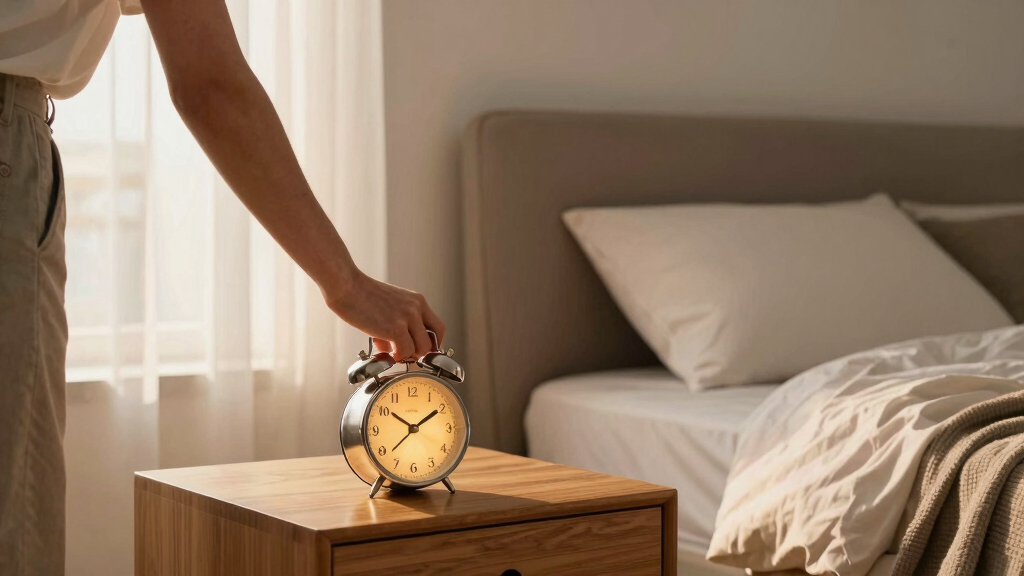
Placing your sunrise alarm clock where its light can directly reach your face, at eye level and free from obstructions, makes mornings smoother. Smart placement enhances the gentle wake-up effect and improves your sleep routine.
Ever wake up feeling groggy, even with your sunrise alarm clock? The secret isn’t just in the device itself, but in how you position it. Where you place your sunrise alarm can make the difference between a gentle awakening and a jarring start to your day.
In this guide, you’ll discover the best spots for your alarm clock, how to avoid common pitfalls, and tips to get the most natural, energizing wake-up every morning. Think of it as giving your sleep routine a simple upgrade—one small change that transforms your mornings.
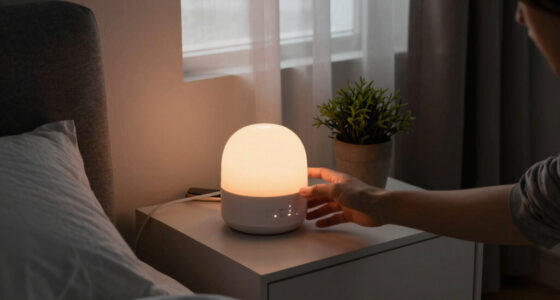
Position your sunrise alarm 1 to 3 feet from your face, facing you directly, for best effect.
Mount it at eye level or slightly above to maximize light exposure and mimic natural sunrise.
Avoid blocking the light with furniture, bedding, or other objects to ensure effective illumination.
Place the device away from external light sources like windows or bright sunlight to prevent interference.
Use adjustable mounts or flexible arms to direct light accurately, especially in small or oddly shaped rooms.
Position Your Sunrise Alarm Facing You for a Gentle Wake
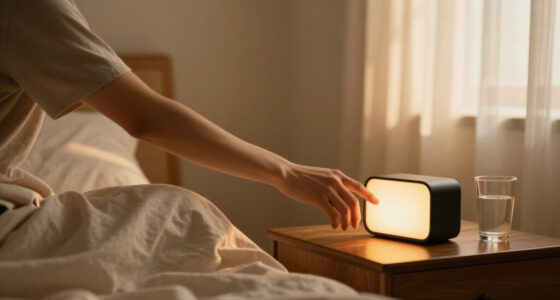
The best way to get the most out of your sunrise alarm is to have it face you, shining directly onto your face or upper body. When the light hits your face, it signals your brain that it’s time to wake, mimicking the natural glow of sunrise.
Imagine lying in bed, the soft glow gradually brightening on your face, stirring you gently. A common mistake is placing the clock where the light gets blocked by your pillow or blankets, making the wake-up less smooth. Keep it at a distance of about 1 to 3 feet, and angle it so the light reaches you without your having to move or turn your head excessively.
As an affiliate, we earn on qualifying purchases.
Choose the Right Height and Angle for Maximum Effectiveness
Position your alarm clock at eye level or slightly above. This ensures the light hits your face directly, not just your surroundings. When placed too low or behind objects, the light disperses or gets blocked, reducing its waking power.
For instance, mounting a device on the wall at head height while you’re lying in bed can create a more uniform and natural glow, similar to the early morning sun filtering through your window. Avoid placing it under a pillow or behind a tall lamp, which diminishes the effect.
adjustable sunrise alarm clock stand
As an affiliate, we earn on qualifying purchases.
As an affiliate, we earn on qualifying purchases.
Where Not to Place Your Sunrise Alarm for Better Results
Keep your sunrise alarm away from obstructions like curtains, headboards, or bulky furniture. These can block or diffuse the light, making it less effective. Also, avoid placing it near other electronic devices or screens, which may emit blue light or interfere with your sleep cycle.
For example, if your alarm is tucked behind a tall dresser or under a cluttered nightstand, you might wake up feeling less refreshed. Instead, choose a spot where the light can freely spread across your face without interference.
As an affiliate, we earn on qualifying purchases.
Best Spots for Small or Unusual Rooms
If your bedroom is small or oddly shaped, focus on where you sleep most comfortably. The goal is to maximize light exposure in the area where your face naturally faces when lying down. For instance, placing the alarm on a wall-mounted shelf near your pillow can work well.
In a tiny room, a corner-mounted device angled toward your bed can provide a broad glow, helping you wake gradually. Just ensure it’s not blocked by clothing or other objects.
As an affiliate, we earn on qualifying purchases.
Comparison Table: Bedside Table vs. Wall Mount
| Placement Method | Pros | Cons |
|---|---|---|
| Bedside Table | Easy to access, simple to adjust height | Obstructs light if cluttered, may block direct exposure |
| Wall Mount | Better light distribution, keeps device at eye level | Requires installation, less flexible for repositioning |
How External Light Sources Can Impact Placement
Natural sunlight from windows can interfere with your sunrise simulation. If your room gets bright early in the morning, position the alarm away from direct sunlight to maintain a consistent wake-up light.
External light can either diminish the effectiveness of your alarm or cause inconsistency in your wake-up routine. For example, if the alarm is placed opposite a window, the external sunlight might overpower the gentle dawn simulation, making it harder for your body to perceive the gradual increase in light as the primary cue. Conversely, placing the alarm in a shaded corner or behind curtains helps ensure that the artificial sunrise light remains the dominant stimulus, promoting a more natural and predictable wake-up process. Understanding how external light interacts with your device allows you to fine-tune placement for maximum benefit, especially in rooms with large windows or early morning sun exposure.
Placement Tips for Smaller or Unique Bedrooms
In compact spaces, prioritize the area where your face naturally faces when lying down. Consider mounting the alarm on a wall near your pillow or on a high shelf that angles the light toward you.
A quick tip: Use a flexible arm or adjustable mount to direct the light precisely where you need it, especially in rooms with limited space or unusual shapes.
How Placement Influences Your Sleep and Wake Quality
Placing your sunrise alarm where the light reaches you comfortably can lead to a more natural, less jarring wake-up. When the light is effective, your body starts waking up with less stress and fewer abrupt jolts, helping your sleep cycle stay more balanced.
This is crucial because the way your light is positioned directly impacts how your brain perceives the timing and quality of your wake-up. Poor placement can lead to insufficient stimulation, causing your internal clock to struggle to recognize the wake-up cue. Conversely, optimal placement ensures your brain perceives the gradual increase in light as a reliable signal, promoting a smoother transition from sleep to wakefulness. This physiological alignment reduces sleep inertia, enhances alertness, and supports overall sleep health by reinforcing your circadian rhythm’s natural cues.
Frequently Asked Questions
Should I place my sunrise alarm on a nightstand or mount it on the wall?
Both options work well. A wall mount at eye level can provide more even, directed light, while a nightstand is easier to access. Choose based on your room layout and personal preference.Can external light from windows reduce my alarm’s effectiveness?
Yes, bright sunlight can interfere with the gradual light increase. Position your alarm away from direct sunlight or use curtains to keep the room dark until your wake-up time.What if my room is tiny or oddly shaped?
Focus on where your face naturally faces when lying down. Mount or place the alarm on a wall near your pillow or on a high shelf that angles the light toward you for best results.Is it better to place the alarm near other electronics?
Avoid placing it next to other electronic devices that emit blue light or cause interference. Keep it in a spot where the light can shine unobstructed and undisturbed.Does placement affect my sleep quality?
Yes. Proper placement ensures effective wake-up light without disturbing your sleep cycle, helping you wake more naturally and feel more rested.Conclusion
The way you position your sunrise alarm clock shapes how gently your mornings start. Aim for a spot where its soft, natural glow can reach your face without obstruction. A little thought in placement turns a simple device into a morning ritual that feels more like sunrise than alarm.
Remember, the goal is to wake up gradually, peacefully—so give your alarm the best chance to do its magic. Your mornings—and your sleep—will thank you for it.
Fall Picks
fall essentials
As an affiliate, we earn on qualifying purchases.