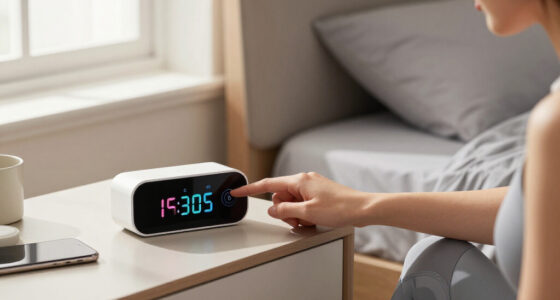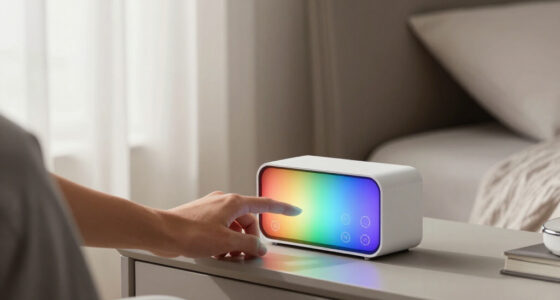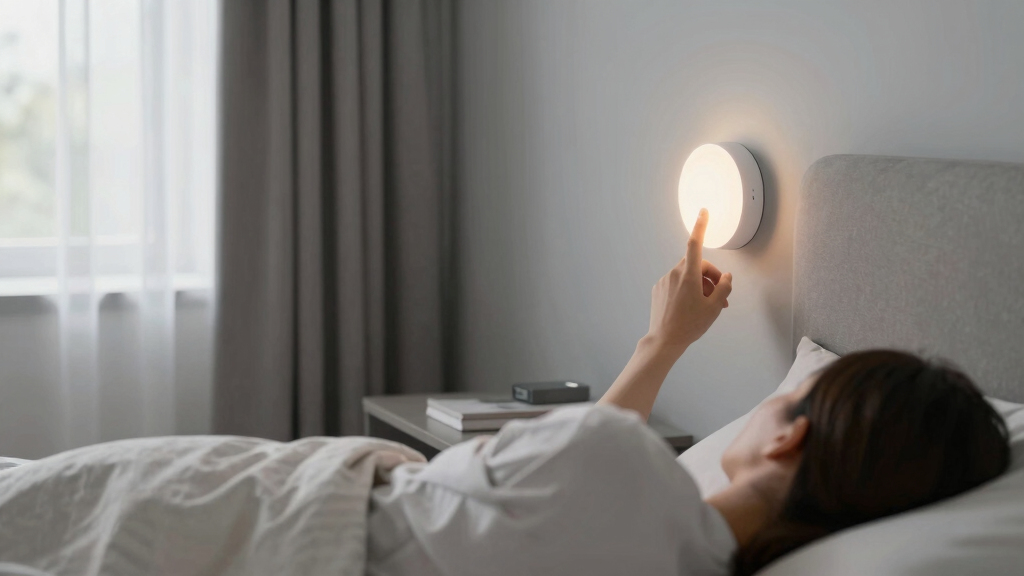

Searching for the best smart wake-up lights in 2026? The Philips SmartSleep HF3650/60 stands out as the overall top choice, thanks to its reliable sunrise simulation and sound options. The Hatch Restore 3 offers a versatile setup with sleep and wake functions combined with sleep sounds, making it ideal for those who want an all-in-one sleep aid. Meanwhile, the Philips Hue Twilight options excel for users who want customizable lighting with smart home integrations. These products differ in features like brightness control, smart compatibility, and price, creating tradeoffs between complexity and affordability. Keep reading for a detailed comparison to find the right fit for your wake-up routine.

Get wellness gear delivered free with Prime
- Fast, free delivery on millions of items
- Prime Video, Amazon Music and more included
- Member-only deals all year
Key Takeaways
- The top picks balance natural sunrise simulation with smart home compatibility for seamless integration.
- Simpler models focus on effective wake-up lighting without the complexity of additional features, offering better value.
- Premium options often include customizable colors, voice control, and sleep aid features, but come at a higher price.
- Ease of use varies; some products require app setup, while others work with voice commands or manual controls.
- Price range is wide, but investing in a higher-end model generally provides more reliable sunrise simulation and build quality.
| Philips SmartSleep Sleep and Wake-Up Light, HF3650/60 |  | Best Overall Smart Wake-Up Light | Model: HF3650/60 | Features: Sunset and sunrise simulation, FM radio, phone charging dock, auto dimming display, bedside lamp, smart snooze, Midnight light, RelaxBreathe breathing light | Clinically Proven: Yes | VIEW LATEST PRICE | See Our Full Breakdown |
| Philips Hue Twilight Smart LED Sleep and Wake-Up Lamp, White & Color Light, Bluetooth Compatible, Voice Control with Alexa, Apple Home & Google Assistant, Black |  | Best for Smart Home Integration and Custom Scenes | Compatibility: Bluetooth, Alexa, Apple Home, Google Assistant | Color Options: White & Color Light | Control: Voice Control, App | VIEW LATEST PRICE | See Our Full Breakdown |
| Philips Hue Twilight Smart Sleep and Wake-Up LED Lamp, White & Color Smart Lighting, Bedside Lamp Compatible with Bluetooth, Voice Control with Alexa, Apple Home & Google Assistant |  | Best for Versatile Smart Lighting Control | Compatibility: Bluetooth, Alexa, Apple Home, Google Assistant | Scenes: 6 sunlight-themed scenes | Dimming: Ultra-low dimming | VIEW LATEST PRICE | See Our Full Breakdown |
| Philips SmartSleep Wake-up Light with Sunrise and Sunset Simulation, Natural Sounds, FM Radio, and Reading Lamp |  | Best for Traditional Features with Natural Sleep Cues | Type: Wake-up Light | Features: Sunrise/Sunset Simulation, 5 Natural Sounds, FM Radio, Tap Snooze, Dimmable Display, Reading Lamp | VIEW LATEST PRICE | See Our Full Breakdown | |
| Hatch Restore 3 Sunrise Alarm Clock, Smart Light, Sleep Audio, White Noise Machine |  | Best for Screen-Free Sleep Routine Management | Color: Putty | Sleep Sounds: 80+ | Connectivity: Bluetooth, Wi-Fi | VIEW LATEST PRICE | See Our Full Breakdown |
| OttLite Wake Up Light with White Noise Sound Machine, Sunrise and Sunset Simulation, Color-Changing Light, USB Charging |  | Best for Customizable Sleep and Wake Routines | Dimensions: 6.7 x 6.75 inches | USB Port: 5V, 1A | Lighting Modes: Color-changing, white light, sunset simulation | VIEW LATEST PRICE | See Our Full Breakdown |
| Smart Sunrise Alarm Clock with App Control, Wake-Up Light, FM Radio, Sound Machine, and Wireless Speaker |  | Best for App-Enabled Convenience and Versatility | App Control: Halo Light App, no registration needed | Alarms: Up to 4 via app, 2 on device | Light Modes: Sunrise and sunset simulation, 11 color options | VIEW LATEST PRICE | See Our Full Breakdown |
More Details on Our Top Picks
Philips SmartSleep Sleep and Wake-Up Light, HF3650/60
This model stands out for its comprehensive customization options and clinical backing, making it ideal for those who want a truly personalized wake-up and sleep environment. Its sunrise and sunset simulations can be tailored to individual preferences, and features like the breathing light, FM radio, and phone charging add convenience. Compared with simpler options like the Hatch Restore, it offers a more immersive experience, but that also means a more complex setup and higher price. The interface may be overwhelming for some users, especially without familiarity with advanced features. Best for users seeking a high-end, scientifically supported device that integrates multiple functions. Not ideal for those who prefer straightforward alarms or have a limited budget.
- Customizable sunrise and sunset simulations for a natural wake-up
- Includes relaxation features like the breathing light
- Clinically proven to improve mood and energy
- Complex setup with many features can be overwhelming
- Higher price compared to basic alarm clocks
Pros:- Customizable sunrise and sunset simulations for natural routines
- Multiple relaxation and wake-up features including breathing light and FM radio
- Clinically proven to improve mood and energy upon waking
Cons:- Complex setup and interface may be daunting for some users
- Higher price point compared to basic alarm clocks
Best for: Individuals who want a feature-rich, scientifically validated wake-up and sleep routine
Not ideal for: Users seeking a simple, budget-friendly alarm without multiple features
- Model:HF3650/60
- Features:Sunset and sunrise simulation, FM radio, phone charging dock, auto dimming display, bedside lamp, smart snooze, Midnight light, RelaxBreathe breathing light
- Clinically Proven:Yes
- Recommended By:Physicians and pharmacists
Our verdict“This pick is best for users who value a highly customizable, clinically supported wake-up experience and are comfortable with a more involved setup.”
Philips Hue Twilight Smart LED Sleep and Wake-Up Lamp, White & Color Light, Bluetooth Compatible, Voice Control with Alexa, Apple Home & Google Assistant, Black
This lamp excels for users already invested in smart home ecosystems, especially those who want to combine wake-up lighting with ambient control. Its ability to simulate dawn and dusk, combined with ultra-low dimming, makes it perfect for creating calming sleep environments or energizing mornings. Unlike the Philips SmartSleep model, it doesn’t include sound features or radio, but it supports voice commands and smart home platforms for seamless integration. However, it requires a Hue Bridge for full functionality, which can add to the cost and setup complexity. It’s best suited for tech-savvy users who want to customize scenes and control lighting remotely. Best for smart home enthusiasts looking for flexible scene control. Not ideal for users who prefer standalone devices without an ecosystem requirement.
- Supports multiple voice assistants for easy control
- Simulates natural dawn and dusk to enhance sleep quality
- Offers ultra-low dimming for nightlight use
- Requires a Hue Bridge for full features
- Limited to Philips Hue ecosystem, potentially higher cost
Pros:- Supports multiple voice assistants for easy control
- Simulates natural dawn and dusk to support circadian rhythms
- Ultra-low dimming capability for nightlight use
Cons:- Requires a Hue Bridge for full functionality
- Limited to Philips Hue ecosystem, possibly increasing overall cost
Best for: Smart home users who want customizable, scene-based lighting control and ecosystem integration
Not ideal for: People seeking a simple wake-up light without the need for additional smart hub purchases
- Compatibility:Bluetooth, Alexa, Apple Home, Google Assistant
- Color Options:White & Color Light
- Control:Voice Control, App
- Scenes:6 sunlight-themed scenes
- Dimming:Ultra-low dimming
- Requires Hue Bridge:Yes (sold separately)
Our verdict“Ideal for tech-savvy smart home owners who want flexible, scene-based lighting control for sleep and wake routines.”
Philips Hue Twilight Smart Sleep and Wake-Up LED Lamp, White & Color Smart Lighting, Bedside Lamp Compatible with Bluetooth, Voice Control with Alexa, Apple Home & Google Assistant
This Philips Hue model is well-suited for those who want a customizable wake-up light that also functions as a relaxing bedside lamp. Its ability to simulate dawn helps reinforce natural waking patterns, and the color options add mood-setting flexibility. Unlike the previous Hue product, this is a single-unit device that doesn’t require a hub, which simplifies setup. However, it still depends on the Hue ecosystem for full functionality, which may deter less tech-inclined buyers. Compared to dedicated sleep devices, it offers more aesthetic versatility but lacks some sleep-specific features like natural sounds. Best for owners of existing smart home systems who want adaptable lighting. Not ideal for users seeking dedicated sleep features or a standalone device.
- Supports multiple smart home platforms and voice control
- Offers customizable scenes for sleep and relaxation
- Simulates natural dawn to improve waking experience
- Requires a Hue Bridge for advanced features
- Price may be higher for additional smart features
Pros:- Supports multiple platforms including voice control
- Simulates dawn and dusk for circadian rhythm support
- Color and scene customization for mood setting
Cons:- Requires a Hue Bridge for full features
- Price can be higher due to smart capabilities
Best for: Smart home owners wanting versatile, customizable lighting for sleep and wake routines
Not ideal for: Those seeking a simple, dedicated sleep or wake-up device without smart home integration
- Compatibility:Bluetooth, Alexa, Apple Home, Google Assistant
- Scenes:6 sunlight-themed scenes
- Dimming:Ultra-low dimming
- Power:LED
- Unit Count:1
Our verdict“Great for users who want a flexible, smart lighting solution that doubles as a calming bedside lamp.”
Philips SmartSleep Wake-up Light with Sunrise and Sunset Simulation, Natural Sounds, FM Radio, and Reading Lamp
This model offers a solid combination of sunrise and sunset simulation with natural sounds and radio, making it a practical choice for those who prefer straightforward features over complex smart integrations. Its ability to serve as both a wake-up device and a bedside reading lamp offers versatility. Compared to the more tech-heavy Hue options, it focuses on proven sleep improvement techniques, with a simple interface that appeals to users less comfortable with smart home tech. However, it doesn’t support app control or voice commands, limiting remote adjustments. Best for users seeking a reliable, clinically supported wake-up aid without the need for smart ecosystem connectivity. Not ideal for those wanting advanced customization or smart home integration.
- Clinically proven to improve sleep and mood
- Customizable sunrise and sunset simulation
- Includes natural sounds and FM radio for versatile wake-up options
- May be complex for users unfamiliar with features
- Limited to bedside use, no app control
Pros:- Clinically proven to enhance sleep and mood
- Customizable sunrise and sunset simulation
- Includes natural sounds and FM radio
Cons:- No app or voice control for remote adjustment
- Limited to bedside use, less smart ecosystem flexibility
Best for: Individuals who favor simple, proven sleep and wake features over high-tech integrations
Not ideal for: Tech enthusiasts seeking app-controlled or voice-activated devices
- Type:Wake-up Light
- Features:Sunrise/Sunset Simulation, 5 Natural Sounds, FM Radio, Tap Snooze, Dimmable Display, Reading Lamp
Our verdict“Ideal for users who prefer straightforward, science-backed wake-up aids without needing smart tech complexity.”
Hatch Restore 3 Sunrise Alarm Clock, Smart Light, Sleep Audio, White Noise Machine
The Hatch Restore 3 emphasizes fostering healthy sleep habits through a screen-free, guided routine. Its sunrise alarm gently wakes you with customizable light and sound options, plus a sleep sound library of over 80 options. Its focus on meditation and relaxation features makes it stand out for those who want a holistic sleep environment. Compared to the Philips models, it offers less technical complexity and smart ecosystem dependence, but it requires Wi-Fi and Bluetooth for full app control and subscription for premium content. This device is best for those who prefer a less cluttered bedside experience and value a guided, app-supported routine. However, users seeking advanced smart home features or non-subscription options may find it limiting.
- Supports screen-free bedtime routines
- Large library of sleep sounds and meditation tools
- Bluetooth and Wi-Fi connectivity for app control
- Subscription required for premium content
- Dependence on Wi-Fi and Bluetooth for full features
Pros:- Supports screen-free, guided sleep routines
- Over 80 sleep sounds and meditation features
- Bluetooth and Wi-Fi for flexible app control
Cons:- Subscription needed for premium content
- Requires Wi-Fi and Bluetooth for full functionality
Best for: People who want a holistic, routine-based sleep environment without relying on smart home ecosystems
Not ideal for: Tech-savvy users seeking extensive smart home integration or standalone devices
- Color:Putty
- Sleep Sounds:80+
- Connectivity:Bluetooth, Wi-Fi
- App Compatibility:iOS and Android
- Power:Adapter included
- Subscription Cost:$4.99/month or $49.99/year
Our verdict“Perfect for those who prefer a holistic, app-supported sleep routine with minimal tech clutter.”
OttLite Wake Up Light with White Noise Sound Machine, Sunrise and Sunset Simulation, Color-Changing Light, USB Charging
This option stands out for its comprehensive approach to creating a personalized environment, combining sunrise and sunset simulations with a variety of sound options, including white noise and FM radio. Its color-changing light adds ambiance, making it suitable for users who want more than just a basic wake-up experience. Unlike the Smart Sunrise Alarm Clock, which emphasizes app control and simplicity, the OttLite leans into manual digital controls and multiple lighting modes, but may feel overwhelming for those unfamiliar with digital interfaces. Its bulky size could be a concern for limited bedside space, and the lack of app connectivity limits remote customization. Still, for users who appreciate tactile controls and a multi-sensory environment, this model offers a versatile, all-in-one solution.
Pros:- Customizable sunrise and sunset simulation for tailored routines
- Multiple sound options including nature sounds, FM radio, and alarm tones
- Color-changing light enhances ambiance and relaxation
- Built-in USB port for convenient device charging
Cons:- Complex digital controls may be intimidating for some users
- Limited details on remote or app control features
- Size may be bulky for small bedside tables
Best for: Individuals who prefer tactile controls and want a multifunctional device for sleep and wake routines with customizable lighting and sound options.
Not ideal for: Tech-savvy users seeking seamless app control or those with limited space at the bedside, as its size and lack of remote features could be inconvenient.
- Dimensions:6.7 x 6.75 inches
- USB Port:5V, 1A
- Lighting Modes:Color-changing, white light, sunset simulation
- Sound Options:Nature, FM radio, alarm tones
- Control:Digital display, 12/24-hour clock, adjustable brightness
Our verdict“This pick is ideal for users who want a feature-rich, tactile device to enhance sleep and wake routines with customizable sensory options.”
Smart Sunrise Alarm Clock with App Control, Wake-Up Light, FM Radio, Sound Machine, and Wireless Speaker
This model makes the most sense for users who prioritize ease of setup and remote control, thanks to its app connectivity and multiple alarm options, including four alarms via the app. Its vibrant night light and customizable sunrise and sunset modes provide a relaxing environment, but compared to the OttLite’s physical controls, app reliance may be a hurdle for less tech-inclined users. The device’s limited built-in alarms (only two) could be restrictive for heavy sleepers or multiple wake-up times, and the separate wireless speaker connection adds a step that might frustrate those seeking simplicity. Still, for those who want a sleek, app-based experience with versatile sound and light options, this is a compelling choice.
Pros:- Easy app control with no registration required for quick setup
- Multiple natural sounds, FM radio, and Bluetooth music options
- Vibrant night light with adjustable colors enhances relaxation
- Up to four alarms via app provides flexible scheduling
Cons:- Requires power adapter, limiting portability
- Limited on-device alarms (only 2), with more via app, which could be confusing
- Additional connection needed for wireless speaker may complicate setup
Best for: Tech-savvy users who want a flexible, app-controlled wake-up experience with multiple alarms and customizable lighting effects.
Not ideal for: Individuals uncomfortable with app setup or who prefer a standalone device without needing a separate wireless speaker connection.
- App Control:Halo Light App, no registration needed
- Alarms:Up to 4 via app, 2 on device
- Light Modes:Sunrise and sunset simulation, 11 color options
- Sound Modes:7 natural sounds, FM radio (76-108 MHz), Bluetooth music
- Brightness:Adjustable display and light brightness
- Volume Levels:20 levels
Our verdict“This pick suits users who want a modern, app-controlled wake-up device with versatile sound and lighting options for a seamless, customizable experience.”
How We Picked
These products were selected based on their ability to mimic natural sunrise, ease of use, build quality, and smart features. The evaluation also considered how well each device integrates with popular smart home ecosystems, as well as overall value for the features provided. We prioritized models that offer reliable wake-up performance without overly complex setups, and those that include sleep aid features like sounds or sunset simulation. The ranking reflects a balance of performance, user experience, and price, with top choices providing a combination of robust features and intuitive controls.
Factors to Consider When Choosing Smart Wake-up Lights
Choosing the right smart wake-up light involves understanding key factors that influence how well it fits your sleep and morning routines. Beyond basic brightness, consider smart home compatibility, customization options, and ease of use. Understanding these elements helps avoid common pitfalls like overpaying for features you don’t need or selecting a device that’s incompatible with your current setup.Brightness and Light Quality
Effective wake-up lights need to simulate sunrise convincingly, which depends on brightness and light diffusion. Look for models with adjustable brightness levels to tailor the wake-up experience. Higher-quality lights often provide a more gradual and natural sunrise effect, which can make waking up less abrupt and more refreshing. Cheaper options might lack sufficient brightness or have uneven light distribution, reducing their effectiveness.
Smart Home Compatibility
If you already use smart home devices, choosing a wake-up light that integrates seamlessly with platforms like Alexa, Google Assistant, or Apple HomeKit can enhance your routine. Compatibility allows voice control and automation, such as scheduling wake-up routines or syncing with other smart devices. However, some models require dedicated apps or hubs, which can add complexity or cost. Consider your existing ecosystem and how much you want to expand your smart home setup.
Ease of Use and Setup
Simplicity matters, especially for daily routines. Devices with intuitive apps, minimal setup, and straightforward controls tend to be more user-friendly. Voice control can simplify waking up, but not all models support it. Beware of overly complicated interfaces or excessive configuration steps that can frustrate users. Investing in a device with clear instructions and reliable app performance pays off in long-term convenience.
Additional Features
Many wake-up lights include features like sunset simulation, sound machines, FM radios, or customizable color options. While these can enhance your sleep environment, they also add to the cost and complexity. Decide which features matter most—if you want a simple sunrise and alarm, a basic model may suffice. For those seeking a full sleep aid experience, a more advanced device might be worth the investment.
Price and Value
Prices range widely, from budget-friendly models to premium devices with extensive features. Cheaper options often provide basic sunrise simulation but lack smart home integration or advanced controls. Higher-end models tend to offer more reliable performance, better build quality, and additional features but come at a premium. Balance your budget with the features you prioritize to avoid overspending on unnecessary extras or missing out on critical functionalities.
Frequently Asked Questions
Can I use a smart wake-up light if I don’t have a smart home system?
Yes, many smart wake-up lights operate independently of smart home ecosystems and can be controlled via dedicated apps or manual controls. Basic models often feature simple timers, brightness adjustments, and alarms without the need for Wi-Fi or smart device integration. If you prefer straightforward operation without extra complexity, look for devices with standalone controls or basic app functionality that doesn’t require smart home compatibility.
Does a sunrise simulation really help me wake up feeling more refreshed?
Sunrise simulation can promote more natural waking by gradually increasing light intensity, which helps regulate your circadian rhythm. This gentle wake-up minimizes grogginess and stress compared to abrupt alarms. While individual experiences vary, many users find that a realistic sunrise simulation combined with sound or music can improve mood and alertness in the morning, especially if they struggle with traditional alarms.
Are smart wake-up lights suitable for heavy sleepers?
For heavy sleepers, a standard light-based alarm may not be sufficient, so look for models with higher brightness levels and loud sound options. Some devices also include vibration or multiple alarm settings to ensure waking. It’s important to choose a device that offers a customizable wake-up experience, combining light and sound to overcome deep sleep inertia. Testing different settings may be necessary to find what works best for you.
How important is app quality and interface for daily use?
An intuitive and reliable app can significantly enhance your experience, providing easy scheduling, brightness control, and customization options. Poor app performance or complicated interfaces can lead to frustration and reduce the device’s usefulness. Look for products with positive user reviews regarding their app, and consider whether the app offers features like scene creation, sleep tracking, or smart integration that add value to your routine.
Is it worth paying more for premium features like color customization or voice control?
Premium features can improve your waking experience and add convenience, but whether they are worth the extra cost depends on your preferences. Color customization can create a more relaxing or energizing environment, while voice control allows hands-free operation. If you value seamless integration, personalized lighting, and advanced controls, investing in a higher-end model makes sense. However, if you prefer a simple, effective wake-up light, a basic model may meet your needs at a lower price.
Conclusion
For most users, the Philips SmartSleep HF3650/60 offers the best overall experience with reliable sunrise simulation and sound options. Those on a budget or seeking simplicity should consider the OttLite Wake Up Light, which provides decent performance at a lower cost. If you want a premium setup with extensive smart home integration and customizable features, the Philips Hue Twilight models stand out. Beginners or casual users will appreciate straightforward controls, while those with existing smart devices will benefit from models supporting voice commands and automation. Ultimately, your choice depends on your preferred features, budget, and how integrated you want your wake-up routine to be.