
TL;DR
Listen free for 30 days with Audible
Thousands of audiobooks and originals — cancel anytime.
Start your free trialAs an affiliate, we earn on qualifying purchases.
Bed shakers and loud alarms each have strengths and weaknesses for waking deep sleepers. Recent research favors multimodal alarms—those that combine sound and vibration—as the most reliable option. Personal preferences and bedroom setup play key roles in choosing the best method.
If you’ve ever struggled to get out of bed despite the blaring alarm, you’re not alone. Deep sleepers often have a higher threshold for waking, making standard alarms less reliable. The question is: which method—bed shakers or loud alarms—wakes them faster and more reliably?
Understanding how each type stimulates your senses can make all the difference. Whether you’re a parent trying to wake a heavy sleeper kid or a shift worker who needs to rise on time, knowing what works best can turn mornings from stressful to smooth.
Multimodal alarms combining sound and vibration are up to 50% more effective at waking deep sleepers than single-mode alarms.
Choose a device with adjustable volume and vibration to tailor the wake-up experience to your needs.
Proper placement of vibration devices under the mattress or pillow maximizes effectiveness.
Testing your alarm regularly helps ensure it works when you need it most.
Safety and comfort come first—start low, and increase gradually to find your optimal setting.
Why Deep Sleepers Need More Than Just Loud Ringtones
Deep sleepers often have a higher arousal threshold, which means their brains are less responsive to typical waking stimuli. This isn’t just about stubbornness; it’s a biological trait that can be influenced by genetics, sleep quality, and even stress levels. When faced with a standard loud alarm, their brains might interpret the noise as background noise or ignore it altogether, leading to delayed waking or oversleeping. This creates a risk for missing important appointments or being late, especially for those with tight schedules.
Multimodal alarms are designed to counteract this by engaging multiple senses simultaneously. The combined effect of sound and vibration can create a more salient and unavoidable wake-up signal. This is particularly important because it addresses the sensory processing differences in deep sleepers, ensuring that the stimulus is both noticeable and disruptive enough to prompt awakening. The tradeoff, however, is that some users might find vibrations or loud sounds disruptive or uncomfortable, especially if not adjustable or if placed improperly. Recognizing these nuances helps in selecting an alarm that balances effectiveness with comfort.
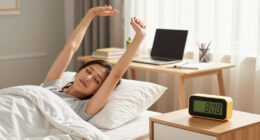
multimodal alarm clock with vibration and sound
As an affiliate, we earn on qualifying purchases.
As an affiliate, we earn on qualifying purchases.
How Bed Shakers and Loud Alarms Stack Up for Waking Deep Sleepers
| Feature | Bed Shakers | Loud Alarms |
|---|---|---|
| Effectiveness for deep sleepers | High if vibration is strong and well-placed | Variable; often less effective alone, especially if the sleeper is accustomed to loud noises or has hearing impairments |
| Range of volume/vibration | Adjustable; effectiveness depends on placement and intensity | Highly adjustable; can reach very high volumes, but may still be ignored if the sleeper is deeply habituated to loud sounds |
| Portability | Usually portable, easy to move, ideal for travel or multiple beds | Varies; some fixed, others portable apps or devices |
| Multi-sensory options | Often includes customizable vibration patterns, some with gentle or rapid pulses | Limited to sound unless combined with other features like flashing lights or vibrations |
| Suitability for sensory sensitivities | Good for tactile responders; can be adjusted to minimize discomfort | Better for auditory responders; volume can be tailored but may cause discomfort if too loud |
Both methods have their strengths, but the key lies in understanding the tradeoffs. Vibration can be more direct and less disruptive to others, making it ideal for shared spaces or sensitive environments. However, if the vibration isn’t strong enough or poorly placed, it might fail to wake the sleeper. Conversely, loud alarms can be more universally effective but risk causing discomfort or startling the sleeper excessively. The choice depends on individual sensitivity, bed setup, and personal preference, highlighting the importance of testing and customization to optimize wake-up success.
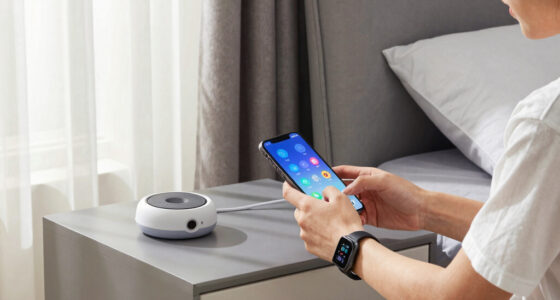
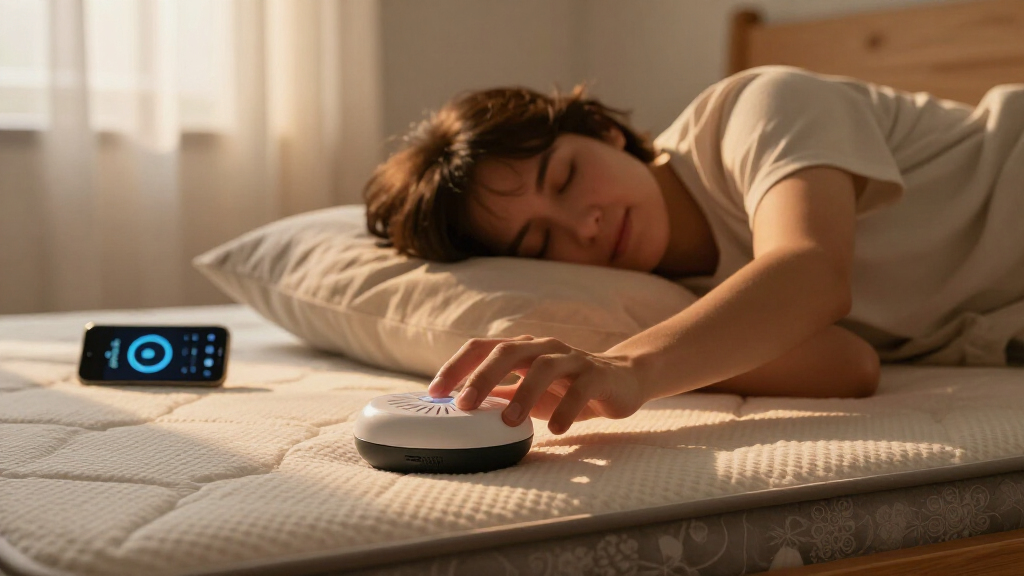
bed shaker alarm for deep sleepers
As an affiliate, we earn on qualifying purchases.
As an affiliate, we earn on qualifying purchases.
The Power of Multimodal Alarms: Combining Vibration and Sound
Recent advancements in alarm technology reveal that multimodal alarms significantly improve the chances of waking deep sleepers. These devices are engineered to deliver both a loud, penetrating sound and a strong vibration simultaneously, creating a multi-layered wake-up call. This dual stimulation is crucial because it compensates for individual sensory thresholds—if one stimulus isn’t enough, the other often is.
For example, a parent might choose a device that emits a 90-decibel ring paired with a bed vibration that can be adjusted from gentle to vigorous. The combined effect ensures that even a very deep sleeper cannot ignore the wake-up signal. This approach is especially effective in shared bedrooms or for individuals with sensory processing differences, who might respond better to multiple stimuli rather than just one. The tradeoff here is that some users might find the vibrations or sounds too intense or disruptive, so selecting adjustable settings is vital for comfort and effectiveness.
Studies show that using both sound and vibration can increase waking success rates by up to 50%, but the real advantage lies in the personalized experience—adjusting intensity and timing to suit individual needs enhances reliability and reduces sleep disruption.
adjustable loud alarm clock with vibration
As an affiliate, we earn on qualifying purchases.
As an affiliate, we earn on qualifying purchases.
What to Look for When Picking Your Wake-Up Device
Choosing the right alarm involves understanding your unique sleep patterns, sensitivities, and bedroom environment. The goal is to find a device that effectively bridges the gap between your deep sleep state and waking. Key features such as adjustable vibration and volume are essential because they allow customization based on your sensitivity and sleep setup. For instance, a softer vibration might be enough to rouse a lighter sleeper, while a deep sleeper might require a more vigorous shake combined with a loud sound.
Compatibility with your bed is equally important; a solid mattress or a bed frame that transmits vibrations efficiently ensures the device’s effectiveness. Portability matters if you travel or change beds frequently, as it allows consistent wake-up routines without the hassle of bulky equipment. Incorporating multi-sensory options—like devices that combine sound and vibration—can significantly improve waking reliability, especially for those who have tried single-mode alarms without success.
Additional features such as sleep tracking, snooze options, and customizable patterns can make waking less stressful and more tailored. For example, selecting a device that gradually increases vibration intensity or volume can help ease the transition from deep sleep to wakefulness, reducing abrupt awakenings and grogginess. Ultimately, the right choice hinges on balancing effectiveness with comfort and convenience, ensuring that the device suits your specific needs and environment.
As an affiliate, we earn on qualifying purchases.
Safety Tips and Practical Advice for Using Wake-Up Devices
Ensuring safety and comfort when using vibratory or loud alarms is crucial for a positive waking experience. Starting with lower settings allows your body and mind to adapt gradually, reducing the risk of abrupt awakenings that can cause disorientation or stress. Adjusting vibration strength and volume over time helps find a balance between effectiveness and comfort, especially for sensitive sleepers or those with auditory or tactile sensitivities.
Proper placement of the device is key; vibration units should be positioned under the mattress or pillow where they can transmit the stimulus effectively without causing discomfort. For loud alarms, placing the device at an optimal distance ensures the sound reaches your ears clearly without being excessively jarring or disturbing others in the household. Regular testing is essential—not only to confirm functionality but also to fine-tune the settings based on your evolving sleep needs. Overly loud alarms or intense vibrations can cause temporary discomfort or even minor hearing issues if used excessively. Therefore, it’s wise to start with the lowest effective setting and increase gradually.
For example, a shift worker might test their alarm on weekends, adjusting the vibration and volume until they find the settings that reliably wake them without startling or discomfort. Remember, the goal is to wake up refreshed and alert, not distressed or jarred awake, making safety and comfort priorities in your alarm setup.
Conclusion
When it comes to waking deep sleepers, combining the power of sound and vibration makes all the difference. A well-chosen, customizable multimodal alarm can turn mornings from a struggle into a gentle, reliable wake-up.
Think about your sleep environment, your sensory preferences, and your daily routine. With the right device, you’ll wake up more reliably—and start each day on the right foot.
Back to school Picks
back to school
As an affiliate, we earn on qualifying purchases.