TL;DR

Get wellness gear delivered free — and shop member deals
- Fast, free delivery on millions of items
- Access to Prime Big Deal Days deals on October 6–7
- Prime Video, Amazon Music and more included
Blackout curtains help kids sleep better by creating a dark environment. Safety is key—choose cordless, non-toxic options, measure carefully, and install securely. Modern designs boost both function and style.
Imagine your child’s room bathed in the soft glow of morning sun, waking them before their biological clock signals it’s time. Now picture a dark, cozy space where they can sleep soundly, even during bright summer mornings. Blackout curtains in kids’ rooms do just that—transforming the environment to promote better sleep, while also offering safety and style.
If you’re considering blackout curtains, understanding their safety features and proper setup can make all the difference. It’s not just about darkness—it’s about peace of mind, comfort, and creating a room your child loves to rest in. Let’s explore how to choose, install, and keep blackout curtains safe for your little one.
Prioritize cordless, safety-certified blackout curtains to prevent strangulation hazards.
Measure your windows precisely and install hardware securely, keeping cords out of children’s reach.
Opt for non-toxic, flame-retardant fabrics—safety and health go hand in hand.
Regularly clean curtains to prevent dust buildup and maintain their effectiveness.
Consider eco-friendly and smart options for added safety, convenience, and sustainability.
Blackout Curtains in Kids’ Rooms: Safety and Setup
Better darkness can support better sleep—but only when the setup is child-safe. Choose cordless, low-emission materials, measure for full coverage, anchor the hardware securely, and maintain the fabric regularly.
The CPSC recommends cordless window coverings where young children live or visit.
Extend coverage beyond the window, then anchor brackets for the curtain’s full weight.
Prioritize tested materials, clear care instructions, and finishes free from unwanted VOCs.
Use cordless coverings in spaces used by children.
Measure, select, mount, clear and test.
Clean as the care label allows to limit dust buildup.
No dangling loops, chains or pull cords within reach.
A calmer sleep environment, built around the child
Blackout curtains reduce disruptive light and can add insulation and sound softening. The goal is not simply a darker room—it is a predictable, comfortable sleep cue.
Fewer light cues
Blocking early dawn and long summer-evening light helps keep bedtime and wake-up routines more consistent.
Added insulation
Dense fabric and layered linings can slow heat transfer, helping the room feel more stable across the day.
Softer acoustics
Heavier curtains can absorb some reflected sound while adding color, pattern and a more settled visual atmosphere.
Compare the mechanism before the pattern
A charming print cannot compensate for an accessible cord, weak hardware or a poorly documented fabric finish.
| Feature | Traditional corded | Cordless / motorized | What to verify |
|---|---|---|---|
| Dangling-loop risk | ✗ Higher | ✓ Reduced | No accessible cords or chains |
| Child operation | ~ Variable | ✓ Simple | Smooth, low-force movement |
| Automation | ✗ None | ✓ Available | Battery and electrical safeguards |
| Hardware security | ~ Install dependent | ~ Install dependent | Correct anchors and load rating |
| Light control | ✓ Strong | ✓ Strong | Overlap beyond all window edges |
Five steps from window to secure setup
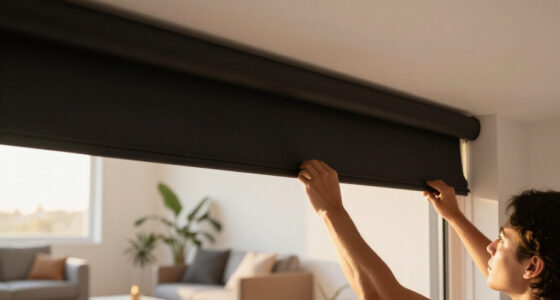
The curtain, rod and anchors function as one system. A safe result requires accurate sizing, hardware suited to the wall, and a final stability test.
Measure
Record width and height. Add side and upper overlap to reduce light gaps.
Select
Match the curtain weight to child-safe brackets, rod and anchors.
Mount
Fasten into studs or correctly rated wall anchors using the maker’s instructions.
Clear
Keep the curtain away from cribs, beds, heaters and climbable furniture.
Test
Open, close and gently load-test the rod. Recheck every fastener.
Coverage rule: extend the fabric several inches beyond each window edge where the wall permits. Extra overlap limits bright halos without relying on loose, floor-pooling fabric.
Evaluate the whole-room benefit
This qualitative scorecard shows where a thoughtful curtain setup can contribute most. Actual performance depends on fabric construction, fit and installation.
Fabric label decoder
Look beyond “blackout” and check the qualities that affect daily use.
Eco-conscious textiles
Organic fibers, recycled polyester and lower-emission finishes broaden the healthier-material options.
Motorized control
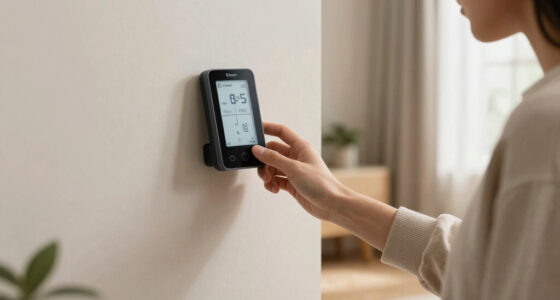
Scheduled opening and closing removes manual cords and can support a consistent morning routine.
Kid-friendly design
More patterns, colors and themes make functional blackout layers easier to integrate into the room.
How a safer choice becomes a better bedtime
Each link supports the next. Skipping the safety or installation checks weakens the entire room setup.
Cleaning is part of the setup
Dust, loose fasteners and worn operating parts can build up gradually. A simple recurring check protects both performance and indoor comfort.
Adjust for allergies, pets and the manufacturer’s care label.
Follow the care label
Machine wash only when approved; some coated blackout layers require gentle or spot cleaning.
Vacuum between washes
Use a soft upholstery attachment to remove surface dust without damaging the lining.
Inspect every fitting
Check brackets, anchors, rods, hems and operating parts for movement, wear or damage.
Retest the safety zone
As furniture moves and children grow, confirm that beds and climbable items remain clear of the window.
Why Blackout Curtains Make Sleep Easier and Safer
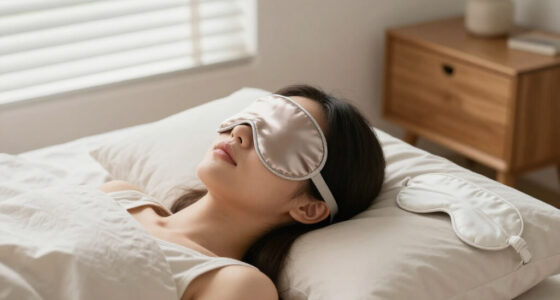
Blackout curtains in kids’ rooms are more than just a darkening tool—they’re a sleep enhancer. They block out unwanted light, helping children fall asleep faster and stay asleep longer. This is especially useful during long summer days or early dawns.
Plus, a dark environment signals to your child’s body that it’s time to sleep, boosting melatonin production. That means better rest, happier mornings, and fewer cranky moments.
Research from sleep experts shows that consistent, dark sleeping environments can improve sleep quality by up to 50% in children. But safety isn’t just about darkness—it’s about how curtains are designed and installed to protect your child from hazards.
cordless blackout curtains for kids room
As an affiliate, we earn on qualifying purchases.
As an affiliate, we earn on qualifying purchases.
What You Need to Know About Kids’ Safe Curtain Designs
Not all blackout curtains are created equal—especially when it comes to safety. Traditional curtains often have long cords that pose strangulation risks for young children. Modern kids’ blackout curtains focus on safety with cordless designs or safety cords that are short and out of reach.
Materials also matter: look for curtains made from non-toxic, flame-retardant fabrics that are free from VOCs and harmful dyes. These features help keep your child’s room both safe and healthy.
Choosing curtains with built-in safety features means you reduce the risk of accidents. For example, retractable safety cords or cordless models eliminate dangling cords, which are often the most hazardous part of traditional window coverings. This not only prevents strangulation but also reduces choking hazards if cords break or fray over time. Moreover, selecting non-toxic fabrics ensures that in case of accidental contact or chewing, your child isn’t exposed to harmful chemicals, supporting their overall health and safety.
child-safe blackout window coverings
As an affiliate, we earn on qualifying purchases.
As an affiliate, we earn on qualifying purchases.
How to Measure and Install Blackout Curtains Safely in Your Kid’s Room
Knowing how to measure and install blackout curtains properly is key to safety and effectiveness. Here’s a simple step-by-step:
- Measure your window: Width and height are crucial. Add a few inches on each side to ensure complete coverage and light blocking. Accurate measurements prevent gaps that could let in light or pose tripping hazards if curtains extend beyond window frames.
- Select the right hardware: Use child-safe brackets and tension rods when possible. Avoid drop chains or long cords, which can be dangerous if they dangle into a child’s reach. Opt for hardware that is sturdy and specifically designed for safety, reducing the risk of falls or hardware failure.
- Mount securely: Follow manufacturer instructions carefully. Make sure brackets are anchored into studs or secure wall anchors for heavy curtains. Secure mounting prevents accidental falls or curtain dislodgement, which could cause injury.
- Check the height: Keep cords and hardware out of children’s reach, ideally above their eye level or behind safety covers. Use cord cleats or cord wind-ups to keep excess cord length secured and out of reach. Test the setup: Open and close the curtains multiple times. Ensure they’re stable and operate smoothly. Make sure hardware remains secure over time and that cords are consistently out of reach, preventing accidental entanglement or pulling.
For example, a parent might use tension rods and safety clips for a quick, secure fit that’s easy to remove for cleaning, but always verify that everything remains tightly installed to prevent hazards.
non-toxic blackout curtains for children
As an affiliate, we earn on qualifying purchases.
As an affiliate, we earn on qualifying purchases.
Modern Safety Features and Eco-Friendly Options to Watch For
Recent innovations in blackout curtains focus on safety and sustainability. Safety-wise, look for certifications like ASTM or OEKO-TEX to ensure safety standards are met. These curtains often feature cordless mechanisms and secure mounting options.
Eco-friendly options include fabrics made from organic cotton or recycled polyester, free from harmful chemicals. These fabrics not only block light effectively but also promote healthier indoor air quality. Choosing eco-friendly fabrics means you’re reducing exposure to potentially toxic dyes and chemicals, which is especially important in a child’s sleeping environment. Additionally, many of these fabrics are more breathable, helping regulate temperature and airflow, which can further improve sleep quality and safety by preventing overheating or moisture buildup.
For instance, some brands now offer curtains with breathable blackout layers that prevent overheating and allow fresh air flow, making them safer and more comfortable for children.
kids room blackout curtain installation kit
As an affiliate, we earn on qualifying purchases.
As an affiliate, we earn on qualifying purchases.
Cleaning and Maintenance: Keep Your Curtains Safe and Fresh
Blackout curtains in kids’ rooms need regular cleaning to keep dust and allergens at bay. Most are machine washable—just follow the care label instructions.
Cleaning not only keeps curtains looking fresh but also maintains their light-blocking and safety features. Dust buildup can reduce effectiveness and trigger allergies, which is especially important for sensitive little noses. Regular cleaning prevents the accumulation of dust, mold, and bacteria that can compromise the fabric’s integrity and safety. Additionally, keeping curtains free of dust reduces the risk of respiratory issues and ensures that safety features such as flame-retardant properties remain effective over time. For example, washing curtains every 2-3 months can prevent dust mites from accumulating, helping your child breathe easier during sleep and maintaining the fabric’s safety qualities.
Should You Consider Smart or Motorized Blackout Curtains?
Smart blackout curtains are a game-changer for busy parents. They can be controlled remotely or set to open and close automatically based on your schedule or lighting conditions.
Imagine setting your child’s curtains to open slowly in the morning, waking them with natural light, and closing tightly at night. This convenience can also improve safety—no cords or manual adjustments needed.
However, choose models with safety certifications and ensure cords are fully hidden or eliminated to prevent hazards. Consider the long-term durability of the motorized mechanisms, as well as battery or electrical safety features, to ensure they do not introduce new risks into your child’s environment.
Frequently Asked Questions
Are blackout curtains safe for toddlers and young children?
Yes, but only if they are cordless or have safety features like retractable cords and are made from non-toxic, flame-retardant fabrics. Always ensure installation keeps cords out of reach.How can I make sure blackout curtains stay out of my child’s reach?
Use child-safe hardware, mount curtains high enough, and choose cordless or motorized options. Regularly inspect hardware to ensure stability and safety.What materials are best for blackout curtains in kids’ rooms?
Look for fabrics that are non-toxic, flame-retardant, and easy to clean—like polyester blends or natural fibers with blackout linings. Certifications like OEKO-TEX help verify safety.Can blackout curtains help with room temperature control?
Yes, they insulate the room, keeping it cooler in summer and warmer in winter, which can help create a more comfortable sleeping environment.Are eco-friendly blackout curtains available for children’s rooms?
Absolutely. Many brands now offer environmentally friendly fabrics that are free from harmful chemicals and dyes, supporting healthier indoor air quality.Conclusion
Creating a safe, dark sleep environment in your child’s room starts with choosing the right blackout curtains. Focus on safety features, proper installation, and regular maintenance. A well-set-up blackout curtain can turn chaotic mornings into peaceful starts, making bedtime a cozy, protected ritual.
Think of it as giving your child a little night-time fortress—dark, safe, and inviting. When in doubt, double-check safety labels and hardware. After all, a good night’s sleep begins with a safe, secure environment.
Fall Picks
fall essentials
As an affiliate, we earn on qualifying purchases.