TL;DR

Get wellness gear delivered free with Prime
- Fast, free delivery on millions of items
- Prime Video, Amazon Music and more included
- Member-only deals all year
The best dorm alarm clocks combine adjustable volume, vibration, and compact design to wake heavy sleepers while respecting roommates. Features like battery backup and dimmable displays make mornings smoother. Choosing the right alarm depends on your sleep style and living situation.
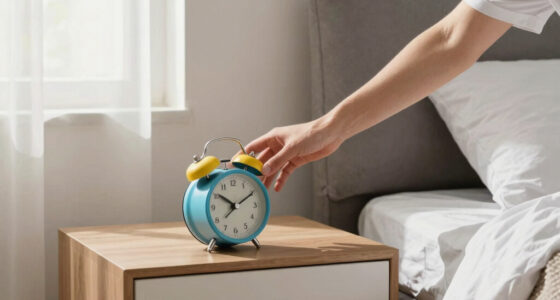
Starting your day in a college dorm can feel like walking a tightrope. You need to wake up on time, but your roommate’s sleep shouldn’t suffer. The right alarm clock acts like a silent partner—loud enough for you, considerate enough for others.
In this guide, you’ll learn which features matter most—like volume control, size, and roommate awareness—and how to pick an alarm that makes mornings smoother. Whether you’re a heavy sleeper or sharing a tiny room, these tips will help you find a wake-up system that works without chaos.
Choose alarms with adjustable volume, escalating tones, and vibration support for reliable wake-ups.
Prioritize roommate-friendly features like bed-shakers and personal vibrations over loud, room-filling alarms.
Verify battery backup and offline operation to avoid waking up late during power or Wi-Fi outages.
Use a combination of alarm types—like a wearable vibration plus a backup sound—for best results.
Always check dorm policies on device size, power use, and smart features before buying.
Alarm Clocks for College Dorms: Loud, Small, and Roommate-Aware
The right dorm alarm clock works like a silent partner—loud enough for you, considerate enough for everyone else sharing the room. Adjustable volume, vibration, and a compact footprint let heavy sleepers wake on time without starting a morning war.
What Makes a Dorm Alarm Actually Wake You Up?
Effective alarms don’t just blast noise—they combine volume, tone, and physical vibration. Sleep studies show that multiple sensory stimuli dramatically improve wake-up success, especially for deep sleepers. But effectiveness must be balanced against comfort: harsh alarms cause stress, while subtle ones get ignored.
Escalate & Jolt
Alarms that escalate in intensity—or include a bed-shaker—provide the physical jolt needed to rouse someone in deep sleep, where a gentle sound simply fails.
Soothe & Gradual
Soothing tones that gradually increase minimize shock and stress on waking, reducing grogginess and the disruptive startle of a shrill buzzer.
Multi-Sensory Cueing
Combining sound and vibration taps multiple senses at once—significantly improving wake-up reliability and reducing oversleep risk across sleep depths.
The tradeoff: overly aggressive alarms cause anxiety and disturb roommates; too-subtle alarms risk being ignored. Match features to your sleep depth and room environment.
How Loud Is Too Loud for a Shared Room?
Decibel impact varies with distance and room acoustics—but some alarm types are inherently more roommate-friendly than others. Start at the green end before reaching for the bell.
A Wake-Up Strategy That Won’t Start a War
The most considerate setup uses the least disruptive method that still works. Follow this escalation path—reaching for louder alarms only when quieter methods repeatedly fail.
Start personal. Use a wearable vibration alarm or bed-shaker directed only at you.
Add backup sound. A quiet, gradually increasing tone covers vibration failures.
Place it close. Near your bed means lower volume, not room-filling sound.
Kill the extras. Disable flashing lights and keypress beeps that wake others.
Talk it out. Agree on alarm times and snooze limits with your roommate.
Escalate last. Use louder alarms only when quieter methods fail.
Which Type Suits Your Dorm?
Every alarm type trades off privacy, reliability, and practicality. Here’s how the main categories stack up for shared dorm rooms.
| Type | Best For | Main Drawback | Roommate-Friendly |
|---|---|---|---|
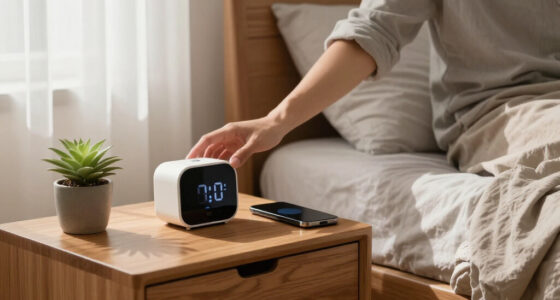
| Compact digital clock | Most students | Audible alarm may disturb a roommate | ~ Moderate |
| Bed-shaker alarm | Heavy sleepers & shared rooms | Vibration may transfer through bed frames | ✓ High |
| Wearable vibrating alarm | Maximum privacy | Must be charged and worn overnight | ✓ Highest |
| Sunrise alarm | Gentle waking, dark mornings | Larger, brighter, often more expensive | ~ Moderate |
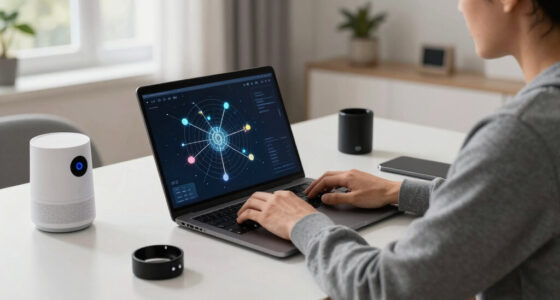
| Smart speaker / display | Flexible routines, voice control | Wi-Fi, accounts & privacy dependencies | ~ Moderate |
| Phone-based alarm | Minimal extra equipment | Easy to silence; notification distractions | ~ Moderate |
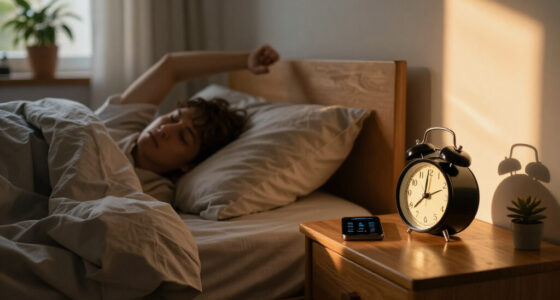
| Analog bell alarm | Very heavy sleepers | Extremely disruptive in a shared room | ✗ Poor |
| Travel alarm clock | Tiny desks, frequent trips | Usually fewer features | ~ Moderate |
The Innovations Making Dorm Alarms Subtler
Recent technology aims at the same dual goal: waking you reliably while leaving your roommate undisturbed. These features are reshaping what to look for in a new alarm.
Relative adoption & impact for dorm use — editorial assessment
Key Facts Every Dorm Student Should Know
Understanding what makes an alarm effective goes far beyond volume. These overlooked details decide whether you make that 8 AM class.
Snoozing Backfires
Repeated snoozing fragments sleep cycles, increasing grogginess and creating a cycle of oversleeping.
Harsh vs. Melodic
A shrill tone startles you awake but causes stress; melodic tones may fail for deep sleepers. Pick per your sleep depth.
Test It Regularly
Backup often preserves time and settings only—not the alarm sound itself. Physical buttons beat Wi-Fi during outages.
“Wi-Fi-dependent alarms risk missed wake-ups when networks fail. Offline operation and manual controls are your safety net.”
Verify These Before You Buy
Run through this list in the store or online cart—it covers the details most students only discover after a missed midterm.
- Adjustable volume + escalating tones — reliable wake-ups at your sleep depth.
- Vibration support — a bed-shaker or wearable directs the signal to you only.
- Battery backup that sounds the alarm — not just one that saves the clock.
- Dimmable or switchable display — red/amber beats bright blue LEDs at night.
- Stable compact base — it shouldn’t slide when you slam snooze half-asleep.
- USB charging ports — saves outlet space; check charging speed output.
- Multiple alarms with day programming — weekday, weekend, and class-day schedules.
- Campus housing rules — some residences restrict wattage, cords, or smart devices.
- Electrical safety certification — skip cheap clocks with questionable adapters.
- Accessibility options — large digits, tactile controls, flashing-light alerts if needed.
Five Rules for Peaceful, Punctual Mornings
Choose adjustable volume, escalating tones, and vibration support for reliable wake-ups.
Prioritize bed-shakers and personal vibrations over loud, room-filling alarms.
Verify battery backup and offline operation against power or Wi-Fi outages.
Combine alarm types—wearable vibration plus backup sound—for best results.
Check dorm policies on device size, power use, and smart features before buying.
What makes a dorm alarm clock really wake you up?
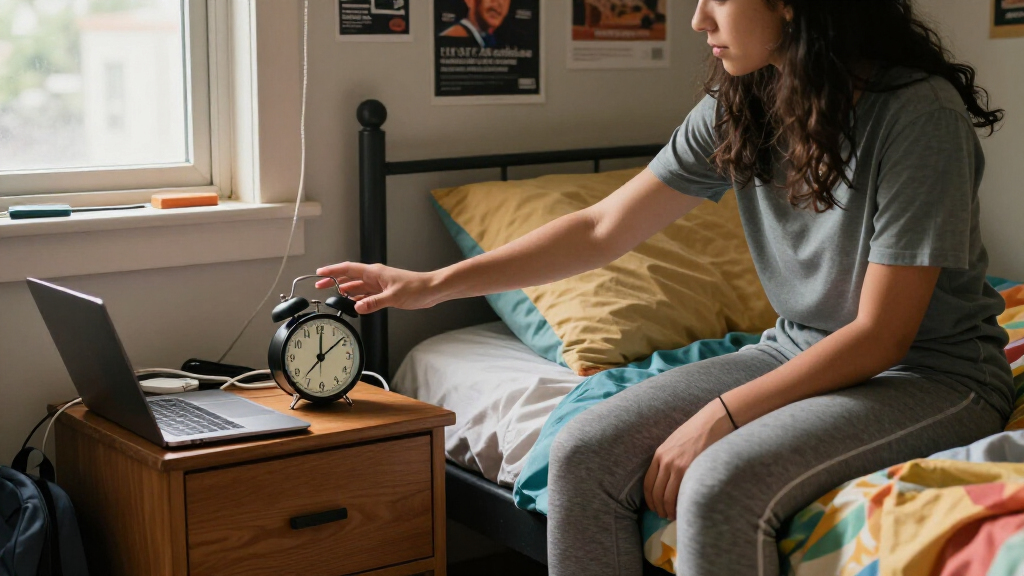
Effective dorm alarm clocks don’t just blast noise—they combine volume, tone, and sometimes vibration. Heavy sleepers need alarms that escalate in intensity or include physical jolts, like a bed-shaker, because a gentle sound may not rouse someone in deep sleep. Conversely, light sleepers benefit from alarms with soothing tones that gradually increase, minimizing shock and stress upon waking, which can be disruptive. The timing and nature of the alarm’s sensory cues directly impact your ability to wake up reliably and gently, reducing the risk of oversleeping or feeling groggy. According to sleep studies, combining multiple sensory stimuli—such as sound and vibration—can significantly improve wake-up success, especially for those with deep sleep patterns. The tradeoff lies in balancing effectiveness with comfort; overly aggressive alarms might cause anxiety or disturb others, while too subtle alarms risk being ignored. Matching your alarm’s features to your sleep depth and room environment ensures you wake up feeling rested and ready.
compact dorm room alarm clock with vibration
As an affiliate, we earn on qualifying purchases.
As an affiliate, we earn on qualifying purchases.
How to pick an alarm clock that won’t bother your roommate
Roommate peace hinges on choosing alarms that meet your wake-up needs without causing a wake-up war. This involves understanding the implications of your choices: a loud, room-filling alarm might wake you but could also disturb your roommate, leading to conflicts or resentment. Using a wearable vibration alarm or bed-shaker directs the wake-up signal specifically to you, reducing collateral disturbance. Adding a backup sound with a gentle, escalating tone ensures reliability if vibrations are insufficient or transfer poorly through furniture. Placement is crucial—placing the device close to your bed minimizes the need for high volume, which can ripple through shared spaces. Disabling flashing lights or loud keypad sounds further prevents accidental awakenings. Discussing alarm times and snooze limits with your roommate ahead of time creates mutual understanding, preventing morning disputes. Ultimately, combining personal vibrations with a soft backup sound offers a balanced approach: effective waking without compromising shared peace. This strategy respects individual sleep needs while maintaining harmony in the dorm.
loud adjustable volume alarm clock for heavy sleepers
As an affiliate, we earn on qualifying purchases.
As an affiliate, we earn on qualifying purchases.
Which type of alarm clock suits different dorm needs?
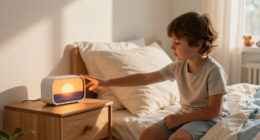
Choosing the right alarm depends on your sleep habits, space constraints, and roommate dynamics. A compact digital clock is versatile but can be disruptive if set to a loud alarm, making it less ideal for shared rooms. Bed-shaker alarms are great for heavy sleepers or those who want discreet wake-up methods; however, vibrations may transfer through bedframes, especially if the furniture is lightweight, reducing effectiveness. Wearable vibrating alarms offer maximum privacy and are highly customizable, but they require regular charging and consistent wearing overnight, which might be inconvenient. Sunrise alarms simulate natural dawn, promoting gentle waking and better circadian alignment, but they tend to be larger and more expensive, which could be impractical in tight dorm spaces. Smart speakers with displays can provide flexible routines and integrate with other devices, but reliance on Wi-Fi and potential privacy concerns might limit their suitability. Phone alarms are ubiquitous and convenient but pose risks of being silenced or ignored due to distractions—highlighting the importance of choosing alarms that match your sleep pattern and living situation. Weighing these factors helps ensure your choice enhances your mornings without creating additional dorm conflicts.
roommate-friendly alarm clock with bed shaker
As an affiliate, we earn on qualifying purchases.
As an affiliate, we earn on qualifying purchases.
Latest trends making dorm alarms smarter and more subtle
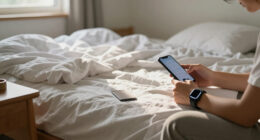
Recent innovations in dorm alarm technology aim to improve waking reliability while minimizing disturbance. Multi-sensory alert systems combine vibration, light, and sound, allowing for a more tailored wake-up experience that can be adjusted for sensitivity and preference. App-controlled alarms enable customization of routines, sleep tracking, and gradual wake-up schemes, helping students optimize their mornings based on sleep quality. Sunrise simulation clocks are now smaller and more affordable, mimicking natural dawn to gently wake the body without abrupt noise, which is especially helpful for those sensitive to sudden sounds. Features like automatic dimming and display-off modes reduce nighttime glow, preventing light pollution that could disturb roommates or affect sleep quality. Wearable haptic alarms, such as smartwatches and fitness bands, offer discreet vibrations directly on the wrist, providing a highly personal wake-up cue. These innovations not only improve waking success but also promote healthier sleep habits, as they encourage less disruptive routines. When choosing new dorm alarms, consider compatibility with your devices and your personal comfort, ensuring technology enhances rather than complicates your mornings.
battery backup digital alarm clock for college
As an affiliate, we earn on qualifying purchases.
As an affiliate, we earn on qualifying purchases.
Key facts every dorm student should know about alarm clocks
Understanding what makes an alarm clock effective goes beyond just volume. Decibel levels vary depending on how close you are to the device and the room’s acoustics, meaning a loud alarm in one setting might be ineffective in another. The tone or pitch of the alarm can influence how quickly you wake; a harsh, shrill sound may startle you awake, but could also cause stress, while a gentle, melodic tone might not be effective for deep sleepers. Repeated snoozing fragments sleep cycles, leading to increased grogginess and potential difficulty waking later, which can create a cycle of oversleeping. Bed shakers and vibrations can transfer through furniture, especially if beds are lightweight or connected to frames, reducing their effectiveness. Battery backup ensures the alarm functions during power outages, but often only preserves time and settings, not the alarm sound itself—so testing your device regularly is vital. Wi-Fi-dependent alarms might be unreliable if network issues arise, risking missed wake-ups. Physical buttons or manual controls are more dependable during outages, but may be less convenient. Recognizing these factors helps you choose alarms aligned with your sleep patterns and living conditions, minimizing disappointment and ensuring reliable mornings.
Checklist: What to verify before buying your dorm alarm clock
Before making a purchase, ensure your alarm clock includes features that align with your sleep habits and dorm environment. Adjustable volume and tone controls allow you to customize the wake-up experience, which is crucial because too loud can disturb others, while too soft might be ignored. Vibration or bed-shaker support is essential for heavy sleepers or those sharing rooms, but verify its placement and transferability—poor placement can render it ineffective. Multiple alarms or weekly scheduling provide flexibility for varying routines, helping you avoid oversleeping. Display dimming or night mode reduces light pollution during late-night or early-morning hours, supporting better sleep hygiene. Physical controls should be clearly labeled for ease of use, especially when groggy. Reliable battery backup is vital in case of power outages, ensuring you wake up on time regardless of electrical issues. Compact size and sturdy bases prevent accidental knock-overs and fit well into small dorm spaces. Included power adapters and sufficient cable length facilitate setup. USB charging ports and output add convenience, especially if you use multiple devices. Offline functionality is a bonus, preventing missed alarms if campus Wi-Fi is unreliable. Electrical safety certification ensures durability and compliance. Compatibility with lofted beds and outlets prevents installation issues. This comprehensive checklist helps you select a dorm alarm clock that is dependable, safe, and suited to your unique needs, avoiding surprises during busy mornings.
Conclusion
The right alarm clock is like a good friend—firm, reliable, and considerate. It helps you start your day on time without turning your dorm into a wake-up war zone.
Pick a device that fits your sleep style and living space, and discuss it with your roommate. With the right setup, those early mornings won’t be so daunting—and you’ll get out the door ready to conquer the day.
Halloween Picks
halloween
As an affiliate, we earn on qualifying purchases.