TL;DR

Get wellness gear delivered free with Prime
- Fast, free delivery on millions of items
- Prime Video, Amazon Music and more included
- Member-only deals all year
The best first alarm clock for a child balances safety, ease of use, and engaging features like gentle sounds or lights. Smart tech and wake-up lights can ease mornings, but simplicity often wins for younger children. Parental supervision helps turn alarm clocks into helpful routines.
Getting your child out of bed on time can feel like a battle. But the right alarm clock can turn mornings from chaos into calm. It’s not just about loud sounds—it’s about safety, simplicity, and making waking up a positive experience.
In this guide, you’ll learn how to pick a clock that’s safe, easy to operate, and appealing to your child. Plus, tips on how to help them develop independence and set a routine they can stick to.
Safety first: choose clocks with non-toxic materials and sturdy builds.
Simplicity wins: select models with large buttons, clear displays, and easy controls.
Gentle cues matter: opt for alarm sounds and lights that wake kids softly.
Make it fun: colorful, themed designs encourage positive waking experiences.
Foster independence: teach kids to set and operate their alarm clocks gradually.
Choosing a First Alarm Clock for a School-Age Child
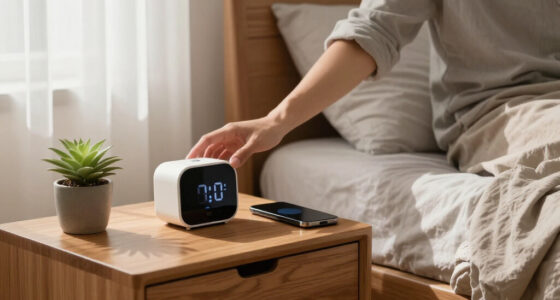
The best first clock balances safety, simplicity and a calm wake-up. Gentle light or soft sound can ease the transition from sleep, while clear controls help a child build confidence one morning at a time.
The five essentials
Start with the features that affect everyday use. Extra technology is only valuable when it makes the routine clearer, calmer or safer for your child.
Built for curious hands
Choose non-toxic materials, rounded edges and sturdy construction. Avoid loose pieces and small parts that could become choking hazards.
Simple at a glance
Large labeled buttons, big numerals and a direct alarm-setting sequence reduce frustration and support developing motor skills.
Gentle, then effective
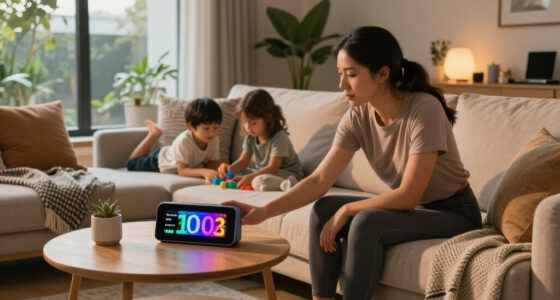
Look for adjustable volume, soft melodies, nature sounds or a sunrise light that increases gradually instead of startling the sleeper.
Ready through outages
A battery backup protects the alarm setting when power fails. Check that the backup powers the alarm—not only the clock memory.
Appealing, not distracting
A compact, colorful or themed design can build positive associations while still fitting safely within reach on a bedside table.
Room to grow
Snooze, weekday schedules and time-learning cues can help later—but the child should master the basic alarm before adding layers.
Which clock style fits?
The strongest first choice depends on age, sensitivity and routine. A conventional clock is often easiest to master; light-based and smart models add flexibility at the cost of space, price or complexity.
| Clock type | Best for | Easy controls | Gentle waking | Parent control | Tradeoff |
|---|---|---|---|---|---|
| Basic digital | A first independent clock | ✓ | ~ | ✗ | Few customization options |
| Wake-up light | Sensitive or reluctant risers | ~ | ✓ | ~ | Larger footprint and higher cost |
| OK-to-wake clock | Learning when to get up | ✓ | ✓ | ✓ | May be outgrown sooner |
| Smart alarm clock | Flexible family schedules | ✗ | ✓ | ✓ | Apps, privacy and setup complexity |
| Analog learning clock | Practicing time reading | ~ | ✗ | ✗ | Less precise and often louder |
Prioritize what changes mornings
This relative weighting translates the guide’s recommendations into a practical buying score—not clinical research percentages. Rate each candidate against the factors that matter most.
The bedside test
Before committing, check whether your child can complete these actions.
From parent help to independence
Learning works best as a gradual handoff. Rehearse during a calm moment, keep the sequence consistent and praise effort—not only perfectly timed mornings.
Demonstrate
Show how to set, check and stop the alarm.
Set together
Repeat the same bedtime steps side by side.
Child leads
Let them operate it while you quietly check.
Reinforce
Recognize preparation, waking and getting up.
Independent
Reduce reminders once the routine is reliable.
For most younger school-age children, simplicity wins. Choose a safe, sturdy clock with large controls, an easy-to-read display, adjustable gentle cues and battery backup. Add smart features only when they solve a real family need—and introduce every clock with parental supervision.
What features make a safe and kid-friendly alarm clock?
Safety is key. Look for clocks made from non-toxic, sturdy materials. Avoid models with small parts that could be swallowed or cause choking. For example, clocks with large buttons and rounded edges are safer and more durable.
Choose a clock with a backup power source—batteries are a must. If the power goes out, your child still wakes up on time. This prevents missed alarms and keeps morning routines smooth.
For instance, a child’s clock with a soft silicone exterior and no loose pieces is less likely to cause accidents.
Understanding why safety features matter helps you prioritize durability and design that minimizes risk, especially since children are naturally curious and may mishandle or chew on parts. The tradeoff is often between more complex features and simplicity; opting for fewer, safer parts enhances overall safety.
children's alarm clock with light and sound
As an affiliate, we earn on qualifying purchases.
As an affiliate, we earn on qualifying purchases.
How to pick an alarm clock your child can handle easily?
- Choose a clock with a simple, intuitive interface. Large, clearly labeled buttons simplify setting alarms and reduce frustration, especially for younger children still developing fine motor skills.
- Look for a clear display or visual cues. Digital clocks with big numbers help children read the time easily, building their time-reading skills and fostering independence.
- Test the clock yourself. If your child struggles to understand how to operate it or needs frequent help, it might be too complicated, which could discourage independence and cause morning delays.
- For example, a clock with a single button to snooze and a straightforward dial for setting wake times makes mornings less frustrating and encourages self-reliance.
Choosing user-friendly clocks reduces frustration, prevents reliance on parents, and helps your child learn to manage their routine, which is a crucial step toward independence. The tradeoff with more feature-rich models is often increased complexity, so simplicity often supports better learning and confidence-building.
easy-to-use kids alarm clock for beginners
As an affiliate, we earn on qualifying purchases.
As an affiliate, we earn on qualifying purchases.
What types of alarm sounds and lights work best for kids?
Alarm sounds should be adjustable. Many kids respond better to gentle melodies or nature sounds rather than loud beeps because these minimize startle responses, making waking up a less stressful experience. The implication is that children who wake gradually tend to be more alert and less groggy, supporting better mood and focus later in the day.
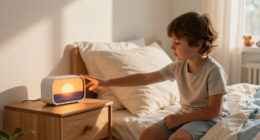
Lights, especially wake-up lights that simulate sunrise, are effective because they leverage natural cues. Sudden noise can be startling or upsetting for sensitive children, so a soft, gradual increase in light helps them wake calmly and feel more refreshed. The tradeoff is that such lights may take up more space or cost more, but the benefit of a calmer morning can outweigh these considerations.
For example, a clock with a sunrise feature that gradually fills the room with warm light can help a child wake up naturally, reducing morning stress and promoting a positive start to the day.
safe alarm clock for school-age children
As an affiliate, we earn on qualifying purchases.
As an affiliate, we earn on qualifying purchases.
How to choose a design that appeals to your child’s personality?
Colorful, themed clocks—like ones shaped like animals, cars, or favorite characters—can make mornings more fun. Bright hues and playful shapes attract children and create positive associations with waking up. This can increase their motivation to get out of bed and start the day happily.
Size matters too. A compact clock that fits comfortably on a bedside table avoids clutter and is easy for small hands to reach, encouraging independence. Well-designed, appealing clocks can also serve as a comforting presence, making mornings feel less like a chore and more like a routine they enjoy.
Imagine a little girl waking up to a clock shaped like a unicorn with twinkling eyes—morning routines suddenly become a little more magical. The implication is that engaging designs foster emotional attachment to waking routines, which can improve consistency and attitude over time.
kids wake-up clock with gentle light
As an affiliate, we earn on qualifying purchases.
As an affiliate, we earn on qualifying purchases.
What extra features can help kids wake up independently?
Features like snooze buttons, multiple alarms, and wake-up lights encourage independence by allowing children to manage their routines with minimal adult intervention. For example, a clock that allows setting different alarms for weekdays and weekends helps children learn about routine consistency and planning.
Some clocks have educational tools—like teaching to read the clock or interactive games—that make waking up a learning experience. This reinforces cognitive skills and promotes a sense of achievement, motivating children to wake up on time.
Consider a clock with a ‘wake-up window’ that only turns on the lights or sounds after a set time, helping your child learn patience and routine. These features support the development of self-regulation and time management, which are essential skills for independence and future success.
Are smart alarm clocks worth considering for your child?
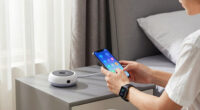
Smart alarm clocks connect to apps, allowing parents to set alarms remotely or monitor sleep patterns. They can also integrate with smart home devices, making mornings more synchronized and giving parents peace of mind about their child’s sleep habits. The significance lies in the ability to customize and adapt routines based on data, potentially improving sleep quality.
However, simplicity is often better for younger children. A complicated app or device might confuse or frustrate them, leading to resistance or misuse. The tradeoff is between advanced features and ease of use—sometimes, less is more, especially for children still learning routines.
For example, a parent can set a wake-up time through an app, and the clock’s gentle light will turn on at just the right moment, easing the transition from sleep to wakefulness without overwhelming the child.
How to teach your child to use their alarm clock independently?
- Start by demonstrating how it works. Walk through setting the alarm together multiple times, emphasizing the steps involved and why they matter.
- Use positive reinforcement. Praise their efforts to wake up on their own, reinforcing that they are capable and responsible.
- Gradually, let them take over the process. For example, they can set the alarm before bed, with your supervision initially, then independently as they gain confidence.
- Practicing this routine builds confidence and responsibility over time, fostering independence and establishing a habit that will serve them well in many areas of life.
How alarm clocks can help establish a healthy morning routine?
Consistent waking times build a sense of rhythm and help regulate internal clocks. An alarm clock reinforces this schedule, teaching kids the importance of routines that support healthy sleep patterns.
Pair the alarm with a morning checklist—brush teeth, get dressed, pack bag—to create a smooth transition from wake-up to ready for school. This structured approach reduces morning chaos and helps children develop self-discipline.
Imagine your child waking up to a gentle melody, then confidently checking off their morning tasks. Routine becomes a habit, not a battle, leading to more relaxed mornings and better overall well-being.
Frequently Asked Questions
What features should I prioritize for my child’s first alarm clock?
Look for safety, simplicity, adjustable volume, and engaging visuals or sounds. Features like backup batteries and easy-to-use controls are essential for a smooth start.Are there any safe, non-toxic alarm clocks suitable for young children?
Yes, opt for clocks made from non-toxic, durable materials with rounded edges and no small parts. Silicone or solid plastic models are typically safer choices.How can I help my child wake up more easily?
Use gentle sounds or wake-up lights that simulate sunrise. Pair these with consistent routines and positive reinforcement to make mornings less stressful.Are smart alarm clocks worth the investment?
Smart clocks can offer remote control and sleep tracking, but for younger kids, simplicity often works better. Choose based on your child’s comfort with technology.How do I teach my child to use the alarm clock independently?
Start by demonstrating how it works, then gradually let them take charge. Praising their efforts helps build confidence and establishes good habits.Conclusion
The right alarm clock can turn mornings from chaos into calm, fostering independence and healthy routines. Focus on safety, simplicity, and engaging features that suit your child’s personality and needs.
Imagine your child waking up with a smile, ready to face the day—morning routines that start with a gentle glow and a cheerful tune. That’s a morning worth waking up for.
Halloween Picks
halloween
As an affiliate, we earn on qualifying purchases.