
TL;DR

Get wellness gear delivered free with Prime
- Fast, free delivery on millions of items
- Prime Video, Amazon Music and more included
- Member-only deals all year
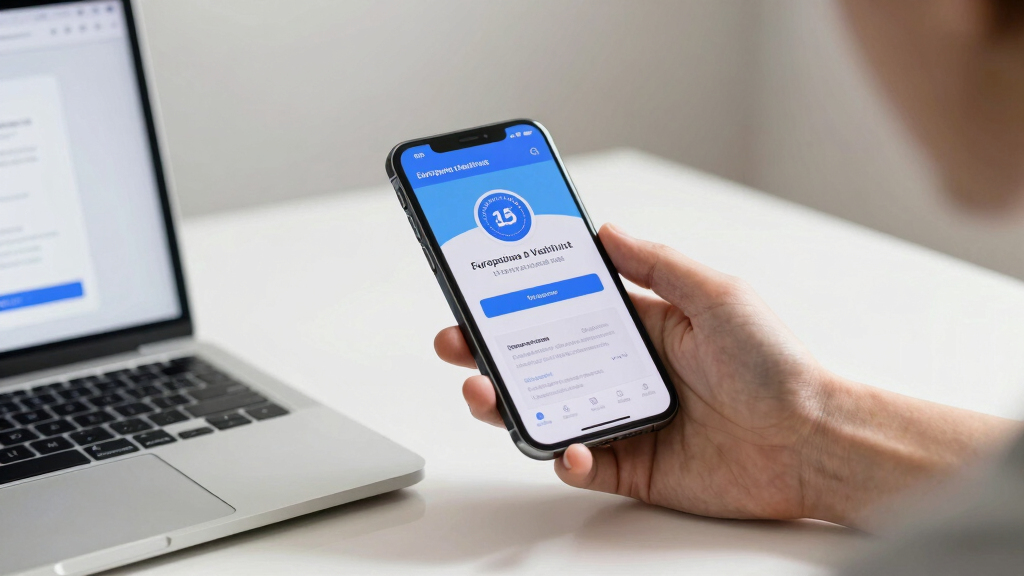
A new European age verification app is now mandatory for users to access certain online services. The app is only available on Android and iOS devices, prompting privacy and accessibility concerns. Authorities confirm the app’s deployment, but details on implementation remain limited.
The European Union has mandated the use of a new age verification app for accessing certain online services, requiring users to employ Android or iOS devices. This development marks a significant shift in digital age restrictions, with authorities emphasizing compliance and security.
European regulators announced the launch of an age verification app designed to enforce online age restrictions across member states. The app is only compatible with Android and iOS platforms, effectively excluding users of other operating systems. According to the European Digital Privacy Agency, the app aims to improve age verification accuracy and reduce underage access to age-restricted content. The rollout began in March 2024, with initial implementation in several countries including Germany, France, and Spain. The app requires users to verify their age through biometric data or official identification, raising concerns over privacy and data security. Authorities state that the app complies with GDPR standards, but critics question the potential for misuse or data breaches.Digital rights organizations have voiced concerns about the mandatory nature of the app, arguing it could limit access for users with older devices or those unwilling to share biometric data. The European Commission has defended the initiative as a necessary step to protect minors online, emphasizing that the app is part of a broader effort to strengthen digital safety.
Potential Impact on User Privacy and Accessibility
This development is significant because it introduces a standardized, mandatory age verification method across multiple European countries, potentially affecting millions of users. The restriction to Android and iOS platforms could marginalize users with alternative devices or those concerned about sharing biometric data. The move reflects a broader trend toward digital safety measures but also raises questions about privacy rights and digital exclusion. If successful, the app could serve as a model for global online age verification, but it also risks creating barriers for vulnerable populations or those with limited device access.
Android biometric verification app
As an affiliate, we earn on qualifying purchases.
As an affiliate, we earn on qualifying purchases.
European Efforts to Regulate Online Age Restrictions
European countries have been increasingly focused on online safety, especially concerning minors. Previous measures included age gates, parental controls, and content restrictions, but enforcement has been inconsistent. The new app is part of the EU’s Digital Services Act, aiming to create a unified approach to age verification. Similar initiatives have been proposed or piloted in other regions, but none have mandated platform-specific apps on such a scale. The rollout follows recent debates over privacy, biometric data collection, and digital rights within the EU.
“The new age verification app is designed to enhance online safety while respecting data protection standards.”
— European Digital Privacy Agency spokesperson
As an affiliate, we earn on qualifying purchases.
Unresolved Questions About Data Security and Enforcement
It is still unclear how the app will handle privacy safeguards beyond GDPR compliance, or how data will be stored and used. There is also uncertainty about the extent of enforcement across all member states and whether users with incompatible devices will face access restrictions. Additionally, the long-term effectiveness of the app in preventing underage access remains to be evaluated, and critics question whether it will truly enhance safety or simply impose barriers.
digital identity verification device
As an affiliate, we earn on qualifying purchases.
As an affiliate, we earn on qualifying purchases.
Next Steps in Deployment and User Feedback
The European authorities plan to expand the app’s rollout to all member states over the coming months. Monitoring of user feedback, privacy impact assessments, and technical evaluations are expected to inform future adjustments. Stakeholders are awaiting detailed guidance on data handling and enforcement policies. Additionally, advocacy groups are preparing to challenge or seek amendments to the mandate based on privacy and accessibility concerns.
privacy-focused biometric authentication
As an affiliate, we earn on qualifying purchases.
As an affiliate, we earn on qualifying purchases.
Key Questions
Why is the app only available on Android and iOS?
European regulators have limited the app to these platforms due to their dominant market share and existing security frameworks, aiming for easier deployment and compliance. However, this restricts users of other operating systems.
Does the app collect biometric data?
According to official statements, the app may require biometric verification or official ID scans, raising privacy concerns. Authorities claim it complies with GDPR, but critics worry about data security and misuse.
Will this restrict access for users with older devices?
Yes, users with devices incompatible with the app may face difficulties accessing certain online services, potentially creating digital divides.
Is this mandatory for all online services in Europe?
It is currently mandated for specific age-restricted services, but authorities plan to expand its scope. Enforcement details are still being finalized.
What are the privacy concerns associated with this app?
Critics worry about biometric data collection, data storage practices, and potential misuse, despite official assurances of GDPR compliance.
Source: hn
Halloween Picks
halloween
As an affiliate, we earn on qualifying purchases.