TL;DR

Get wellness gear delivered free — and shop member deals
- Fast, free delivery on millions of items
- Access to Prime Big Deal Days deals on October 6–7
- Prime Video, Amazon Music and more included
Cooling a bedroom without air conditioning relies on natural ventilation, shading, and fans. These methods can reduce indoor temps by several degrees, save energy, and keep your space comfortable without expensive equipment.
Imagine a hot summer night where your bedroom feels like an oven. No air conditioning? No problem. You can still beat the heat with simple, natural techniques. These strategies use what’s around you—airflow, shade, and clever tweaks—to keep your space cooler without cranking up the electricity bill.
In this guide, you’ll learn practical ways to lower your room temperature, from opening windows at the right times to creating a breeze that feels like a gentle summer storm. Whether you’re trying to avoid noisy fans or want eco-friendly options, these tips will help you sleep comfortably—even in the hottest weather.
Maximize cross-ventilation by opening windows on opposite sides during cooler times of day.
Use shading and reflective coverings to block solar heat and keep rooms cooler.
Fans create a cooling breeze—place them strategically and add ice for extra effect.
In dry climates, evaporative cooling can reduce temperatures by up to 7°C.
Timing your ventilation to early mornings and evenings prevents heat from building up.
How to Maximize Cross-Ventilation for Instant Cooling
Cross-ventilation is your best friend in a heatwave. It involves opening windows on opposite sides of your room or house to create a breeze that replaces warm air with cooler outdoor air. Why does this matter? Because stagnant indoor air traps heat, making your space feel stuffy and hotter than it needs to be. By establishing a steady airflow, you not only cool the room but also improve air quality, which can positively impact sleep and overall comfort.
To boost this effect, position a fan near the window facing inward or outward to direct airflow. This simple move can lower room temperatures by up to 5°C, especially during cooler parts of the day. However, it’s important to consider that the effectiveness depends on outdoor conditions — if the outside air is hotter than inside, cross-ventilation might temporarily bring in heat, so timing is key.
Tip: Keep windows open at night and early morning, then close blinds and curtains during the hottest part of the day to trap the coolness inside. This creates a thermal buffer, reducing indoor heat gain and prolonging comfort.
As an affiliate, we earn on qualifying purchases.
The Power of Shade: Block Out the Sun’s Heat
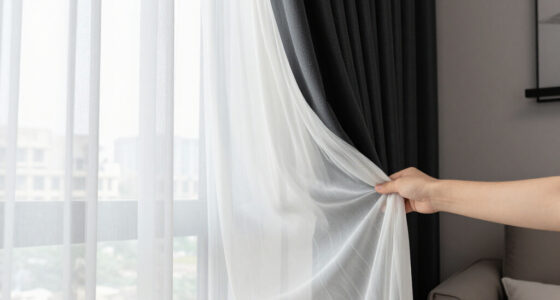
Sunlight streaming through windows turns your room into a mini greenhouse, trapping heat and raising indoor temperatures. Using blackout curtains, reflective window films, or DIY solutions like aluminum foil on the glass can significantly reduce this heat gain. Why is shading so impactful? Because solar radiation is one of the main contributors to indoor heat, especially during peak afternoon hours. By blocking or reflecting this energy, you prevent your space from becoming uncomfortably hot, which can save energy by reducing the need for additional cooling measures.
Pulling blinds or curtains during the hottest hours can prevent up to 80% of solar heat from entering, making a substantial difference in comfort. Think of your windows as the skin of a hot car—covering them is like applying a reflective coat that keeps the interior cooler. This not only helps during the day but also allows cooler night air to cool your space more effectively when windows are reopened.
Pro tip: During summer, keep shades closed during the day and open windows at night to let in cooler air. This strategy leverages the natural temperature cycle, reducing reliance on artificial cooling and helping you maintain a more stable, comfortable environment.
As an affiliate, we earn on qualifying purchases.
Fans: Create a Breeze Without Cooling the Air
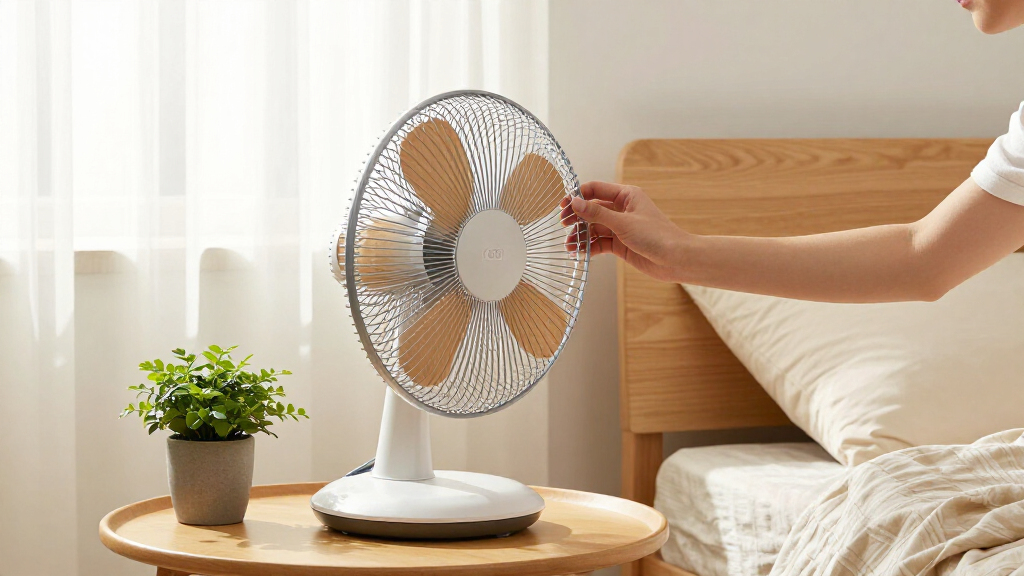
Fans don’t actually lower the temperature—they create a wind-chill effect that makes you feel cooler. Understanding this is key to using fans effectively. For example, a ceiling fan set to rotate counter-clockwise pushes warm air upward, creating a breeze that enhances evaporation of sweat, which is how your body naturally cools itself. Oscillating fans placed near open windows or doorways can circulate air across the room, helping to distribute cooler air and break up stagnant warm pockets.
It’s important to recognize the tradeoff here: fans are most effective when the ambient air is cooler or at least not hotter than your skin temperature. During extreme heat, fans can circulate hot air, which might make you feel uncomfortable if not used correctly. For maximum benefit, combine fans with other strategies like shading or cross-ventilation. For example, placing a fan in front of an open window can draw in cooler evening air, creating a refreshing breeze that enhances comfort. Additionally, adding ice or damp cloths in front of fans can boost the cooling sensation, making it feel even more effective.
Tip: Use a bowl of ice or a damp cloth in front of your fan to create a cooling mist, which can significantly enhance the wind-chill effect and help you feel cooler faster.
As an affiliate, we earn on qualifying purchases.
Use Evaporative Cooling for Dry Climates
Evaporative coolers, or swamp coolers, are a natural way to lower indoor temperatures in dry environments. They work by adding moisture to the air, which absorbs heat as it evaporates. Why does this matter? Because in dry climates, this process can provide significant relief without the need for electrical refrigeration. When moisture evaporates from a damp towel or shallow bowl of water in front of a fan, it takes heat away from the air, reducing the room temperature. This method mimics how sweating cools the body—by using evaporation as a natural cooling mechanism.
In dry conditions, this can drop indoor temps by 3-7°C, making nights more bearable and reducing the load on other cooling devices. However, it’s crucial to note that in humid climates, this method becomes less effective because the air already contains high moisture levels, which slows or halts evaporation. Therefore, understanding your local climate helps determine whether evaporative cooling is a practical solution or if it might inadvertently increase humidity and discomfort.
Note: These methods are less effective in humid areas, where moisture can’t evaporate easily from the air, potentially making your space feel even hotter and more humid.
As an affiliate, we earn on qualifying purchases.
Smart Building Tricks to Keep Temperatures Down
Modern architecture isn’t just about looks—it’s about passive cooling. Features like vented roofs, underground tunnels, or shaded courtyards help keep indoor spaces cooler naturally by promoting airflow and reducing heat absorption. Why does this matter? Because these design elements work with the environment to regulate indoor temperatures without energy consumption. For instance, a vented roof allows hot air to escape, preventing it from accumulating inside and reducing indoor temperatures by a few degrees. Similarly, underground tunnels or shaded courtyards create microclimates that buffer indoor spaces from external heat.
Some homeowners are installing reflective paints or light-colored roofing materials that bounce sunlight away, preventing heat absorption and keeping homes cooler during the day. These passive strategies have long-term benefits, reducing cooling costs and environmental impact. If you’re planning a renovation or building new, integrating such eco-friendly features can significantly enhance comfort and sustainability. Additionally, planting trees or shrubs around your home provides shade, and through evapotranspiration, cools the surrounding air, creating a more comfortable microclimate.
Tip: Incorporate natural shading and reflective surfaces into your design to maximize passive cooling. Small changes, like planting a shade tree or installing reflective roofing, can lead to substantial comfort improvements over time.
Timing Is Everything: When to Ventilate for Best Results
Ventilating at the right moments is key. Opening windows early in the morning and late at night when outdoor air is cooler allows you to harness naturally cooler temperatures, reducing indoor heat buildup. Why does timing matter? Because during the hottest hours, typically midday to early afternoon, outdoor temperatures peak, and opening windows can actually introduce more heat into your space. By closing windows during these times and sealing in the cool air, you maintain a more stable and comfortable environment.
Using a thermometer helps you identify when outdoor conditions are optimal for ventilation. For example, if outdoor air is cooler than indoor air at 6 a.m., opening windows then maximizes cooling benefits. Conversely, if it’s hotter outside, keeping windows closed prevents heat from entering. This strategy effectively creates a thermal buffer, reducing reliance on mechanical cooling and saving energy. Additionally, using window coverings during peak heat hours further insulates your space against external heat gain.
Pro tip: Consistently monitor outdoor temperatures and humidity levels to refine your ventilation timing, ensuring you always optimize the cooling potential of natural airflow.
Frequently Asked Questions
Can fans really cool a room?
Fans don’t lower the air temperature but create a wind-chill effect that makes you feel cooler. When air moves over your skin, it speeds up evaporation of sweat, which cools you down naturally.Are evaporative coolers suitable for humid climates?
Evaporative coolers work best in dry environments because they add moisture to the air. In humid areas, they tend to be less effective and can even make the room feel warmer.How can I keep my home cooler without making it hotter?
Use reflective window coverings, insulate walls properly, and avoid generating heat indoors. Keep blinds closed during the hottest part of the day, and ventilate during cooler times to maintain a pleasant temperature.What are some easy DIY tricks for cooling a bedroom?
Hang damp sheets in front of open windows, place bowls of ice in front of fans, and use light-colored curtains to reflect sunlight. These inexpensive hacks can make a noticeable difference.Is it safe to use DIY cooling methods like ice or damp cloths?
Yes, as long as you keep the environment well-ventilated and clean your fans regularly. Avoid excess humidity that can promote mold growth, especially in poorly ventilated spaces.Conclusion
Cooling a bedroom without air conditioning isn’t just possible—it can be enjoyable. Using natural airflow, strategic shading, and simple tricks like fans and timing can turn even the hottest nights into a restful escape. Think of your home as a cool oasis, built with your comfort in mind.
Next time the heat hits, remember: it’s not about fighting the sun but working with it. Small adjustments and smart choices make a big difference. Your coolest night might just be a breeze away.
Fall Picks
fall essentials
As an affiliate, we earn on qualifying purchases.