
TL;DR
Cellular shades effectively block out light and improve insulation, making them perfect for bedrooms. Recent innovations include smart tech and eco-friendly fabrics, enhancing both convenience and sustainability.
Imagine slipping into your bedroom and being greeted by total darkness, no matter how early or late it is outside. Now, add the comfort of a cozy, temperature-controlled space that stays just right—hot in winter, cool in summer. Cellular shades do both, blending blackout capabilities with insulation, so you sleep better and save energy. If you’re tired of waking up with the sun or feeling drafts, this guide will show you how cellular shades can turn your bedroom into a perfect sleep sanctuary.
We’ll explore what makes these shades so effective, recent tech improvements, and practical tips for choosing the right fit. Whether you want to block out city lights or keep your room warm, understanding cellular shades helps you sleep more soundly and spend less on heating and cooling.
Choose double or triple cell cellular shades for maximum insulation and darkness.
Get precise measurements and opt for blackout fabrics to block nearly all light.
Modern shades with motorization and eco-fabrics add convenience and sustainability.
Regular, gentle cleaning keeps your shades functioning and looking their best.
Cellular shades can cut heating costs by up to 40%, making them a smart energy choice.
How Cellular Shades Keep Your Bedroom Dark and Cozy
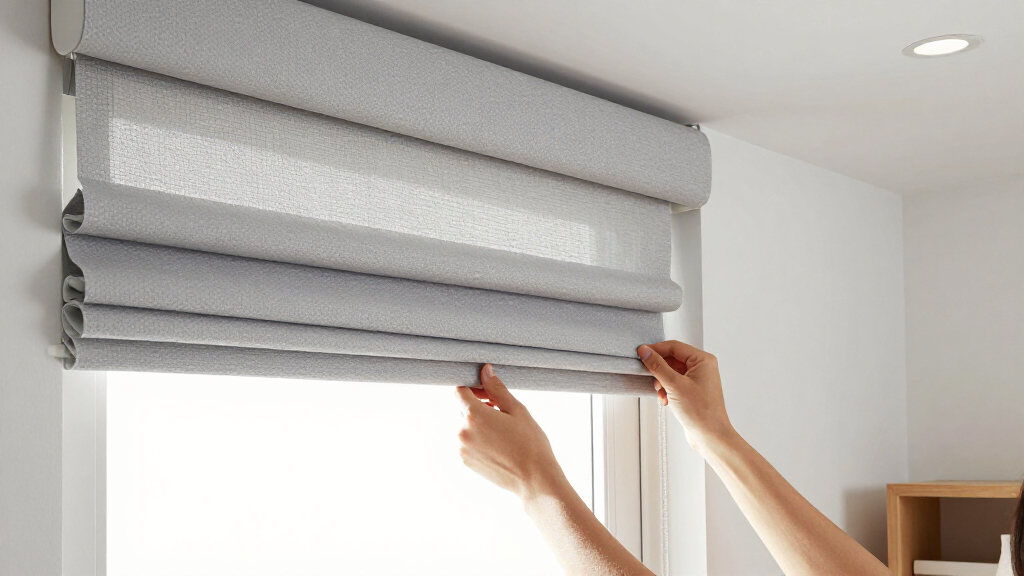
Cellular shades are designed with a honeycomb structure that traps air, creating a barrier against light and temperature exchange. When you pull down a blackout cellular shade, the fabric blocks nearly every ray of light—perfect for sleeping in late or during daylight hours. The thick, densely woven fabric prevents light leaks that can ruin your sleep.
Plus, the air pockets act as insulators. On cold nights, they keep drafts out. During hot days, they block excess heat, helping your room stay cooler. Think of them as a thermal barrier that also shields you from early morning sun or streetlights.
Why does this matter? Because light leaks and drafts can significantly disrupt your sleep quality and comfort. Even small gaps or poorly insulated windows can let in enough light or cold air to disturb your rest. Cellular shades mitigate these issues by providing a more complete seal, which leads to deeper sleep and a more stable indoor temperature. The tradeoff is that higher-quality blackout shades might be more expensive or require professional installation, but the benefits in sleep quality and energy savings often outweigh these costs.
blackout cellular shades for bedroom
As an affiliate, we earn on qualifying purchases.
As an affiliate, we earn on qualifying purchases.
The Different Types of Cellular Shades and Why They Matter
Not all cellular shades are created equal. Here’s what you need to know to pick the best for your bedroom:
| Feature | Single Cell | Double Cell | Triple Cell |
|---|---|---|---|
| Insulation | Good | Better | Best |
| Light Blocking | Excellent with blackout fabrics | Excellent | Excellent |
| Cost | Lower | Moderate | Higher |
Understanding these differences is crucial because they directly impact your sleep environment. Double and triple cell shades trap more air, providing superior insulation that can significantly reduce heating and cooling costs. However, they also tend to be more expensive and heavier, which might affect ease of installation or motorization options. Conversely, single cell shades are more budget-friendly and lightweight, but may offer less insulation. The tradeoff involves balancing your need for energy efficiency, blackout quality, and budget constraints. Choosing the right type means aligning these factors with your priorities for comfort, cost, and convenience.
insulating honeycomb window shades
As an affiliate, we earn on qualifying purchases.
As an affiliate, we earn on qualifying purchases.
How to Choose Cellular Shades That Actually Block the Light
- Pick shades with a blackout fabric. Not all fabrics are fully opaque, and choosing the right material ensures maximum darkness. Consider shades with a tight weave or additional lining for better light blocking.
- Measure carefully. Gaps around the edges can let in unwanted light, especially if the shades aren’t custom fit. Precise measurements and professional installation can minimize these gaps for a more effective blackout.
- Look for shades with tight seals or edge liners designed for blackout. These features help prevent light leaks at the edges, which can be a common problem with standard shades.
- Consider double or triple cell options for better darkness and insulation. These thicker shades trap more air and block more light, making them ideal for bedrooms where total darkness is a priority.
- Opt for motorized or cordless models to eliminate gaps caused by cords. These options not only improve blackout performance but also enhance safety and convenience.
For example, a customer wanted to sleep during the day and chose blackout double cell shades with a custom fit. After installation, their room was pitch-black even at noon—no more waking up to sunlight! Properly fitting shades with blackout fabric eliminate most light leaks, but the key is precise measurement and quality installation to ensure the shades perform as intended. The tradeoff here is that custom or motorized shades can be more costly, but the improved sleep environment and energy savings often justify the investment.
motorized blackout cellular shades
As an affiliate, we earn on qualifying purchases.
As an affiliate, we earn on qualifying purchases.
Why Insulation Matters: Save Energy and Sleep Better
Cellular shades do more than block light—they play a vital role in maintaining a stable indoor temperature by reducing drafts and heat loss. Their honeycomb structure traps air, which acts as a thermal barrier, preventing heat from escaping in winter and blocking heat from entering in summer. This insulation effect can reduce heat escape by up to 40%, according to recent studies, which translates into tangible savings on energy bills.
Understanding this is important because it highlights the dual benefit of cellular shades: comfort and cost savings. For instance, a homeowner in Minnesota found that installing double cell shades lowered their heating bill by about 15% during winter. They also noticed that their room stayed more consistently warm, reducing hot and cold spots. This demonstrates that investing in quality shades with proper installation can have long-term benefits that go beyond just light control. The tradeoff is that higher-insulation shades tend to be more expensive upfront, but the energy savings and increased comfort often outweigh the initial cost.
eco-friendly cellular window shades
As an affiliate, we earn on qualifying purchases.
As an affiliate, we earn on qualifying purchases.
Latest Tech and Eco-Friendly Options in Cellular Shades
Modern cellular shades now come with smart features and eco-friendly fabrics. You can control them with your voice or smartphone, scheduling them to open or close based on the time of day or sunlight. This automation not only enhances convenience but can also optimize energy efficiency—by opening shades to let in warmth or light when needed and closing them during peak heat hours to keep your room cooler.
Some shades are made from recycled fabrics or include reflective backing that boosts insulation further by reflecting heat back into the room or away from it. These features help you sleep better by maintaining a consistent temperature, while also reducing your environmental impact. The tradeoff might be higher initial costs or the need for compatible smart home systems, but the long-term benefits in comfort, energy savings, and sustainability make these options increasingly appealing.
Maintaining Your Cellular Shades to Keep Them Working Like New
Cleaning cellular shades is straightforward but requires some care to preserve their insulating and blackout qualities. Regular dusting with a vacuum brush attachment or a soft cloth prevents dust buildup that can degrade fabric quality and light-blocking ability. For fabrics labeled washable, a gentle rinse with mild soap and water can restore their brightness and prevent discoloration over time.
Be cautious with aggressive scrubbing or harsh chemicals, as these can damage the delicate honeycomb structure and compromise their insulation or blackout features. Proper maintenance not only keeps your shades looking good but also extends their lifespan and ensures they continue to perform well at blocking light and insulating your room effectively. Investing a little time in regular cleaning can lead to long-term savings by avoiding premature replacement and maintaining optimal energy efficiency.
Frequently Asked Questions
Can cellular shades truly block out all light?
Yes, especially when made with blackout fabrics. They can create near-total darkness, perfect for daytime sleepers or shift workers. Proper installation and sealing edges enhance light blocking even further.
Are cellular shades energy-efficient enough to lower my bills?
Absolutely. Their honeycomb structure traps air, reducing heat loss by up to 40%. This keeps your room warmer in winter and cooler in summer, leading to noticeable savings.
How hard is it to install cellular shades myself?
Many are DIY-friendly with detailed instructions. For custom or motorized options, professional installation might be easier, but most homeowners find simple models straightforward to set up.
Do modern cellular shades work with smart home systems?
Yes, many models now feature motorization compatible with Alexa, Google Home, or dedicated apps, allowing you to control your shades remotely or set schedules.
What’s the best way to clean cellular shades?
Regular dusting with a vacuum or soft cloth usually suffices. For washable fabrics, a gentle wipe or rinse with mild soap helps keep them bright and functional.
Conclusion
Think of cellular shades as a cozy hug for your bedroom—blocking out distractions and keeping warmth in. They turn a regular room into a peaceful sanctuary, night after night. When you pick the right shades, you’re not just sleeping better—you’re creating a space that feels just right, all year round.
So, measure carefully, choose wisely, and enjoy the quiet, dark comfort of cellular shades. Your perfect sleep environment is just a shade away.