
TL;DR

Get wellness gear delivered free — and shop member deals
- Fast, free delivery on millions of items
- Access to Prime Big Deal Days deals on October 6–7
- Prime Video, Amazon Music and more included
Optimal indoor humidity—between 40% and 60%—supports comfortable, restful sleep. Too dry or too humid environments can disrupt sleep and affect health, but smart tools make regulation easier.
Ever wake up with a dry throat or wakefulness that seems tied to the air in your room? Humidity levels often fly under the radar but have a huge impact on how well you sleep. The right balance can make the difference between tossing and turning and drifting into a peaceful slumber.
In this guide, you’ll learn how humidity influences your sleep comfort, the ideal range to aim for, and simple ways to keep your environment just right. No fancy gadgets needed—just practical tips for a better night’s sleep.
Aim for an indoor humidity level between 40% and 60% for better sleep comfort.
Use a hygrometer to monitor moisture levels and avoid guesswork.
Adjust humidity with a humidifier or dehumidifier depending on the season and room needs.
Too dry or too humid environments can cause health issues and disrupt sleep, so balance is key.
Small adjustments, like placing water bowls or using smart devices, can make a big difference in sleep quality.
Humidity and Sleep Comfort: Finding the Right Range
The air in your bedroom can quietly shape how well you breathe, regulate heat and stay asleep. Keep relative humidity between 40% and 60% to reduce dryness without creating the damp conditions favored by mold and dust mites.
irritation risk
of comfort zone
of comfort zone
allergen risk
Your bedroom has a moisture comfort spectrum
Relative humidity measures how much moisture the air holds compared with the maximum it could hold at that temperature. Comfort falls in the middle: moist enough to protect skin and airways, but dry enough to discourage biological growth.
Airways lose moisture
Watch for a dry nose, scratchy throat, tight skin, cracked lips, coughing or waking for water. Winter heating often pushes rooms toward this zone.
Breathing feels easier
This range supports comfortable mucous membranes, reduces irritation and may ease dryness-related snoring or congestion.
Dampness gains ground
A muggy room can feel warmer and stickier while encouraging mold, bacteria and dust mites that aggravate allergies or asthma.
Measure, decide, adjust, verify
Start with data instead of sensation alone. Humidity shifts with weather, heating, showers, ventilation and occupancy, so one reading is useful—but a pattern is better.
Place a hygrometer
Keep it near the sleeping area, away from direct mist, open windows, radiators and bathroom doors.
Check the pattern
Read it in the morning, during the day and before bed. Note weather and seasonal changes.
Make one change
Add moisture below 40%; ventilate or remove moisture above 60%. Avoid large, uncontrolled swings.
Recheck and refine
Confirm the room has returned to range, then maintain the smallest effective setting overnight.
Humidity-control tools compared
The right tool depends on the reading, season and room. Automatic sensors are helpful because they can stop once the target is reached, reducing the risk of overcorrection.
| Tool | Purpose | Best for | Sleep-friendly feature | Watch for |
|---|---|---|---|---|
| Hygrometer | Measures relative humidity | Every bedroom | ✓ Clear digital display | Place away from direct heat or mist |
| Humidifier | Adds moisture to dry air | Winter, dry climates, heated rooms | ✓ Quiet auto control | Clean regularly; stop before exceeding 60% |
| Dehumidifier | Removes excess moisture | Summer, damp rooms, humid climates | ✓ Sensor and drainage | Noise, heat output and tank capacity |
| Ventilation | Exchanges moist indoor air | Stuffy rooms and post-shower moisture | ~ Device-free option | Outdoor air may be more humid |
| Water bowl | Provides gentle evaporation | Mild winter dryness near safe heat | ~ Simple and silent | Limited control; avoid spills |
Winter: add carefully
Heating commonly dries indoor air. Increase moisture gradually, then confirm the result rather than running a humidifier continuously.
- Use automatic shutoff or a humidistat.
- Place water near—not on—safe heat sources.
- Watch windows for condensation.
Summer: remove excess
Warm, humid air can feel sticky and interfere with temperature comfort. Combine moisture removal with thoughtful ventilation.
- Run exhaust fans after showers.
- Close windows when outdoor air is wetter.
- Use sensor-based dehumidification above 60%.
A chain reaction from room air to restorative sleep
Humidity does not act alone—temperature, airflow, allergens and personal health matter too. Yet balanced moisture can remove a major source of overnight discomfort.
Humidity and sleep comfort FAQ
What is the ideal humidity for sleep?
Aim for 40–60% relative humidity. This window helps reduce dry-air irritation while limiting the damp conditions that support mold and dust mites.
Can high humidity make sleep worse?
Yes. It can feel muggy, increase perceived warmth and aggravate allergy or asthma symptoms when moisture-loving allergens flourish.
How should humidity be measured?
Use a hygrometer and take readings at several times of day. Place it near the sleeping zone but away from direct mist, heat and open windows.
Are devices always necessary?
No. Mild problems may respond to ventilation, exhaust fans or gentle evaporation. Devices offer greater control when conditions are persistent.
Why does the season change the answer?
Winter heating tends to dry indoor air, while warm weather may bring excess moisture. Let the hygrometer—not the calendar alone—guide the response.
What warning signs should I notice?
Dry throat, cracked lips and static suggest dryness. Condensation, musty odors, visible mold and persistent stuffiness suggest excess moisture.
Think of humidity as a nightly comfort dial: measure it, keep it between 40% and 60%, and make the smallest seasonal adjustment needed to stay there.
What’s the magic number for comfortable sleep? Discover the ideal humidity range
Keeping indoor humidity between 40% and 60% creates a cozy, irritation-free sleep zone. This range is significant because it strikes a balance that minimizes discomfort and health risks. If humidity drops too low, your skin and mucous membranes dry out, leading to irritation, increased susceptibility to colds, and disturbed sleep. Conversely, too high humidity fosters mold growth, dust mites, and bacteria, which can trigger allergies and asthma symptoms, making restful sleep difficult. Achieving this optimal range is about managing trade-offs: maintaining enough moisture to keep your respiratory passages comfortable without creating an environment that encourages mold and pests. This balance supports better breathing, reduces snoring, and helps allergy sufferers breathe easier, leading to more restorative sleep.
For example, during winter, your home’s humidity might dip below 30%, causing cracked lips and a scratchy throat. In summer, high humidity can make your bedroom feel muggy, leading to restless nights. Knowing why this range matters helps you prioritize maintaining it—improving your overall sleep quality and health.
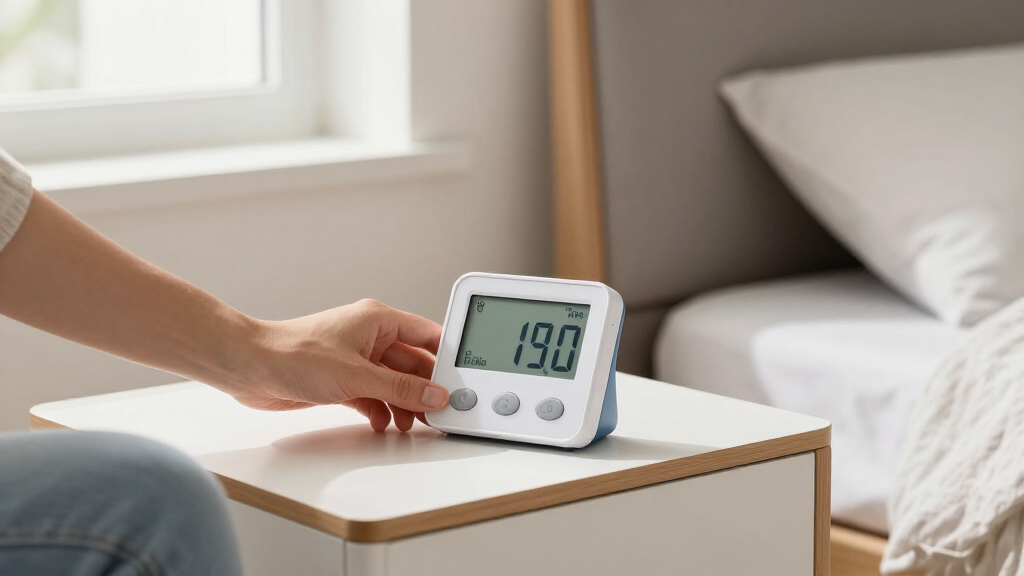
digital hygrometer for indoor humidity
As an affiliate, we earn on qualifying purchases.
As an affiliate, we earn on qualifying purchases.
How to measure and keep your bedroom within that perfect humidity zone
- Get a hygrometer—think of it as a thermometer for humidity. It’s a simple, affordable device that shows your room’s moisture levels. Regularly checking helps you understand how environmental changes affect your sleep.
- Set your target range to 40-60%. Check your hygrometer at different times of day, especially before sleep, to see patterns and adjust accordingly.
- Use a humidifier to add moisture if levels dip below 40%. Choose one with an automatic shutoff or humidity sensor to prevent over-humidifying, which could foster mold growth or dust mites.
- Use a dehumidifier if humidity exceeds 60%. It pulls excess moisture from the air, preventing mold and reducing dust mites that thrive in damp environments. This can significantly improve sleep for allergy sufferers.
- Adjust as needed. In winter, you might need a humidifier to combat dry air, but be cautious not to overdo it. In summer, a dehumidifier can keep the environment comfortable and prevent sleep-disrupting stickiness.
For example, a friend of mine kept waking up with a dry nose. A simple hygrometer revealed her room was at 30%. After adding a humidifier, her sleep improved almost overnight. This demonstrates how monitoring and adjusting humidity levels can have a profound impact on sleep quality and comfort.
As an affiliate, we earn on qualifying purchases.
Compare: How humidifiers and dehumidifiers stack up for sleep comfort
| Device Type | Purpose | Best For | Key Feature |
|---|---|---|---|
| Humidifier | Add moisture to dry air | Winter, dry climates, cold rooms | Automatic humidity control, quiet operation |
| Dehumidifier | Remove excess moisture | Humid summer months, damp basements | Continuous drainage options, smart sensors |
Choosing the right device depends on your climate and season. If your room feels dry in winter, a humidifier is your best bet because it restores moisture that can prevent dry skin and throat irritation. During summer or in humid environments, a dehumidifier helps prevent excessive moisture buildup, which can cause mold, dust mites, and discomfort—factors that can severely disrupt sleep. Considering seasonal changes and climate variations ensures your environment stays within the ideal humidity range, directly influencing sleep quality and health.
As an affiliate, we earn on qualifying purchases.
What happens if your humidity is too high or too low? Risks and signs to watch for
When humidity is too low (<40%), your body’s mucous membranes dry out, leading to cracked lips, dry skin, frequent colds, and nosebleeds. These symptoms aren't just uncomfortable—they signal that your respiratory defenses are compromised, increasing vulnerability to infections. Sleep can become restless due to throat irritation and nasal congestion, reducing overall restfulness. On the other hand, excessive humidity (>60%) creates an environment where mold, dust mites, and bacteria flourish. Mold spores can cause allergic reactions and respiratory issues, while dust mites thrive in damp conditions, aggravating asthma and allergy symptoms. This can lead to persistent congestion, coughing, and difficulty breathing during sleep. Recognizing these signs—such as a stuffy nose, skin tightness, or visible mold—helps you take corrective action. Regularly monitoring with a hygrometer allows you to prevent these risks altogether, maintaining a safe and comfortable sleep environment.
As an affiliate, we earn on qualifying purchases.
Simple tips to keep your sleep environment perfectly humid
- Use a hygrometer to track humidity levels regularly, so you can respond proactively to changes.
- Keep windows open during the day to exchange moist air, especially in summer, which naturally helps regulate indoor humidity.
- Place bowls of water near heaters or radiators in winter to add moisture naturally, helping prevent dry air that can irritate respiratory passages.
- Set your humidifier to maintain 40-60%, and check it weekly to avoid over-humidification that could promote mold or dust mite growth.
- Use exhaust fans or dehumidifiers in damp areas like bathrooms or basements to prevent excess moisture buildup that can disrupt sleep and promote mold.
Imagine waking up refreshed because you took control of your room’s moisture. A simple bowl of water on a radiator can boost humidity during dry winter months, and ensuring proper ventilation in damp areas prevents excess moisture—both small steps that make a big difference in sleep comfort and health.
Frequently Asked Questions
What is the ideal humidity level for sleeping comfortably?
The best range for sleep comfort is between 40% and 60%. Staying within this window helps keep your skin, nasal passages, and respiratory system happy while preventing mold and dust mites.
How can I measure and control humidity in my bedroom?
Use a hygrometer to check moisture levels. If it’s too dry, add a humidifier; if it’s too humid, use a dehumidifier. Regular monitoring helps you keep the environment just right for sleep.
Can high humidity make me sleep worse?
Yes. Excess humidity can cause a sticky, uncomfortable feeling, promote mold growth, and worsen allergies or asthma—all of which disturb restful sleep.
Are there natural ways to regulate humidity without devices?
Yes. Simple methods include opening windows to exchange air, placing bowls of water near heat sources, and ensuring good ventilation. These natural tweaks can help maintain comfort without gadgets.
How do seasonal changes affect indoor humidity and sleep?
In winter, indoor air tends to dry out, requiring humidifiers to keep moisture levels healthy. In summer, high outdoor humidity may necessitate dehumidifiers to prevent a muggy, restless environment.
Conclusion
Think of your bedroom’s humidity as the secret ingredient for peaceful sleep. Keep it within that sweet spot—neither desert dry nor swampy—and your body will thank you. A little awareness and simple tools can turn your sleep space into a true haven.
Next time you settle in, ask yourself: is the air around me helping or hindering my rest? Your best sleep might just depend on a few percentage points of moisture.
Fall Picks
fall essentials
As an affiliate, we earn on qualifying purchases.