
TL;DR

Get wellness gear delivered free — and shop member deals
- Fast, free delivery on millions of items
- Access to Prime Big Deal Days deals on October 6–7
- Prime Video, Amazon Music and more included
Blackout fabric alone can’t block all light—hardware does the heavy lifting. Wraparound rods, ceiling tracks, and side channels eliminate gaps at the sides, top, and center, creating a truly dark space for better sleep. Choosing the right hardware makes all the difference.
Ever wondered why your blackout curtains still let in that annoying sliver of light? The truth is, fabric alone isn’t enough. The hardware holding your curtains in place plays a pivotal role in sealing out every stray beam. Whether you’re trying to block streetlights, morning sun, or urban glow, understanding the right hardware setup makes all the difference.
In this guide, you’ll learn how specific hardware choices—like wraparound rods, ceiling-mounted tracks, and side channels—can turn mere blackout fabric into a true blackout experience. Practical tips, real-world examples, and clear comparisons will help you design your perfect sleep environment.
Hardware choices—wraparound rods, ceiling tracks, side channels—are what truly block out all light.
Mount hardware high and wide to minimize gaps at the sides and top.
Use dense, multi-pass blackout fabrics combined with hardware for near-total darkness.
Renter-friendly solutions like tension rods and adhesive side channels can be highly effective.
Motorized and smart tracks add convenience and consistency, especially for complex or hard-to-reach windows.
Curtain Rods & Wraparound Tracks for Total Darkness
Blackout fabric alone can’t block all light — the hardware does the heavy lifting. Even 100% blackout curtains leak around the top, sides, and center of a standard rod. Wraparound rods, ceiling tracks, and side channels seal those gaps and turn dense fabric into a true blackout experience.
Why Fabric Isn’t Enough: The Four Light-Gap Zones
Sealing a window with dense fabric alone is like fixing a leak with tape — without sealing the edges, light finds a way in. Research shows tiny gaps, not fabric density, cause most light leaks. Each zone has a dedicated hardware fix.
The Header Arc
A rod mounted below the frame leaves a 2–5 cm strip where dawn light arcs over the curtain top and floods the ceiling.
The Edge Slivers
Straight rods hold fabric 5–10 cm off the wall, so streetlamps and morning sun slip around both curtain edges.
The Meeting Slit
Two panels that merely touch never seal. The vertical slit where they meet leaks a blade of light straight onto the bed.
The Under-Sweep
The least critical zone — light bounces up under hems that end above the sill or hover over the floor.
Five Systems, Ranked by What They Seal
From a weekend DIY swap to hotel-grade recessed tracks — match the hardware to the gaps you actually have. Side channels are what commercial installations (hotels, labs, home theaters) use to reach near-100% darkness.
| Hardware System | Zones Sealed | Leak Reduction | Renter-Friendly | Install Effort | Best For |
|---|---|---|---|---|---|
| Wraparound RodFrench Return · 90° curve | Sides Curtain edge sits flush to the wall — no finial, no side gap. | ~ 70%+ sides Top & center still open. | ✓ Tension versionsNo-drill options exist. | Low Swaps onto existing brackets. | Bedrooms, streetlight leaks, first upgrade |
| Ceiling-Mounted TrackFlush to ceiling | Top Removes the header arc entirely. | ~ High at top Pair with returns for sides. | ✗ Requires drillingInto ceiling or soffit. | Medium DIY kits widely available. | Dawn light, floor-to-ceiling drapery look |
| Recessed TrackSet into ceiling channel | Top — seamless Curtain hangs from a hidden slot. | ✓ Near-total at top The hotel / home-theater standard. | ✗ Construction workBest during renovation. | High Pro install; DIY kits emerging. | Home theaters, new builds, luxury look |
| Side U-ChannelsAluminum / PVC wall tracks | Sides — full height Curtain edges run inside the channel. | ✓ ~100% at sides Commercial blackout grade. | ~ Adhesive versionsNo-drill strips for renters. | Medium Measure precisely; mount plumb. | Shift workers, nurseries, light-sensitive sleepers |
| Traverse Overlap SystemCrossing master carriers | Center Panels cross 7–10 cm — no meeting slit. | ~ High at center Combine with other fixes. | ~ Depends on mountCordless wand versions comply with 2024 US rules. | Medium Motorized options add consistency. | Wide windows, smart-home setups |
Fabric Tiers & the Renter Spectrum
Terminology matters: “room darkening” ≠ “blackout.” Coatings decide how much light fabric stops; geometry decides how much gets around it. Darker colors absorb more of what remains.
Mounting for Maximum Darkness: High, Wide, Sealed
The magic is in the details. The goal is to create a seal, not just hang fabric — five steps from bare window to cave.
Measure High & Wide
Mount 10 cm+ above the frame and extend 15–30 cm past each side so panels stack clear of the glass.
Pick Sealing Hardware
Wraparound rod for sides, ceiling or recessed track for the top — match the fix to your worst gap.
Seal the Sides
Add U-channels, return curves, or magnetic / Velcro strips so fabric edges meet the wall full-height.
Close the Center
Use overlap arms or cross panels 7–10 cm so a shifted panel never opens a slit.
Drop to the Floor
Panels should kiss the floor or puddle slightly — no light sweeping in underneath.
Bonus returns beyond darkness: the same sealed envelope delivers thermal insulation (reduced heat gain/loss), noise dampening, and UV protection for floors and furniture — one hardware upgrade, four payoffs.
From Light Pollution to Deep Sleep
Ambient Light
Streetlights, sunrise, urban glow hitting the window.
Four Gap Zones
Top arc, side slivers, center slit, bottom sweep.
Sealing Hardware
Wraparound rods, ceiling tracks, side channels, overlaps.
Total Darkness
A cave-like room at any hour — day sleep included.
Restorative Sleep
Melatonin-friendly, circadian-aligned rest.
Why Fabric Isn’t Enough for True Darkness
Blackout fabric can block up to 99% of light, but it never delivers 100% darkness on its own. Gaps at the edges, the top, and where panels meet allow light to sneak in. For example, a standard rod mounted below the window frame leaves a 2-5 cm gap that leaks light, especially around sunrise.
Research shows that these tiny gaps—at the sides, top, and middle—are responsible for most light leaks, no matter how dense the fabric. Think of it like trying to seal a leak with tape—without sealing the edges, the light finds a way in.
The key is hardware that hugs the window frame tightly, closing off all those gaps. That’s where wraparound rods, ceiling tracks, and side channels come into play.
Understanding why these gaps matter helps you appreciate the importance of hardware. Even a small gap can let in enough light to disturb your sleep, especially during early mornings or in urban environments with ambient city glow. Choosing hardware that minimizes or eliminates these gaps can make the difference between a dim room and complete darkness, which is critical for deep, restorative sleep.
As an affiliate, we earn on qualifying purchases.
How Wraparound (French Return) Rods Seal the Edges
Wraparound rods — also called French return rods — curve back 90° to the wall, so the curtain edge sits flush against the wall, eliminating side gaps. Imagine a curtain rod that curves inward at the ends, hugging the wall tightly. This geometry prevents light from slipping past the fabric edges.
For instance, many Amazon and home improvement stores offer wraparound blackout rods that curve at the ends, effectively sealing the sides. This simple change can cut side light leaks by over 70%. If you’ve ever had a bright streetlamp peek around your curtains, a wraparound rod might fix that.
Pro tip: check the length of the return curve—longer curves give a more snug fit, especially in wider windows.
Why does this matter? Because even small side leaks can significantly reduce sleep quality. Wraparound rods actively reduce these leaks, but they also require careful measurement and sometimes custom sizing. The tradeoff is a slightly more complex installation process, but the payoff is a much darker room, especially at the sides, which is essential for light-sensitive sleepers or shift workers.
ceiling mounted blackout track system
As an affiliate, we earn on qualifying purchases.
As an affiliate, we earn on qualifying purchases.
Ceiling-Mounted and Recessed Tracks: Total Top Seals
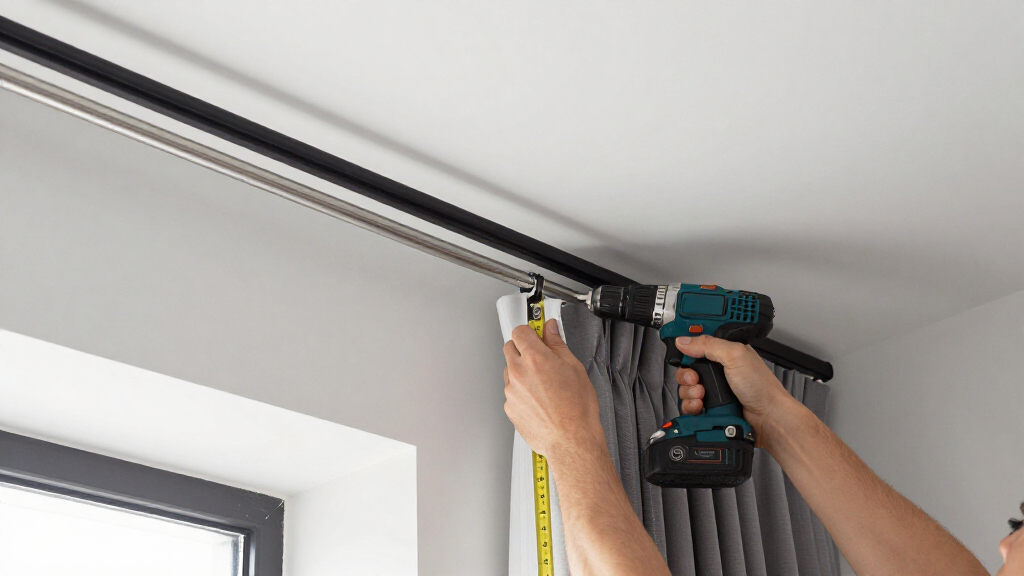
Ceiling-mounted tracks attach flush with the ceiling, removing the top gap that allows light to arc over the curtain top. Recessed tracks, set into a ceiling channel, create a seamless barrier—like a secret tunnel for your blackout panels.
Imagine a hotel room with perfect blackout shades. That’s often achieved with recessed tracks hidden in the ceiling, so the curtain hangs directly against the wall or inside the track. This setup completely blocks the light’s arc and makes your room feel like a cave.
Why does this matter? Because even a small gap at the top can let in a significant amount of light, especially during dawn or in well-lit urban areas. Installing a ceiling or recessed track minimizes or eliminates this gap, ensuring that the entire top edge of the curtain is sealed. This is particularly important if you are sensitive to light or require total darkness for medical reasons.
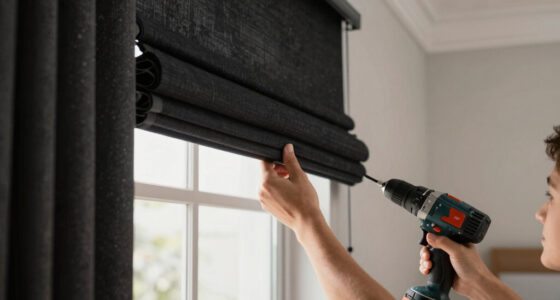
For DIYers, installing a ceiling track might seem daunting, but many kits now come with easy-install options. The tradeoff is a more professional look and a drastically improved blackout performance, especially at the top, which is often overlooked but crucial for complete darkness.
As an affiliate, we earn on qualifying purchases.
Side Channels and Overlap Systems: Seal the Middle and Sides
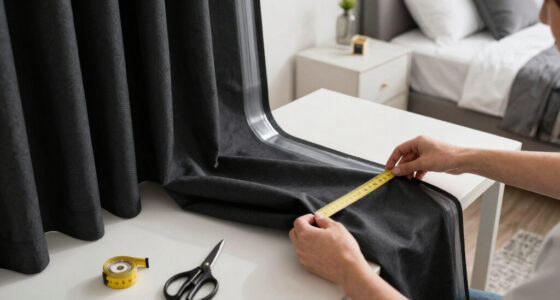
Side channels—U-shaped aluminum or PVC tracks—mount directly on the wall, inside which curtain edges slide. They’re standard in hotels and studios for near-total blackout. Overlap systems on traverse tracks have panels crossing each other by 7–10 cm, sealing the center gap.
Picture a hotel blackout window with curtains tucked inside sleek side channels—no light sneaks past. For home use, magnetic or Velcro strips can also help seal gaps at the edges, especially if you rent or can’t drill into walls.
Why does this matter? Because even tiny gaps at the sides or center can let in enough light to disturb your sleep. Side channels create a tight seal around the curtain edges, preventing light from leaking through. Overlap systems add an extra layer of security by overlapping panels, which ensures that even if one panel shifts slightly, the next covers the gap.
This is especially useful in situations where you cannot modify the wall or want a flexible, renter-friendly solution. The tradeoff involves a slightly more complicated installation process and potential cost, but the benefit is a room that remains dark regardless of external lighting or minor curtain movement.
As an affiliate, we earn on qualifying purchases.
Mounting Tips for Maximum Darkness
The magic is in the details. Mount your hardware as close to the ceiling as possible, extending 15–30 cm (6–12 inches) beyond each side of the window frame. This setup minimizes gaps on the sides.
For example, in a bedroom with a large window, mounting a track or rod 10 cm above the frame and 15 cm wider on each side means the curtain can fully cover the window and block light from the sides.
Let your curtains kiss the floor or puddle slightly—this prevents light from slipping underneath at the bottom. Remember: the goal is to create a seal, not just hang fabric.
Additionally, consider using overlapping panels or adding magnetic seals at the edges to further block any light that might seep through gaps. These small adjustments can make a significant difference in achieving complete darkness, especially in rooms with large or irregular windows.
Choosing the Right Fabric and Coatings
Not all blackout fabrics are created equal. 3-pass acrylic foam coatings block nearly 100% of light, but triple-weave polyester fabrics—without coatings—block about 85–95%. The choice depends on your needs and comfort preferences.
For example, a nursery might benefit from a dense 3-pass coating, while a bedroom with a softer, more breathable fabric might opt for triple-weave polyester. Remember, fabric color also matters: darker shades absorb more light.
Why does this matter? Because the fabric’s quality and coating type influence how much light is initially blocked and how well it seals against gaps. Higher-quality, multi-pass coated fabrics reduce the reliance on hardware alone, but combining them with hardware sealing techniques yields the best results. The tradeoff is cost—more effective fabrics tend to be pricier—but the benefit is a darker, more restful sleep environment.
Practical Tips for Renter-Friendly Blackout Solutions
Renters often can’t drill or make permanent modifications. Luckily, there are hardware options—like tension rods, adhesive side channels, magnetic strips, and tension track systems—that work without damage.
Imagine a tension wraparound rod that curves around your window frame, held in place by pressure. Or magnetic strips that seal the edges of your curtains against the wall. These solutions can block out nearly all light without leaving holes or marks.
Why does this matter? Because effective blackout doesn’t require permanent fixtures. Using tension rods, adhesive-backed side channels, or magnetic seals allows you to achieve a high level of darkness while preserving your deposit and avoiding damage, making them ideal for renters or temporary setups. The tradeoff is that some of these solutions might be less stable or precise than permanent hardware, but with proper installation, they can still provide excellent blackout performance.
Smart and Motorized Tracks: Are They Worth It?
Motorized and smart tracks are increasingly affordable and easy to install. Battery-powered models start around $150, with wired options costing more but offering seamless operation. They can be scheduled to open or close automatically, supporting sleep routines.
Imagine waking up as your blackout curtains gently close at sunset or opening at sunrise—no manual effort needed. These systems often support smart home standards like Matter or Thread, integrating with your existing devices.
Why consider this? Because automation provides consistent blackout performance and convenience, especially for those with irregular schedules or mobility challenges. While the initial investment may be higher, the long-term benefits include improved sleep quality and a more modern, integrated home environment. The tradeoff involves cost and potential complexity in setup, but for many, the ease of use and reliability justify the expense.
Handling Special Windows and Unique Spaces
Bay windows, corner windows, and irregular shapes require customized solutions. Curved or corner tracks, made to measure, fit these spaces perfectly—eliminating gaps that standard hardware can’t seal.
For example, a homeowner with a bay window installed a custom bent track that follows the window’s contours, sealing every angle. This setup creates a uniform, dark interior, perfect for a home theater or a deep sleep environment.
Why does this matter? Because standard hardware often leaves gaps in complex window shapes, compromising blackout effectiveness. Custom solutions ensure a seamless seal, which is crucial for rooms that require complete darkness. The tradeoff is higher cost and longer installation time, but the result is a perfectly dark space that standard hardware cannot achieve, greatly enhancing sleep quality or media viewing experiences.
Frequently Asked Questions
Do blackout curtains really block 100% of light?
Fabric can block nearly all light, but gaps at the edges or top usually let in stray beams. Hardware solutions like wraparound rods and recessed tracks seal these gaps, making total darkness achievable.
What’s the difference between a wraparound rod and a regular rod?
A wraparound rod curves back to the wall, sealing the sides and preventing light leaks. Regular rods sit straight, leaving gaps that allow light to escape at the edges.
Which is better for blackout—ceiling tracks or rods?
Ceiling-mounted or recessed tracks provide a tighter seal at the top, eliminating the light arc. They often outperform standard rods, especially when combined with side channels.
How can I block light that leaks over the top of my curtains?
Install ceiling-mounted or recessed tracks. Adding a pelmet or valance can also block top light, but tracks offer a cleaner, more effective seal.
Are motorized tracks worth the investment?
They add convenience and consistency, especially for irregular windows or hard-to-reach spots. While pricier upfront, they support sleep routines and modern smart home integration.
Conclusion
Remember: fabric alone never delivers total darkness. Your hardware choices—like wraparound rods, ceiling tracks, and side channels—are what make your room truly blacked out. Investing in the right setup transforms your sleep space into a dark, peaceful haven.
Next time you hang curtains, think beyond the fabric. Focus on sealing every gap—your sleep depends on it.
Fall Picks
fall essentials
As an affiliate, we earn on qualifying purchases.