
TL;DR

Get wellness gear delivered free — and shop member deals
- Fast, free delivery on millions of items
- Access to Prime Big Deal Days deals on October 6–7
- Prime Video, Amazon Music and more included
You don’t need to spend a fortune to quiet a noisy bedroom. Sealing gaps, adding soft furnishings, and DIY solutions can make a noticeable difference in reducing external and internal noise. Strategic choices matter more than costly materials.
Sealing gaps around doors and windows dramatically cuts noise leaks, often by over 50%.
Heavy, dense materials like thick blankets or mass-loaded vinyl are surprisingly effective for blocking sound on a budget.
Soft furnishings such as rugs, curtains, and fabric wall hangings absorb echoes and internal noise, making your room feel quieter.
Targeted solutions—like sealing gaps and adding soft materials—offer more real noise reduction than expensive, full-room soundproofing.
Creative DIY tricks, like hanging quilts or using indoor plants, can boost noise reduction without breaking the bank.
What’s the Difference? Soundproofing vs. Sound Absorption—Why It Matters
Soundproofing aims to create a barrier that prevents noise from entering or leaving a space, often requiring specialized, heavy materials and construction. In contrast, sound absorption focuses on reducing echoes and internal reverberations, making the room feel quieter and less ‘echoey.’ For a budget-conscious bedroom, understanding this distinction helps you prioritize effective, affordable solutions. While true soundproofing can be complex and costly—like installing mass-loaded vinyl or adding drywall with damping layers—sound absorption through soft furnishings is more accessible. Recognizing that most budget solutions enhance internal sound quality rather than completely block external noise guides your choices, ensuring your efforts are both practical and effective.
As an affiliate, we earn on qualifying purchases.
Identify Your Noise Sources—Target the Biggest Leaks First
Understanding where the noise comes from is crucial because different sources require different strategies. External noise from traffic or neighbors might be mitigated best by sealing windows and adding thick curtains, which act as buffers. Internal sounds like footsteps, TV, or appliances are often transmitted through shared walls, floors, or gaps around doors. By pinpointing these sources, you can allocate your limited resources more effectively. For instance, sealing gaps around a door facing a noisy street can drastically reduce the amount of external sound entering—sometimes by half or more—making your sleep environment significantly calmer. This targeted approach allows you to focus on the most impactful fixes first, maximizing your budget’s effectiveness.
heavy acoustic blankets for bedroom
As an affiliate, we earn on qualifying purchases.
As an affiliate, we earn on qualifying purchases.
Simple, Cheap Ways to Block Noise—Start Here
| Solution | How It Works | Cost |
|---|---|---|
| Sealing gaps | Blocks sound leaks around doors and windows by preventing air and sound from passing through small openings, which are often the primary escape routes for noise. This simple step enhances the room’s overall sound insulation and can dramatically reduce external noise infiltration, especially when gaps are large or numerous. | Low (weatherstripping, draft stoppers) |
| Heavy curtains & blankets | Absorbs sound waves, muffling outside noise and reducing echoes inside the room. Thick, densely woven fabrics are particularly effective because they add mass and dampen sound transmission. | Low to moderate |
| Rugs & soft furniture | Reduces internal echo and absorbs internal sounds, making the room feel quieter and less ‘live.’ This is especially useful if walls are hard and reflective. | Low |
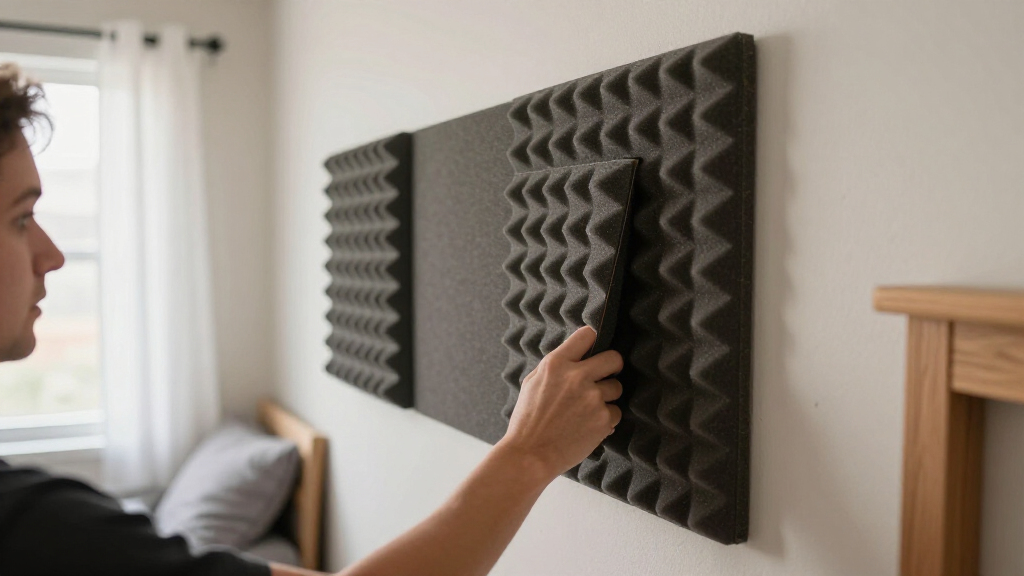
| DIY panels | Creates a barrier that dampens sound by adding mass and surface area where sound waves can be absorbed or reflected away from the room. | Moderate (materials) |
These options are effective because they target common weak points and internal reflections that amplify noise. For example, sealing gaps around your window can reduce external noise by up to 20%, and layering a quilt over the window or wall can significantly dampen sound waves. While they may not eliminate all noise, these tweaks can make your space noticeably calmer and more restful, especially when combined.
As an affiliate, we earn on qualifying purchases.
DIY Soundproofing Materials That Actually Help
Heavier, dense materials work best because they add mass that resists sound transmission. Think of a sandbag wall — thick blankets, moving pads, or mass-loaded vinyl (MLV) sheets. MLV is surprisingly affordable when bought in small quantities and can be layered or hung behind furniture or on walls. The key is that these materials absorb or block sound waves more effectively than lightweight, porous foams which often reflect sound rather than dampen it. For example, a 2-foot by 4-foot piece of MLV can significantly reduce noise if placed behind your bed or on shared walls. Thick curtains, layered bedding, and even hanging quilts can also absorb internal echoes, making your room more serene and sleep-friendly. The tradeoff is that heavier materials can be cumbersome to install and may require some effort, but the result is a more effective barrier against noise.
sound absorbing curtains for bedroom
As an affiliate, we earn on qualifying purchases.
As an affiliate, we earn on qualifying purchases.
Seal the Gaps—Your Best Budget Move for Instant Noise Reduction
Gaps around doors and windows are the most common and easily fixable sources of noise leaks. Applying weatherstripping or draft stoppers can block up to 50% of external noise, especially if the gaps are large or poorly sealed. For windows, thick curtains or DIY window plugs made from foam or blankets can provide an additional barrier. Sealing these leaks not only reduces noise but also improves energy efficiency, which is a beneficial side effect. Imagine sealing the door to a busy street—doing so can prevent most of the sound from sneaking in, making your bedroom significantly quieter. This simple, quick fix offers immediate results and is often the most cost-effective way to improve your sleep environment without major renovations.
Furnishings That Absorb and Muffle Sound—Make Your Room Quieter Naturally
Adding soft furnishings like plush rugs, fabric-covered headboards, and wall hangings can soak up echoes inside the room. These materials increase internal sound absorption, reducing the reverberation that makes noises seem louder. Bookshelves filled with books act as sound barriers, especially if placed against shared walls, because they add mass and disrupt sound waves. The key is layering different textures and materials, which collectively dampen internal echoes and make the room feel calmer. When your room is filled with thick textiles, sounds bounce less and your voice echoes less, creating a more peaceful environment conducive to sleep. The tradeoff is that overdoing it might make the room feel cluttered, so balance is important.
Creative DIY Tricks for Extra Peace & Quiet
Hanging heavy quilts or moving blankets on walls can significantly reduce internal echo and dampen external noise, especially when placed strategically. Egg cartons are a common DIY solution, but they are less effective than purpose-built acoustic panels; however, they can still help reduce echo in a pinch. Indoor plants, particularly large leafy ones like pothos or peace lilies, also absorb sound and add a calming aesthetic. Combining these methods—such as draping a thick quilt over a wall or door and adding lush greenery—can create a more tranquil environment. These tricks are inexpensive, easy to implement, and can be tailored to your space, making them excellent options for those on a budget seeking noticeable improvements.
What’s New? Trends Making Budget Soundproofing Easier
Eco-friendly acoustic panels made from recycled materials are now more affordable and easier to install than ever before. Online tutorials and DIY kits have democratized soundproofing, allowing anyone to craft effective barriers without specialized skills. More people are turning to layered curtains, DIY panels, and innovative materials like cork or recycled textiles to achieve noticeable noise reduction on a budget. These trends not only make soundproofing more accessible but also promote sustainable choices. Imagine transforming your room into a calm oasis with a few strategic, eco-friendly tweaks—these options are increasingly practical and appealing for budget-conscious homeowners.
Frequently Asked Questions
What’s the cheapest way to soundproof a bedroom?
Sealing gaps around windows and doors with weatherstripping or draft stoppers is the most affordable, effective first step. Adding heavy curtains and rugs also makes a noticeable difference at low cost.
Do DIY soundproofing solutions really work?
Yes, especially for reducing echo and muffling external noise. Materials like heavy blankets, DIY panels, and sealing gaps can lower noise levels significantly, though they won’t achieve complete soundproofing.
Can I block noise without replacing windows or doors?
Absolutely. Using thick curtains, sealing gaps, and adding soft furnishings can cut noise transmission by up to 50%. These are quick, inexpensive fixes that improve your sleep environment.
How much noise reduction can I expect with budget solutions?
Most budget strategies can reduce external noise by 20-50%, depending on the source and room setup. Layering multiple methods amplifies the effect.
Are indoor plants effective for soundproofing?
Large, leafy plants absorb some sound and help dampen echoes inside the room. While they won’t block loud external noise, they’re a beautiful, natural addition to a calmer space.
Conclusion
You don’t need to spend a fortune to quiet your space. Simple, strategic tweaks—like sealing gaps, adding soft layers, and using DIY solutions—can turn your noisy bedroom into a peaceful sanctuary. Focus on what leaks sound in and out, then layer your room with dense, soft materials. Quietness is within reach — you just have to know where to start.Fall Picks
fall essentials
As an affiliate, we earn on qualifying purchases.