

TL;DR
Open a free Amazon Business account
Business pricing, bulk buying and tax-exempt orders.
Create a free accountAs an affiliate, we earn on qualifying purchases.
Jet lag usually lasts around one day per time zone crossed, but factors like travel direction and habits influence recovery time. Strategies like light exposure and sleep planning can help you adjust more quickly.
Ever wondered why a trip from New York to London leaves you groggy for days? Or why flying west feels a bit easier? Jet lag is your body’s way of fighting against rapid time shifts. It’s a temporary mismatch between your internal clock and the new local time, and understanding how long it lasts can help you plan better.
In this guide, you’ll learn why jet lag depends on how many time zones you cross, how to speed up your adjustment, and what recent science says about easing the process. Whether you’re a frequent flyer or planning your dream vacation, knowing what to expect makes the journey smoother.
Expect about one day of jet lag for each time zone crossed, but individual factors matter.
Travel eastward generally causes more severe jet lag because it shortens your day, making adaptation harder.
Pre-trip adjustments, light therapy, and melatonin can accelerate your recovery.
Hydrate well, stay active, and avoid caffeine or alcohol to help your body adapt faster.
Planning your sleep and light exposure in advance makes a noticeable difference.
How Long Does Jet Lag Last?
Expect roughly one day of adjustment for every time zone crossed. Direction, light exposure, sleep habits, age and individual biology can make recovery faster—or stretch it out.
Average adjustment per time zone
Possible adjustment per zone
Typical adjustment per zone
Local time and circadian rhythm disagree
Zones crossed set the baseline
Jet lag is a temporary mismatch between your internal circadian clock and the destination’s schedule. The farther and faster you travel, the more biological time your body has to rebuild.
Example: crossing five time zones suggests about five adjustment days. Symptoms may include daytime fatigue, poor sleep, reduced focus, digestive changes and low mood.
More zones, more reset time
Illustrative estimates based on the one-day-per-zone rule. Direction, chronotype, health and sleep quality can shift the result.
East usually hits harder than west
Your body generally finds it easier to delay sleep than to advance it. Westward travel lengthens the day; eastward travel asks your circadian clock to move earlier.
Shorter day, harder advance
You must fall asleep and wake earlier than your body expects. This phase advance often produces stronger symptoms and a longer recovery.
Up to 1–1.5 days per zoneLonger day, easier delay
You stay awake later and shift sleep backward. That delay is often closer to the body’s natural tendency and can feel less disruptive.
About 0.5–1 day per zoneFive levers that help you adjust
No single tactic erases jet lag, but a coordinated plan can reduce its severity. Light and sleep timing are the strongest signals; daily habits support the reset.
Time bright light strategically
After eastward travel, morning light often helps move the clock earlier. After westward travel, later-day light can support a delayed schedule.
Shift before departure
Move bedtime and waking time gradually for several days—earlier for eastward travel and later for westward travel.
Drink water consistently
Hydration will not reset your clock, but it can reduce travel fatigue and support mood, alertness and physical comfort.
Use timing, not guesswork
Correctly timed melatonin may support sleep and circadian adjustment. Poor timing can work against the intended shift.
Limit caffeine and alcohol
Caffeine can delay sleep, while alcohol fragments it. Avoid both near the sleep period you are trying to establish.
Stay gently active
Walking, stretching and daytime activity reinforce alertness, reduce stiffness and make it easier to follow local time.
| Factor | Eastward travel | Westward travel |
|---|---|---|
| Severity | ✗Often more intense | ✓Often less severe |
| Clock shift | Advance to an earlier schedule | Delay to a later schedule |
| Useful light | ✓Usually morning light | ✓Usually later-day light |
| Pre-trip sleep | Move bedtime earlier | Move bedtime later |
| Adjustment | ~Up to 1–1.5 days per zone | ✓About 0.5–1 day per zone |
A practical reset sequence
Start before takeoff, then use destination time as your anchor. Consistency matters more than chasing a perfect schedule.
Count zones and direction
Estimate recovery time and protect the first days after arrival.
Shift sleep gradually
Move bedtime by about an hour when your schedule permits.
Plan light and darkness
Seek light for wakefulness and reduce it before target sleep.
Hydrate and move
Follow local meals, stay active and keep naps brief.
Repeat local timing
Keep wake, light, meals and sleep consistent each day.
From rapid travel to feeling human again
Plan one recovery day per zone.
Then adjust that estimate for direction and personal experience: allow extra time when traveling east, use light deliberately, protect sleep, hydrate and keep your destination schedule consistent.
How Many Days Will Jet Lag Stick Around? It’s About One Day per Time Zone
The simple rule: you’ll generally need about one day to adjust for each time zone crossed. For example, crossing 5 zones might mean 5 days of feeling out of sync. But it’s not exact—your body might adapt faster or slower depending on several factors.
Imagine a business traveler flying from Los Angeles to Tokyo. Crossing 16 time zones, they might feel jet lagged for about 10 to 16 days. But with good strategies, they could cut that time down.
This rule of thumb comes from decades of research, including recent studies supporting the idea that your internal clock takes roughly a day to reset per zone crossed.

Calming Gummies for Travel | Jet Lag Relief & Remedy Gummies | Airplane Travel Essentials | Long Flight Must Haves | GABA, L-Theanine, Ashwagandha, Lemon Balm & Magnesium | Sugar Free, 30 Count
- Supports Jet Lag Relief: Helps you adjust quickly to new time zones
- Contains 5 Natural Ingredients: Ashwagandha, GABA, L-Theanine, Magnesium, Lemon Balm
- Promotes Calm and Restful Sleep: Supports relaxation during travel
As an affiliate, we earn on qualifying purchases.
As an affiliate, we earn on qualifying purchases.
Travel Direction Matters: East vs. West—Which Hits Harder?
Traveling east shortens your day, making you feel sleep-deprived and disoriented longer. Think of it as trying to run against your internal clock. When you travel eastward, your body must advance its circadian rhythm, which is often more challenging because our biological clocks are naturally more flexible in delaying than advancing. This means that adjusting to an earlier schedule requires your internal clock to speed up, a process that is biologically less efficient and therefore takes longer.
Traveling west, however, extends your day, and most people find it easier because delaying your internal clock is more natural for your circadian rhythm. This difference in ease impacts how quickly you recover; eastward trips often result in more intense jet lag and longer adjustment periods because your body resists the phase advance needed.
Understanding this tradeoff helps travelers plan better. For example, if possible, choosing westward flights or preparing for longer adjustment times after eastward trips can reduce fatigue and improve overall well-being.
As an affiliate, we earn on qualifying purchases.
Quick Fixes: How to Recover Faster From Jet Lag
If you want to cut down on jet lag, these strategies can help you start feeling better faster:
- Expose yourself to natural light—especially in the morning when traveling east or in the afternoon when going west.
- Adjust your sleep schedule a few days before departure, shifting bedtimes gradually. This pre-travel adjustment helps your internal clock anticipate the new schedule, reducing the shock of sudden change.
- Stay hydrated—water helps your body adapt and reduces fatigue. Proper hydration can also improve your mood and cognitive function during travel and recovery.
- Consider melatonin supplements—taken at the right time, they can signal your body to sleep or wake. However, timing is crucial; misusing melatonin can disrupt your circadian rhythm further.
- Limit caffeine and alcohol—these can disturb your sleep cycles and slow your adjustment. Caffeine might temporarily mask fatigue but can interfere with restful sleep, while alcohol can fragment your sleep and delay recovery.
For example, a traveler heading east from Europe to Asia might start shifting their bedtime by an hour or two each night before departure, and seek morning sunlight upon arrival to reset their clock faster. Combining these approaches with patience and consistency helps your internal clock align more quickly with local time.
These steps aren’t magic, but they make a tangible difference in how quickly you feel human again, especially if you combine them with strategic planning.
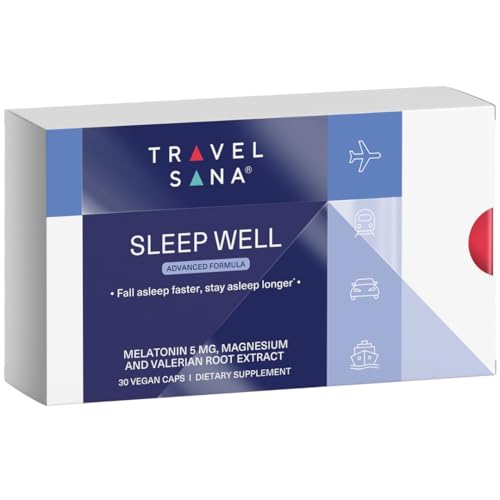
TRAVELSANA Sleep Aid & Jet Lag Support for Travel | Valerian Root Extract, Melatonin 5 mg & Magnesium | Natural Sleep Supplement for Adults | Travel Essentials | Sleep Well | 30 Vegan Caps
- Supports natural sleep: Melatonin, Valerian, Magnesium blend
- Helps with jet lag: Supports sleep cycle during travel
- Travel-friendly design: Lightweight, water-resistant capsules
As an affiliate, we earn on qualifying purchases.
As an affiliate, we earn on qualifying purchases.
What Science Says About Light and Melatonin for Faster Adjustment
Recent research highlights two powerful tools: light therapy and melatonin. Light exposure at strategic times can speed up your internal clock’s realignment by signaling to your body when it should be awake or asleep. For example, bright light in the morning can help advance your circadian phase, making you feel sleepy earlier, which is helpful after eastward travel. Conversely, avoiding light when your body should sleep supports proper circadian alignment.
Melatonin, a hormone your body produces naturally, acts as a messenger that tells your brain it’s time to sleep. When taken at specific times—such as in the evening after eastward travel—it can help shift your internal clock forward or backward, depending on your needs. Proper timing is essential: too early or too late can disrupt your rhythm instead of helping it.
Studies show that travelers who use light therapy and melatonin properly often cut their jet lag recovery time by half, making this a valuable strategy. However, misuse or incorrect timing can worsen symptoms, emphasizing the importance of personalized planning, ideally with expert guidance or reputable apps that tailor light and supplement schedules to your itinerary.

WILDREEDS 500ml Soft Flask, TPU Collapsible Soft Water Bottle for Hydration Pack, Running Vest, Folding Water Bottle for Hiking Cycling Climbing-1Pcs, White
- Capacity: 500ml soft flask
- Material: Food-grade TPU, BPA free
- Temperature Range: 0-60°C
As an affiliate, we earn on qualifying purchases.
As an affiliate, we earn on qualifying purchases.
How to Plan Your Trip for Fewer Days of Jet Lag
Proper planning can make a big difference. Here’s a simple step-by-step:
- Check your flight’s direction. Eastward flights are tougher, so plan extra recovery time and consider pre-adjustments.
- Gradually shift your sleep schedule a few days before departure—by an hour or two each night. This helps align your internal clock with the destination, reducing the shock of sudden change.
- Sync your exposure to light with your new schedule—seek sunlight when you want to wake up and avoid it when it’s time to sleep. This helps reinforce your internal clock’s adjustment.
- Use sleep aids or supplements wisely, especially melatonin, at the right times. Proper timing enhances effectiveness and minimizes side effects.
- Stay active and hydrate during your trip to help your body adapt and reduce fatigue, which can otherwise prolong recovery.
For example, a traveler heading east to Asia might start sleeping an hour earlier each night five days before departure, then use a light box in the morning upon arrival to help their internal clock catch up. These steps, combined with patience, can significantly shorten the duration and severity of jet lag.
Following these tips won’t eliminate jet lag entirely but will make the transition smoother and faster, helping you enjoy your trip sooner.
Compare the Impact of Travel Direction and Strategies in a Nutshell
| Factor | Eastward Travel | Westward Travel |
|---|---|---|
| Jet lag severity | More intense, longer recovery | Less severe, quicker adjustment |
| Recommended strategies | Bright light in the morning, gradual sleep shifts | Evening light exposure, delayed sleep time |
| Typical adjustment time | Up to 1.5 days per zone | About 0.5 to 1 day per zone |
Frequently Asked Questions
How long does jet lag typically last after crossing multiple time zones?
Most travelers experience about one day of jet lag for each time zone crossed. So, crossing five zones might mean five days of feeling out of sync, but individual factors like age and travel direction can speed or slow this process.
Is it better to travel east or west to minimize jet lag?
Traveling west is usually easier because it extends your day, which your body handles better. Eastward trips tend to cause more jet lag because they shorten your day, forcing your internal clock to catch up faster.
What’s the best way to reduce jet lag quickly?
Expose yourself to natural light at the right times, gradually adjust your sleep schedule before traveling, stay hydrated, and consider melatonin supplements. These combined steps can help you recover more swiftly.
Can I completely avoid jet lag?
While strategies can reduce symptoms significantly, completely avoiding jet lag is tough after crossing many zones. Planning and light exposure are your best bets for minimizing its impact.
Does age influence how long jet lag lasts?
Yes, older travelers often experience longer or more intense jet lag symptoms due to changes in circadian rhythm flexibility. Younger individuals tend to adjust faster.
Conclusion
Understanding that jet lag takes roughly a day per time zone gives you a realistic expectation. But with a little planning—adjusting sleep, harnessing natural light, and possibly using supplements—you can ease the transition.
Next time you fly across multiple zones, think of your internal clock as a traveler, too. Give it time, but also give it some help, and you’ll be back in sync faster than you think.
Pool season Picks
robotic pool cleaners
As an affiliate, we earn on qualifying purchases.