TL;DR
Listen free for 30 days with Audible
Thousands of audiobooks and originals — cancel anytime.
Start your free trialAs an affiliate, we earn on qualifying purchases.
Adjusting the position, brightness, and timing of your wake-up light can prevent disturbing your partner. Using directional lights, sleep accessories, and smart features helps create a peaceful morning routine for both.
Waking up with a gentle glow sounds ideal, right? But if your partner sleeps nearby, that rising light can turn into a wake-up call for them too. You want the benefits of a sunrise alarm—more natural mornings and less grogginess—without the wake-up chaos.
In this guide, you’ll discover simple, practical ways to keep your wake-up light personal and peaceful. From placement tips to tech tricks, you’ll learn how to make mornings smoother for both of you—without sacrificing the cozy, waking glow you love.
Position your wake-up light to face away from your partner, aiming it at the ceiling or a wall.
Adjust the brightness and color to a soft, warm glow that mimics dawn without flooding the room.
Utilize smart features and accessories like sleep masks or vibrating alarms to personalize wake-ups.
Schedule your wake-up time to avoid overlap with your partner’s sleep cycle.
Choose models with directional lighting and adjustable settings for best results.
Keep the sunrise. Let your partner sleep.
A wake-up light can deliver a calmer, less groggy morning without illuminating the whole bedroom. The formula is simple: control the beam, soften the output, personalize the timing and add a quiet backup cue.
Position before you brighten.
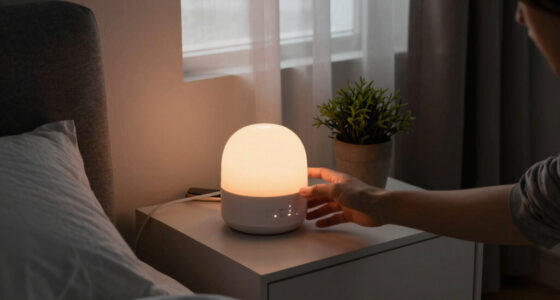
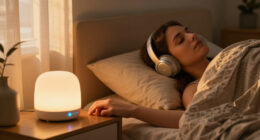
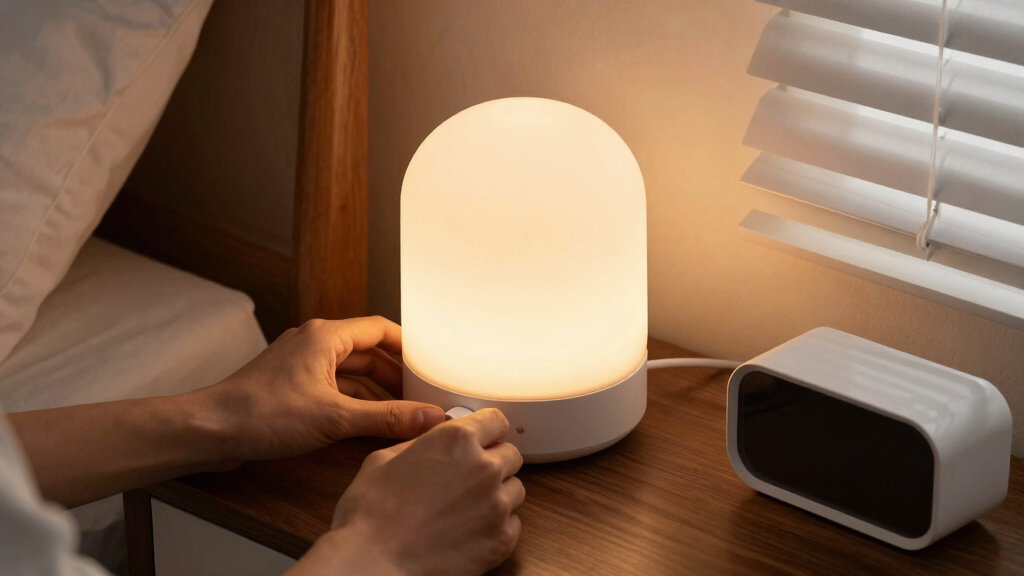
Placement determines who receives the strongest light. Keep the device close to your side, below your partner’s eye line, and angle it toward a wall or ceiling so the glow reaches you indirectly.
The low-spill bedside setup
Diffusion turns a direct beam into a softer pool of reflected light.
Face it away
Rotate the lamp so its brightest surface is not visible from your partner’s pillow.
Bounce the glow
Aim at a nearby wall or ceiling. Reflected light is gentler and has less concentrated spill.
Use an adjustable mount
A flexible stand or directional shade makes small, meaningful angle corrections easier.
Warm, dim and gradual wins.
Start near 20–30% of maximum brightness. Increase only until the light reliably wakes you, and favor amber or warm white over cooler, room-filling tones.
Brightness versus spill risk
A peaceful calibration recipe
Test around 20% brightness for several mornings.
A softer tone mimics dawn without feeling harsh.
Stop as soon as your wake-up becomes dependable.
Use dim and bright presets for different mornings.
Build a wake-up system for one.
Smart scheduling, physical light control and tactile alarms reduce the need for a bright or noisy room-wide signal.
App scheduling
Set a precise ramp, color and start time. Adaptive models can also respond to ambient light or sleep-stage data.
Mask + direction
Pair focused lighting with a comfortable sleep mask for your partner to block the small amount of residual glow.
Vibration cue
A wearable or under-pillow vibrating alarm can finish the wake-up without extra brightness or sound.
| Shared-bedroom need | Directional light | Adjustable brightness | Color control | Smart scheduling | Portable design |
|---|---|---|---|---|---|
| Preventing disturbance | ✓ | ✓ | ✓ | ✓ | ✓ |
| Small-room suitability | ✓ | ✓ | ~ | ✓ | ✓ |
| Minimal-spill focus | ✓ | ✓ | ✓ | ~ | ✓ |
| Works without an app | ✓ | ✓ | ✓ | ✗ | ✓ |
✓ Strong fit ~ Depends on model ✗ Not the primary strength
Minimize the overlap window.
Precise scheduling takes a little experimentation, but it protects both sleepers from an unnecessarily early or intense signal.
Observe
Note your partner’s usual sleep and wake pattern.
Choose
Select the shortest gentle ramp that wakes you reliably.
Schedule
Start the glow near your own optimal wake-up window.
Refine
Shift the start time or intensity after real-world testing.
A 15-minute ramp can provide a gentle cue without bathing the bedroom in light for an extended period. Sleep trackers may help identify a more natural wake window.
The peaceful-morning sequence.
Each adjustment supports the next: focused light permits lower brightness, lower brightness limits spill, and precise timing shortens the disturbance window.
Can your partner see the illuminated face of the device?
Is the light warmer and dimmer than the room’s main lighting?
Does the ramp begin only as early as necessary?
Would a tactile cue let you reduce brightness further?
Have both sleepers reviewed the setup after a few mornings?
Shared-bedroom FAQ.
The best setup combines adjustable hardware with a routine that reflects how each person actually sleeps.
How do I stop the light waking my partner?
Use a low, warm setting, face the lamp away from their pillow and bounce the glow off a wall or ceiling. Add a sleep mask if residual light remains.
Are some models better for shared rooms?
Yes. Prioritize directional output, fine brightness control, customizable color and separate smart schedules.
What if my partner is an especially light sleeper?
Shorten the light ramp and pair a very dim glow with a vibrating wearable or under-pillow alarm.
What are the quieter alternatives?
Vibrating alarms, gentle personal audio and sleep masks with integrated light therapy can provide more localized cues.
The bottom line
Keep the cue personal. A directional lamp at low warm brightness, activated on a carefully chosen schedule, preserves the benefits of a sunrise alarm while protecting your partner’s sleep.
How to Position Your Wake-Up Light So It Won’t Wake Your Partner
The key to avoiding disturbance is where and how you place your wake-up light. Proper positioning isn’t just about visibility; it’s about controlling the light’s direction and intensity to prevent unintended wake-ups. If the light is aimed directly at your partner or spills onto their side, it can cause unnecessary awakening, disrupting their sleep cycle and leading to fatigue or irritability during the day. By angling the light away from their sleeping area—such as pointing it toward the ceiling or a wall—you diffuse the glow, reducing its intensity and spread. Using adjustable mounts or flexible stands gives you the precision needed to direct light exactly where it should go. This careful placement preserves the calming effect of your wake-up light for you while maintaining your partner’s sleep quality. Remember, even a small change in angle can significantly diminish the light’s spill, making a big difference in shared sleep environments.

Philips SmartSleep Wake-up Light, Colored Sunrise and Sunset Simulation, 5 Natural Sounds, FM Radio & Reading Lamp, Tap Snooze, HF3520/60
- Clinically Recommended: Supports healthy sleep and wake routines
- Personalized Settings: Custom sunrise, sunset, and wake-up sounds
- Smart Features: FM radio, tap snooze, auto-dimming display
As an affiliate, we earn on qualifying purchases.
As an affiliate, we earn on qualifying purchases.
Adjust Brightness and Color to Keep the Peace
Modern wake-up lights often come with features that allow you to fine-tune brightness and color temperature. These controls are crucial because they influence how gentle or stimulating the wake-up experience feels. Setting a soft, warm glow—like amber or warm white—closely mimics natural dawn and signals to your body that it’s time to wake, without overwhelming your senses. The brightness level is equally important; too high, and the light can spill over, waking your partner prematurely. Aiming for around 20-30% of maximum brightness usually strikes a good balance, providing enough illumination for you to see without disturbing others. Custom profiles further enhance this experience by allowing you to switch between different settings based on your wake-up needs—brighter for mornings when you need a quick rise, or dimmer for a more relaxed start. These adjustments matter because they influence your sleep quality and mood upon waking, and when tailored correctly, they minimize the risk of disturbing your partner while still providing a gentle wake-up experience for you.

Odokee Sunrise Alarm Clock White Noise Machine: Natural Wake Up Light
- Gentle Sunrise Wake Up: Customizable 5-60 minute sunrise simulation
- Calming Sleep Sounds: 25 soothing sounds including nature and noise
- Sleep Timer Function: Set timer for restful sleep
As an affiliate, we earn on qualifying purchases.
As an affiliate, we earn on qualifying purchases.
Use Smart Features and Accessories for a Quieter Wake-Up
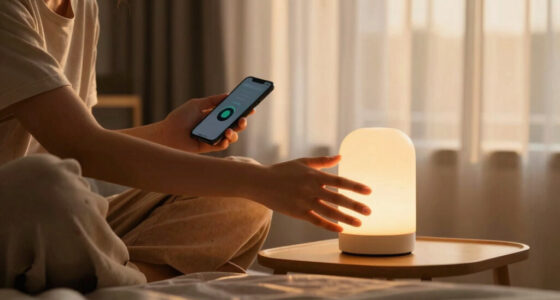
Leveraging smart technology can significantly enhance your wake-up routine, especially in shared bedrooms. Many wake-up lights now integrate with smartphone apps, enabling remote control over schedules, brightness, and color settings. This flexibility allows you to set your light to turn on gradually before your designated wake-up time—say, 15 minutes prior—so you wake gently without startling your partner. Some models even sync with smart home systems, giving you options like voice control or automation based on your routines. Directional lighting features focus the glow precisely where you want it, reducing spillover. Complementing these with accessories like sleep masks—designed to block residual light—can further prevent light leakage. Vibrating alarms are another smart addition, waking you with tactile cues rather than light or sound, which can be especially helpful if your partner is a light sleeper or if you want to wake quietly. These tools and features collectively allow you to personalize your wake-up experience, ensuring you start your day peacefully without disturbing your partner’s sleep cycle.
Philips SmartSleep Wake-up Light, Colored Sunrise and Sunset Simulation, 5 Natural Sounds, FM Radio & Reading Lamp, Tap Snooze, HF3520/60
- Clinically Recommended: Supports healthy sleep and wake routines
- Personalized Settings: Custom sunrise, sunset, and wake-up sounds
- Smart Features: FM radio, tap snooze, auto-dimming display
As an affiliate, we earn on qualifying purchases.
As an affiliate, we earn on qualifying purchases.
Timing Your Wake-Up to Minimize Overlap
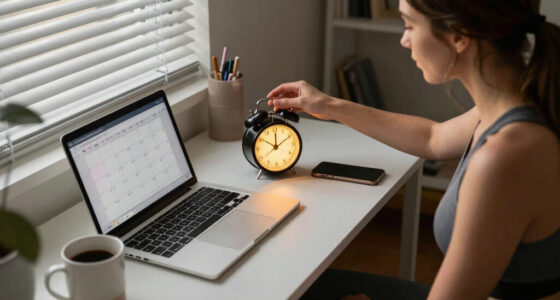
Effective scheduling is vital for avoiding wake-up conflicts. By carefully timing your wake-up, you can ensure your light turns on when your partner is in a deep sleep phase or has already woken up. For example, if your partner tends to sleep until 7:30 am, setting your wake-up light to activate at 7:15 am allows the gradual glow to start without disturbing their sleep. This approach relies on understanding sleep cycles and possibly using sleep trackers or smart alarm apps that analyze your sleep patterns. These tools help you identify optimal wake-up windows—times when your body is naturally ready to rise—so your light activates at just the right moment. The tradeoff here is that precise scheduling requires some planning and may involve experimenting with different times to find what works best. The benefit is a more restful sleep for both of you, as it minimizes the risk of waking prematurely or being awakened by a bright light during sensitive sleep phases. The key is synchronization—aligning your wake-up routine with your partner’s sleep cycle to maintain harmony.

SMARTERIOR Wireless Charging Station with Alarm Clock,Bedside Lamp with Sunrise Wake-Up Light,Wireless Phone Charger,Touch Table Lamp with 3 Brightness Levels,Idea Gifts for Women,Men,Teens,Adults
- Fast Wireless Charging: 10W Qi-enabled device charging
- Alarm Clock with Snooze: Customizable alarms with snooze feature
- Sunrise Wake-Up Light: Gradual 10-minute sunrise simulation
As an affiliate, we earn on qualifying purchases.
As an affiliate, we earn on qualifying purchases.
Comparison Table: Wake-Up Light Features for Shared Bedrooms
| Feature | Directional Light | Adjustable Brightness | Color Customization | Smart Scheduling | Wireless & Portable |
|---|---|---|---|---|---|
| Best for preventing disturbance | Yes | Yes | Yes | Yes | Yes |
| Ideal for small rooms | Yes | Yes | Limited | Yes | Yes |
| Minimal disturbance focus | Yes | Yes | Yes | Limited | Yes |
Simple Tips to Keep Your Wake-Up Routine Peaceful
- Choose a wake-up light with adjustable brightness and directional output.
- Position the light facing away from your partner’s sleeping area.
- Use a sleep mask or blackout curtains to block residual light.
- Set separate wake-up times or schedules for each person.
- Pair your light with a gentle sound or vibration alarm if needed.
Frequently Asked Questions
How can I set my wake-up light so it doesn’t wake my partner?
Adjust the brightness to a low, warm level, position it facing away from your partner, and use directional lighting or a sleep mask. Scheduling your wake-up time separately can also help.Yes, many models feature adjustable, directional lighting, customizable brightness, and smart scheduling options to minimize disturbance for both sleepers.
Can I use a wake-up light if my partner sleeps in the same room?
Absolutely. Choose a model with adjustable, directional light, and coordinate wake-up times or settings to keep both of you comfortable.What are some tips for waking up early without disturbing my partner?
Use a personal wake-up light, wear a sleep mask, or pair your device with a vibrating alarm. Scheduling your wake-up time helps avoid overlap.Are there alternatives to wake-up lights that are less disruptive?
Yes, options include gentle sound alarms, vibrating devices, or sleep masks with integrated light therapy to wake quietly without bright lights.Conclusion
Creating a peaceful wake-up routine in shared bedrooms is all about thoughtful placement and customization. With a little planning, you can enjoy a gentle sunrise without waking your partner.
Remember: the right settings and accessories turn a potentially disruptive device into a personal morning helper. Wake up happy—without the wake-up chaos.
Flea & tick season Picks
flea and tick prevention
As an affiliate, we earn on qualifying purchases.