
TL;DR

Get wellness gear delivered free with Prime
- Fast, free delivery on millions of items
- Prime Video, Amazon Music and more included
- Member-only deals all year
For allergy-prone sleepers, the key isn’t just choosing hypoallergenic fibers. Regular washing, physical barriers like encasements, and controlling bedroom humidity make a real difference in reducing allergens and improving sleep comfort.
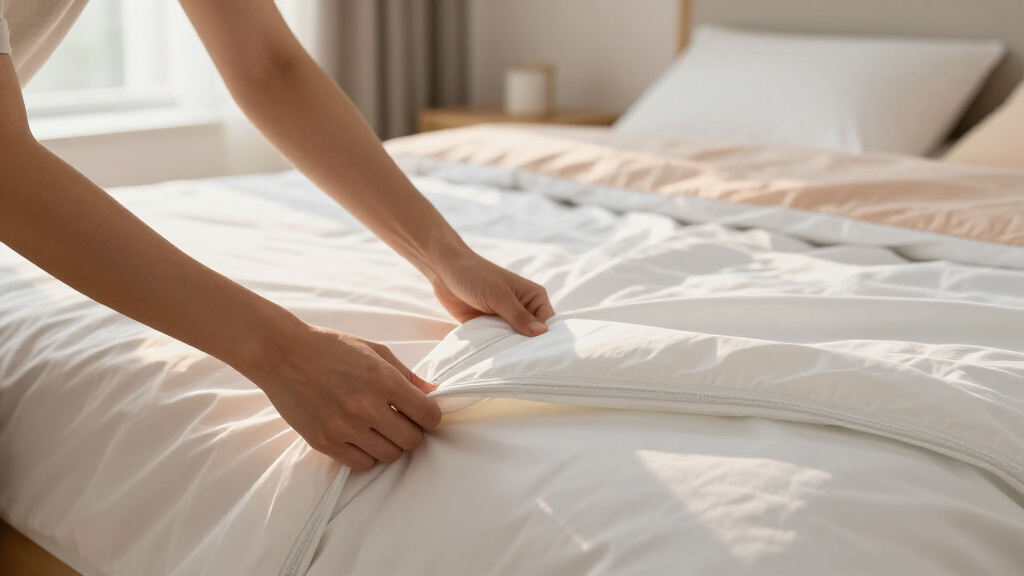
If you’ve ever woken up sneezing, itchy, or stuffy, you already know how allergens can sabotage your sleep. But battling dust mites, pet dander, and pollen isn’t about one magic fiber or a fancy spray. It’s about a system of washable layers, physical barriers, and consistent habits. Think of your bed as a fortress—built with washable walls, held together with zippered shields, and carefully managed humidity.
In this guide, you’ll learn how to set up a bedding routine tailored for allergy-prone sleepers. From choosing the right covers to washing techniques that actually work, you’ll get practical tips to make your sleep space healthier—and your mornings less miserable.
Regularly washing bedding in hot water and thoroughly drying it is the most effective way to reduce dust mite allergens.
Full zippered allergen-proof encasements trap existing allergens and prevent new ones from settling in your mattress and pillows.
Building a layered, washable bedding system simplifies cleaning and maintains allergen control over time.
Controlling bedroom humidity below 50% limits dust mite and mold growth, supporting cleaner sleep environments.
Choosing durable, high-temperature washable fabrics and avoiding non-washable or poorly constructed covers makes a big difference.
Bedding for Allergy-Prone Sleepers
Washable layers and covers beat the “magic fiber” myth. A cleaner bed is built as a system: sealed barriers around allergen reservoirs, removable layers on top, a repeatable laundry routine, and bedroom humidity kept in check.
Commonly recommended interval for washing sheets, pillowcases, and washable blankets.
Approximately 130°F—the frequently cited hot-wash target when the care label permits it.
Bedroom relative-humidity target that helps limit conditions favored by mites and mold.
Dust-mite allergen blocking claimed for properly made and maintained encasements.
Mattress and pillow are fully surrounded—not merely covered on the top and sides.
Block, simplify, wash, and keep the room dry.
Moisture left in bedding can undermine an otherwise careful routine.
The washable layer system
Keep the hard-to-clean core sealed. Put easy-to-remove layers where skin, sweat, pollen, and pet allergens land. Every exposed layer should have a realistic route through the washer and dryer.
Mattress
The largest long-term reservoir; keep it continuously encased.
Full encasement
Tight barrier, strong seams, secure zipper, covered zipper end.
Washable pad
Catches sweat and spills while protecting the encasement.
Fitted sheet
Choose a durable fabric that tolerates frequent laundering.
Top layer
Flat sheet, light blanket, or removable duvet cover.
Protected insert
Keep the bulky duvet washable or follow its care label.
Encased pillow
Allergen encasement underneath a washable pillowcase.
Remove unnecessary reservoirs: decorative pillows, bed skirts, canopies, heavy throws, and upholstered headboards trap dust and dander while adding work to every cleaning cycle.
Wash for removal, not ritual
Heat can help kill mites, but physical removal matters too. Use the hottest settings permitted by the care label, avoid overfilling the machine, rinse effectively, and dry every layer completely.
Strip exposed layers
Remove sheets, pillowcases, washable blankets, and the duvet cover without shaking dust into the room.
Wash within the label
Around 130°F or 54°C can kill more mites, but textile care instructions remain the safety limit.
Give the load room
Overstuffing reduces agitation, rinsing, and the removal of embedded allergen particles.
Dry completely
Use a permitted hot dryer cycle when possible and never remake the bed with damp fabric.
Wash-temperature reference
54°C / 130°FWhen high heat is unsuitable, regular detergent washing, good rinsing, and complete drying still reduce allergen load.
Bedroom-humidity threshold
Below 50%Use ventilation, air conditioning, or a dehumidifier as needed. Covers cannot compensate for a persistently damp bedroom.
Materials must survive the routine
“Hypoallergenic” is not a substitute for cleanability. Favor fabrics that remain comfortable, intact, and easy to dry after repeated care-label-compliant laundering.
Cotton
Widely available, comfortable, and often suitable for frequent washing. Confirm temperature limits before buying.
- Good everyday breathability
- Easy-to-find washable options
- May shrink under excessive heat
Microfiber
A dense weave can add physical resistance to particles, while quick drying helps reduce retained moisture.
- Dries relatively quickly
- Often durable under repetition
- Comfort varies by construction
Washable synthetics
Useful when engineered for repeated cleaning, but avoid unnecessary fragrances, coatings, or finishes that irritate sensitive sleepers.
- Check wash and dryer limits
- Prefer clear care instructions
- Skip strong scented treatments
| Feature | Washable bedding | Non-washable bedding |
|---|---|---|
| Allergen control | ✓Regular cleaning removes surface and embedded allergens before they accumulate. | ✗Dust, dander, and pollen can build up between professional cleanings or replacements. |
| Routine cleaning | ✓Removable layers can move directly through a predictable home-laundry cycle. | ✗Bulky or fixed pieces are harder and more expensive to clean thoroughly. |
| Long-term cost | ✓Moderate initial investment can reduce replacement and specialty-cleaning needs. | ~Purchase price varies, but professional cleaning and replacement can add up. |
| Durability | ~Strong when fabric, seams, zipper, and care routine are designed for repetition. | ~May last physically while becoming an increasingly difficult allergen reservoir. |
| Moisture response | ✓Removable, fully dried layers help prevent persistent dampness near the sleeper. | ✗Thick, slow-drying construction may retain moisture and complicate maintenance. |
One bed, several allergen pathways
Dust-mite control has the clearest connection to encasements and washable bedding. Pet allergy, pollen, mold, and chemical sensitivity also require controlling how irritants enter and persist in the room.
Dust-mite debris
Concentrates in mattresses, pillows, carpets, and upholstery. Mites do not bite or live on people.
Pet allergens
Dander and saliva proteins travel on fur, clothing, hands, and soft furnishings.
Pollen
Enters through windows and arrives on hair, outdoor clothing, shoes, and pets.
Mold spores
Gain an advantage when ventilation is poor and bedding or room surfaces stay damp.
Irritating finishes
Fragrances, detergents, fabric treatments, and volatile compounds can trouble sensitive sleepers.
The best bedding is the bedding you can keep clean.
Choose a well-built zippered encasement, protect it with washable layers, launder exposed bedding weekly, dry everything completely, and keep bedroom humidity below 50%. Bedding changes reduce exposure, but they remain one part of managing allergic rhinitis, asthma, eczema, or pet allergy.
Why Washable Bedding Is Your Best Defense Against Allergens
Washable bedding layers are crucial because they allow you to physically remove and kill common allergens like dust mite waste and pet dander. When you wash bedding frequently in hot water, you’re not just cleaning surface dirt; you’re actively reducing the allergen load inside your bedding materials. This is important because allergens, like dust mite feces and shed pet dander, can embed deep within fibers over time, creating a persistent irritant. The implications are significant: regular, thorough washing minimizes allergen reservoirs, leading to fewer immune reactions and better sleep quality. However, this approach involves tradeoffs—frequent washing can wear fabrics faster and requires time and effort, so selecting durable, washable materials is essential. The key is understanding that washing isn’t just maintenance; it’s a proactive health strategy that directly impacts your immune system’s exposure and response.
hypoallergenic zippered mattress encasements
As an affiliate, we earn on qualifying purchases.
As an affiliate, we earn on qualifying purchases.
How to Build a Washable Bedding System That Works
- Start with a full zippered allergen-proof encasement for your mattress and pillows. These encasements act as a physical barrier, trapping existing allergens inside and preventing new ones from settling in. Their importance lies in creating a sealed environment that significantly reduces allergen exposure during sleep, which is critical because dust mites and pet dander can accumulate rapidly without such barriers. The tradeoff is that poorly fitted or low-quality encasements can develop gaps, rendering them ineffective. Regular inspection and washing maintain their integrity.
- Add a washable mattress pad or protector. This layer absorbs sweat and spills, which can otherwise create moist conditions conducive to mold and mite proliferation. It also prolongs the life of your encasement and mattress. Choosing a high-quality, breathable, washable pad ensures it can withstand frequent laundering without degrading or trapping moisture, which could otherwise negate its benefits.
- Use fitted sheets, blankets, and duvet covers that are easy to wash regularly. Fabrics like cotton or microfiber are recommended because they can endure high-temperature washing, which is essential for allergen removal. Their ease of cleaning directly impacts your ability to maintain a low allergen environment.
- Keep decorative pillows, heavy throws, and upholstered headboards off the bed. These items trap dust and pet dander, acting as reservoirs of allergens that can reintroduce irritants into your sleeping space. Removing or limiting these items simplifies cleaning and reduces allergen buildup.
- Wash sheets, pillowcases, and blankets weekly in hot water, then dry thoroughly. The high temperature kills many mites and dislodges allergens from fabric surfaces, reducing their presence in your environment. This routine is vital because allergens can become embedded deep in fibers, and only consistent, thorough cleaning can keep levels low enough to prevent immune reactions.
- Maintain bedroom humidity below 50%. Use a dehumidifier or air conditioner to prevent moisture buildup. Lower humidity levels create an inhospitable environment for dust mites and mold, which thrive in damp conditions. This aspect is often overlooked but is fundamental; even the best bedding system can be undermined if humidity encourages allergen growth.
This layered approach ensures that allergens stay trapped and are removed regularly, making cleaning less burdensome over time. For example, a client with pet allergies found that washing bedding weekly and sealing their mattress with encasements dramatically reduced their allergy symptoms, illustrating the power of a comprehensive, routine-based system.
washable allergy-proof pillow covers
As an affiliate, we earn on qualifying purchases.
As an affiliate, we earn on qualifying purchases.
Comparison: Washable vs. Non-Washable Bedding Options
| Feature | Washable Bedding | Non-Washable Bedding |
|---|---|---|
| Allergen Control | High — regular washing removes surface and embedded allergens, preventing buildup | Low — allergens can accumulate over time, leading to increased exposure and symptoms |
| Ease of Cleaning | Easy — designed for frequent laundering, allowing maintenance of a low-allergen environment | Challenging — often requires professional cleaning or replacement, which can be costly and less effective at allergen removal |
| Cost | Moderate — initial investment in encasements and washable covers, but long-term savings in health and replacement costs | Variable — may need frequent replacement or professional cleaning, adding to expenses over time | Durability | Depends on fabric quality and care; high-quality fabrics withstand repeated washing without degrading, ensuring longevity | Varies; some materials degrade quickly with washing or use, reducing lifespan and effectiveness |
Choosing washable layers isn’t just about convenience; it’s about actively controlling allergen buildup over time and understanding the long-term health benefits. For example, a family that switched to all washable bedding noticed a significant decline in allergy symptoms within weeks, emphasizing the value of investing in washable solutions and consistent maintenance.
bedroom humidity control dehumidifier
As an affiliate, we earn on qualifying purchases.
As an affiliate, we earn on qualifying purchases.
Choosing the Right Materials for Washability and Comfort
Not all fabrics handle frequent washing equally, but some are better suited for allergy-prone sleepers because they balance durability, breathability, and ease of cleaning. Cotton, microfiber, and certain synthetic blends are widely available in high-temperature wash versions, which is crucial for allergen removal. These materials are designed to withstand the rigors of regular cleaning without degrading, maintaining their protective qualities over time. The implication is that selecting the right fabric extends the lifespan of your bedding and ensures ongoing allergen resistance.
For example, microfiber sheets are tightly woven, which creates a physical barrier against dust mites and their waste, and they dry quickly after washing—reducing the chance of moisture retention that could promote mold or mite growth. Wool or silk, while luxurious, are less practical for frequent washing because they require special care and may trap moisture if not maintained properly, potentially exacerbating allergy issues.
Remember: claims of ‘hypoallergenic’ or ‘natural’ don’t automatically guarantee allergen resistance. The effectiveness depends on fabric weave, care instructions, and whether the material is compatible with hot washing. Prioritizing durability and washability ensures your bedding remains an active part of your allergy management plan.
high temperature washable bedding set
As an affiliate, we earn on qualifying purchases.
As an affiliate, we earn on qualifying purchases.
Keeping Bedroom Humidity in Check to Stop Allergens at the Source
Controlling humidity is as vital as washing your bedding because it directly influences the environment where allergens thrive. Dust mites, for example, need humidity levels above 50% to survive and reproduce, making dry conditions essential. Mold spores also flourish in damp environments, which can trigger respiratory issues. A hygrometer acts as a crucial tool—like a moisture thermometer—helping you monitor and maintain optimal indoor humidity levels.
Reducing humidity below 50% through dehumidifiers or air conditioning creates an inhospitable environment for these allergens, significantly decreasing their presence. For instance, someone living in a humid climate observed that lowering humidity to below 50% cut their nightly allergy symptoms in half, demonstrating how environmental control can be as effective as cleaning routines. This approach also prevents mold growth behind walls or in hidden corners, which are common but often overlooked sources of allergens and mold spores. The tradeoff involves energy use and initial investment in devices, but the health benefits—fewer allergy and asthma symptoms—are well worth it.
Remember: moisture management is a foundational element of allergen control that complements your bedding hygiene efforts, creating a comprehensive environment that discourages allergen proliferation from the ground up.
The Role of Encasements and Covers in Allergen Blocking
Zippered allergen encasements are your best armor against allergens hiding inside your mattress and pillows. They’re made from tightly woven fabrics or membranes that physically block dust mite waste, dander, and other irritants from penetrating into your sleeping surface. The importance of high-quality encasements lies in their ability to serve as an effective barrier—if poorly constructed or fitted, gaps can allow allergens to escape or enter, rendering them ineffective. Regular inspection, proper fit, and washing are essential to maintain their integrity and function over time.
Choosing the right encasements is about more than just the fabric; it’s about understanding their role in a layered defense system. While they trap existing allergens, they don’t eliminate allergens already present in your environment. This underscores the importance of combining encasements with regular cleaning routines, moisture control, and other allergen-reducing practices. The tradeoff is that encasements require ongoing maintenance and proper handling to stay effective, but their role in reducing allergen exposure is invaluable for sensitive sleepers.
How to Wash Bedding Properly for Best Allergen Removal
Washing bedding in hot water—around 130°F—is the most reliable method to kill dust mites and dislodge their waste. The high temperature denatures proteins in mite excrement and destroys the mites themselves, significantly reducing allergen levels. Using a high-quality detergent and an extra rinse cycle ensures residual allergens are washed away, not just moved around. Thorough drying in a hot dryer cycle further kills remaining mites and removes moisture that could support mold or mite growth. For example, a person with severe dust allergy found that sticking to a weekly routine of hot washes and thorough drying dramatically improved their sleep and reduced nighttime allergy symptoms.
If hot washing isn’t feasible due to fabric care restrictions, aim for the highest safe temperature, and ensure complete drying. The key is consistency—regular laundering at effective temperatures is more impactful than sporadic or lower-temperature washes. This routine minimizes allergen buildup over time, maintaining a healthier sleep environment and reducing immune system stress caused by allergen exposure.
Additional Tips for a Truly Allergen-Free Sleep Space
- Keep pets out of the bedroom when allergy symptoms are severe, as pet dander is a persistent allergen that can settle deep in textiles and upholstery.
- Use a HEPA filter vacuum on carpets, upholstery, and curtains weekly. HEPA filters trap tiny allergen particles that can become airborne, reducing overall indoor allergen levels and preventing them from settling in your bedding.
- Choose washable window coverings over heavy, non-washable drapes. These can be cleaned regularly to prevent allergen buildup.
- Shower and change clothes after outdoor pollen exposure before bed. Pollen can cling to your skin and hair, introducing new allergens into your sleeping environment.
- Remove clutter that traps dust—like heavy throws, decorative pillows, and stuffed toys. These items trap and harbor dust and dander, increasing allergen load.
Implementing these small but consistent steps creates a comprehensive allergen management system, transforming your bedroom into a sanctuary that promotes restful, symptom-free sleep. The goal is to minimize allergen reservoirs and prevent reintroduction of irritants, making your sleep environment as clean and allergen-free as possible.
Frequently Asked Questions
How often should allergy-friendly bedding be washed?
Sheets and pillowcases should be washed weekly, ideally in hot water. Blankets, duvet covers, and mattress protectors also benefit from regular cleaning, especially if you have pets or high pollen exposure. Encasements usually need less frequent washing but should be inspected and cleaned as per the manufacturer’s instructions.
Must bedding be washed in very hot water?
Hot water—around 130°F—kills dust mites and helps remove allergens effectively. However, check your fabric care labels to avoid damage. When hot washing isn’t possible, thorough washing combined with complete drying still significantly reduces allergen levels.
Does an allergen cover need to be waterproof?
Not necessarily. A breathable, tightly woven allergen encasement can block pollutants without making your sleep surface hot or noisy. Waterproof covers are mainly for spills or incontinence, but combining both functions is possible if needed.
Should the mattress encasement be removed for washing?
Only when the care instructions specify. Frequent removal can damage zippers or release trapped allergens. Instead, use a washable mattress pad on top, which can be cleaned regularly without disturbing the encasement.
Are down pillows and duvets bad for allergies?
Not automatically. Dust mites can settle in any bedding, but if you wash and encase down pillows properly, they can still be suitable. People with feather allergies should seek medical advice and consider synthetic options or carefully maintained down products.
Conclusion
Creating a bedding system that emphasizes washable layers, physical barriers, and moisture control can transform your sleep. It’s not about chasing a perfect fiber but establishing habits that keep allergens at bay.
Think of your bed as a fortress—built with washable walls, sealed with zippers, and kept dry. With these tools, restful nights become more than just a hope—they become a routine.
Columbus Day / Indigenous Peoples' Day Picks
long weekend sales
As an affiliate, we earn on qualifying purchases.