TL;DR
Listen free for 30 days with Audible
Thousands of audiobooks and originals — cancel anytime.
Start your free trialAs an affiliate, we earn on qualifying purchases.
When your child moves to a big bed, choose bedding that fits well, is easy to wash, and matches your child’s needs. Focus on safety, comfort, and simple care to make overnight changes easier and create a cozy space.
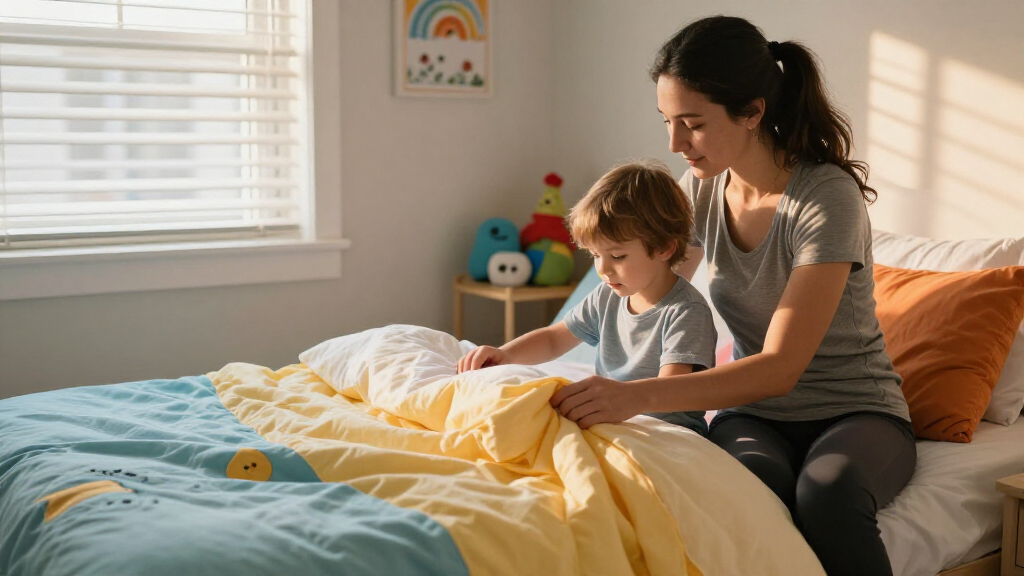
Moving your child to a big bed is a milestone loaded with excitement and a few nerves. It’s not just about size; it’s about comfort, safety, and making the change feel special. The right bedding can turn this transition into a cozy, confident step into independence.
In this guide, you’ll learn how to pick bedding that fits perfectly, feels good, and is simple to manage. Whether your kid is switching from a crib or toddler bed, these tips will help you create a safe, inviting space that makes bedtime easier for everyone.
Always match bedding to the bed size with properly fitted sheets to prevent slips and bunching.
Choose breathable, washable fabrics like cotton or linen to keep your child comfortable and safe.
Use quiet, breathable waterproof protectors to manage accidents without disrupting sleep.
Keep bedding simple—one lightweight blanket or duvet is usually enough.
Inspect all decorations and accessories to eliminate choking or strangulation hazards.
Choosing Bedding for a Kid Moving to a Big Bed
The goal is simple: bedding that fits securely, breathes comfortably, washes easily, and helps a growing child feel safe. A thoughtful setup turns this milestone into a cozy step toward independence—and makes overnight changes easier for everyone.
Pick the bed. Then fit every layer to it.
Correct sizing prevents sheets from slipping, protectors from shifting, and covers from pooling. Consider the child’s growth, room layout, ability to climb in and out, and need for emotional security.
Toddler bed
Low to the floor and usually uses the existing crib mattress. Familiar and easy to access, but likely to be outgrown sooner.
Best when: a smaller transition feels reassuring.Twin / single
Spacious enough for most growing children while remaining manageable in a child’s room. Bedding is widely available.
Best when: longevity and easy shopping matter.Twin XL
Similar width to a twin with added length. Useful for taller children, but sheets must be specifically labeled Twin XL.
Best when: height and long-term use lead the decision.Measure the mattress—not the label alone.
A shallow pocket can pop off a thick mattress; an excessively deep pocket can bunch on a thin one. Include any mattress topper in the final depth measurement.
Example: a 6-inch mattress paired with a 9-inch pocket leaves room to tuck securely without excessive fabric.
Choose for temperature, washing, and touch.
Thread count is not a quality shortcut. Fiber, weave, construction, finishes, durability, and real-world washing performance tell you more about how bedding will feel and last.
| Material | Breathability | Washability | Feel & climate | Decision note |
|---|---|---|---|---|
| Cotton | ✓ Strong | ✓ Easy | Percale is crisp and cool; jersey is soft and stretchy; flannel is warmer. | Versatile everyday choice |
| Linen | ✓ Strong | ~ Gentle care | Airy, durable, and increasingly soft with use; often costs more initially. | Excellent for warm sleepers |
| Microfiber | ~ Variable | ✓ Fast-drying | Affordable and wrinkle-resistant, but may retain heat, odors, or static. | Practical, but monitor warmth |
| Bamboo-derived viscose | ✓ Often airy | ~ Check label | Usually soft and moisture-absorbing; manufacturing methods vary widely. | Read fiber and care details |
| Wool | ✓ Regulating | ~ Special care | Useful in pads or duvets across seasons; consider sensitivities and allergies. | Good specialty layer |
| Down / feather | ~ Warm | ~ Harder | Light for its warmth, but not suitable for every child or every sensitivity. | Assess cleaning and allergies |
✓ indicates a strong practical characteristic; ~ indicates a trade-off that depends on the child, climate, product construction, and care instructions.
-TEX
Standard 100
Can indicate testing for specified harmful substances. It does not replace checks for fit, construction, loose components, or correct use.
Organic textile processing
Covers broader processing requirements for certified organic textiles. Certification is useful context, not an automatic guarantee for every safety concern.
A waterproof layer should be quiet, breathable, and invisible in use.
Thin polyurethane-backed protectors with soft fabric surfaces are generally more comfortable than stiff, loose plastic layers. A fitted design helps everything stay in place.
Build a low-disruption bed
Layering two complete sets can make a nighttime accident easier to handle: remove the wet upper set and the clean layer underneath is already prepared.
The protector checklist
Protection matters only if it does not create a new comfort problem.
Keep two protectors and at least two fitted sheets.
One set can be in use while the other is clean, dry, and ready—especially helpful during toilet learning, illness, or spill-prone phases.
Use one light top layer and remove decorative hazards.
A lightweight blanket, quilt, or child-size duvet is usually enough. Avoid excessively heavy or oversized covers that trap heat, restrict movement, or pool around the child.
A cozy bed needs fewer pieces than you think.
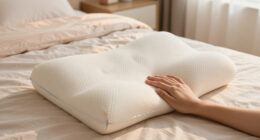
Many young toddlers do not need a pillow. When one is introduced, choose a small, relatively firm, washable child-size pillow rather than a large adult pillow.
The bedtime-ready decision chain
Each choice supports the next. Start with physical fit, then regulate comfort, prepare for real life, and finish with a full-room safety check.
The practical starter set
Buy enough for quick changes, but keep the sleeping arrangement intentionally simple.
How to Pick the Perfect Bed Size (So Sheets Never Slip Off)
The first step is choosing the right bed size. A twin bed is a popular choice for growing kids—long-lasting and spacious enough for comfort. Twin XL is similar but adds extra length for taller children. A toddler bed is lower and fits the crib mattress, but your child might outgrow it quickly.
When selecting bedding, always match sheets and blankets to the bed size. For example, a fitted sheet for a twin mattress will stay put better than a loose one on a larger or irregularly shaped bed. Think about your child’s growth—long-term comfort matters.
Choosing the correct bed size and matching bedding isn’t just about aesthetics; it directly impacts safety and sleep quality. Ill-fitting sheets can slip off, causing discomfort or even safety hazards if the child tries to adjust them during sleep. Additionally, a bed that’s too small might restrict movement or cause your child to feel confined, while an overly large bed might make it harder for them to feel secure. Balancing these factors ensures a comfortable, safe sleep environment that supports your child’s development and independence.
As an affiliate, we earn on qualifying purchases.
Choosing the Right Fitted Sheet (Deep or Shallow Pockets Matter)
Fitted sheets are your best friend here. They keep bedding snug and safe. The key is getting the right pocket depth. If your mattress is 6 inches thick, a sheet with a 9-inch pocket fits perfectly—no slipping, no bunching.
Deep-pocket sheets work well on thicker or pillow-top mattresses, while shallow pockets suit thinner beds. Check your mattress’s depth before shopping, and buy a few so you can swap between washes. Investing in the right fitted sheet not only keeps the bed tidy but also reduces the risk of your child waking up tangled in loose bedding, which can be a safety concern.
Choosing the correct fitted sheet isn’t just about keeping the bed neat; it impacts your child’s safety and comfort. A poorly fitting sheet can come loose during the night, creating a risk of suffocation or entanglement. On the other hand, a sheet with the right pocket depth stays in place, providing a smooth, secure surface that encourages restful sleep. Consider the mattress thickness and the child’s movement habits when selecting sheets, as a good fit minimizes disruptions and ensures a safe sleep environment.
breathable waterproof mattress protector for kids
As an affiliate, we earn on qualifying purchases.
As an affiliate, we earn on qualifying purchases.
How to Pick Washable, Breathable Materials Your Kid Will Love
Choosing washable, breathable fabrics is a game-changer for busy parents. Cotton remains king—it’s soft, durable, and easy to clean. Percale cotton feels crisp and cool; jersey cotton is softer and stretchier; flannel adds warmth for colder months.
Understanding why breathability matters is crucial. Breathable fabrics help regulate body temperature throughout the night, preventing overheating and excessive sweating, which can disturb sleep. For children who tend to sweat or get hot easily, choosing fabrics that wick moisture away can significantly improve sleep quality and reduce night wakings. Conversely, synthetic fabrics like microfiber, while convenient, can trap heat and static, potentially causing discomfort or skin irritation. Balancing comfort with durability and ease of washing is key to creating a sleep environment that promotes restful nights.
Breathable, natural fibers create a healthier sleep space by allowing air circulation and reducing the buildup of heat and moisture that can lead to discomfort or skin issues. This not only enhances sleep quality but also minimizes the risk of skin irritations or allergies that synthetic fabrics might provoke. When selecting bedding, consider the tradeoff between maintenance ease and comfort—natural, breathable fabrics often require gentle washing but reward you with a more comfortable, healthful sleep environment.
According to an anonymous researcher, breathable fabrics help regulate body temperature, reducing night waking caused by overheating.
As an affiliate, we earn on qualifying purchases.
Waterproof Mattress Protectors: Quiet, Breathable, and Essential
Waterproof protectors are a must-have, especially if your child is still mastering bathroom independence or prone to nighttime accidents. The key is choosing quiet, breathable protectors that won’t turn the bed into a sweatbox.
Look for thin polyurethane layers with soft fabric surfaces—these are quieter and more comfortable than stiff vinyl. Breathability is essential to prevent heat buildup, which can make sleep uncomfortable and cause sweating. Having a spare protector and sheet on hand allows for quick changes without disturbing your child’s sleep, ensuring the bed stays dry and comfortable. Properly chosen protectors can also extend the life of your mattress by preventing moisture damage, which is especially important for children still learning bathroom routines.
Choosing the right waterproof protector involves balancing protection with comfort. Many protectors on the market can be noisy or trap heat, which defeats their purpose. Investing in a breathable, thin layer that feels soft and quiet is essential for maintaining a comfortable sleep environment. Additionally, using a protector that is easy to remove and wash ensures you can respond swiftly to accidents, minimizing sleep disruptions and keeping the bed hygienic. This choice directly impacts your child’s safety and comfort, especially during transitional phases when accidents are more common.
For example, a parent I know keeps two protectors layered under the sheet, so accidents are easy to manage without disturbing the child’s sleep.
As an affiliate, we earn on qualifying purchases.
Keep It Simple: One Blanket, One Duvet, or Both?
Less is more when it comes to bedding. A lightweight blanket or a child-sized duvet usually suffices. Heavy covers can trap heat or cause the child to become tangled, which can be dangerous if they try to move or roll over during sleep.
For example, a family I know uses a soft, lightweight quilt that’s easy for their 3-year-old to move under and toss aside if too warm. They avoid bulky comforters that might be a hazard, especially if the child rolls into them and gets tangled. Choosing a duvet with a removable cover not only makes washing simpler but also allows you to easily change the look and feel of the bed without purchasing entirely new bedding, offering both practicality and versatility.
Opting for minimal, lightweight bedding minimizes risks and simplifies bedtime routines, making it easier for your child to self-soothe and stay comfortable throughout the night.
Heavy or bulky bedding can increase the risk of overheating or entanglement, both of which can disturb sleep or pose safety hazards. A simple, lightweight blanket or duvet reduces these risks while providing enough warmth. Choosing bedding that is easy to wash and change also encourages independence in your child’s bedtime routine. When bedding is minimal and practical, it helps your child learn to self-regulate and feel secure, fostering better sleep habits and safety at night.
Choosing a Child-Friendly Pillow (Or Skip It for Now)
Many young children don’t need a pillow right away. If your kid sleeps comfortably without one, there’s no rush. When you do introduce a pillow, pick a small, firm, washable one designed for children.
For example, a 2-year-old I know sleeps well on a flat, firm pillow that’s easy to clean. Large, fluffy adult pillows can be unsafe or uncomfortable for little bodies, as they may cause neck strain or pose a suffocation risk if the child rolls into them during sleep. The timing for introducing a pillow should consider your child’s sleep posture and comfort cues. Waiting until they show signs of needing or wanting a pillow—like tilting their head or fussing at bedtime—helps ensure it’s appropriate and safe for their developmental stage.
Choosing the right pillow involves considering size, firmness, and your child’s safety. A pillow that’s too soft or large can interfere with spinal alignment and safety, so selecting a small, firm, washable pillow designed for children ensures proper support and reduces risks. Observe your child’s sleep patterns—if they turn their head frequently or seem uncomfortable, it might be time to introduce a pillow. Always prioritize safety and comfort, and avoid adult-sized pillows that can be unsafe for small children.
Safe Decorations and Accessories: What to Avoid
Safety first means inspecting all decorative elements. Avoid long ties, loose ribbons, cords, beads, sequins, or detachable decorations that could be choking or strangulation hazards.
For example, a parent replaced their child’s long-bed canopy with a simple, soft canopy that’s attached securely and has no dangling parts. No strings or beads that could come loose. It’s important to remember that any decorative feature should be securely attached and free of small parts that can be swallowed or pose entanglement risks. Using soft, non-toxic, and securely fixed decorations minimizes potential hazards while still allowing the bed to look inviting.
Choosing safe decorations isn’t just about aesthetics; it’s about understanding potential risks. Loose or dangling decorations can become choking hazards or entrapment risks if they catch on bedding or furniture. Secure, minimal, and non-toxic decorations reduce these dangers significantly. This careful approach not only protects your child but also creates a calming environment that promotes peaceful sleep, free from avoidable hazards.
Beyond Bedding: Making the Sleep Space Safe and Inviting
Bedtime safety isn’t just about bedding. Think about low beds, secure furniture anchors, covered outlets, and clear pathways around the bed. These details matter for a child’s confidence and safety.
For example, a parent I know installed a low bed with a guardrail and secured furniture to the wall. Their child feels confident climbing in and out without danger.
Creating a cozy, safe environment encourages your child to settle down and enjoy bedtime alone or with family routines. Regularly checking for hazards like sharp corners or loose cords and making sure the sleep area is clutter-free help foster a sense of security and independence.
In addition to physical safety measures, establishing a consistent bedtime routine and a welcoming sleep space can greatly reduce bedtime resistance and anxiety. A tidy, well-organized environment with familiar objects and gentle lighting helps your child feel secure and eager to sleep. These small but impactful adjustments can transform the sleep space into a sanctuary that promotes both safety and comfort.
The Latest Trends: What’s New in Kids’ Bedding
Parents now pay more attention to chemical-free, non-toxic bedding options. Certification labels like OEKO-TEX or GOTS help identify safer choices. Modular bedding systems—layered, zip-on covers—make changes easier without full bedding swaps.
Breathable waterproof protectors and eco-friendly fabrics are gaining popularity. Families are also wary of chemical treatments like stain-resistance or flame-retardants, opting instead for natural, minimal-finish options. These trends reflect a growing awareness of health and safety, as well as environmental impact, influencing parents to choose products that are both safe and sustainable.
Choosing bedding with transparent certifications and eco-friendly materials ensures your child’s sleep environment minimizes chemical exposure and environmental impact. These choices often come with tradeoffs, such as slightly higher costs or limited color options, but they offer peace of mind regarding health and safety. Staying informed about the latest innovations helps parents select products that align with their values of safety, sustainability, and quality, ultimately fostering a healthier sleep space for their children.
Frequently Asked Questions
When is my child ready for a big bed?
Most children are ready when they can climb out of their crib, reach the mattress height, or show signs of being too cramped in their current sleep space. Usually, this happens around ages 2-3, but it depends on their development and safety needs.
Should we buy a toddler bed or go straight to a twin?
A toddler bed is lower and uses the crib mattress, which can be easier for small children. However, a twin bed offers more space, lasts longer, and is a better choice if your child is tall or needs more room to grow.
How soon should I introduce a pillow?
Most kids don’t need a pillow until they’re around 3 or older. If your child sleeps comfortably without one, there’s no rush. When you do introduce one, choose a small, firm pillow designed for children and ensure it’s washable.
What is the best bedding for a child who sleeps hot?
Opt for lightweight, breathable fabrics like cotton percale or linen. Keep the room cool and dress your child in light pajamas. Fewer layers and natural fibers help regulate temperature and improve sleep quality.
Are waterproof protectors worth the investment?
Yes. Look for thin, quiet protectors with breathable fabrics that prevent leaks and spills. They make cleanup easier and help keep the mattress in good condition, especially for children prone to accidents.
Conclusion
A smooth transition to a big bed starts with the right bedding—fitted, breathable, and safe. Think of it as creating a cozy fortress where your child feels secure and eager for bedtime.
Remember, a well-chosen sleep space isn’t just about comfort. It’s about setting the stage for peaceful nights and confident mornings. Now, go choose that perfect sheet and make bedtime something your child looks forward to.
Flea & tick season Picks
flea and tick prevention
As an affiliate, we earn on qualifying purchases.