
TL;DR
Cooling sheets made from breathable fabrics like linen, Tencel, and bamboo help regulate temperature and wick moisture. Advanced technologies like phase-change materials further enhance sleep comfort, reducing night sweats and overheating.
Imagine slipping into bed and feeling the sheets immediately cool, like a gentle breeze on a warm night. That’s the magic of the right fabric—those that help you stay comfortable without tossing or turning. If hot nights wake you up more often than you’d like, understanding what makes some sheets sleep cooler can change your entire experience.
This guide unpacks the fabrics and innovations that keep you feeling fresh all night. You’ll learn which materials naturally regulate temperature, how new tech boosts cooling, and practical tips for choosing sheets that match your sleep style. No fluff—just real info to help you sleep better tonight.
Choose fabrics like linen, Tencel, or bamboo for natural cooling and moisture management.
Look for sheets with added technologies like phase-change materials for consistent temperature control.
Proper washing and care extend the lifespan of your cooling sheets, maintaining their effectiveness.
Compare fabric features—breathability, moisture-wicking, feel—to find the best fit for your climate and sleep habits.
Layering and seasonal adjustments can optimize your sleep comfort year-round.
Cooling Sheets: Fabrics That Sleep Cooler
TL;DR: Breathable fabrics like linen, Tencel, bamboo, and percale cotton help air move, wick moisture, and reduce heat buildup. Add phase-change materials and the bed can feel steadier through warm nights, night sweats, and seasonal shifts.
Cooler sleep starts with airflow, dry skin, and fabric that lets body heat escape.
What makes a sheet sleep cooler?
Cooling performance is less about one magic material and more about the blend of breathability, moisture control, texture, and care durability.
Open weave, quick dry
Linen allows generous airflow and releases moisture quickly. It can feel textured at first, then softens with washing and use.
Silky moisture control
Tencel balances smooth handfeel with strong moisture management, making it a strong fit for hot sleepers who dislike crisp sheets.
Soft, absorbent, airy
Bamboo-derived fabrics are popular for softness and sweat management, especially in humid rooms where dampness becomes disruptive.
Crisp airflow
Percale is a weave rather than a fiber, but its crisp structure helps air circulate better than heavier cotton constructions.
Tech dependent
Polyester or nylon blends can run warm unless engineered with cooling finishes, moisture channels, or phase-change technology.
Performance over time
Gentle washing, mild detergent, and lower dryer heat help preserve fiber structure, softness, and cooling features.
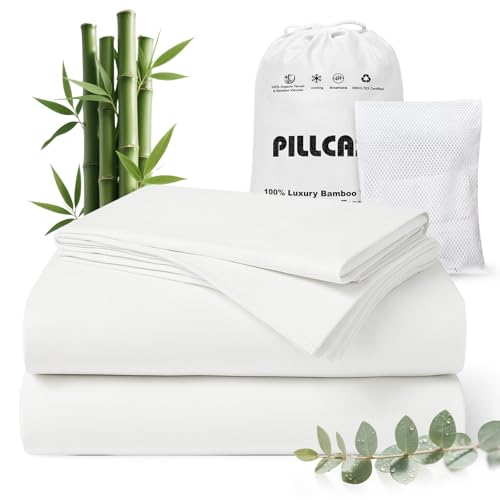
Pillcase 100% Bamboo Viscose & Tencel Lyocell King Size Sheet Set| Cooling & Breathable Bedsheets for Hot Sleepers |Luxury Silky Soft | 18" Deep Pocket with Corner Straps(White,Queen)
【Selected high-quality materials】 Viscose from bamboo & organic tencel sheet set. Softer than silk, more breathable than cotton,…
As an affiliate, we earn on qualifying purchases.
As an affiliate, we earn on qualifying purchases.
How cooling sheets move heat and sweat
Breathability lets heat and humidity escape. Moisture-wicking pulls sweat off the skin so evaporation can happen faster and more evenly.
Relative cooling performance by fabric trait
These scores translate common fabric behavior into a practical buying lens: higher airflow and moisture movement usually mean fewer hot, sticky wakeups.
The cooling sequence
A cooler bed is a chain reaction. Break any link and heat starts pooling between your body and the sheet.

Breescape Cooling Sheets Queen Size – BlendTek Dry & Cool Technology Cooling Bed Sheets for Hot Sleepers and Night Sweats, Q-Max>0.46 Tech, Deep Pocket Up to 18", Anti-Slip, White
What You Get: This cooling sheet set includes 1 flat sheet (93" x 102"), 1 fitted sheet (59"…
As an affiliate, we earn on qualifying purchases.
As an affiliate, we earn on qualifying purchases.
Match fabric to your sleep style
Price does not always predict cooling. Material quality, weave, moisture handling, and whether the sheet uses active cooling tech matter more.
| Fabric | Breathability | Moisture Wicking | Feel | Best For | Tradeoff |
|---|---|---|---|---|---|
| Linen | ✓ Excellent | ✓ Fast drying | Crisp, textured | Humid rooms and hot sleepers | May feel coarse at first |
| Tencel | ✓ Excellent | ✓ Strong | Smooth, silky | Heat control with softness | Often costs more |
| Bamboo derived | ✓ Very good | ✓ Very good | Soft, drapey | Night sweats and sensitive skin | Quality varies by processing |
| Percale cotton | ~ Good | ~ Moderate | Crisp, hotel-like | People who like classic cotton | Less active sweat control |
| Synthetic blend | ✗ Variable | ~ Tech dependent | Smooth, stretchy | PCM or cooling infusion designs | Can trap heat if poorly designed |
Tiny heat batteries
PCMs absorb excess body heat as you warm up and release it as you cool, helping smooth out temperature spikes through the night.
Keep cooling intact
Use gentle cycles, mild detergent, and lower dryer heat. High heat can reduce softness, damage finishes, and shorten performance life.
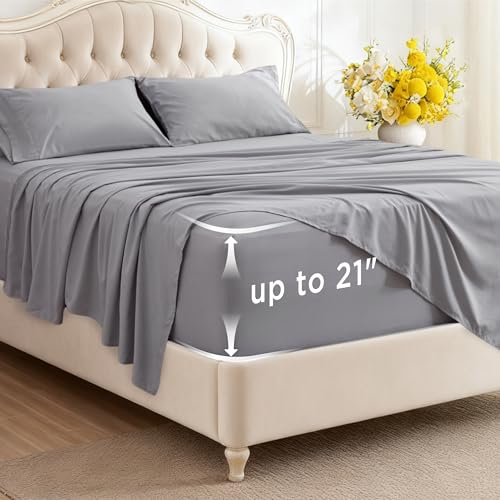
Bedsure Deep Pocket Queen Sheets Set – Fits Mattresses Up to 21 Inches Thick – 4 Piece GentleSoft Bed Sheets, Moisture Wicking, Soft & Cooling Bedsheet & Pillowcases, Easy & Secure Fit, Light Grey
Cool & Dry All Night: These deep pocket queen sheets come with 3M Scotchgard enhanced moisture-wicking ability, helping…
As an affiliate, we earn on qualifying purchases.
As an affiliate, we earn on qualifying purchases.
From fabric choice to better rest
The practical goal is simple: choose sheets that support your body’s natural cooling instead of fighting it.
Air moves through the sheet instead of stalling near skin.
Sweat is pulled outward for faster evaporation.
Heat buildup and cold dampness both become less likely.
Less tossing, blanket adjusting, and sticky discomfort.
A cooler sleep surface supports longer, calmer sleep.
Do cooling sheets really work?
Yes, especially when they use breathable, moisture-managing fabrics or active temperature technologies. They are most noticeable for hot sleepers and humid bedrooms.
Can you use them year-round?
Yes. Linen, Tencel, and bamboo can work across seasons, while layering lets you tune warmth without losing the cooling base layer.
Are expensive sheets always cooler?
No. Premium materials can help, but the real signals are breathability, moisture-wicking, weave quality, and how well any cooling technology is integrated.
What should hot sleepers buy first?
Start with linen or Tencel for the strongest blend of airflow and moisture control. Choose bamboo if softness is your top priority.

Silvery Silver Infused Bed Sheets Set – Ultra-Soft Temperature-Regulating Fabric with Self-Cleaning Technology™ That Stays Fresh 3X Longer for Hygienic Sleep – Ultra Soft Luxury Bedding Set
SLEEP EXPERT-RECOMMENDED SILVER TECHNOLOGY: Discover advanced bedding featuring NASA-inspired silver ion technology that's recommended by sleep professionals. Perfect…
As an affiliate, we earn on qualifying purchases.
As an affiliate, we earn on qualifying purchases.
What Makes a Fabric Sleep Cooler? The Basics You Need to Know
Cooling sheets excel because of how they’re made. Think of fabrics like linen, Tencel, and bamboo. They’re naturally breathable, allowing air to flow freely around your body. Plus, they wick moisture away, pulling sweat from your skin and helping you stay dry.
But why does this matter? Breathability prevents heat from becoming trapped between your skin and the sheets, which is a common cause of overheating. Moisture-wicking fabrics reduce the dampness that can make you feel sticky and uncomfortable, especially in humid environments. The tradeoff is that some natural fibers, like linen, can feel coarse initially, but they soften with use and washing. Tencel, meanwhile, offers a silky feel that balances comfort and performance.
So, if you want sheets that keep you feeling cool, focus on fabrics designed to breathe and wick. They’re the foundation for a more restful night, especially if you tend to overheat or sweat at night.
How Breathability and Moisture-Wicking Boost Your Sleep Comfort
Breathability and moisture-wicking are crucial because they directly impact how your body dissipates heat and manages sweat during sleep. Breathable fabrics like linen and Tencel allow heat and humidity to escape, which prevents the buildup of trapped warmth that causes overheating. Without proper airflow, your body can quickly become hot and sticky, disrupting your sleep cycle.
Moisture-wicking fabrics actively pull sweat away from your skin, facilitating faster evaporation. This process keeps you dry and reduces the likelihood of waking up due to dampness or chills caused by sweat cooling unevenly. For example, bamboo sheets are not only soft but also excel at absorbing and releasing moisture, which helps maintain a stable, comfortable temperature. The implications are significant: sheets with these properties can extend the duration of restful sleep, minimize night awakenings, and improve overall sleep quality.
Choosing sheets with high breathability and moisture-wicking qualities isn’t just about comfort—it’s about optimizing your body’s natural cooling mechanisms and avoiding the tradeoff of feeling damp or overheated, which can impair your sleep health.
The Latest Cooling Tech: Do Phase-Change Materials Really Work?
Cooling sheets integrated with phase-change materials (PCMs) represent a sophisticated approach to temperature regulation. PCMs are engineered substances that absorb excess heat when you start to warm up and release it slowly as you cool down, effectively acting as tiny heat batteries embedded within the fabric. This technology creates a more stable microclimate around your body, reducing the peaks and valleys of temperature that often disturb sleep.
Why does this matter? Because traditional fabrics, even if breathable, can’t actively respond to fluctuating body temperatures. In contrast, sheets with PCMs adapt dynamically, offering enhanced comfort especially for hot sleepers or those prone to night sweats. However, the effectiveness of PCMs depends on their formulation and placement within the fabric. Some sheets may feel cool to the touch initially but may lose their cooling effect over time if the PCM’s capacity is exceeded or if the fabric isn’t properly integrated.
The tradeoff is cost—these sheets tend to be more expensive—but many users report a noticeable difference in sleep quality. For instance, a hot sleeper may find that sheets with PCM technology help them stay comfortably cool throughout the night, reducing the need to toss and turn or adjust blankets frequently. Understanding how these materials work helps you decide if investing in this tech aligns with your sleep needs.
Frequently Asked Questions
Do cooling sheets really work?
Many people find that high-quality, breathable fabrics like linen, Tencel, or bamboo significantly improve sleep comfort. They help reduce heat buildup and night sweats, especially in warm or humid environments.
What is the best fabric for cooling sheets?
Fabrics like linen and Tencel are often rated as the best for cooling because of their excellent breathability and moisture-wicking abilities. Bamboo is also a popular choice for its softness and cooling feel.
Can I use cooling sheets year-round?
Yes, especially if you tend to overheat at night. Lighter fabrics like linen or Tencel work well in summer, and you can layer or switch to warmer options in winter. It’s all about personal comfort.
How should I wash my cooling sheets?
Follow the care label, typically using a gentle cycle with mild detergent. Avoid hot water and high heat in the dryer to preserve fabric qualities and cooling features.
Are cooling sheets more expensive?
Generally, yes—especially those with advanced cooling technologies or made from premium fabrics. But there are also affordable options that perform well if you prioritize breathability and moisture-wicking.
Conclusion
Choosing the right cooling sheets isn’t about buying the most expensive fabric, but about matching what feels best for your sleep environment. The right fabric can turn a restless, overheated night into a refreshing, restful experience.
Next time you shop, think about how your sheets feel on your skin—cool, smooth, and breathable. Your best sleep might be just a fabric away.