
TL;DR

Get wellness gear delivered free with Prime
- Fast, free delivery on millions of items
- Prime Video, Amazon Music and more included
- Member-only deals all year
Washing your weighted blanket every 1-3 months with gentle detergents and following manufacturer instructions keeps it fresh and fluffy. Using removable covers and redistributing filling prevents clumping and extends its life.
Weighted blankets are like a warm hug in fabric form—soft, heavy, and comforting. But how do you keep that hug feeling fresh without damaging the fabric or filling? The secret lies in understanding what your blanket needs and following simple, effective routines.
Think of your weighted blanket as a treasured piece of sleep gear. With a little care, it can stay cozy and supportive for years. In this guide, you’ll learn exactly how to wash, dry, and maintain your blanket, plus tips for handling different materials and recent innovations that make care even easier.
Always check the care label and follow manufacturer instructions for washing and drying.
Wash your weighted blanket every 1-3 months, more often if shared or in humid conditions.
Use mild, fragrance-free detergents to protect delicate fabrics and fillings.
Air dry when possible; tumble dry on low if allowed, with dryer balls or tennis balls to maintain fluffiness.
Regularly redistribute the filling and consider using a removable cover to prevent clumping and simplify cleaning.
Washing and Caring for a Weighted Blanket
A weighted blanket is a warm hug in fabric form. Preserve that softness, balance, and comfort with gentle cleaning, careful drying, and a routine built around its fabric, filling, and care label.
Wash more often when shared, visibly dirty, exposed to pets, or used in humid conditions.
Proper maintenance can preserve comfort, durability, and even weight distribution.
Manufacturer instructions outrank every general washing recommendation.
Five habits that protect the hug
Gentle routines prevent shrinking, pilling, weakened fibers, damaged filling, and the uneven pressure points caused by clumping.
Read the care label
Confirm the approved wash method, water temperature, dryer setting, and any restrictions before the blanket gets wet.
Choose a gentle wash
Use a gentle machine cycle when approved. For delicate minky or specialty fabrics, hand washing may preserve softness better.
Use mild detergent
Select a fragrance-free, hypoallergenic formula without bleach or harsh chemicals that can weaken fabric and filling.
Keep heat low
Air drying is safest. If tumble drying is allowed, choose low heat and use dryer balls to keep the filling distributed.
Redistribute the fill
Shake, spread, and gently massage filling back into place to prevent dense pockets and preserve even pressure.
Add a washable cover
A fitted removable cover catches oils, sweat, hair, and dirt, reducing how often the heavy inner blanket needs washing.
From label to fresh blanket
Give the blanket room to move, rinse soap away completely, and never lift it carelessly while saturated and at its heaviest.
A wet 10–20 pound blanket places significant strain on a small washer. Use a large-capacity machine or follow the label’s hand-wash or professional-cleaning direction.
Match the method to the blanket
The fabric and fill work as a system. Always treat this comparison as a starting point, then defer to the manufacturer’s instructions.
| Material / feature | Gentle machine wash | Hand wash | Low tumble dry | Care priority |
|---|---|---|---|---|
| Cotton | ✓ Often suitable | ~ Optional | ~ Check label | Avoid excess heat and shrinking |
| Polyester blend | ✓ Commonly suitable | ~ Optional | ✓ If permitted | Use low heat to protect fibers |
| Minky / plush | ~ Gentle only | ✓ Safer choice | ~ Very low heat | Prevent pilling and preserve softness |
| Glass bead fill | ~ Construction dependent | ~ Label dependent | ~ Low or air dry | Protect seams and fill pockets |
| Plastic pellet fill | ~ Check temperature | ✓ Often gentle | ✗ Avoid high heat | Prevent heat-related fill damage |
| Removable cover | ✓ Usually easiest | ~ If delicate | ~ Fabric dependent | Wash more often than the insert |
Clean enough, not excessively
Washing removes sweat, oils, allergens, and odors—but unnecessary full washes add mechanical wear. Spot care and a removable cover create a better balance.
When cleaning urgency rises
Relative care urgency based on common use conditions—not a substitute for the product label or visible signs of soiling.
A practical care rhythm
New materials, easier upkeep
Recent developments can reduce odor, manage moisture, simplify washing, and improve durability—while the care label remains the final authority.
Designed to resist bacterial buildup and help the blanket stay fresher between washes.
Moves moisture away from the body, especially useful for warm sleepers and humid climates.
Make frequent cleaning simpler while shielding the weighted insert from everyday soil.
Gentle specialty formulas can protect delicate textiles without relying on harsh chemicals.
Before you start the wash
These short answers cover the most common questions. Product-specific instructions always take priority.
Yes, if the label says it is machine washable. Use a gentle cycle, cool water, and enough drum capacity.
A mild, fragrance-free, hypoallergenic detergent without bleach, fabric softener, or harsh chemicals.
Only when permitted. Choose low heat and add dryer balls or clean tennis balls to discourage clumping.
Dab promptly with a damp cloth and mild detergent. Do not scrub, which may spread the stain or damage fibers.
Shake and redistribute the fill regularly, dry thoroughly, and avoid overloading an undersized washer.
Follow the label, wash gently, air dry when practical, and use a removable cover to reduce full washes.
Know Your Material and Follow the Label for Best Results
Every weighted blanket has a care label that tells you exactly how to clean it. For example, cotton and polyester blends are often machine washable, while delicate fabrics like minky might need gentle handling. The label also indicates if it can go in the dryer or needs air drying.
Imagine a cozy, plush blanket with a s-label that reads ‘Machine wash cold, tumble dry low.’ Following those instructions keeps the fabric soft and the filling intact. Never ignore these signs—they’re your best guide to avoid shrinking, tearing, or clumping.
As an affiliate, we earn on qualifying purchases.
How Often Should You Wash Your Weighted Blanket? The Essentials
Most people wash their weighted blankets every 1-3 months. But if you share it with kids, pets, or someone with allergies, you might need to clean it more often. A quick sniff test or visible dirt can also signal it’s time for a wash.
Regular cleaning is crucial because it directly impacts the longevity and hygiene of your blanket. Accumulated dirt, pet hair, sweat, and skin oils can degrade fabrics and fillings over time, leading to odors, decreased weight distribution, and potential skin irritations. By washing at appropriate intervals, you prevent these issues from compounding, ensuring your blanket remains a safe and comfortable sleep aid. Keep in mind that more frequent cleaning may be necessary in humid climates or if you tend to sweat at night, as moisture can encourage mold or mildew growth, damaging both fabric and fill material.
removable cover for weighted blanket
As an affiliate, we earn on qualifying purchases.
As an affiliate, we earn on qualifying purchases.
The Gentle Way: Machine Wash or Hand Wash Your Blanket
Washing a weighted blanket isn’t a one-size-fits-all. Many are machine washable on gentle cycles with cold or lukewarm water. Use a large capacity machine if possible—your blanket needs space to move around.
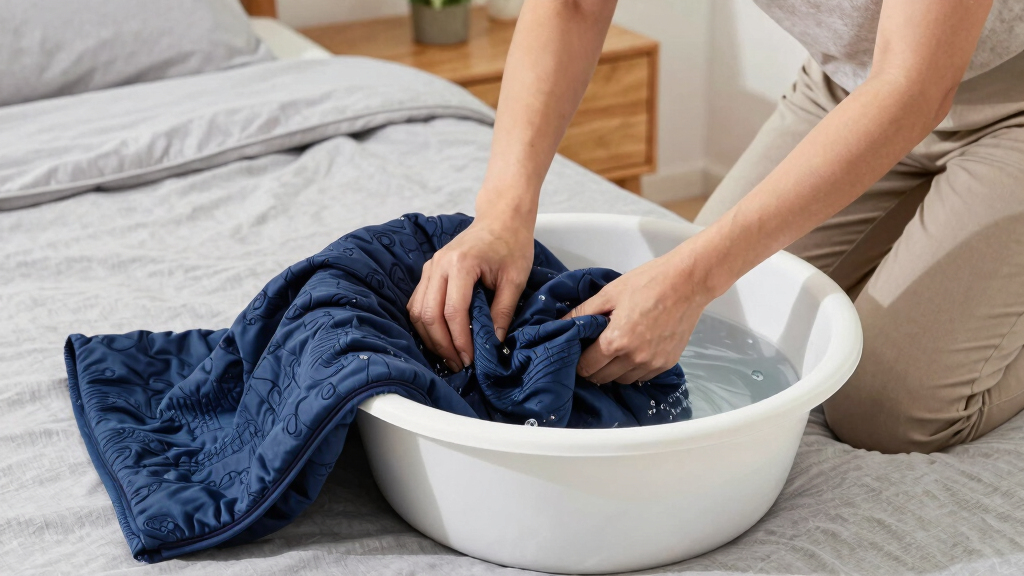
If the fabric is delicate or the label advises, hand washing is safer. Fill a bathtub with cool water, add a mild detergent, and gently swish the blanket. Rinse thoroughly to remove soap residue.
For instance, a plush minky blanket might shrink or pill if machine washed roughly. Hand washing preserves its softness and keeps it looking like new. This gentler approach minimizes the risk of damage, especially for delicate fabrics, and allows you to control the cleaning process more precisely. The tradeoff is that hand washing can be more labor-intensive and time-consuming, but it often results in a longer-lasting, better-maintained blanket.
As an affiliate, we earn on qualifying purchases.
Choose the Right Detergent to Protect Your Blanket’s Fabric
Go for mild, fragrance-free, hypoallergenic detergents. Harsh chemicals can weaken fabric fibers and damage delicate fillings like glass beads or plastic pellets. Always check the label for specific washing instructions—some brands recommend specific detergents.
Imagine washing a light-colored, plush blanket with a strong detergent—over time, it might fade or become stiff. Using gentle detergents keeps colors vibrant and fabric soft, extending the life of your blanket. Moreover, choosing the right detergent helps preserve the integrity of the filling, preventing degradation that could lead to clumping or uneven weight distribution. The tradeoff is that some gentle detergents might be more expensive or less readily available, but investing in quality cleaning products ensures your blanket remains in top condition for years.
mild fragrance-free detergent for bedding
As an affiliate, we earn on qualifying purchases.
As an affiliate, we earn on qualifying purchases.
Drying Your Weighted Blanket: Air or Tumble with Care
Air drying is the safest method—hang your blanket over a laundry rack or clothesline in a well-ventilated space. It prevents shrinkage and keeps the fabric fluffy.
If the label allows tumble drying, use low heat and add dryer balls or clean tennis balls. These help distribute the filling evenly, preventing clumping and maintaining softness.
Picture fluffing a pillow in the dryer with tennis balls—your blanket gets a similar treatment to stay evenly weighted and plush. Proper drying techniques are vital because uneven or improper drying can lead to mold growth, fabric damage, or clumping of the filling, which affects its weight distribution and comfort. The tradeoff is that air drying takes longer and requires space and patience, but it significantly extends the life of your blanket and helps maintain its original texture and weight distribution.
Spot Cleaning Stains Without Full Washes
If a spill or stain occurs, spot cleaning is your best bet. Use a damp cloth with a small amount of mild detergent—gently dab, don’t rub. For example, a coffee spill on a cotton cover can be wiped away easily before it sets.
This quick fix keeps your blanket fresh without the hassle of full washing, especially if the stain is minor or recent. Spot cleaning is effective because it targets the affected area directly, preventing the stain from setting and spreading. This method is especially useful for maintaining hygiene between full washes, reducing wear and tear on the entire blanket. The tradeoff is that aggressive or improper spot cleaning might spread the stain or damage delicate fabrics, so gentle dabbing and immediate treatment are best.
Smart Maintenance: Redistribute Filling and Use Covers to Protect
Regularly shake or redistribute the filling to prevent uneven weight and clumping. Think of it like evenly spreading toppings on a pizza—your blanket stays balanced and comfortable.
Using a removable, washable duvet cover adds a layer of protection. It’s easier to wash and keeps your blanket free from dirt, sweat, and oils. Plus, swapping covers can give your blanket a quick refresh. Redistributing the filling helps maintain uniform weight distribution, which is crucial for comfort and effectiveness. Clumping of fill can cause uneven pressure points, reducing the therapeutic benefits and comfort. Investing in a cover not only prolongs the lifespan of the blanket but also simplifies cleaning, as covers are easier to wash and replace than the entire blanket. The tradeoff is that covers need regular washing and proper fitting to prevent slipping or bunching, but they significantly ease maintenance and keep your blanket looking fresh.
The Latest in Blanket Care: New Fabrics and Features
Recent innovations include antimicrobial fabrics that resist bacteria and moisture-wicking materials that keep your blanket fresh longer. Many brands now offer removable, machine-washable covers—making maintenance a breeze.
Eco-friendly detergents and durable fillings mean your blanket stays soft and supportive for 3-5 years, even with regular cleaning. These advances let you enjoy your cozy comfort longer and with less fuss.
Frequently Asked Questions
Can I machine wash my weighted blanket?
Yes, if the care label indicates it’s safe. Use a gentle cycle with cold water and avoid overloading your machine for best results.How often should I wash my weighted blanket?
Typically every 1-3 months. More frequent washing is recommended if you share it, have pets, or notice odors or dirt buildup.What detergent is best for my weighted blanket?
Opt for mild, fragrance-free, hypoallergenic detergents. They protect fabrics and fillings from damage and maintain softness.Can I dry my weighted blanket in a dryer?
Yes, on low heat if the label permits. Use dryer balls or tennis balls to help keep the filling evenly distributed and fluffy.What if my blanket gets a stain?
Spot clean immediately with a damp cloth and mild detergent. Avoid rubbing, and rinse thoroughly to prevent residue.Conclusion
With simple steps—gentle washing, proper drying, and smart maintenance—your weighted blanket can stay plush and supportive for years. Think of it as caring for a beloved piece of sleep gear that rewards you with restful nights.
Next time you toss it into the wash, remember: a little care goes a long way. Keep it clean, keep it cozy, and enjoy those peaceful, weighted nights for many more years to come.
Halloween Picks
halloween
As an affiliate, we earn on qualifying purchases.