
TL;DR

Get wellness gear delivered free with Prime
- Fast, free delivery on millions of items
- Prime Video, Amazon Music and more included
- Member-only deals all year
Eucalyptus sheets are made from wood pulp, often using lyocell or viscose processes, while TENCEL is a specific trademarked brand of fiber. They feel cool due to smooth surfaces and moisture absorption, but performance depends heavily on weave and care. Always check the fiber content label rather than relying on marketing terms.
You pull a crisp, cool sheet over your legs on a humid July night and feel that immediate, satisfying drop in temperature. The tag says “Eucalyptus” or “TENCEL™”, and you assume they are the same thing. They are not. While both terms point toward smooth, breathable bedding, they describe completely different things: one is a plant source, the other is a branded fiber technology.
Understanding this distinction saves you from buying a sheet that feels sticky after two washes or one that doesn’t match your sleep style. This guide breaks down exactly what these fabrics are, why they feel cool, and how to spot the difference on the label. You will learn to shop with confidence, ignoring the buzzwords and focusing on what actually keeps you comfortable.
Eucalyptus refers to the wood pulp source, while TENCEL™ is a specific brand of fiber made by Lenzing.
Lyocell is generally more durable and moisture-managing than viscose, though both are smooth.
The cooling effect comes from the smooth surface and moisture absorption, not a magical temperature reduction.
Always check the fiber content label for ‘Lyocell’ or ‘Viscose’ rather than relying on ‘Eucalyptus’ alone.
Care matters: wash gently and avoid high heat to prevent shrinkage and fiber damage.
What ‘Eucalyptus Sheets’ Actually Means
“Eucalyptus sheets” is usually a marketing description, not a precise fiber specification. The sheets are generally made from lyocell or viscose (rayon) whose cellulose came from wood pulp that may include eucalyptus. You are buying a fiber derived from a tree, not a sheet woven from eucalyptus leaves.
Think of it like buying “orange juice.” The label tells you the source, but not the process. Was it squeezed fresh? Pasteurized? From concentrate? Similarly, “eucalyptus” tells you the pulp source, but it hides the manufacturing method. Some eucalyptus sheets are high-quality lyocell; others are standard viscose. The feel can vary wildly between the two.
When you check the product label, look for the actual fiber name. It should identify the material as lyocell, viscose, or rayon, along with the percentage. If the tag only says “Eucalyptus Fiber” without naming the process, you are guessing. A 100% eucalyptus lyocell sheet behaves differently than a 50% eucalyptus viscose blend. Always read the fine print to know what you are touching.
Products Worth Considering

WORX WG512 Trivac 3-in-1 Electric Leaf Blower, Vacuum, and Mulcher

Greenworks 60V Cordless Leaf Blower with 2.5Ah Battery and Rapid Charger

DEWALT 10-Inch Jobsite Table Saw with Rolling Stand (DWE7491RS)
As an affiliate, we earn on qualifying purchases.
Why TENCEL™ Is a Brand, Not a Material
TENCEL™ is a trademarked brand of fibers made by Lenzing, not a generic name for all eucalyptus-based fabric. TENCEL™ Lyocell and TENCEL™ Modal are branded fiber types. Some TENCEL™ lyocell is made from eucalyptus pulp, but the feedstock and product can vary.
Imagine TENCEL™ as a brand of engine, like Honda. You can have a Honda engine in a Civic or an Accord. Similarly, TENCEL™ fiber can be used in various sheet constructions. A sheet advertised as “eucalyptus” is not automatically TENCEL™, and a TENCEL™ product should identify which fiber it contains. The brand guarantees a specific manufacturing standard, primarily the closed-loop process used to turn wood pulp into fiber.
This distinction matters because quality control is tied to the brand. Lenzing, the maker of TENCEL™, maintains strict standards for their fiber production. If you want that specific consistency, look for the TENCEL™ logo on the packaging. If you just want a eucalyptus-derived sheet, you have more options, but you must vet the manufacturer yourself. Don’t assume every smooth sheet is a TENCEL™ product.
Lyocell vs. Viscose: The Process Changes Everything
These terms describe different manufacturing processes, and they affect how the fabric feels and lasts. Lyocell is made by dissolving cellulose in a solvent that is recovered and reused at a high rate in the established process. Lenzing describes its TENCEL™ Lyocell production as a closed-loop process.
Viscose (rayon) is also regenerated cellulose, but it uses a different chemical process. Environmental impacts vary by manufacturer, chemical management, and wastewater controls. For the sleeper, the difference often shows up in durability. Lyocell fibers are typically stronger when wet than viscose fibers. This means your sheets hold their shape better after a hot wash.
Viscose can feel incredibly soft initially, almost slippery, but it may weaken faster over time. Lyocell tends to have a slightly more structured drape and better moisture management. If you wash your sheets weekly, the strength of lyocell is a practical advantage. You aren’t just buying softness; you are buying a fiber that resists breaking down in the laundry machine.
Why These Sheets Feel Cool to the Touch
Lyocell and other smooth regenerated-cellulose fabrics are often described as cool to the touch because they have a smooth surface and good moisture handling. But “cooling” is not a guarantee that a sheet will lower body temperature or prevent night sweats. It is about heat transfer and moisture absorption.
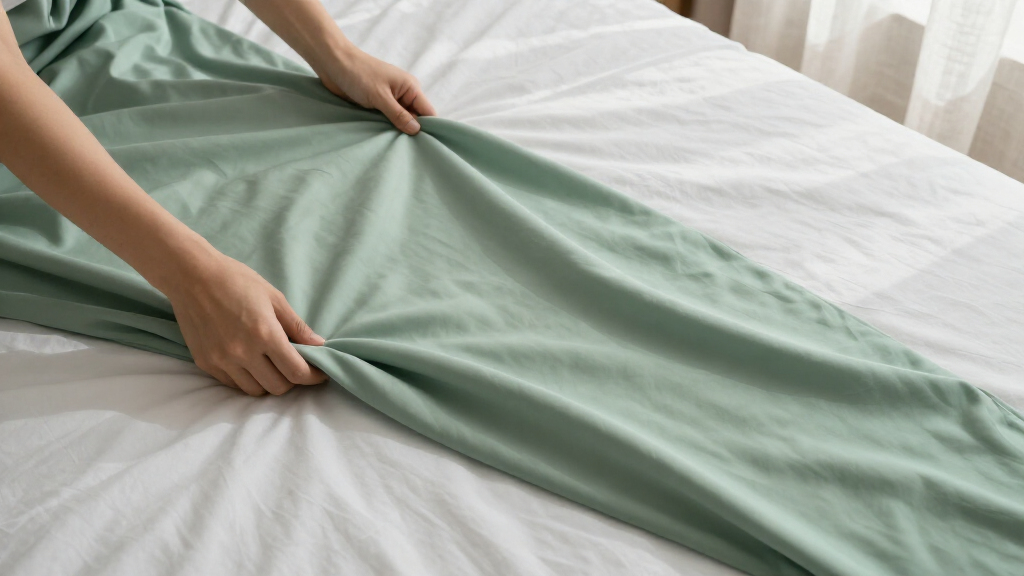
When you touch a smooth sheet, it conducts heat away from your skin faster than a rough, textured fabric. This creates that initial “cool” sensation. Additionally, these fibers absorb moisture well. If you sweat slightly, the fabric pulls that moisture away from your skin, preventing the clammy feeling that makes you feel hot. It is not magic; it is physics.
However, sleep comfort also depends on the weave. A lightweight, breathable weave may feel cooler than a heavier or denser fabric, even if both use the same fiber. A sateen weave of eucalyptus fiber might feel warmer than a percale weave of the same material because it is denser. Always consider the weave structure alongside the fiber content.
How to Shop for Cool Sheets Without Getting Fooled
Shopping for these sheets requires ignoring the front of the box and reading the back. You need to verify the fiber content, the brand, and the care requirements. Here is a simple checklist to ensure you get what you pay for.
- Check the Fiber Content: Look for “Lyocell,” “Viscose,” or “Rayon.” Avoid vague terms like “Eucalyptus Fabric” without a specific fiber name.
- Identify the Brand: If you want TENCEL™, look for the registered trademark symbol. If it just says “made from eucalyptus,” it might be a generic viscose.
- Examine the Weave: Percale is crisp and breathable; Sateen is smooth and draping. Choose based on your heat sensitivity.
- Read Care Instructions: High heat can damage these fibers. If you hate line drying, check if the brand allows low-heat tumble drying.
- Verify Certifications: Look for OEKO-TEX® or FSC® to understand sourcing and safety standards, not just “eco-friendly” claims.
This process protects you from buying a sheet that looks premium but performs poorly. For example, a sheet labeled “Luxury Eucalyptus” might be 100% viscose with a high thread count. It will feel soft, but it might shrink significantly in the dryer. A TENCEL™ Lyocell sheet with a lower thread count might last longer and feel more consistent. Trust the data on the label, not the adjectives.
Caring for Eucalyptus and TENCEL Sheets
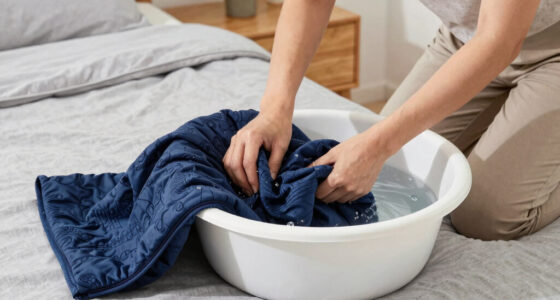
These fabrics require gentle care to maintain their smooth feel and structural integrity. Many lyocell sheets benefit from cool or warm washing, a gentle cycle, and low-heat drying or line drying. High heat, harsh bleaching, and rough handling may damage fibers or shorten a sheet’s life.
Imagine your favorite silk blouse. You wouldn’t wash it in hot water with heavy-duty detergent. Treat these sheets with similar respect. Use a mild liquid detergent and avoid fabric softeners, which can coat the fibers and reduce their moisture-wicking ability. If you use a dryer, remove the sheets while they are still slightly damp. This prevents deep wrinkles and reduces the need for ironing.
Shrinkage is a real concern with viscose and lyocell if exposed to high heat. Always check the care label first. Some blends include cotton or polyester to reduce shrinkage, but pure lyocell is sensitive. By washing gently, you preserve the smooth surface that makes the sheet feel cool in the first place. Rough handling creates micro-fibers that make the fabric feel fuzzy and warm over time.
Frequently Asked Questions
Are eucalyptus sheets the same as TENCEL sheets?
No. “Eucalyptus” usually refers to the claimed pulp source; TENCEL™ is a brand of fiber. A eucalyptus-labeled sheet may be lyocell or viscose and may or may not use TENCEL™ fiber.Are TENCEL sheets made from eucalyptus?
Some TENCEL™ Lyocell is made from eucalyptus pulp, but TENCEL™ is a brand covering more than one fiber type. Check the specific product description to see the source.Are they cooler than cotton?
They may feel cooler or smoother to some people, but there is no universal answer. Weave, weight, room conditions, and personal preference matter. Percale cotton, for example, can also feel cool and crisp.Do they prevent night sweats?
No sheet can reliably prevent night sweats, which may have many causes. A breathable, moisture-managing fabric may improve comfort, but it is not a treatment.Do they wrinkle or shrink?
They can wrinkle, and shrinkage risk depends on the fabric and care. Follow the label, avoid excessive heat, and remove sheets promptly from the dryer if the maker recommends it.Conclusion
Next time you shop for sheets, flip the package over. Ignore the leafy green graphics and the word “cooling.” Look for Lyocell or TENCEL™. Check the weave. Read the care label. You are buying a tool for sleep, and the right tool depends on your specific needs, not just the marketing story.
Comfort is personal. A crisp percale cotton might feel cooler to you than a silky eucalyptus sateen. Test the feel, understand the fiber, and wash it with care. Your best sleep starts with knowing exactly what is touching your skin.