TL;DR

Get wellness gear delivered free with Prime
- Fast, free delivery on millions of items
- Prime Video, Amazon Music and more included
- Member-only deals all year
A well-chosen topper can soften a firm mattress without sinking excessively. The key is selecting high-quality, supportive materials like dense memory foam or latex at the right thickness—usually 1-2 inches. Innovations in temperature regulation and hybrid designs enhance comfort and durability.
Ever slip onto a mattress that feels like a concrete slab? You’re not alone. Many people love a firm mattress but crave a softer, more inviting surface. Luckily, a thoughtfully chosen topper can turn that unyielding surface into a plush, supportive cloud—without the dreaded sinking feeling that throws your spine out of alignment.
This guide dives into how you can soften your firm mattress smartly. We’ll explore the best materials, recent innovations, and practical tips so you wake up refreshed and pain-free, not stuck in a sinking mess.
Choose a 1-2 inch thick topper made from high-density memory foam or natural latex for the best balance of softness and support.
Avoid overly thick toppers (>2 inches) to prevent sinking and potential spinal misalignment.
Look for newer materials like gel-infused foam or hybrid designs to improve temperature regulation and durability.
Prioritize quality and support, especially if you’re a back or side sleeper craving plushness without sinking.
Regularly care for your topper by following manufacturer instructions to extend its lifespan and maintain comfort.
How to Soften a Firm Mattress Without Turning It Into a Sinking Pit
To soften your firm mattress without sinking, focus on choosing the right topper thickness and material. Typically, 1-2 inches of supportive foam or latex does the trick. Thicker toppers tend to cause more sinking, which can misalign your spine and lead to discomfort.
Imagine sleeping on a cozy cloud that still holds you up. That’s achievable with the right support system—like a high-density memory foam or resilient latex topper. These materials mold to your body but bounce back quickly, preventing that sinking feeling.
Here’s a quick step-by-step:
- Select a topper with a thickness of 1-2 inches.
- Opt for high-density memory foam or natural latex for durability and support.
- Ensure the topper has good breathability to prevent heat buildup.
- Test the topper on your mattress, checking for support and comfort.
- Adjust with a mattress protector or pad if needed for extra softness or support.
1 inch memory foam mattress topper
As an affiliate, we earn on qualifying purchases.
As an affiliate, we earn on qualifying purchases.
Memory Foam vs. Latex Toppers: Which Softens Without Sinking?
| Feature | Memory Foam Toppers | Latex Toppers |
|---|---|---|
| Support | Conforms closely, can sink if too soft | Resilient, bounces back quickly, less sinking |
| Softening Effect | Adjusts to body shape, customizable firmness | Offers a gentle, natural softness |
| Durability | Lasts 3-5 years, quality varies | Often lasts longer, 5-10 years with good care |
| Breathability | Can trap heat, but newer models ventilate well | Highly breathable, stays cooler |
Memory foam tends to mold deeply, which can cause sinking if it’s too soft or low-density. Latex provides a springy, supportive feel that softens the surface without letting you sink in too much. If your goal is a plush feel that still supports your spine, latex often wins.
Choosing between these materials involves understanding the tradeoffs: memory foam offers a more contouring, personalized feel but risks excessive sinking if not high-density. Latex, on the other hand, provides a bouncier, more resilient surface that helps maintain proper spinal alignment. Your choice should align with your sleep preferences and support needs, considering how each material responds to pressure and movement over time.
As an affiliate, we earn on qualifying purchases.
Latest Innovations Making Softening Easier and Better
New materials and designs are helping soften firm mattresses more effectively, without the dreaded sinking. Gel-infused memory foam introduces cooling properties while maintaining support. Hybrid toppers combine foam with latex or coils for a balanced feel.
Phase-change materials help regulate temperature, preventing overheating during the night. Eco-friendly options like organic latex and sustainably sourced fibers are growing in popularity, offering support and softness with a smaller environmental footprint.
Imagine a topper that adapts to your body movements, responding dynamically to your sleep position. These innovations mean you get consistent support and comfort—no matter how restless your sleep gets.
These advancements also address common tradeoffs: for example, gel-infused memory foam enhances cooling but may slightly reduce support if not formulated properly. Hybrid designs combine the best features of different materials, balancing softness, support, and durability. Understanding these innovations helps you select a topper that adapts to your specific needs, improving sleep quality and longevity of your mattress setup.
As an affiliate, we earn on qualifying purchases.
Key Facts to Know Before Buying Your Softening Topper
Choosing the right topper isn’t just about softness. Density, thickness, and material quality matter. Generally, 1-2 inches of high-density foam (4-5 lbs per cubic foot) adds softening without sinking too much. Thicker toppers (>2 inches) tend to cause more sinking and reduce support.
Support and durability go hand in hand. Quality toppers often last 3-5 years, while cheaper options may degrade faster. Compatibility is also key; most toppers work well on innerspring, memory foam, or hybrid mattresses.
Think about your sleep style. Back sleepers need support, while side sleepers may prefer a softer surface. The goal: softer surface, but still enough support to keep your spine aligned.
Additionally, consider the implications of material choices: lower-density foams might feel initial softness but tend to sag or break down faster, compromising both support and comfort over time. High-density materials, while often more expensive upfront, maintain their supportive properties longer, preventing the sinking that can cause misalignment or discomfort. The tradeoff is often between cost and longevity, so investing in quality can pay off in better sleep and fewer replacements.
supportive mattress topper for firm mattress
As an affiliate, we earn on qualifying purchases.
As an affiliate, we earn on qualifying purchases.
Your Top Questions About Softening a Firm Mattress Answered
Q: How do I pick a topper that softens my mattress but doesn’t cause sinking? Look for high-density foam or natural latex, 1-2 inches thick. These materials add plushness while maintaining support.
Q: Will a topper make my mattress sag? Only if it’s too thick or made from low-quality material. Use supportive, high-density options for a balanced feel.
Q: What materials are best for support and softness? High-density memory foam, natural latex, or hybrid combinations excel at softening without sinking.
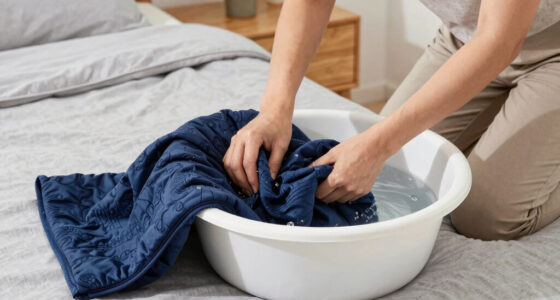
Q: How should I care for my topper? Follow manufacturer instructions. Usually, spot cleaning and airing out keep it fresh and supportive.
Q: Are natural or hypoallergenic options available? Yes. Organic latex and certain wool or cotton covers are hypoallergenic, suitable for sensitive sleepers.
Q: Can toppers help with back pain or temperature control? Yes. Specific features like gel-infused foam or ergonomic design can improve support and keep you cool.
Understanding these factors allows you to select a topper that not only softens your mattress but also enhances overall sleep quality by addressing support and health considerations.
Frequently Asked Questions
Can a topper turn my firm mattress into a soft cloud?
A topper can add plushness and comfort, but it won’t turn your mattress into a cloud. It’s about finding the right balance between softness and support to suit your sleep style.How long does a good topper last?
High-quality toppers, especially those made from dense foam or latex, typically last 3-5 years with proper care. Cheaper options may wear out sooner.Is natural latex better than memory foam for softening?
Natural latex offers a resilient, bouncy feel that softens without sinking, making it ideal for support and durability. Memory foam molds more closely but can cause sinking if not high-density.What’s the best way to test a topper in-store?
Lie down on it for a few minutes, checking how well it molds to your body and whether it supports your spine. Preferably, test with your typical sleep position.Are there eco-friendly topper options that soften without sinking?
Yes. Organic latex and sustainably sourced natural fibers are eco-friendly choices that provide support and plushness without excessive sinking.Conclusion
Softening a firm mattress doesn’t mean sacrificing support. With the right topper—preferably high-density foam or resilient latex—you can enjoy a plush surface that still keeps your spine happy.
Think of your sleep surface as a carefully balanced equation—just enough softness, just enough support. When you find that sweet spot, every morning feels a bit brighter, a bit more refreshed.
Halloween Picks
halloween
As an affiliate, we earn on qualifying purchases.