TL;DR

Get wellness gear delivered free with Prime
- Fast, free delivery on millions of items
- Prime Video, Amazon Music and more included
- Member-only deals all year
A single duvet rarely satisfies mismatched sleepers. Separate duvets, split-weight options, and layered personal blankets are key to comfort. Modern tech can help, but simple adjustments often work best.
Sharing a bed means sharing comfort — but not always the same temperature. One partner sweats through the night, while the other shivers in the cold. That mismatch can turn sleep into a tug-of-war. So, how do you find bedding that works for both?
In this guide, you’ll learn how bedding weight, materials, and clever setups can make a real difference. No fluff, just practical tips to help you sleep better, no matter your temperature needs.
Bedding weight and warmth aren’t the same—choose based on insulation and moisture management, not just heaviness.
Separate duvets or layered personal blankets often provide the best comfort for mismatched sleep temperatures.
Materials like linen and percale help hot sleepers stay cool, while loftier wool and high-quality down warm cold sleepers effectively.
Adjusting tog ratings and adding breathable mattress accessories can make a noticeable difference.
Simple solutions often outperform high-tech options, especially when paired with room and sleepwear adjustments.
What Bedding Weight Suits a Hot Sleeper and a Cold Partner?
The answer is rarely one compromise duvet. Comfort improves when warmth, airflow and moisture control can be adjusted independently on each side of the bed.
Each sleeper chooses the warmth, material and weight that suits their body.
Physical heaviness and thermal insulation measure different things.
Heavy does not always mean warm
Bedding can feel substantial without holding much heat—or feel almost weightless while insulating exceptionally well. Compare insulation, loft, weave and moisture behaviour before relying on grams alone.
Measures insulation
A higher tog retains more heat. It describes thermal performance, not physical weight.
Measures material mass
Useful within similar constructions, but unreliable for comparing warmth across cotton, wool and down.
Measures down loft
Higher-fill-power down traps more air efficiently, delivering substantial warmth with less weight.
Four ways to stop the nightly tug-of-war
The most flexible choices separate each sleeper’s microclimate. Streamlined shared solutions look tidy, but they usually offer less precise control.
Which setup fits your priorities?
Start with the simplest arrangement that gives both sleepers meaningful control. Upgrade only when room climate, health factors or persistent night sweats demand finer adjustment.
| Setup | Personal control | Budget | Bed appearance | Night adjustment |
|---|---|---|---|---|
| Separate duvets | ✓Excellent | ~Moderate | ~Two-duvet look | ✓Very easy |
| Dual-tog duvet | ~Good | ~Moderate | ✓One-piece finish | ~Limited |
| Light duvet + layers | ✓Very good | ✓Low | ✓Easy to style | ✓Easy |
| Active temperature system | ✓Precise | ×High | ~Mostly hidden | ✓Automatic |
Build two different microclimates
Material labels are only the beginning. Weave, thickness, loft, construction and airflow determine whether a fabric releases heat or traps it.
Release heat + moisture
Choose crisp, breathable surfaces and lightly constructed fills.
- LinenAiry
- Cotton percaleCrisp
- HempBreathable
- SilkLight
- Lightweight woolRegulating
Trap still air + warmth
Choose lofty insulation and softly brushed surfaces.
- High-quality downLofty
- Lofty woolInsulating
- Down alternativeWarm
- Cotton flannelBrushed
- FleeceHeat trapping
Check construction, not just fibre. Loosely woven linen can feel far cooler than dense cotton sateen, while lightweight wool can regulate temperature better than its warm reputation suggests.
Match insulation to the room
Tog guidance is approximate. Bedroom temperature, sleepwear, physiology and mattress construction can shift the right choice in either direction.
Warm rooms, summer conditions and many hot sleepers.
Moderate bedrooms and changeable transitional seasons.
Colder rooms or sleepers who consistently struggle to stay warm.
The mattress may be holding the heat
Warmth rises from below as well as collecting above. Before replacing all your bedding, audit the layers directly beneath the sleeper.
Dense, sealed layers
Thick memory foam, impermeable protectors and dense synthetic toppers can restrict airflow and keep perspiration close to the skin.
Ventilated, quick-drying layers
Natural latex, coil systems, breathable pads and permeable protectors can help heat and moisture move away more freely.
Dry skin feels more comfortable
Moisture-wicking sheets, breathable sleepwear and quick-drying covers reduce clamminess and temperature-related awakenings.
Add warmth locally
Use several light layers, a personal wool blanket or a localized warmer so the cold partner gains insulation without heating the entire bed.
Diagnose before you buy
Check the room
Note temperature, humidity and seasonal changes.
Audit the mattress
Find foam, toppers or protectors that restrict airflow.
Start breathable
Use a light base layer that keeps the hot sleeper comfortable.
Add personal warmth
Give the cold partner loft, layers or localized heat.
Adjust one variable
Test tog, fabric or underlayers separately to find the cause.
Choose independent warmth: separate duvets are the strongest all-round solution, while a light shared duvet plus a personal blanket is the best simple alternative.
Why Bedding Weight Matters More Than You Think
Bedding weight isn’t just about how heavy it feels. It influences how heat moves and stays close to your body. For hot sleepers, a lightweight, breathable duvet feels like a cool breeze. For the cold partner, a heavier, loftier fill traps more air and warmth.
For example, a lightweight linen duvet might weigh just 300 GSM, yet keep you cool because it wicks moisture and breathes. Meanwhile, a thick down duvet with a fill weight of 700 grams can feel bulky but keeps a cold sleeper cozy.
Remember: heavier doesn’t always mean warmer. It’s about how the fill insulates and manages moisture. A cotton blanket might feel weighty but isn’t as insulating as a lofty wool quilt.
Choosing the right weight involves understanding the tradeoff between insulation and breathability. Heavier duvets tend to trap more heat but can also restrict airflow, which might lead to overheating if not made from breathable materials. Conversely, lighter options excel in moisture-wicking but may lack sufficient insulation for colder nights. Recognizing this balance helps you select bedding that aligns with your specific comfort needs and room conditions.
As an affiliate, we earn on qualifying purchases.
How to Pick Bedding for a Hot Sleeper and a Cold Partner
- Use separate duvets. Each person picks their perfect weight and material. It’s the simplest, most flexible fix. Think of it as the Scandinavian secret—two thin duvets on one bed, each tailored to individual needs.
- Try a split or dual-tog duvet. One duvet with a lighter side and a warmer side. It looks like one piece but offers two temperature zones. Less flexible than separate duvets but more streamlined.
- Layer with personal blankets. Use a lightweight duvet for the hot sleeper, then add a blanket or throw for the cold partner. This way, each adjusts their comfort without disturbing the other.
- Explore active temperature control systems. Modern mattress pads or air-based cooling/heating systems can target each side independently. They work well but cost more and might change the feel of your bed.
Each approach offers a way to customize comfort, but understanding the implications can help you choose the best for your situation. Separate duvets provide maximum flexibility but require more bedding. Dual-tog duvets simplify the setup but may lack the precise control some need. Layered blankets are adaptable but require active adjustment. Tech solutions can offer tailored control but come with higher costs and maintenance. Evaluating your sleep habits, room climate, and budget will guide you to the most effective choice.
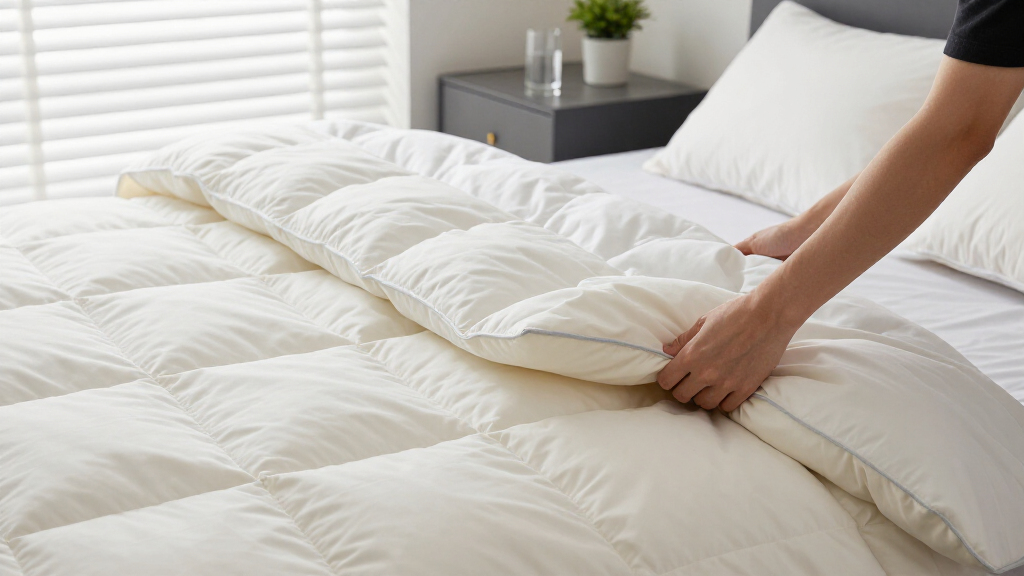
lightweight cooling duvet for hot sleepers
As an affiliate, we earn on qualifying purchases.
As an affiliate, we earn on qualifying purchases.
Materials Matter: What Works for Hot and Cold Sleepers
For hot sleepers, breathable fabrics like linen, cotton percale, hemp, silk, and lightweight wool are your allies. They wick moisture and allow heat to escape. Imagine slipping into cool, crisp sheets on a summer night—that’s what these fabrics deliver.
Cold sleepers benefit from loftier, insulating materials. High-quality down, lofty wool, and brushed fabrics like flannel or fleece trap still air and provide cozy warmth. Think of a thick wool blanket wrapping you in a gentle hug.
But beware: material labels alone don’t tell the full story. The weave, thickness, and construction matter. A loosely woven linen sheet feels cooler than a dense sateen cotton, even if both say “summer weight.”
Understanding the properties of different fabrics helps you select bedding that enhances your natural thermoregulation. For hot sleepers, fabrics that promote airflow and moisture-wicking prevent overheating and night sweats. For cold sleepers, insulating and lofted materials retain body heat, creating a barrier against the chill. The tradeoff lies in balancing breathability with warmth, so choosing the right weave and thickness is key to achieving the desired comfort level.
warm down comforter for cold sleepers
As an affiliate, we earn on qualifying purchases.
As an affiliate, we earn on qualifying purchases.
Matching Tog Ratings to Your Bedroom Climate
Choosing the right tog depends on your room temperature and personal preference. For a hot sleeper in a warm climate, a duvet in the 2.5–4.5 tog range feels just right—light and airy. Meanwhile, colder rooms or cold sleepers might prefer 12–13.5 tog for cozy insulation.
In transitional seasons, a 7.5–10.5 tog duvet offers versatility. Think of it as a middle ground—warm enough for chilly nights but breathable enough to prevent overheating.
Remember, tog ratings are most common in the UK and Europe. North American bedding often emphasizes fill type and weight. Use these guidelines as a starting point, but trust your comfort above all. The real implication is that selecting a tog isn’t just about the number—it’s about understanding how that level of insulation interacts with your room’s ambient temperature and your personal warmth needs. A duvet that’s too warm can cause night sweats, while one that’s too cool may leave you shivering. Experimenting with different tog levels based on your environment ensures better sleep quality and comfort.
As an affiliate, we earn on qualifying purchases.
Your Mattress Can Help or Hinder Your Comfort
A mattress isn’t just a foundation; it can influence how hot or cold you feel during sleep. Thick memory foam and dense toppers trap heat, making hot sleepers sweat through the night. Conversely, breathable mattresses with natural latex or coil systems promote airflow.
For example, a gel-infused memory foam mattress may claim to cool, but if it’s covered by a waterproof protector and dense topper, your body’s heat can’t escape. A well-ventilated mattress with a breathable cover makes a noticeable difference.
Adjusting your mattress setup—like adding a breathable mattress pad—can sometimes be the easiest way to improve comfort without changing bedding entirely. The mattress acts as the base for your sleep environment, so selecting one with appropriate materials and ventilation features can significantly influence your temperature regulation and overall comfort.
Moisture Control: The Unsung Hero of Night Comfort
Hot sleepers often battle perspiration, which makes bedding feel clammy and uncomfortable. Managing moisture is just as important as temperature control. Breathable sheets, moisture-wicking pajamas, and quick-drying covers can make a huge difference.
Imagine slipping into cool, moisture-wicking sheets after a hot day—your skin stays dry and comfortable. For the cold partner, layering with a moisture-absorbing blanket can keep warmth consistent without trapping sweat.
Good moisture management reduces night awakenings and keeps both partners feeling fresh, even if the room’s temperature isn’t perfectly balanced. The key is choosing bedding and sleepwear that actively move moisture away from the skin, preventing dampness that can lead to discomfort or disrupted sleep. This not only enhances comfort but also helps maintain optimal body temperature, especially in environments where sweating or dryness is an issue.
Latest Trends: Tech and Innovations in Sleep Comfort
New bedding and tech are making it easier to customize sleep environments. Split duvets with removable inserts, dual-zone smart mattresses, and phase-change fabrics are becoming more popular. They aim to give each partner independent control over warmth and coolness.
For example, some mattresses now have built-in cooling and heating zones, adjusting automatically based on sleep data. Phase-change materials in sheets absorb excess heat and release it slowly, providing a temp buffer.
While these innovations can be effective, simple solutions like layered bedding and separate duvets often deliver the best comfort at a fraction of the cost and complexity. The key takeaway is that technology offers options, but understanding your personal preferences and room conditions can often lead to more straightforward, reliable solutions.
Practical Tips for Perfectly Balanced Bedding
- Use lightweight, breathable sheets for hot sleepers—think linen or percale.
- Opt for a heavier, loftier duvet for the cold partner—down or wool work well.
- Layer with personal blankets—fleece throws or heated pads—so each person can adjust.
- Consider separate duvets or dual-tog options for maximum flexibility.
- If tech appeals, try dual-zone mattress pads or smart climate-controlled beds.
Remember, the goal is to create a setup where neither partner feels too hot or too cold. Small adjustments can transform your sleep experience.
When to Upgrade Your Bedding Setup
If night sweats or persistent coldness disrupt sleep, it’s time to reconsider. The easiest fix is swapping out heavy, non-breathable duvets for lighter, more breathable options. Add personal layers or adjust room temperature first—then consider more advanced tech if needed.
For example, a hot sleeper might switch from a 13.5 tog duvet to a 4.5 tog, then layer with a light blanket for the cold partner. If that’s still not enough, dual-zone cooling or heating systems can be worth exploring.
Always match your bedding to your room’s climate, sleepwear, and personal comfort preferences. Recognizing when your current setup no longer meets your needs is crucial for maintaining restful sleep and avoiding frustration or discomfort.
Frequently Asked Questions
Is bedding weight the same as tog rating?
No, bedding weight measures how heavy a duvet feels, while tog rating indicates how much insulation it provides. A lightweight duvet can still be warm if it has high-quality fill or loft.
What tog should a hot sleeper use?
A hot sleeper generally prefers a duvet in the 2.5–4.5 tog range, which feels light and breathable, especially in warmer climates or well-ventilated rooms.
Can couples put two single duvets on a king-size bed?
Yes. Using two separate duvets allows each person to choose their preferred warmth and material, reducing conflicts and improving sleep quality.
Do dual-tog duvets genuinely keep each partner comfortable?
They can, but effectiveness depends on the quality of the split duvet. For the best results, separate bedding or layered personal blankets often work better for mismatched temperatures.
Is down hotter than wool or synthetic fill?
Not necessarily. High-quality down provides excellent insulation with less weight, but wool and synthetic fills can also trap heat effectively. The key is how the material is used and layered.
Conclusion
Comfort in shared sleep isn’t about finding one perfect duvet. It’s about smart layers, thoughtful materials, and a little flexibility. Whether you’re a hot sleeper, a cold partner, or both, a tailored setup makes all the difference.
Remember: small changes—separate duvets, personal blankets, breathable layers—can turn restless nights into restful mornings. Sleep well, and wake up ready for whatever comes.
Halloween Picks
halloween
As an affiliate, we earn on qualifying purchases.