
TL;DR
Listen free for 30 days with Audible
Thousands of audiobooks and originals — cancel anytime.
Start your free trialAs an affiliate, we earn on qualifying purchases.
Tiny noises like ticking clocks and dripping taps can disrupt sleep and focus. Combining sound masking with fixing the source often yields the best results, making your environment calmer and more peaceful.
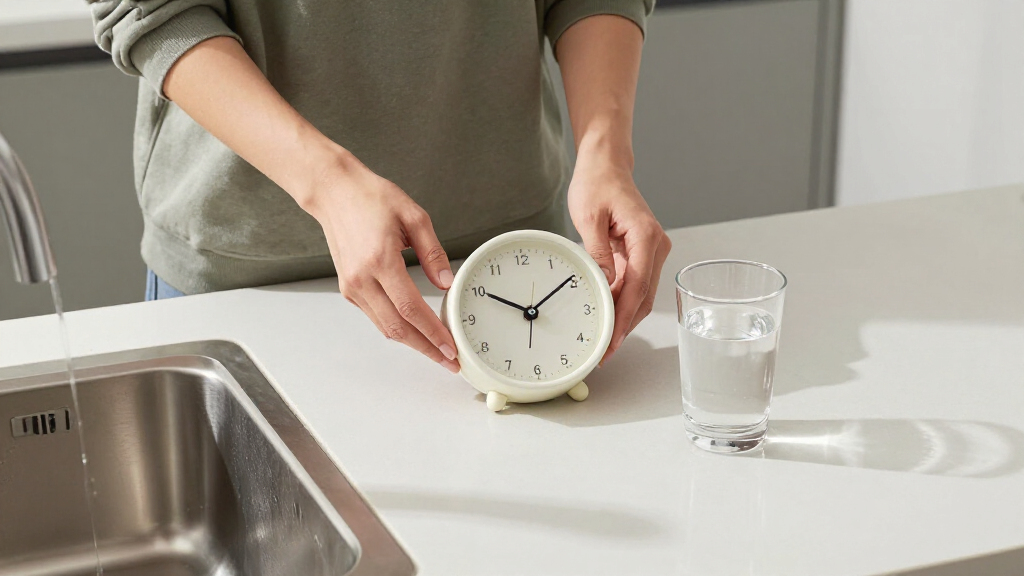
Imagine trying to fall asleep, but a faint ticking clock echoes in the background. Or you’re working, and a tiny drip from the faucet keeps distracting you. These subtle noises often fly under the radar but can have a real effect on your peace of mind and rest.
In this guide, you’ll learn how to tame those tiny disturbances—whether by masking them with soothing sounds or addressing their source. You’ll discover practical tips, the latest tech, and simple tweaks to make your environment more tranquil.
Small, consistent noises can significantly disrupt sleep and concentration, especially in quiet environments.
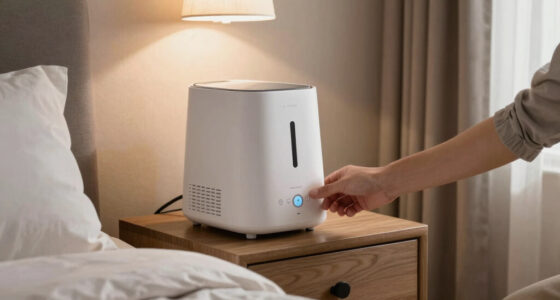
Sound masking—using white noise, nature sounds, or music—is a highly effective way to drown out tiny household disturbances.
Addressing the source of the noise (like fixing a tap or silencing a clock) often provides a more lasting solution than masking alone.
Personalize your environment by experimenting with different sounds and setups to find what best calms your space.
Simple environmental tweaks, like adding rugs or rearranging furniture, can greatly reduce noise impact.
What Makes Tiny Noises So Hard to Ignore?
Small sounds like ticking clocks, dripping taps, and distant chatter may seem minor, but they can become persistent irritants. Your brain perceives these noises as potential threats or disturbances, especially in quiet settings, making it hard to relax or sleep.
Understanding why these noises are so intrusive is crucial. Our brains are wired to detect irregular or repetitive sounds because historically, such cues could signal danger or important changes in our environment. For instance, rhythmic ticking or dripping sounds create predictable patterns that can become ingrained in your subconscious, making them harder to ignore. This heightened sensitivity can lead to increased stress or difficulty falling asleep, especially if these noises persist over time. Recognizing this helps you appreciate why a simple ticking clock or dripping tap can feel so disruptive—it’s not just about volume but about how your brain interprets these cues and their potential implications for safety or stability.
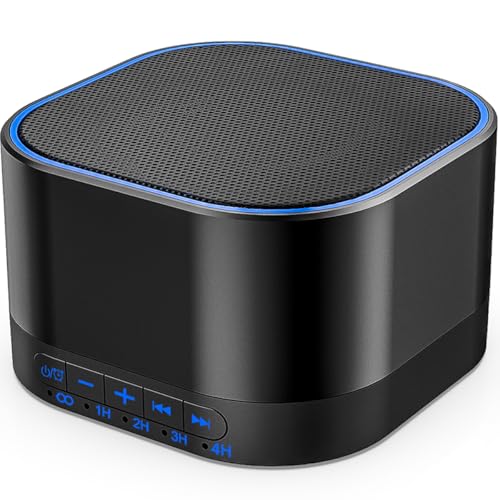
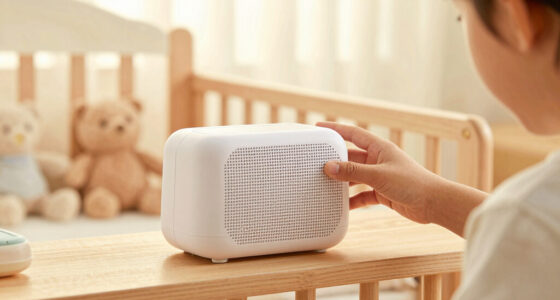
Magicteam Sound White Noise Machine with 20 Non Looping Natural Soothing Sounds and Memory Function 32 Levels of Volume Powered by AC or USB and Sleep Sound Timer Therapy for Baby Kids Adults
- 20 Non-Looping Soothing Sounds: Includes white, brown, pink, blue noise, and nature sounds
- Adjustable Volume and Timer: 32 volume levels and multiple timer options
- Portable and Compact Design: Small size for home, office, or travel
As an affiliate, we earn on qualifying purchases.
As an affiliate, we earn on qualifying purchases.
How to Mask Small Noises Without Losing Your Mind
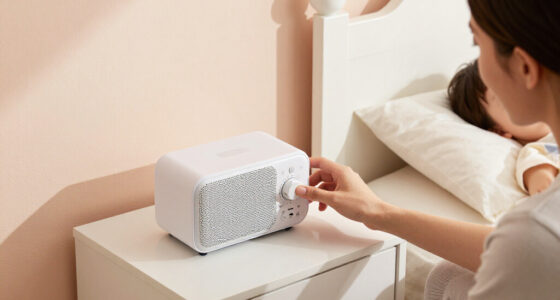
- Use white noise or pink noise machines. These broad-spectrum sounds can drown out tiny noises, creating a consistent background that your brain perceives as neutral. The advantage here is that they can effectively cover a wide range of frequencies, including those of ticking clocks or dripping taps, without drawing attention to any specific sound. However, choosing the right volume is vital; too loud can cause discomfort or interfere with sleep, while too soft may be ineffective. Experimentation is key to finding that sweet spot where masking sounds blend seamlessly into your environment.
- Play nature sounds like rain, ocean waves, or forest ambiance. These sounds are not only soothing but also inherently unpredictable, which can help prevent your brain from latch onto specific intrusive noises. The natural variability in these sounds can make masking more effective, but they also come with tradeoffs—some people might find certain nature recordings distracting or too stimulating, especially if they contain sudden loud elements. Therefore, selecting high-quality, looped recordings at a gentle volume is crucial for optimal masking without unintended arousal.
- Try background music or podcasts tuned to a low volume. The key is to choose tracks with consistent tones and avoid sudden changes that could distract you. While music can be a powerful masking tool, it also risks engaging your attention if it’s too dynamic or emotionally stimulating. The tradeoff here is balancing enough consistency to block out distractions without creating a new one—so opt for ambient, instrumental, or minimalist playlists tailored for relaxation or focus.
- Adjust your environment. Use rugs, curtains, or foam panels to absorb sound, especially if the noise comes from within your home. These physical modifications can reduce the overall sound intensity, making masking easier and more effective. However, they also have implications for your space’s acoustics and aesthetics—overdoing soundproofing might make your environment feel less open or inviting. The goal is to find a practical balance that minimizes intrusive noises without compromising comfort or style.
For instance, a person working in a noisy apartment found that a dedicated sound machine drastically improved focus by covering the tap drip and street noise. But they also learned that combining environmental adjustments, like adding a thick curtain and repositioning their desk, enhanced the overall effect, illustrating how layered strategies can produce the best results.
Magicteam Sound White Noise Machine with 20 Non Looping Natural Soothing Sounds and Memory Function 32 Levels of Volume Powered by AC or USB and Sleep Sound Timer Therapy for Baby Kids Adults
- 20 Non-Looping Soothing Sounds: Includes white, brown, pink, blue noise, and nature sounds
- Adjustable Volume and Timer: 32 volume levels and multiple timer options
- Portable and Compact Design: Small size for home, office, or travel
As an affiliate, we earn on qualifying purchases.
As an affiliate, we earn on qualifying purchases.
Compare Sound Masking Options: What Works Best?
| Feature | White Noise Machine | Nature Sound App | Music Playlist |
|---|---|---|---|
| Ease of use | Plug-and-play, simple controls | Requires a device and app setup | Playlists on your device or streaming service |
| Sound variety | Multiple options, adjustable volume | Wide range of natural sounds | |
| Personalization | Limited, but some allow tone adjustments | Fully customizable soundscape |
Choosing the right masking option depends on your specific environment and preferences. For example, a dedicated white noise machine provides a straightforward, consistent soundscape that is easy to control. Conversely, apps with nature sounds or customizable playlists offer greater variety and flexibility, allowing you to tailor your auditory environment. However, more options also mean a learning curve and potential distractions if not selected carefully. The key is to weigh simplicity against customization to find the solution that best fits your lifestyle and noise profile.
Magicteam Sound White Noise Machine with 20 Non Looping Natural Soothing Sounds and Memory Function 32 Levels of Volume Powered by AC or USB and Sleep Sound Timer Therapy for Baby Kids Adults
- 20 Non-Looping Soothing Sounds: Includes white, brown, pink, blue noise, and nature sounds
- Adjustable Volume and Timer: 32 volume levels and multiple timer options
- Portable and Compact Design: Small size for home, office, or travel
As an affiliate, we earn on qualifying purchases.
As an affiliate, we earn on qualifying purchases.
Fixing the Source of Tiny Noises: When and How to Do It
Sometimes, masking isn’t enough. Addressing the root cause can be more effective because it eliminates the disturbance at its origin, reducing the need for continuous masking and creating a more permanent solution. If a dripping tap or ticking clock is a constant annoyance, consider these steps:
- Identify the source. Is it a loose faucet, a faulty clock, or something else? Recognizing the specific cause helps determine the most effective repair method and prevents unnecessary replacements.
- Stop or repair the noise. Tighten, replace, or silence the offending item. Repairing or removing the source often provides the most lasting relief, but it may involve costs or effort upfront. The tradeoff here is between immediate convenience and long-term peace of mind.
- Enhance insulation. Use weatherstripping around windows or add rugs to absorb sound. While insulation can significantly reduce noise transmission, it may also alter the acoustics of your space, potentially making it feel more enclosed or less lively. Weighing these effects helps you decide the best approach.
- Rearrange furniture. Place large pieces like bookshelves or couches against noisy walls. This simple step can be surprisingly effective, but it might require rearranging your entire room layout, which could impact your aesthetic or functional preferences. Balancing sound reduction with your design goals is essential.
For example, a homeowner fixed a noisy tap and added thick curtains, which together reduced overall noise levels by nearly 40%, significantly improving sleep quality and daytime focus. This layered approach demonstrates how combining direct repairs with environmental modifications can maximize noise reduction.
As an affiliate, we earn on qualifying purchases.
Why Tiny Noises Can Still Ruin Your Sleep (And How to Stop Them)
Even faint noises can wake or disturb light sleepers. A ticking clock at 60 beats per minute might seem harmless, but it can disrupt the transition into deeper sleep stages, especially REM sleep, which is crucial for restorative rest. Such interruptions can lead to increased sleep fragmentation, resulting in feeling less rested even after a full night.
According to sleep research, small, consistent sounds can decrease sleep efficiency by up to 20%, meaning your sleep becomes lighter and less restorative. Masking these noises with calming sounds helps maintain a steady environment, allowing your brain to remain in deeper sleep cycles longer. The implications are significant: improved sleep quality can enhance mood, cognitive function, and overall health. The tradeoff is that some masking sounds might cause minor discomfort or require fine-tuning to find the most effective volume and type of sound for your specific needs. Experimentation is essential to strike the right balance between masking and comfort.
Remember, the goal isn’t complete silence but a consistent, soothing background that minimizes the brain’s tendency to react to small disturbances. This approach supports healthier sleep patterns and better daytime functioning.
Personalize Your Noise Environment for Better Results
Everyone’s sensitivity to tiny noises varies, and understanding your personal threshold can dramatically improve your masking strategy. Some individuals find that a soft rain sound effectively masks disturbances, while others prefer gentle ocean waves or ambient music. Tailoring your soundscape ensures that masking is both effective and comfortable, reducing the likelihood of arousal or distraction from the masking sounds themselves.
Start by experimenting with different sounds for a few nights, noting which ones help you fall asleep faster or stay asleep longer. Adjust volume levels so the masking sound is perceptible but not overpowering—too loud can become a new source of disturbance, while too soft may be ineffective. Combining masking sounds with environmental tweaks, like room layout adjustments or soundproofing, can amplify the benefits. Personalization is key because what works for one person might not work for another, and fine-tuning your environment can lead to more restful sleep and improved concentration during the day.
For instance, a shift worker used a combination of pink noise and earplugs to block out a ticking clock and outside traffic, leading to more restful sleep during the day. This tailored approach underscores the importance of customizing your environment based on your unique sensitivities and lifestyle.
Quick Tips to Keep Tiny Noises from Taking Over Your Day
- Regularly check and fix household noises—tighten leaky faucets, replace old clocks. Addressing these issues prevents small problems from becoming persistent sources of disturbance, which can accumulate and impact your daily comfort and focus.
- Use rugs, curtains, and soft furnishings to absorb sound. These additions don’t just muffle noise—they also improve room acoustics, making spaces more inviting and less echo-prone. However, excessive soft furnishings might dampen natural sound cues, so balance is key.
- Place noisy appliances away from your favorite quiet spots. Strategic placement reduces the overall soundscape, but it may require rearranging your space, which could affect your aesthetic or functional preferences.
- Set your smartphone with a custom soundscape in the background. This portable solution offers flexibility, but reliance on devices means you need to ensure they’re charged and functioning properly. Combining this with environmental adjustments creates a layered, more resilient noise mitigation strategy.
Small adjustments, like moving your desk away from a noisy window or adding a bookshelf against a wall, can make a noticeable difference. Each tweak contributes to a calmer environment, reducing the cumulative impact of tiny noises on your daily life and sleep.
Frequently Asked Questions
What’s the best way to mask a ticking clock in my bedroom?
Using a dedicated white noise machine or a nature sound app set to a gentle volume can effectively cover the ticking. Placing the clock farther away or in a drawer also helps reduce its impact.How do I get rid of a dripping tap that keeps me awake?
Tighten or replace the washer, or install a new faucet cartridge. Meanwhile, a white noise machine can mask the dripping until you fix the issue.Can I use earbuds or earplugs for tiny noises?
Yes, but choose comfortable, well-fitting options. Earplugs can block out noise effectively but may cause discomfort over long periods. Combining them with masking sounds often yields the best results.Are constant white noise sounds safe for long-term use?
For most, moderate-volume white noise is safe, but prolonged exposure at high volumes can cause ear fatigue. Use a comfortable volume level and take breaks when needed.What’s more effective: masking or fixing the source of the noise?
Fixing the source usually provides a more permanent solution, but masking is a quick, effective way to reduce disturbance while you work on repairs.Conclusion
Don’t underestimate the power of tiny noises to disturb your peace. Combining smart masking with fixing the noise source creates a calmer, more restful environment.
Imagine slipping into bed, surrounded by a gentle swirl of calming sounds—your mind finally at ease. That’s the simple magic of managing small household noises effectively.
Labor Day sales Picks
labor day deals
As an affiliate, we earn on qualifying purchases.