TL;DR
Listen free for 30 days with Audible
Thousands of audiobooks and originals — cancel anytime.
Start your free trialAs an affiliate, we earn on qualifying purchases.
Wearable light timers built into glasses or visors deliver specific light patterns to help regulate your internal clock and mood. They’re portable, customizable, and increasingly effective, making light therapy accessible during daily routines.
Imagine a pair of glasses that not only shade your eyes but also bathe you in therapeutic light tailored to your needs. No longer confined to bulky light boxes or static therapies, wearable light timers bring targeted, personalized light exposure right into your daily life. Whether you’re battling jet lag, shift work fatigue, or seasonal blues, these devices are quietly revolutionizing how we sync with natural rhythms.
In this guide, you’ll see how these compact, stylish gadgets work, what recent innovations have made them smarter and more comfortable, and practical tips to incorporate them into your routine. Get ready to see light therapy in a whole new, portable way—on your terms, wherever life takes you.
Wearable light timers in glasses and visors offer targeted, portable light therapy that fits into daily routines.
Recent tech improvements include precise wavelengths, AI customization, and stylish, comfortable designs.
Use these devices responsibly—start slow, follow recommended durations, and avoid overexposure.
They can effectively influence circadian rhythms, mood, and alertness, often with results visible in a few weeks.
Integrating wearable light therapy with good sleep habits maximizes benefits, especially for shift workers and travelers.
What Exactly Are Wearable Light Timers and Why Do They Matter?
Wearable light timers are compact devices embedded in glasses or visors that emit specific light wavelengths to influence your biological clock, mood, or alertness. They’re designed for on-the-go use, so you can get therapeutic light exposure without stopping your daily routine. Think of them as your personal sunlight, anytime, anywhere.
For example, a shift worker might wear a pair of smart glasses during a commute to boost alertness or reset their sleep schedule after a long night shift. Similarly, a traveler crossing time zones can wear a visor to help adjust faster, reducing jet lag. These devices are practical tools that fit into your life, not just clinical gadgets.
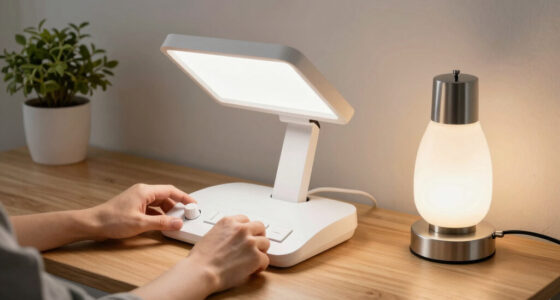
The key is precision and convenience. Unlike traditional light therapy lamps, wearable timers offer targeted light at specific times, tailored to your schedule and needs, all while being discreet and portable.
Understanding their importance is crucial because they allow you to harness light therapy in a way that’s seamlessly integrated into your routines. This means you can consistently deliver the right type of light stimulus without the inconvenience of setting up bulky equipment or disrupting your day. The ability to customize exposure times and wavelengths also minimizes potential drawbacks like eye strain or overstimulation, making these devices a balanced approach to managing your circadian health.
As an affiliate, we earn on qualifying purchases.
How Do These Devices Actually Influence Your Body and Mind?
Wearable light timers work by emitting specific wavelengths of light—mainly blue and white light—that mimic natural sunlight. These wavelengths are particularly influential because they interact directly with photoreceptors in the retina that send signals to your brain’s circadian clock. This interaction regulates the production of melatonin, the hormone responsible for sleep, and influences alertness and mood. Essentially, these devices serve as external cues that tell your internal clock what time it is, helping to reinforce or shift your natural rhythms.
Why does this matter? Because our internal clocks are sensitive to light exposure, and misaligned rhythms—caused by irregular schedules, travel, or seasonal changes—can lead to sleep disturbances, fatigue, and mood issues. By delivering targeted light at strategic times, wearable timers can help correct these misalignments, restoring balance and improving overall well-being.
The implications are significant: effective light therapy can reduce reliance on medication, improve mental health, and enhance daily functioning. The tradeoffs involve timing and intensity—improper use can disrupt sleep if used at the wrong time or cause eye discomfort if brightness is excessive. Therefore, understanding how light interacts with your biological processes helps optimize benefits and avoid unintended consequences.
As an affiliate, we earn on qualifying purchases.
The Latest Tech in Wearable Light Timers — What’s New?
Recent advances have made these gadgets smarter, more comfortable, and more effective. LED technology now allows for emission of precise wavelengths tailored for circadian health. For example, some devices emit a gentle blue hue that’s scientifically shown to boost alertness without causing eye strain. These improvements mean the light delivered is more targeted, reducing unnecessary exposure to other wavelengths that might be less effective or cause discomfort.
Integration with smartphones and health apps is another game-changer. You can now customize your light schedule, track your exposure, and get feedback on your progress. AI algorithms analyze your responses and adjust the light patterns dynamically, creating a more personalized and adaptive therapy experience. This reduces the guesswork and allows for more consistent results over time.
Design-wise, the latest glasses and visors resemble regular eyewear—sleek, lightweight, and stylish. Battery life has doubled, allowing for extended wear during long trips or shifts, and ergonomic materials ensure comfort during prolonged use. These aesthetic and functional improvements make daily use more practical and appealing.
Clinical trials and ongoing research are backing these innovations, confirming that wearable light devices can improve sleep quality, reduce fatigue, and elevate mood. Some studies report noticeable changes within just two weeks of consistent use, highlighting their potential as a mainstream solution for circadian health management.
As an affiliate, we earn on qualifying purchases.
Are Wearable Light Timers Safe? What You Need to Know
Generally, wearable light timers are safe, but like any health tool, responsible use is essential. They emit specific wavelengths of light at controlled intensities designed to mimic natural sunlight, which minimizes risks. However, overexposure—such as staring directly into bright LEDs for extended periods—can lead to eye discomfort, headaches, or visual fatigue, especially in sensitive individuals.
The importance of proper use cannot be overstated. Following manufacturer guidelines—such as recommended session durations and avoiding use late in the day—helps prevent adverse effects. For example, using bright light in the evening can interfere with melatonin production, making it harder to fall asleep. Conversely, using it in the morning aligns with natural circadian cues, promoting alertness.
People with pre-existing eye sensitivities or medical conditions should consult healthcare providers before beginning light therapy. Recognizing signs of discomfort—persistent eye strain, headaches, or visual disturbances—is critical for safety. Adjusting brightness levels or duration can mitigate these issues.
In summary, when used responsibly, wearable light timers are a safe, effective alternative to traditional therapy methods. Their safety profile relies heavily on user awareness and adherence to guidelines, making education and proper configuration vital for maximizing benefits while minimizing risks.
As an affiliate, we earn on qualifying purchases.
How to Get the Most Out of Your Wearable Light Timer
- Set clear goals: Decide if you’re aiming to boost alertness, adjust sleep, or improve mood. Your schedule shapes your light timing.
- Follow a routine: Use the device consistently at the same time each day to reinforce your internal clock.
- Start slow: Begin with shorter sessions—20 minutes—and increase gradually. Pay attention to how your body responds and adjust accordingly.
- Sync with natural light: Spend time outdoors during daylight hours. Exposure to natural sunlight enhances the effectiveness of your device and helps reinforce your circadian cues.
- Track your progress: Use companion apps or logs to monitor how you feel, sleep patterns, and mood changes. Data can help refine your routine for optimal results.
For example, a shift worker might wear their glasses for 30 minutes in the morning before heading out, then switch to an evening session to shift their sleep phase. The key is consistency and personal tailoring—adjusting timing based on your specific schedule and responses.
Remember, these devices are most effective when integrated into a holistic approach that includes good sleep hygiene, regular physical activity, and managing stress. Combining these habits with targeted light exposure creates a synergistic effect that enhances overall well-being.
Comparison Table: Traditional Light Therapy vs. Wearable Light Timers
| Feature | Traditional Light Therapy | Wearable Light Timers |
|---|---|---|
| Portability | Stationary, requires sitting in front of a light box | Compact, wearable during daily activities |
| Targeted Exposure | Less precise, generally broad light | Precise wavelengths and timed sessions |
| Discretion | Obvious, needs dedicated space | Discreet, looks like regular glasses or visors |
| Ease of Use | Limited mobility, setup required | Hands-free, control via app or onboard buttons |
| Adaptability | Fixed, less customizable | Highly customizable schedules and intensities |
For instance, if you’re commuting or working, wearable devices allow continuous, tailored exposure without halting your activity. That flexibility is a game-changer, enabling you to maintain productivity while still benefiting from light therapy’s effects.
Frequently Asked Questions
Can wearable light timers replace traditional light therapy lamps?
They can provide similar benefits in a portable, hands-free way, especially for targeted use during daily activities. However, some situations may still benefit from larger, stationary lamps, especially if broad light exposure is needed. The tradeoff involves convenience versus coverage; wearable devices excel in portability and personalization, but might not deliver the same intensity or broad-spectrum light as stationary lamps. Choosing depends on your specific needs, lifestyle, and the severity of your circadian disruption.How long should I wear a device each day to see results?
Most users find 20 to 60 minutes per session effective, depending on their goals and device specifications. Starting with shorter periods helps your body adapt and reduces the risk of discomfort. Consistency is key—regular daily use at the same time maximizes the resetting effect on your internal clock. Over time, you can adjust durations based on how you feel and your progress, but patience is essential for noticeable improvements.Are these devices suitable for children or seniors?
Yes, many wearable light timers are designed to be safe for a wide age range, including children and older adults. However, due to variations in sensitivity and medical conditions, it’s advisable to consult a healthcare provider before use. For children, especially, supervision and appropriate settings are important to prevent overstimulation. For seniors, these devices can help manage age-related circadian shifts, but individual health status should guide usage to ensure safety and effectiveness.Can I use wearable light timers while doing other tasks?
Most are designed to be used during routine activities like commuting, working, or relaxing. They are generally hands-free, allowing you to continue with your day. However, it’s important to avoid looking directly into bright LEDs for extended periods to prevent eye strain. Ensuring comfort and safety involves setting appropriate brightness levels and being mindful of your visual comfort. Using these devices as part of a broader routine enhances their benefits without interfering with daily responsibilities.What should I watch out for when choosing a device?
Look for features such as adjustable light intensity, multiple wavelength options, and a comfortable fit. Compatibility with smartphone apps for scheduling and tracking can enhance usability. Consider battery life to ensure uninterrupted sessions, especially during travel or long shifts. Also, review user feedback on comfort and durability. Selecting a device that aligns with your lifestyle and preferences ensures consistent use and maximizes therapeutic benefits.Conclusion
Wearable light timers are changing the game in portable, personalized light therapy. They’re not just gadgets—they’re tools that help you align your internal clock, lift your mood, and boost alertness during busy days or long nights. As these devices become smarter and sleeker, they’ll likely become an essential part of your wellness toolkit.
Imagine stepping into your world with a little more sunshine in your pocket—ready to brighten your mood or reset your rhythm whenever needed. The key is consistency and mindful use. After all, a little light can go a long way when it’s tailored just for you.
College move-in / dorm season Picks
dorm essentials
As an affiliate, we earn on qualifying purchases.