TL;DR

Get wellness gear delivered free with Prime
- Fast, free delivery on millions of items
- Prime Video, Amazon Music and more included
- Member-only deals all year
Your ideal sleep sound depends on personal preference, environment, and sleep needs. Experimenting with ocean, fan, or static sounds can help you find what relaxes you best and supports better sleep.
Imagine drifting off as the gentle roar of ocean waves washes over you, or as a steady fan hums softly in the background. Sleep sounds are more than just background noise—they’re tools that can transform your bedtime routine. If you’ve ever wondered whether ocean, fan, or static sounds suit you best, you’re not alone.
This guide breaks down the differences, benefits, and potential pitfalls of each sound type, helping you pick what truly supports your sleep. Whether you’re battling noise pollution or developing a calming habit, understanding these options can make your nights more peaceful and your mornings brighter.
Your preferred sleep sound depends on personal taste and your environment—try each option to see what relaxes you most.
Consistent use of a sleep sound can condition your brain to associate that sound with sleep, speeding up your ability to drift off.
Adjust volume carefully—settings that are too loud or too soft can interfere with sleep quality.
Natural sounds like rain or wind can be just as effective as electronic noises, especially if they evoke relaxation.
Be willing to change your sleep sound if your current choice stops helping or starts to irritate you.
What’s the real difference between ocean, fan, and static sounds?
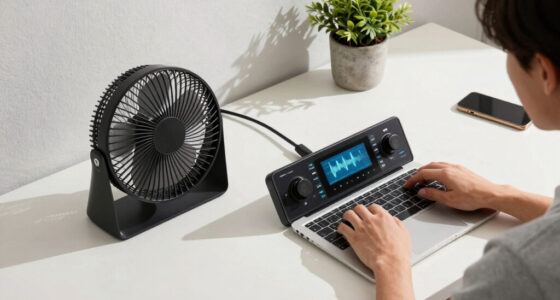
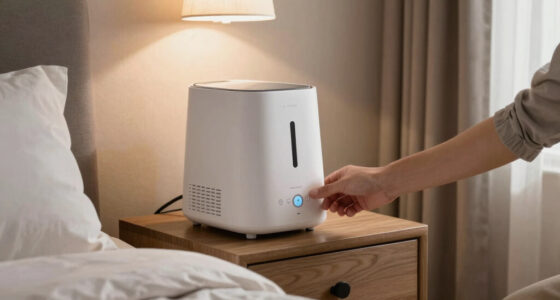
Ocean, fan, and static sounds each create a distinct auditory landscape. Ocean sounds mimic waves crashing and rolling, often linked with relaxation and a sense of calm. Fans produce a consistent, gentle hum—familiar and unobtrusive. Static, or white noise, is a steady, unvarying hiss that masks other environmental sounds.
For example, a person living near a busy street might find static more effective in blocking out honking cars, while someone seeking a soothing escape might prefer the soft, natural rhythm of ocean waves.
Here’s a quick comparison:
| Feature | Ocean Waves | Fan Noise | Static (White Noise) |
|---|---|---|---|
| Sound Quality | Natural, rhythmic, varied | Consistent, smooth hum | Steady, unvarying hiss |
| Best For | Relaxation, mental escape | Masking sudden noises | Blocking out environmental sounds |
| Potential Drawback | May be too stimulating for some | Can be monotonous | May cause irritation if too loud |
As an affiliate, we earn on qualifying purchases.
Why does my brain connect certain sounds to sleep?
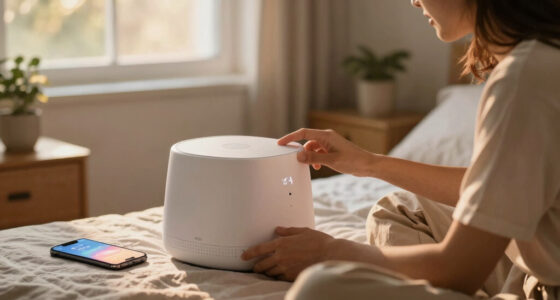
Your brain forms associations through repeated experiences. If you always fall asleep with the sound of ocean waves, your brain begins to link that sound with bedtime. This conditioning means hearing that sound can trigger feelings of relaxation and sleepiness.
Take a person who uses a fan every night during a stressful week. Over time, the fan’s hum becomes a signal for calm and sleep, even if they’re away from home. This is why consistent use of your preferred sound can help you fall asleep faster.
In fact, research finds that such conditioned cues act like sleep triggers, making it easier to wind down once you hear them regularly.
As an affiliate, we earn on qualifying purchases.
How to pick the perfect sleep sound for YOU
- Try each sound for a few nights. Notice how you feel when you hear it—calmer, more relaxed, or irritated.
- Consider your environment. Do you need a sound that masks loud traffic or neighbors? Or one that creates a calming escape?
- Pay attention to your sensitivity. If you find static too harsh, ocean might soothe better. If you dislike rhythmic variability, fan noise could be ideal.
- Adjust volume carefully. Too loud can disturb, too soft might not mask enough noise.
- Use a timer. Many devices let you set how long the sound plays—start with 30-60 minutes to build a routine.
For example, a shift worker might prefer a steady fan to mask daytime noises, while a person with tinnitus might find white noise more effective in hiding ringing sounds.
As an affiliate, we earn on qualifying purchases.
When should you switch your sleep sound?
If your current sound stops working—either because it becomes irritating or your environment changes—it’s time to reconsider. For instance, someone who loved ocean waves might find they now prefer the simplicity of static after a stressful day.
Also, if your sleep quality doesn’t improve after a couple of weeks, trying a different sound might help. Sometimes, what once soothed can start to feel monotonous or even disruptive.
Remember, your sleep sound isn’t set in stone. Feel free to experiment until you find the one that really helps you unwind.
Are natural sounds better than electronic ones?
Natural sounds like rain, wind, or forest ambiance can be just as soothing as electronic recordings. The key is how they make you feel—if a gentle rain makes you drift off faster than static, that’s your best choice.
Natural sounds often carry a more complex, less repetitive pattern, which can reduce irritation and keep your brain engaged without overstimulation.
For example, many people find the sound of rain more calming than white noise because it feels like a gentle shower, not a constant hiss.
Frequently Asked Questions
Can I use more than one sleep sound at the same time?
Yes, many apps and devices allow you to blend sounds—like rain with a fan or ocean with white noise. Experiment to see if combining sounds enhances your relaxation, but avoid making it too busy or overwhelming.Is it bad to rely on sleep sounds every night?
Most people can use sleep sounds regularly without issues. However, if you notice difficulty sleeping without them, consider gradually reducing use to avoid dependency. The goal is to create a calming routine, not a crutch.Are loud sleep sounds harmful to my hearing?
Listening at a moderate volume—no louder than a soft conversation—keeps your ears safe. Excessively loud sounds over long periods could cause discomfort or hearing fatigue, so keep the volume within a gentle, relaxing level.How long should I listen to sleep sounds each night?
Start with 30 to 60 minutes before sleep. Many devices have timers, so you can set the sound to turn off once you’re asleep, avoiding unnecessary exposure throughout the night.Are natural sounds more effective than electronic ones?
Effectiveness depends on personal preference. Some find natural sounds like rain or wind more calming, while others prefer the consistency of electronic white noise. Try both to see what helps you relax best.Conclusion
Finding the right sleep sound isn’t about choosing the trendiest or most popular option. It’s about discovering what genuinely relaxes your mind and body—whether it’s the rhythmic crashing of ocean waves, the steady hum of a fan, or the unvarying hiss of white noise.
Trust your ears, experiment with different sounds, and stay flexible. Your perfect sleep cue might surprise you—sometimes, the simplest sounds create the biggest impact. Sweet dreams come down to one thing: finding your personal lullaby.
Fall Picks
fall essentials
As an affiliate, we earn on qualifying purchases.