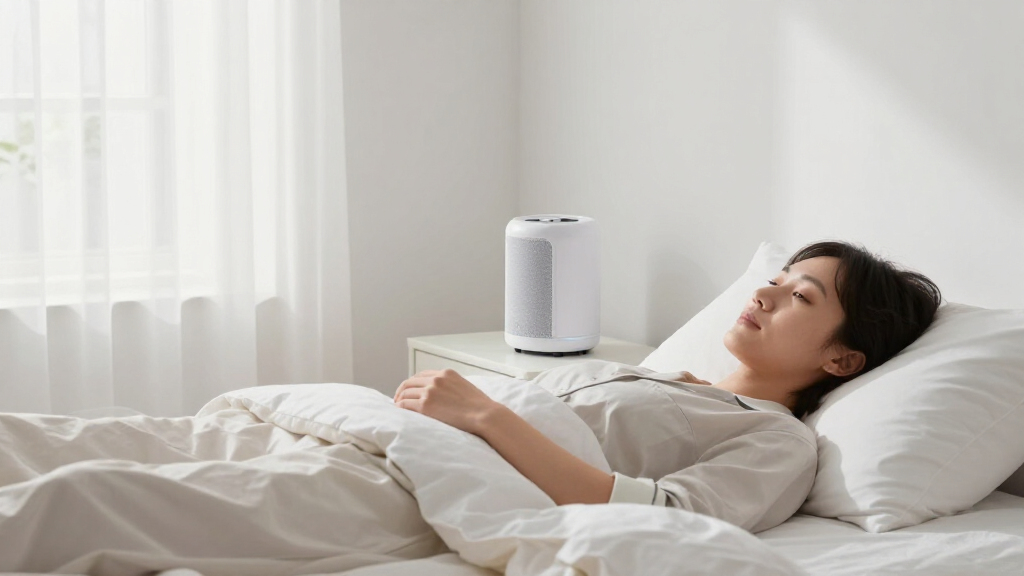

TL;DR
Listen free for 30 days with Audible
Thousands of audiobooks and originals — cancel anytime.
Start your free trialAs an affiliate, we earn on qualifying purchases.
Silence isn’t always peaceful—it can wake you because your brain is wired to notice changes, not just loud sounds. Background noise masks small sounds that stand out in quiet, making silence feel loud and disruptive. Understanding this helps you create a sleep environment that keeps you peacefully asleep all night.
Imagine drifting into sleep only to wake up suddenly — not because of a loud noise, but because everything around you fell eerily silent. That quiet can feel startling, even unsettling, especially if you’re used to background hums from fans or traffic. You might not realize it, but for some people, silence itself acts like a spotlight, revealing tiny sounds or unmasking internal noises that can pull them out of sleep. This article explores why total quiet can feel loud and how your brain’s sensitivity to change, not just loudness, shapes your sleep experience.
By understanding this paradox, you can start making small changes in your sleep environment and habits that keep you peaceful through the night. Whether you love your white noise machine or prefer a quieter room, knowing how your brain responds to silence can help you sleep more soundly — no matter what’s around you.
Your brain reacts more to changes in sound levels than to loudness itself, making silence feel loud and disruptive.
Background noise masks tiny sounds that stand out in quiet, helping you stay asleep through the night.
Consistent, gentle sounds like pink or brown noise often create a more soothing sleep environment than abrupt noise or silence.
Conditioned sleep habits mean removing familiar background sounds can make sleep harder, not easier.
Adjusting sound levels and maintaining steady noise can significantly reduce nighttime awakenings caused by silence.
Quiet Homes Feel Loud
Silence is not always peaceful. The sleeping brain monitors change, background hum masks tiny disturbances, and a familiar fan can become a learned signal for safety. When that sound disappears, quiet itself can feel like an alarm.
A sound’s rise above the ambient baseline can matter more than its absolute loudness.
Remove the masking layer and creaks, clocks, movement and internal sounds gain definition.
A moderate, comfortable and consistent sound bed can reduce abrupt acoustic changes.
The sleeping brain keeps watch
Your auditory system does not switch off when you fall asleep. It continues sorting familiar background patterns from potentially meaningful changes. A sudden drop, stop or isolated sound can therefore receive more attention than a steady hum.
The baseline shifts
A fan stops, traffic fades or an air conditioner cycles off. The brain registers the transition because the acoustic pattern has changed—even when the room has become quieter.
Small noises emerge
Without a steady background layer, a floorboard, clock, fridge motor or partner’s movement gains contrast. The tiny sound has not grown; its visibility has.
Familiar sound means sleep
Repeatedly falling asleep with a fan or sound machine can turn that sound into a learned cue. Its absence may feel unfamiliar, increasing alertness and delaying sleep.
40 dB creak − 25 dB room = +15 dB emergence. The event stands well above its surroundings and is more likely to command attention.
40 dB creak − 45 dB room = masked. The event is unchanged, but it no longer rises above the ambient layer with the same clarity.
From silence to awakening
The sequence is less “silence makes a noise” and more “silence resets the contrast.” That reset exposes events the sleeping brain may classify as relevant.
Sound drops
A familiar fan, road hum or ventilation system stops.
Contrast rises
Previously masked creaks and movements become distinct.
Brain checks
The sentinel system evaluates the environmental change.
Arousal occurs
A micro-arousal—or full awakening—interrupts sleep.
Not every sleeper reacts equally
This relative scale summarizes the research brief’s pattern: light sleep, unfamiliar environments, anxiety and tinnitus can all increase sensitivity. It is an explanatory comparison, not a clinical risk score.
Choose consistency before color
White, pink and brown noise distribute energy differently. Pink and brown noise often sound softer because they emphasize lower frequencies, but personal comfort, safe volume and all-night stability matter more than chasing a universally “best” color.
| Sound type | Acoustic profile | Often best for | Tradeoff | Fit |
|---|---|---|---|---|
| White noise | Equal energy per frequency; bright, static-like texture. | Masking speech, traffic variation and abrupt higher-frequency sounds. | Can feel hissy or harsh at an excessive volume. | ✓Strong masking |
| Pink noise | More emphasis on lower frequencies; rain-like or rustling texture. | Sleepers who want a gentler sound bed; studied in small slow-wave sleep experiments. | Promising research is not definitive for every sleeper. | ✓Gentle balance |
| Brown noise | Deeper low-frequency emphasis; resembles a strong waterfall or rumble. | People who find white noise too sharp and prefer a bass-heavy profile. | Low frequencies may travel through walls or feel heavy. | ~Preference-led |
| Total silence | No intentional masking layer; maximum acoustic contrast. | Sleepers already comfortable in stable, naturally quiet environments. | Tiny external sounds and tinnitus may become more prominent. | ✗Poor for contrast-sensitive sleepers |
Evidence note: Timed pink-noise research has shown promising effects on slow-wave activity and memory in small studies, including work reported around 2017. These findings do not establish that ordinary continuous pink noise improves sleep for everyone.
Reduce surprise, not every sound
The most useful sleep environment is predictable, comfortable and sustainable. Make small adjustments, observe your response for several nights, and avoid turning masking sound into a new disturbance.
Run it through the night
Use a fan or sound source that will not shut off abruptly after you fall asleep.
Keep volume moderate
Mask small fluctuations without creating discomfort, strain or another alerting stimulus.
Control sudden changes
Secure doors, manage cycling appliances and reduce intermittent late-night activity.
Lower hyperarousal
Use a calming routine, relaxation practice or mindfulness to reduce threat monitoring.
Retrain gradually
If you want less sound, lower it in small steps instead of removing a familiar cue overnight.
Account for tinnitus
A gentle sound bed may reduce the contrast that makes internal ringing feel more prominent.
Try the three-night stability test
Choose one comfortable sound profile, keep the device position and volume unchanged, and note awakenings each morning. Change only one variable in the next trial so you can identify what actually helps.
Sleep does not require perfect silence. It requires a world that feels predictable enough to ignore.
Persistent sleep disruption, distressing tinnitus or severe anxiety deserves professional guidance. Sound masking can support a sleep routine, but it is not a substitute for clinical assessment.
Why Your Brain Reacts to Silence Like a Warning Signal
When you fall asleep, your brain stays alert to changes in your environment, even if you’re not aware of it. Silence, surprisingly, is a change. It signals to your brain that something might be wrong — a potential threat or disturbance. During light sleep stages, this sensitivity peaks. Think of it like a security guard who’s especially watchful when nothing seems to be happening; the moment things go still, alarm bells ring.
For example, a person used to sleeping with a fan might find a silent room unsettling. The absence of background noise makes the tiniest sounds — a creak, a whisper, a distant siren — seem louder and more noticeable. Your brain flags these as potential threats, nudging you awake. This response has roots in our evolutionary past, where detecting environmental changes meant survival.
Understanding this reaction is crucial because it reveals that sleep disturbances in quiet environments are often not due to external loud noises but to your brain’s heightened sensitivity to even minor changes. This means that simply eliminating noise isn’t always the solution; instead, managing your environment to reduce perceived threats or disturbances can help you sleep more soundly.
As an affiliate, we earn on qualifying purchases.
How Silence Turns Up the Volume on Tiny Sounds
In a quiet room, a faint sound like a fridge cycling on or a floorboard squeak suddenly stands out like a loud drumbeat. This is because background noise acts like a sound buffer, raising your threshold for hearing smaller noises. When the ambient hum is present, your brain filters out minor fluctuations; without it, even whisper-thin sounds can wake you.
Imagine sleeping in a hotel room where the air conditioner hums softly. That steady noise masks minor sounds, keeping you asleep. Switch that off, and suddenly, the ticking clock or your partner’s shifting weight feels like a loud crash. It’s not the sound itself that’s changed — it’s your brain’s ability to ignore it that has. This phenomenon highlights the importance of the sound environment in sleep quality, as the brain’s ability to filter or ignore sounds depends heavily on the consistency of background noise.
Research shows that the louder a sound is relative to what’s around it, the more likely it is to wake you. A creak at 40 decibels in a 25 decibel room feels like a shout, but in a 45 decibel environment with background noise, it blends in. This tradeoff illustrates that the key to better sleep isn’t just lowering noise levels but maintaining a stable sound environment that minimizes sudden changes, helping your brain stay relaxed and less reactive.
As an affiliate, we earn on qualifying purchases.
Habit and Conditioning Make Silence Even Louder
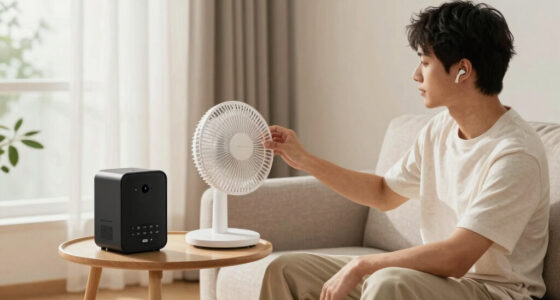
If you rely on white noise or a fan to fall asleep, your brain gets conditioned to associate that sound with sleep. Remove that cue, and sleep can suffer. It’s like using a familiar song as a sleep signal — take it away, and your brain might protest.
For example, someone who always falls asleep with white noise might find it hard to drift off in a quiet bedroom. Their brain expects that steady hum, and without it, the transition to sleep feels more abrupt, leading to more awakenings or difficulty falling asleep. This conditioned response can create a dependency, making it challenging to sleep in environments where the usual background noise isn’t present. Understanding this tradeoff helps you recognize that sometimes the solution isn’t simply eliminating noise but gradually retraining your brain to tolerate silence, which can involve using softer or more consistent sounds initially.
This conditioning is a double-edged sword: while it can help you fall asleep faster, it can also make you more sensitive to silence. Recognizing this allows you to develop strategies, like gradually reducing sound levels or replacing white noise with more natural, less predictable sounds, to ease the transition away from reliance on constant background noise.
background noise generator for sleep
As an affiliate, we earn on qualifying purchases.
As an affiliate, we earn on qualifying purchases.
Practical Tips to Keep Silence from Waking You Up
- Keep your background noise consistent: Use a white noise machine or fan that runs all night. Sudden stops or changes can wake you, as your brain reacts to unexpected environmental shifts that it interprets as threats or disturbances.
- Choose gentle, steady sounds: Pink or brown noise may be less harsh than white noise and more soothing, especially for deep sleep. These sounds tend to be more natural and less likely to trigger alertness, helping your brain maintain a calm state throughout the night.
- Volume matters: Keep sound levels moderate — loud enough to mask small sounds, but not so loud as to cause discomfort or hearing strain. Finding the right volume minimizes the tradeoff between masking noise and creating a new disturbance.
- Minimize abrupt environmental changes: Close windows, secure doors, and avoid late-night activities that produce sudden noises. These changes can activate your alertness system, making it harder to stay asleep.
- Address hypervigilance and anxiety: Relaxation techniques, mindfulness, or gentle routines before bed can lower your sensitivity to sounds. By reducing overall stress and hyperarousal, you decrease the likelihood that your brain will interpret minor sounds as threats, leading to fewer awakenings.
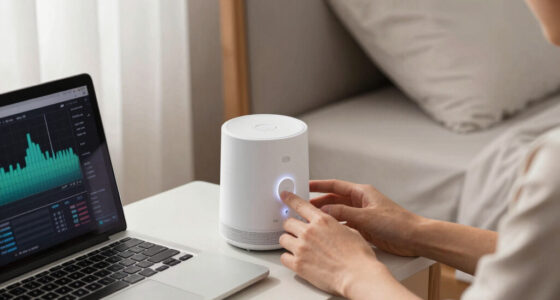
For example, a person struggling with sleep in a new house might keep a white noise app running on their phone, set to a gentle level, and avoid turning it off during the night. This creates a stable sound environment that helps prevent sudden awakenings and reduces the brain’s tendency to react to minor fluctuations.
sleep sound machine with steady volume
As an affiliate, we earn on qualifying purchases.
As an affiliate, we earn on qualifying purchases.
Compare Different Types of Sleep Sounds to Find Your Best Match
| Type of Noise | Sound Profile | Best For |
|---|---|---|
| White Noise | Equal energy across all frequencies — like static on an old radio | Masking sudden sounds, creating a consistent environment |
| Pink Noise | Emphasizes lower frequencies — sounds like steady rain or rustling leaves | Deep sleep and memory consolidation |
| Brown Noise | Deep, bass-heavy sound — like distant thunder or a rushing river | Relaxation and calming nervous systems |
Choosing the right sound depends on personal preference. Some find white noise too harsh, while others love its masking power. Experiment with different types to see which helps you sleep most peacefully.
What You Should Know Before Turning on a White Noise Machine
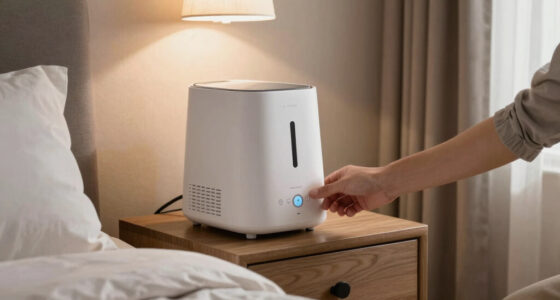
White noise machines are generally safe when used at moderate volumes, but volume control is key. Experts recommend keeping sound levels below 50 decibels — about the noise of a soft shower. Placing the device a few feet from your bed prevents it from being too loud.
For example, a parent using a white noise machine for a baby should ensure it’s not too close or loud, as prolonged exposure to high volumes can affect hearing. For adults, a gentle, consistent background sound can create a cocoon of calm without risking hearing damage.
Always test your setup, and if you notice any ringing or discomfort, lower the volume or move the device farther away.
Frequently Asked Questions
Why do I wake up when the house gets too quiet?
Your brain is wired to detect changes. When everything goes silent, it perceives a potential threat and triggers your waking response, especially if you’re used to background noise.
Why can’t I fall asleep without my fan or white noise? Is that unhealthy?
Many people develop a conditioned association between background noise and sleep. While it’s common, it’s usually harmless. If it bothers you, gradually reducing reliance on noise and practicing relaxation can help.
Is sleeping with white noise every night bad for my hearing or brain?
When used at moderate volumes and placed a few feet away, white noise is generally safe. Avoid high volumes, especially close to the ears, to prevent any risk of hearing damage.
White, pink, or brown noise — which is best for sleep?
It depends on your preference. White noise masks sounds well, but pink and brown noise provide deeper, more soothing tones that many find more relaxing for long-term sleep.
How do I wean myself off needing background noise to sleep?
Gradually reduce volume over nights while practicing calming routines like deep breathing. Over time, your brain will adapt to falling asleep in quieter environments.
Conclusion
Silence isn’t always the peaceful sleep aid it seems. It can highlight tiny sounds or trigger your brain’s alertness system. The key is creating a consistent, gentle sound environment that keeps your mind calm and your body at ease.
Next time you find yourself waking in a quiet room, remember: your brain simply notices what’s missing. Filling that silence with a soft, steady hum might be the simplest way to sleep more soundly — even in the quietest homes.
Fall Picks
fall essentials
As an affiliate, we earn on qualifying purchases.