
TL;DR
Open a free Amazon Business account
Business pricing, bulk buying and tax-exempt orders.
Create a free accountAs an affiliate, we earn on qualifying purchases.
White noise and calming sounds can significantly reduce stress in dogs and cats. They mask disruptive noises, promote relaxation, and improve sleep, making them a valuable tool for pet owners. Proper volume and monitoring are key to safe, effective use.
Ever notice how some dogs tremble at thunder or hide during fireworks? Or how cats bolt under the bed at the slightest loud noise? It turns out, a simple sound can make a big difference. White noise and calming sounds are quietly transforming how pet owners soothe their anxious animals. They create a steady, comforting backdrop that masks startling sounds and helps pets relax.
If you’re tired of seeing your furry friend stressed out or restless, understanding how white noise works can be a game-changer. This guide will explore practical ways to use calming sounds, share recent insights, and offer tips to keep your pet comfortable and serene.
Use white noise at moderate volumes (50-60 dB) to avoid hearing damage and overstimulation.
Start playback before stressful events to help your pet acclimate and relax.
Choose the sound type based on your pet’s preferences—white noise, nature sounds, or soft music.
Monitor your pet’s reactions regularly and adjust volume or sound type accordingly.
Combine sound therapy with other calming strategies for best results.
What Makes White Noise a Pet’s Best Friend During Stressful Moments?
White noise is a consistent sound that covers a broad spectrum of frequencies, kind of like the static you hear between radio stations. For pets, this sound can drown out sudden, startling noises – thunderstorms, sirens, or fireworks. By providing a uniform auditory environment, white noise helps to reduce the unpredictability of external sounds, which often trigger stress responses in animals. This masking effect can prevent pets from fixating on or reacting to the noise, thereby reducing their anxiety levels.
Research indicates that up to 70% of dogs show reduced noise sensitivity when exposed to white noise, which suggests a significant calming benefit. Cats, too, respond positively, especially when the sound is soft and steady. The key is that white noise creates a predictable auditory environment, offering a form of environmental control that can soothe pets. It’s akin to giving your pet a calm, constant background that minimizes the impact of sudden loud sounds, ultimately helping them feel more secure and less overwhelmed during stressful situations.
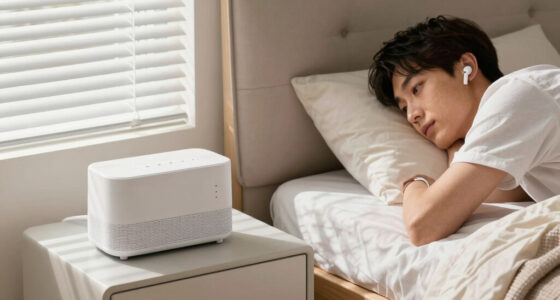
white noise machine for dogs and cats
As an affiliate, we earn on qualifying purchases.
As an affiliate, we earn on qualifying purchases.
3 Easy Ways to Use White Noise for Your Pets’ Comfort
- White Noise Machines: Invest in a device designed for continuous sound. Place it in the room where your pet spends most of their time. Adjust the volume to a comfortable level, around 50-60 decibels—roughly the sound of a quiet conversation. Using a dedicated device ensures consistent sound delivery, which is crucial for maintaining a calming environment. Consistency helps your pet associate the noise with safety, making it more effective during stressful events.
- Apps and Recordings: Use smartphone apps or online recordings tailored for pets. Play these during thunderstorms or when you’re out, so your pet feels less alone. The advantage of digital options is their portability and variety, enabling you to choose sounds that best suit your pet’s preferences. However, it’s important to ensure the device volume is moderate to prevent overstimulation or potential hearing damage, especially if your pet has heightened sensitivities.
- Consistent Play During Stressful Events: Turn on the sound before the stressful event starts. For example, start a calming track a few minutes before fireworks or your departure. Keep it running until the stressor passes. This proactive approach helps your pet anticipate the calming environment rather than react to the noise suddenly. Over time, this can condition your pet to associate the sound with safety, reducing their anxiety during future stressful episodes.
Tip: Use a timer or volume limiter to prevent overstimulation or hearing damage. Monitoring your pet’s reactions helps tweak the setup for maximum comfort. The goal is to find a balance where the sound is soothing without being intrusive, which might require some trial and error but is well worth the effort for your pet’s well-being.
As an affiliate, we earn on qualifying purchases.
Compare Different Sounds: Which Calms Pets Best?
| Type of Sound | Best For | Pros | Cons |
|---|---|---|---|
| White Noise | Noise-sensitive pets | Broad coverage, masks many sounds, creates a predictable environment that can significantly reduce anxiety for noise-sensitive animals. Its uniformity helps pets focus less on external disruptions, fostering a sense of safety. | Can be monotonous, may bother some pets if volume is too high or if they prefer more natural sounds. Some animals might find the constant hum irritating over time, which could reduce its effectiveness if not monitored. |
| Nature Sounds | Pets who prefer softer, more natural environments | More natural, relaxing, and closer to a pet’s natural habitat, which can enhance comfort and reduce stress. These sounds often include gentle rain, forest sounds, or gentle streams that evoke calmness. | Less effective at masking loud noises like fireworks or thunderstorms, because they are typically softer and less consistent. They may not provide enough coverage in very noisy environments, limiting their utility during high-stress events. |
| Soft Music | Pets that respond to melody and rhythm | Comforting, familiar, and can be tailored to your pet’s preferences. Music with slow tempos and gentle melodies can promote relaxation and sleep. | May not effectively mask loud disturbances, especially sudden noises. Its calming effect depends heavily on the individual pet’s response to music, which can vary widely. |
Choosing the right calming sound involves understanding your pet’s preferences and the environment. For noise-sensitive pets, white noise offers broad masking, while nature sounds and soft music might be better suited for pets who prefer more natural or melodic backgrounds. Considering the specific stressors and your pet’s reactions helps you select the most effective sound environment, ultimately enhancing their comfort and reducing anxiety during stressful situations.
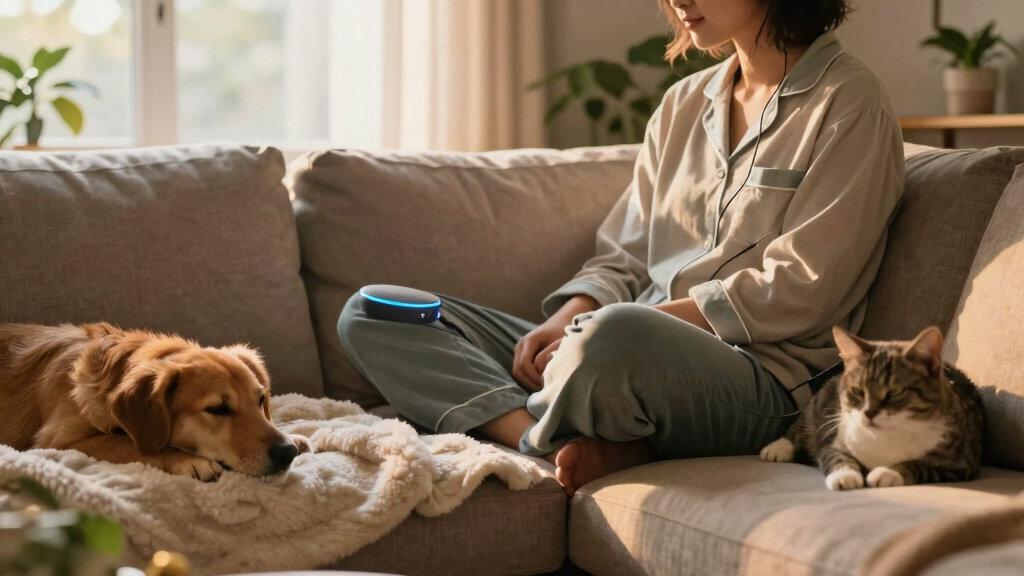
white noise sound therapy for pets
As an affiliate, we earn on qualifying purchases.
As an affiliate, we earn on qualifying purchases.
Safety Tips: Keep Your Pet Happy and Healthy with White Noise
White noise is generally safe when used correctly, but a few precautions are essential. Keep the volume moderate—around 50-60 decibels—to avoid damaging your pet’s hearing. Remember, louder isn’t better; it’s about masking disruptive sounds without overwhelming. Excessive volume can cause stress or even hearing damage over time, especially in sensitive animals.
Watch your pet’s response carefully. If they seem agitated, restless, or show signs of discomfort—such as pawing at their ears, vocalizing more, or trying to move away—try lowering the volume or switching to a different sound. This responsiveness helps you tailor the environment to your pet’s needs and prevents potential adverse effects.
Never leave white noise playing at high volume continuously, as prolonged exposure to loud sounds can cause stress or hearing issues. Use devices with timers or volume controls, and always observe your pet during initial use to ensure comfort. If your pet has pre-existing health issues, consult your veterinarian before incorporating sound therapy into their routine. Proper use and monitoring maximize benefits while minimizing risks, ensuring your pet’s safety and well-being.
As an affiliate, we earn on qualifying purchases.
What the Latest Research Tells Us About Pets and White Noise
Recent studies show that white noise and other calming sounds can significantly lower stress hormones like cortisol in pets. For example, research from An Alarm Clock highlights that dogs exposed to white noise exhibit fewer stress behaviors and better sleep patterns. These findings suggest that consistent use of calming sounds can positively impact a pet’s overall emotional health, especially in stressful environments.
Innovations now include personalized sound programs. Some smart devices automatically kick in during thunderstorms or fireworks, creating a calming environment without you lifting a finger. This technology allows for tailored sound therapy, adjusting to each pet’s specific triggers and sensitivities, which can enhance effectiveness and ease of use. For pet owners, this means less guesswork and more reliable comfort for their animals.
While many pets respond positively, individual differences matter. Some animals might find certain sounds irritating or unsettling, especially if they have past trauma or heightened sensitivities. Ongoing research aims to deepen understanding of these individual variations and develop more sophisticated, personalized sound therapy options, making calming sounds a more precise tool in managing pet anxiety.
Frequently Asked Questions
Does white noise work for all pets?
Not all pets respond the same way. Some may find white noise soothing, while others might find it irritating or unsettling. It’s best to observe your pet’s reactions and adjust accordingly.What volume should I set the white noise at?
Aim for around 50-60 decibels—similar to a quiet conversation. Too loud can cause discomfort or hearing issues, so start low and increase gradually if needed.How long should I play white noise?
Use it during stressful events or for extended periods when your pet is alone. Keep an eye on their behavior and turn it off if they seem distressed.Are there recommended devices or apps?
Many pet owners choose white noise machines designed for calm environments or apps with pet-specific calming sounds. Look for features like adjustable volume and timers.Can white noise replace other anxiety treatments?
It can be part of a broader approach, including behavioral training and environmental modifications. Always consult your vet for tailored advice.Conclusion
White noise isn’t a magic cure, but it’s a simple, gentle tool that can help your pet feel safer during thunderstorms, fireworks, or when they’re alone. Think of it as a soft, steady shield that muffles chaos and lets your furry friend breathe a little easier.
Next time the weather turns wild or your schedule keeps your pet stressed, try a calming sound. A quiet hum could be just what they need to find peace and rest. After all, a calm pet is a happy pet—and a happier home for everyone.
College move-in / dorm season Picks
dorm essentials
As an affiliate, we earn on qualifying purchases.