TL;DR
This article examines recent innovations in user interfaces within the demo scene, highlighting confirmed technological trends and ongoing design experiments. The development influences how digital artists engage audiences and push creative boundaries.
Recent presentations and community discussions within the demo scene indicate a significant shift in how user interfaces are designed and utilized to enhance viewer engagement and artistic expression. These developments matter because they influence both the technical execution and aesthetic presentation of digital art in the scene.
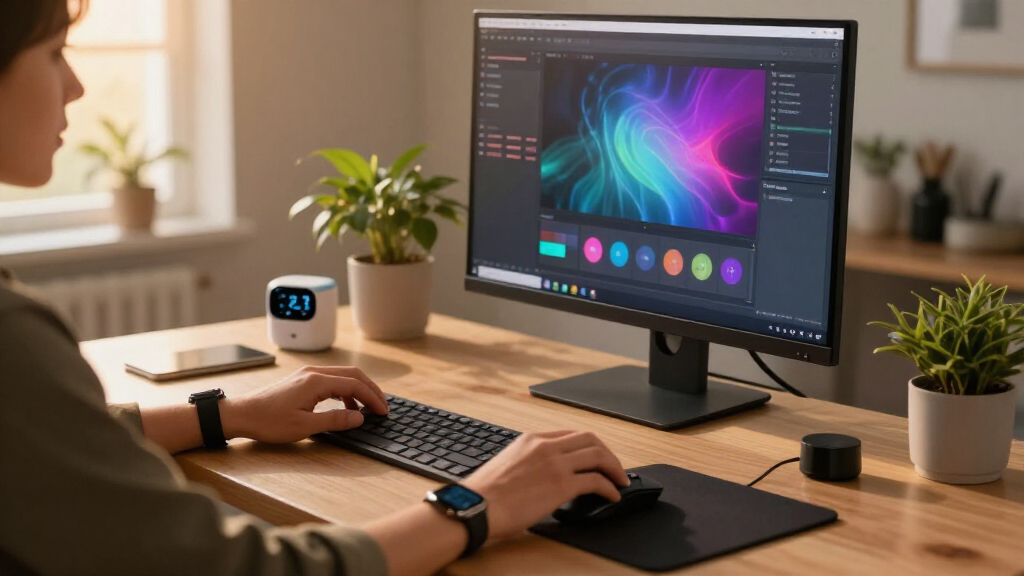
Confirmed reports from demo scene events in late 2023 show that creators are experimenting with more interactive and customizable user interfaces, often integrating real-time controls and immersive visual elements. These innovations aim to improve audience engagement and provide artists with new tools for expression. Notably, several groups have showcased interfaces that blend traditional visual elements with novel interaction paradigms, such as gesture controls and adaptive layouts. Experts suggest these trends reflect a broader movement toward more user-centric and immersive digital experiences within the scene. However, it remains unclear how widespread these innovations will become and whether they will influence mainstream digital art platforms beyond the demo community.Impact of UI Innovations on Digital Art Expression
The evolving user interfaces in the demo scene are reshaping how digital artists communicate with their audiences. By integrating interactive controls and immersive visuals, creators can craft more engaging and personalized experiences. This shift could influence broader digital art and entertainment sectors, encouraging more user-centric design and interactivity. For viewers, these developments promise richer, more engaging visual performances, potentially expanding the scene’s reach and influence. However, the long-term adoption and standardization of these UI approaches are still uncertain, making it a key area to watch.As an affiliate, we earn on qualifying purchases.
Recent Trends and Community Experiments in Demo UI Design
The demo scene, a community of digital artists and programmers, has historically been a platform for pushing technical boundaries in audiovisual presentations. Over the past few years, there has been a noticeable increase in projects emphasizing user interface innovation, driven by both technological advances and creative experimentation. Notable events like Revision and Breakpoint have showcased new UI concepts, including gesture-based controls, adaptive interfaces, and real-time interaction features. These efforts reflect a broader trend toward making demos more interactive and audience-responsive, aligning with the scene’s tradition of technical mastery and artistic innovation. While some of these UI experiments remain in prototype stages, their presence at major events indicates a growing emphasis on user experience design.As an affiliate, we earn on qualifying purchases.
Extent and Adoption of New UI Techniques in the Scene
It is not yet clear how widely these innovative user interfaces will be adopted across the demo scene, or whether they will influence mainstream digital art and entertainment platforms. The long-term impact remains uncertain as many projects are still experimental and community-driven.As an affiliate, we earn on qualifying purchases.
Upcoming Demonstrations and Potential Standardization Efforts
Further demo scene events scheduled for late 2023 and early 2024 are expected to showcase additional UI innovations. Industry experts anticipate discussions around standardizing successful interface concepts, which could influence broader digital art practices. Researchers and community leaders are also exploring ways to document and share best practices for UI design within the scene, potentially leading to more widespread adoption.real-time control interface for digital art
As an affiliate, we earn on qualifying purchases.
As an affiliate, we earn on qualifying purchases.
Key Questions
What are the main types of user interfaces currently being experimented with in the demo scene?
Recent projects include gesture controls, adaptive layouts, real-time interaction overlays, and customizable control schemes. These aim to enhance audience engagement and artistic flexibility.
Why are UI innovations important for the demo scene?
They enable artists to create more immersive, interactive performances, pushing the boundaries of audiovisual expression and audience participation.
Are these UI developments likely to influence mainstream digital art?
While some trends may eventually influence larger platforms, it is currently uncertain how quickly or widely these innovations will be adopted outside the demo community.
What challenges do creators face when implementing new UI techniques?
Technical complexity, compatibility issues, and the need for community consensus on standards are some of the hurdles faced by developers experimenting with innovative interfaces.
Source: hn