
TL;DR
Open a free Amazon Business account
Business pricing, bulk buying and tax-exempt orders.
Create a free accountAs an affiliate, we earn on qualifying purchases.
Winding down with audio involves using sleep stories, soundscapes, and loops to relax your mind and mask disruptions. Recent advances in AI and immersive sound enhance this experience, making it more effective and tailored to you.
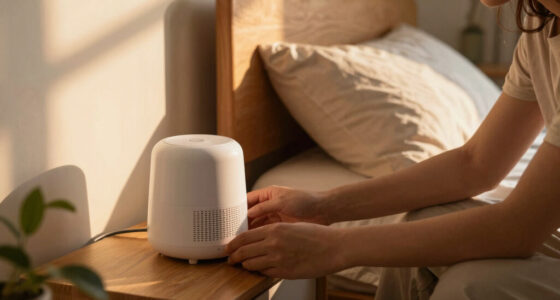
Imagine slipping under the covers, your room filled with the gentle hum of rain or a soothing voice telling a calming story. That’s the magic of winding down with audio—an increasingly popular way to quiet a restless mind. If you’ve ever wondered whether a calming soundscape or bedtime story could help you sleep better, you’re not alone.
In this guide, you’ll learn the different types of sleep audio, why they work, and how recent tech developments are making them more personalized and effective. Whether you’re a busy professional, a parent, or a shift worker, this approach offers simple, soothing tools to ease your transition into restful sleep.
Natural soundscapes like rain and ocean are proven to lower stress hormones and promote relaxation.
Looping sounds help create a stable, trance-like environment that speeds up falling asleep.
Personalized, adaptive sleep audio powered by AI enhances effectiveness by matching your preferences and environment.
Immersive 3D and binaural sounds deepen relaxation, making audio experiences more engaging and effective.
Use sleep audio wisely: keep volume moderate, choose relaxing content, and avoid overdependence.
What Are Sleep Stories, Soundscapes, and Loops — And Why Do They Help You Sleep?
Sleep stories, soundscapes, and loops are all about creating a calming environment that eases your mind. Sleep stories are gentle narratives—like a calming journey through a forest or a quiet day at the beach—that distract your brain from stressful thoughts. Soundscapes are natural or ambient sounds, such as rain tapping softly or ocean waves crashing gently, that mimic peaceful environments. Loops are repetitive sound patterns or melodies designed to lull your brain into a trance-like state, making it easier to drift off.
Understanding why these work involves recognizing that our brains are wired to respond to patterns and familiar stimuli. Sleep stories and loops provide a predictable auditory environment that reduces cognitive load, easing the transition from alertness to sleep. They serve as a form of sensory cueing—training your brain to associate these sounds with relaxation. The tradeoff, however, is that overexposure or reliance on specific sounds might make it harder to sleep in unfamiliar settings or when those sounds aren’t available, so moderation and variety are key.

White Noise Sound Machine for Sleep, 255+ Natural Sound Combinations
- Sound Combinations: Over 255 customizable sound mixes
- Volume Control: Independent volume for each sound
- Night Light Levels: Four adjustable brightness settings
As an affiliate, we earn on qualifying purchases.
As an affiliate, we earn on qualifying purchases.
How Do Natural Soundscapes Like Rain or Ocean Help You Relax and Sleep Better?
Natural soundscapes like rain or ocean waves are more than just background noise—they tap into our evolutionary wiring for calm. These sounds activate the parasympathetic nervous system, which promotes relaxation and recovery. They also work by creating an auditory environment that signals safety, helping to reduce stress hormones like cortisol. This is crucial because elevated cortisol levels are associated with difficulty falling asleep and fragmented sleep cycles.
Moreover, natural sounds have a masking effect, which means they can drown out disruptive noises—like city traffic or barking dogs—that may otherwise wake you. This masking effect not only helps you fall asleep faster but also maintains sleep continuity. The implication is that integrating these sounds into your environment can enhance sleep quality and duration, especially in noisy settings. However, the tradeoff is that reliance on specific soundscapes might make it challenging to sleep without them, so using a variety of sounds can help develop more adaptable sleep habits.

MUSICOZY Sleep Headphones Bluetooth Headband Headphones for Side Sleepers
- 2-in-1 Design: Sleep and sports headband with microphone
- Bluetooth 5.4: Compatible with various devices for seamless connection
- High-Quality Sound: 40mm drivers deliver rich bass and clear audio
As an affiliate, we earn on qualifying purchases.
As an affiliate, we earn on qualifying purchases.
What Are Looping Sounds, and Why Are They So Effective for Falling Asleep?
Looping sounds are designed to be repetitive, creating a continuous, predictable auditory pattern that your brain quickly recognizes. This predictability reduces the cognitive effort your mind expends on analyzing sounds, which is a key factor in falling asleep. For example, a gentle loop of a soft harp melody or a steady white noise provides a stable background that minimizes the likelihood of your thoughts wandering or becoming engaged with unpredictable stimuli.
The effectiveness of loops lies in their ability to induce a trance-like state by eliminating surprises and focusing your attention on a calming, unchanging sound environment. This can be especially beneficial for those who experience racing thoughts or anxiety at bedtime. The tradeoff is that some might find repetitive sounds monotonous over time, so varying loop types or combining them with other calming techniques can help sustain their effectiveness without causing boredom or alertness.

Sleep Earbuds Bluetooth 5.4 in Ear Buds for Sleeping, Sleep Headphones for Side Sleepers with Dual Modes, Sleep Timer, Alarm, 48H Wireless Earbuds for Sleeping, Sleep monitoring, App Customization
- Smart Sleep Monitoring: Tracks sleep patterns and durations
- Ergonomic Design for Side Sleepers: Lightweight, comfortable, secure fit
- Built-In White Noise & Sound Library: Preloaded sounds and app integration
As an affiliate, we earn on qualifying purchases.
As an affiliate, we earn on qualifying purchases.
How Technology Personalizes Sleep Audio to Fit Your Nightly Needs
Today’s sleep audio tools leverage artificial intelligence and user data to craft highly personalized sound environments. Apps like Calm, Headspace, and Insight Timer analyze your preferences, sleep patterns, and even ambient noise levels to suggest or automatically adjust soundscapes and stories. This tailored approach recognizes that each individual’s sleep triggers are unique, and what relaxes one person might not work for another.
For instance, if you tend to wake up during thunderstorms, a smart app might switch to a gentle rain loop or a windless soundscape during the night. Some devices go further by adapting in real-time—detecting changes in your sleep stage or ambient noise and adjusting volume or switching sounds accordingly. This dynamic personalization helps maintain a consistent, calming environment, reducing sleep disruptions caused by external factors. The tradeoff is that over-reliance on technology might make it harder to sleep without these personalized cues, so integrating traditional sleep hygiene practices remains important.
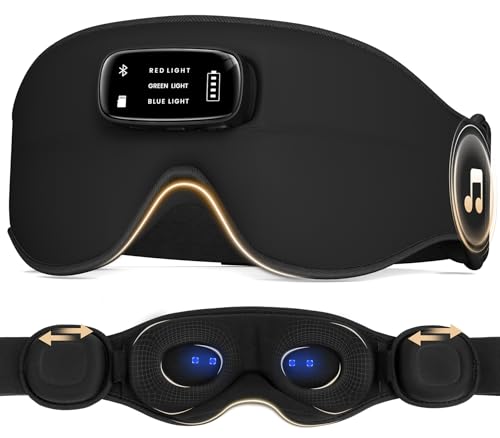
LC-dolida Pro Bluetooth Sleep Mask with White Noise & 3-Colored Lights, Upgraded Chip for Pure Sound, 3D Zero-Pressure Design for Side Sleeping, Total Blackout & Soft Contour, Black
- Immersive Sound Quality: Upgraded Qualcomm chip for clear audio
- Customizable Fit & Light Modes: Adjustable earpieces and three light settings
- Total Blackout & Comfort: 3D contoured eye cups for side sleepers
As an affiliate, we earn on qualifying purchases.
As an affiliate, we earn on qualifying purchases.
What’s New? The Rise of Immersive and 3D Sleep Sounds
Recent innovations in sleep audio focus on creating immersive experiences that transcend traditional recordings. Using stereo microphones, binaural recording techniques, and digital processing, developers craft sounds that mimic spatial environments—making you feel as though you’re physically present in a calming setting. This spatial realism can deepen relaxation by engaging more of your senses and providing a sense of being transported to a peaceful place.
For example, a binaural track of a crackling campfire recorded with specialized microphones can make you feel as if you’re sitting beside it, even if you’re just wearing headphones in your bedroom. These immersive sounds can help your mind detach from stressors more effectively by creating a vivid, three-dimensional auditory landscape. The implication is that such technology can make wind-down routines more engaging and effective, especially for those who respond well to sensory-rich stimuli. As this tech becomes more accessible, sleep apps will likely incorporate more of these experiences, offering a richer, more personalized relaxation journey.
Practical Tips for Using Audio to Wind Down Without Disrupting Sleep
- Choose your preferred sound—whether rain, ocean, or a story—and stick with it for consistency. This helps your brain associate that sound with sleep, reinforcing a conditioned response over time.
- Keep the volume low—just enough to mask background noise but not so loud as to become a stimulus that might wake you up or cause discomfort. The right volume supports a gentle transition into sleep without overstimulation.
- Use a timer or sleep mode to turn off audio after 30-60 minutes, preventing overdependence or disruption during deeper sleep stages. This also encourages your body to learn to fall asleep without continuous external cues.
- Opt for high-quality recordings to ensure smooth, seamless playback—poor audio fidelity can introduce jarring interruptions that disturb your rest and negate the calming effect.
- Experiment with different sounds and loops to discover what truly relaxes you. Personalized selection is key because individual preferences and responses vary widely, and what works for one person may not work for another.
For example, someone might find that a gentle forest soundscape helps them unwind, while another might prefer the rhythmic lapping of waves. The key is consistency and personalization to build a reliable sleep routine.
Are There Any Downsides or Risks to Relying on Sleep Audio?
While sleep audio can be a powerful tool, understanding its limitations is essential for safe and effective use. Overstimulation or loud sounds—such as high-volume music or stimulating narratives—may activate your alertness systems rather than calm them, making it harder to fall asleep. Additionally, overuse or reliance on specific sounds can lead to psychological dependence, where your brain begins to associate sleep exclusively with those cues. This dependency might cause difficulty sleeping in unfamiliar environments where those sounds aren’t available, potentially leading to increased bedtime anxiety.
The implications are that while these tools enhance relaxation, they should be integrated thoughtfully into a broader sleep hygiene routine—complementing, not replacing, habits like maintaining a consistent sleep schedule, avoiding screens before bed, and creating a dark, cool environment. To mitigate risks, use moderate volumes, select genuinely relaxing content, and gradually phase out reliance on audio once sleep improves. Recognizing these tradeoffs ensures that sleep audio remains a helpful aid rather than a crutch that hampers natural sleep adaptability.
Frequently Asked Questions
Are sleep stories and soundscapes scientifically proven to improve sleep?
While a lot of personal reports support their effectiveness, scientific research is still evolving. Some studies suggest natural sounds and calming stories can reduce stress and help you fall asleep faster, but responses vary from person to person. The implications are that these tools are promising but not universally guaranteed, so combining them with good sleep habits enhances their benefits.
What types of sounds are most effective for sleep?
Natural sounds like rain, ocean waves, and wind are popular because they mimic peaceful environments that our brains associate with safety and relaxation. However, individual preferences play a significant role—what relaxes one person might not work for another. Experimenting with different sounds allows you to identify what triggers your relaxation response most effectively, making your sleep routine more personalized and effective.
Can listening to audio before sleep become a dependency?
It’s possible if you rely on it exclusively or find it difficult to fall asleep without it. This dependency can create anxiety about sleeping in its absence, which may paradoxically hinder sleep. The key is to use sleep audio as part of a balanced routine, gradually reducing reliance over time, and integrating other sleep-promoting habits like maintaining a consistent schedule and avoiding screens. Recognizing this helps prevent dependency and promotes healthier sleep habits.
Is it better to listen to audio with headphones or speakers?
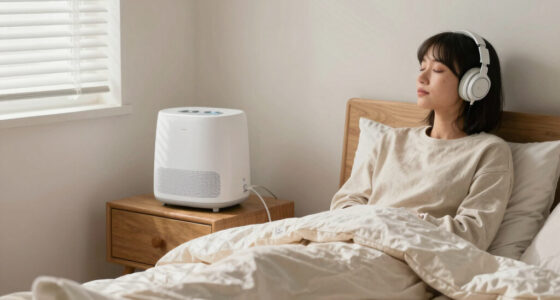
This depends on your environment and comfort preferences. Headphones can provide an immersive experience, blocking out external stimuli, but may cause discomfort or ear fatigue if used long-term. Speakers, on the other hand, distribute sound more evenly and are less intrusive, making them suitable for those who sleep on their side or share a bed. The choice impacts how effectively you can relax and how comfortable your sleep environment feels, so consider what helps you unwind best.
Are there any risks or downsides?
Listening to stimulating sounds or loud volumes can activate your alertness rather than promote relaxation, potentially disrupting sleep. Overuse or reliance on specific sounds might lead to psychological dependence, making it difficult to sleep without them. Additionally, poor-quality recordings can cause abrupt interruptions that disturb your sleep cycle. To minimize these risks, select calming, high-quality audio at moderate volumes and use them as a supplement to good sleep hygiene practices.
Conclusion
In the end, winding down with audio offers a simple yet powerful way to quiet your mind. The rich, textured sounds and stories can turn your bedtime into a peaceful retreat, especially as technology personalizes the experience. Your best sleep might just start with pressing play.
So next time sleep feels elusive, try creating your own calming soundscape—your mind and body will thank you for it. After all, a peaceful night begins with a gentle, familiar hum guiding you into rest.
Pool season Picks
robotic pool cleaners
As an affiliate, we earn on qualifying purchases.