
TL;DR

Get wellness gear delivered free with Prime
- Fast, free delivery on millions of items
- Prime Video, Amazon Music and more included
- Member-only deals all year
Decibel levels above 40dB can disturb sleep, and prolonged exposure to loud noise may harm your hearing and health. Using simple tools and strategies, you can create a quieter sleep space and enjoy more restorative rest.
Ever wonder how loud is too loud when it comes to your sleep environment? It turns out, even subtle sounds can make a big difference. If your bedroom’s noise level creeps above 40 dB, you might be sacrificing quality rest without realizing it.
Knowing what kind of sounds disrupt sleep and how to measure them can transform your nightly routine. Whether you sleep with a white noise machine or live in a busy city, understanding decibels helps you make smarter choices for better sleep.
Decibels measure sound on a logarithmic scale, so small increases feel much louder.
Keeping bedroom noise below 40 dB supports better sleep and protects hearing health.
Sudden, unpredictable noises are more disruptive than consistent background sounds.
Simple tools like white noise machines and soundproofing can significantly lower noise levels.
Regularly measuring your bedroom’s decibel levels helps you tailor your sleep environment for maximum rest.
What is a decibel? How loud is that, really?
Decibels are a way to measure sound intensity. Think of them as a volume scale, but on a logarithmic chart — meaning each increase by 10 dB roughly doubles the perceived loudness.
For example, a whisper is about 30 dB, a normal conversation hits around 60 dB, and a lawnmower roars at 85 dB. A busy city street at night might hover around 50-60 dB, while a hairdryer can reach 80 dB.
Understanding these numbers helps you gauge what’s safe and what’s potentially disruptive during sleep.
As an affiliate, we earn on qualifying purchases.
How noise levels impact your sleep (and your health)
Sleep is delicate. Even a gentle hum above 40 dB can wake you or fragment your sleep cycles. Over time, this disruption stacks up, leading to tiredness, stress, and even increased blood pressure.
Imagine lying in bed, trying to drift off, when a loud car horn blares outside. That sudden spike can jolt you awake, making it harder to fall back into deep sleep.
Research shows that chronic exposure to noise above 70 dB may damage your hearing, especially if it happens night after night. So, it’s not just about comfort — it’s about protecting your ears, too. The implications are significant because disrupted sleep can also impair cognitive function, weaken immune defenses, and increase the risk of cardiovascular disease. The tradeoff is clear: persistent noise not only affects your immediate rest but can have long-term health consequences, emphasizing the importance of managing your sound environment.
As an affiliate, we earn on qualifying purchases.
How loud is too loud? The safe and risky zones
Here’s a quick chart to help you judge your bedroom soundscape:
| Decibel Level | What it Sounds Like | Impact on Sleep |
|---|---|---|
| 0-30 dB | Whisper, rustling leaves | Very unlikely to disturb sleep |
| 30-40 dB | Quiet library, soft rain | Generally safe; minimal disturbance |
| 40-60 dB | Normal conversation, background TV | Potentially disruptive, especially if persistent |
| 60-70 dB | City traffic, loud TV | Likely to wake or fragment sleep |
| Above 70 dB | Lawnmower, motorcycle | Risk of hearing damage, sleep disruption |
Keeping your bedroom below 40 dB is ideal — anything louder increases the risk of sleep disturbance and potential health issues. The reason is that as sound levels rise, the likelihood of waking up or experiencing fragmented sleep grows, which can impair your overall sleep quality and recovery. Moreover, exposure to loud noises over time can contribute to hearing loss and elevate stress levels, making it essential to monitor and control your environment accordingly.
soundproofing curtains for bedroom
As an affiliate, we earn on qualifying purchases.
As an affiliate, we earn on qualifying purchases.
Simple ways to keep bedroom noise at healthy levels
If noise sneaks in, you’re not powerless. Here are steps you can take:
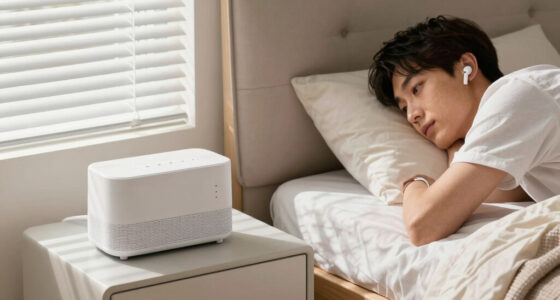
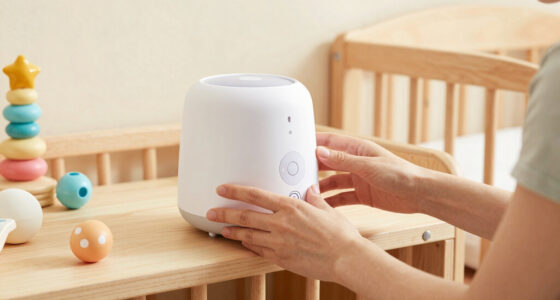
- Use a white noise machine — steady, soothing sound that masks disruptive noises.
- Install soundproof curtains — thick fabrics absorb external sounds, reducing their impact.
- Seal gaps and cracks — use weatherstripping or draft stoppers around windows and doors to prevent external noise infiltration.
- Choose your sleep time wisely — avoid noisy activities right before bed to minimize the chance of increased ambient noise.
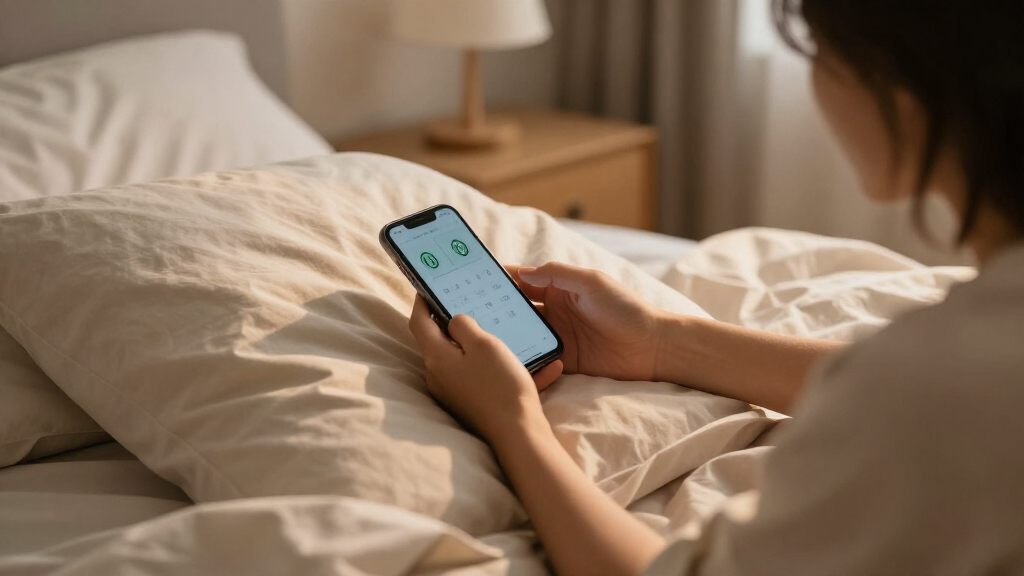
- Measure your noise — use a smartphone app or sound level meter to see what’s happening in your room, helping you identify and address specific sources of noise.
For example, a friend of mine started using earplugs and a white noise machine. Her sleep improved noticeably after a few nights of consistent use, illustrating how small changes can make a big difference in your sleep quality and long-term health.
As an affiliate, we earn on qualifying purchases.
What kind of noise is most disruptive — and how to handle it
Not all noise is equal when it comes to disturbing sleep. Sudden, unpredictable sounds like sirens, barking dogs, or loud neighbors tend to wake you more easily than steady background noise. These abrupt sounds trigger your body’s stress response, increasing heart rate and alertness, which makes falling back asleep more difficult.
Imagine sleeping peacefully, then a car alarm blares outside. That sharp, unexpected sound raises your heart rate and wakes you up. Conversely, a consistent white noise or pink noise can create a masking effect, helping your brain ignore these surprises and maintain a state of restful sleep. The key is understanding that unpredictability in noise levels can significantly impair sleep quality, so managing or masking these sounds is crucial for better rest.
To manage unpredictable noises, consider using a white noise machine set to a steady hum or pink noise — these sounds create a protective blanket that muffles sudden disruptions and helps your brain stay in a restful state.
Measuring your bedroom’s noise levels — and what to do with the results
Knowing your bedroom’s decibel levels is easier than you think. Download a free sound level app on your phone, or invest in a dedicated decibel meter. Place it near your bed and observe readings during different times of the night, especially during known noisy periods. This data helps you identify whether your environment consistently exceeds safe levels and guides your efforts to improve sleep quality.
If levels consistently hover above 40-50 dB, it’s time to consider soundproofing or adding white noise to your routine. Recognizing these patterns allows you to make informed decisions about modifying your environment, such as installing better insulation or adjusting your sleep schedule to quieter times.
For example, one reader found her bedroom reached 55 dB during city traffic hours. After installing thicker curtains and using a white noise device, she brought levels down to around 35 dB — a significant improvement that enhanced her sleep quality and overall well-being.
Frequently Asked Questions
How loud is too loud for sleeping?
Generally, sounds above 40 dB can disturb sleep, especially if they’re sudden or persistent. Anything above 70 dB risks long-term hearing damage. Using a sound level meter or app can help you stay within safe limits.
Can noise cause long-term health problems?
Yes, chronic sleep disruption from noise has been linked to higher risks of cardiovascular issues, stress, and immune problems. Protecting your sleep environment is a simple step toward better health.
What are the best ways to reduce bedroom noise?
Try white noise machines, soundproof curtains, sealing gaps, and choosing quieter times for noisy activities. These small changes can make a big difference in your sleep quality.
Are certain noises worse than others?
Sudden, unpredictable noises like sirens or barking dogs disturb sleep more than steady background sounds. Using a white noise machine can help mask these surprises, creating a more peaceful sleep space.
How can I measure my bedroom noise levels?
Download a free sound level app or use a dedicated decibel meter. Measure during different times to understand your environment and adjust accordingly for better sleep.
Conclusion
Understanding what constitutes a safe and disruptive noise level can transform your sleep. By paying attention to decibels, you can craft a quieter, more peaceful space — and wake up feeling refreshed.
Remember, it’s not about total silence but about creating a gentle, steady environment where your brain can drift into restorative rest. Every night deserves that kind of peace.
Cold & flu season Picks
humidifiers
As an affiliate, we earn on qualifying purchases.