
TL;DR

Get wellness gear delivered free with Prime
- Fast, free delivery on millions of items
- Prime Video, Amazon Music and more included
- Member-only deals all year
Sunrise alarms can help wake some heavy sleepers, but often they aren’t enough on their own. Combining light with sound, vibration, or other stimuli boosts success. Personalizing alarm settings makes a real difference.
Imagine snoozing through a gentle dawn glow that promises to wake you naturally. Still, for those who sleep like the dead, that soft light might not cut it. You might wake up feeling groggy or totally unaware that your alarm even went off. If you’ve wondered whether sunrise alarms are enough for heavy sleepers, you’re not alone.
This guide dives into whether these soft, natural light-based alarms can truly do the job—or if you need backup strategies to start your day on time, every time. You’ll learn what makes waking up tough for heavy sleepers, the latest tech to help, and simple ways to improve your morning routine.
Sunrise alarms are a gentle way to wake but often aren’t enough for deep sleepers alone.
Combining light with loud sounds, vibrations, or scents significantly boosts wake-up success.
Personalizing alarm settings—brightness, duration, and stimuli—makes a real difference.
Establishing a consistent sleep schedule improves your chances of waking reliably.
Backup alarms and physical cues like vibrations are smart failsafes for heavy sleepers.
Why Sunrise Alarms Might Not Wake Heavy Sleepers (And What You Can Do About It)
Sunrise alarms are designed to mimic the sunrise by gradually increasing light to nudge your body awake naturally. For many, this works like a charm. But if you sleep deeply—especially during slow-wave sleep—your brain might ignore gentle stimuli.
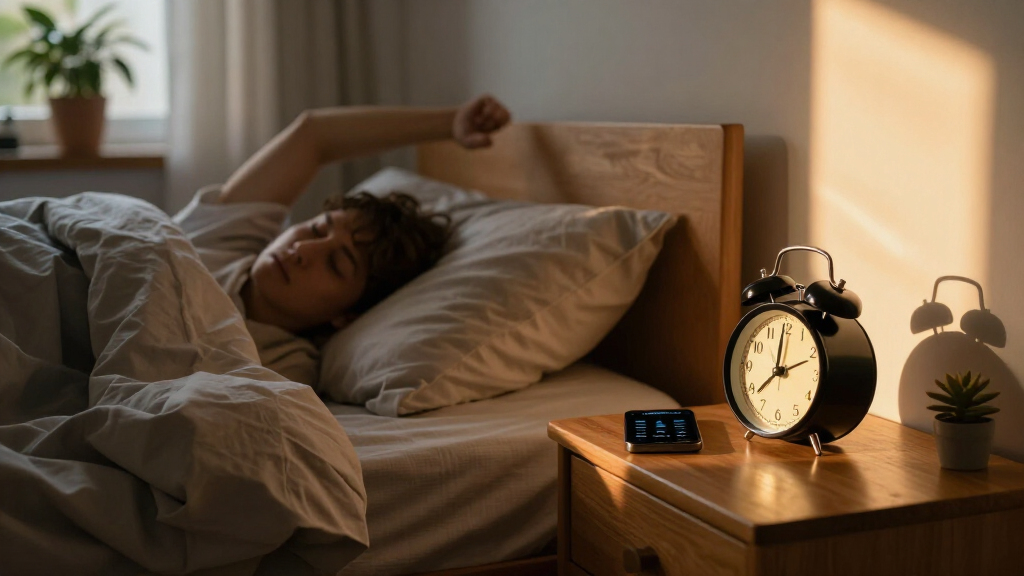
Imagine lying in bed, wrapped in thick blankets, in the deepest sleep stage. Your body is less responsive to light; the alarm’s soft glow isn’t enough to rouse you. That’s why some heavy sleepers sleep right through sunrise alarms.
According to research, during deep sleep, external stimuli like light and sound have a harder time breaking through. The brightness, duration, and how your brain connects light to waking up all matter. If your alarm isn’t bright enough or lasts too short, it might be ineffective. This isn’t just about volume or brightness—it’s about whether the stimulus can penetrate your brain’s current sleep state. The deeper your sleep, the more resistant your brain is to external cues, which means that for heavy sleepers, relying solely on a soft light might be a gamble. This highlights the importance of understanding sleep architecture and why certain stimuli need to be more intense or combined with other cues to be effective. The tradeoff is that more aggressive stimuli might disturb your sleep cycles or cause grogginess if not calibrated correctly, so it’s about finding a balance that awakens you reliably without causing unnecessary sleep disruption.
So, what can you do? The key is to combine the gentle glow with other wake-up cues—like loud sounds or vibrations—to get your attention when your sleep gets especially deep. This layered approach acknowledges that no single cue is universally effective for everyone, especially for those with deep sleep patterns. It’s about creating a wake-up system that considers the complexity of sleep stages and individual responsiveness, increasing the likelihood you’ll wake up feeling alert and ready to start your day.
As an affiliate, we earn on qualifying purchases.
How Modern Sunrise Alarms Are Trying to Wake Heavy Sleepers (And Why They Sometimes Still Fail)
Newer sunrise alarm clocks aim to tackle this problem with features like higher maximum brightness, longer sunrise durations, and multi-sensory options. Some models let you customize the intensity and add vibrations or loud sounds alongside the light.
For example, a recent device might start with a soft glow, then ramp up to a very bright light at 10,000 lux—bright enough to mimic natural sunlight. But even with these bells and whistles, heavy sleepers might still miss the wake-up call if their sleep is particularly deep or if they aren’t paying attention. This is because technology, no matter how advanced, still faces the fundamental challenge of penetrating deep sleep stages. The tradeoff here is that increasing brightness and adding multisensory cues can sometimes lead to over-stimulation, which might cause early awakening or disrupt sleep cycles if not carefully managed. Additionally, the effectiveness of these features depends on individual responsiveness; some people may require even more robust cues, such as synchronized sound and vibration, to wake reliably. The implications are clear: even the most sophisticated alarms are not foolproof for everyone, especially those with severe deep sleep patterns. This underscores the importance of personal trial and adaptation—what works for one person may not work for another, and technology alone cannot replace personalized strategies.
Recent innovations include integrating with smart home systems. Imagine your alarm syncing with a bed shaker or a loudspeaker, all controlled through an app. These multi-layered cues increase the odds of waking up.
However, there’s a catch. If you sleep through loud sounds or vibrations, no amount of high-end tech will work unless you set the alarm to activate them at the right time and intensity.
In essence, technology is improving, but it’s not foolproof—especially if your sleep is very heavy or if you’re a deep sleeper by nature.
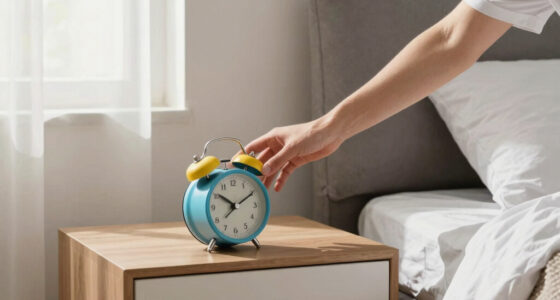
alarm clock with vibration and sound
As an affiliate, we earn on qualifying purchases.
As an affiliate, we earn on qualifying purchases.
Understanding Sleep Cycles and Personal Responsiveness
To improve your chances of waking up reliably, it’s helpful to understand your own sleep cycles. Sleep isn’t uniform; it consists of different stages, from light sleep to deep sleep and REM sleep. Heavy sleepers often spend more time in slow-wave sleep, which makes external stimuli less effective.
By tracking your sleep patterns—using sleep apps or devices—you can identify the best time to set your alarm during lighter sleep stages. Setting your alarm to go off during a REM or lighter sleep phase increases the likelihood of waking up naturally and easily. Additionally, personal responsiveness varies—some people are more sensitive to light, sound, or vibrations. Experimenting with different stimuli and their intensities helps you find the most effective combination tailored to your sleep style.
For example, if you notice you’re more responsive to vibration, incorporating a bed shaker might be more effective than relying solely on light. Combining these insights with personalized alarm settings creates a more reliable wake-up system for heavy sleepers.
alarm clock with customizable stimuli
As an affiliate, we earn on qualifying purchases.
As an affiliate, we earn on qualifying purchases.
Frequently Asked Questions
Are sunrise alarms effective for heavy sleepers?
They can be, but often need to be combined with other stimuli like loud sounds or vibrations. Personal customization and multi-sensory cues greatly improve wake-up reliability for deep sleepers.
What features should I look for in a sunrise alarm if I’m a heavy sleeper?
Seek alarms with high maximum brightness (at least 10,000 lux), adjustable sunrise duration, and options for integrating sound, vibrations, or scent diffusers to enhance effectiveness.
Can sunrise alarms replace traditional alarms?
For some, especially lighter sleepers, yes. But many heavy sleepers find that combining sunrise alarms with loud or physical cues ensures they wake up reliably.
Are there scientifically proven methods to wake heavy sleepers more reliably?
Yes. Combining light with sound and physical stimuli, and maintaining consistent sleep routines, increases the chances of waking on time. Understanding your sleep cycle helps tailor alarm settings for best results.
How can I improve my chances of waking with a sunrise alarm?
Use a bright, long-lasting sunrise, add sound or vibration cues, keep a regular sleep schedule, and consider backup alarms to ensure you wake up on time.
backup vibrating alarm for heavy sleepers
As an affiliate, we earn on qualifying purchases.
As an affiliate, we earn on qualifying purchases.
Conclusion
Sunrise alarms offer a soothing, natural start, but for heavy sleepers, they often need help. Layering multiple stimuli—light, sound, vibrations—creates a wake-up system that’s harder to ignore. Think of it as building a wake-up team, not just relying on a single cue.
Remember, your sleep is unique. Experiment with different combinations, personalize your settings, and stick to consistent routines. That way, you’ll wake up on time, feeling alert and ready—no matter how deep your sleep runs.
Halloween Picks
halloween
As an affiliate, we earn on qualifying purchases.