
TL;DR
Properly timed light exposure is key to beating jet lag. Eastbound travel needs morning light to advance your clock, while westbound benefits from evening light to delay it. Combining these strategies with sleep habits speeds recovery.
Imagine arriving in a new country, feeling more exhausted than you expected. Jet lag isn’t just about tiredness — it’s your body’s internal clock fighting to stay in sync with a different time zone. Knowing when and how to use light can make all the difference in how quickly you bounce back from long flights.
In this guide, you’ll learn the simple but powerful role light plays in resetting your internal clock. Whether you’re crossing multiple time zones eastward or westward, understanding these basics can help you adjust faster and enjoy your trip instead of just surviving it.
Eastbound jet lag is generally harder because your body struggles to ‘move forward’ in time; light in the morning helps speed this up.
For westbound trips, evening light delays your internal clock, making it easier to stay awake later and adjust.
Timing matters: seek morning light after eastward travel, and evening light after westward travel to align your circadian rhythm.
Combine light strategies with sleep routines and possibly melatonin for faster adaptation.
Start your light exposure plan a few days before departure when possible to give your body a head start.
Beating Jet Lag: Eastbound vs. Westbound
Light is your internal clock’s strongest timing cue. Seek it at the right local hour and you can help your body move toward the destination schedule instead of fighting it.
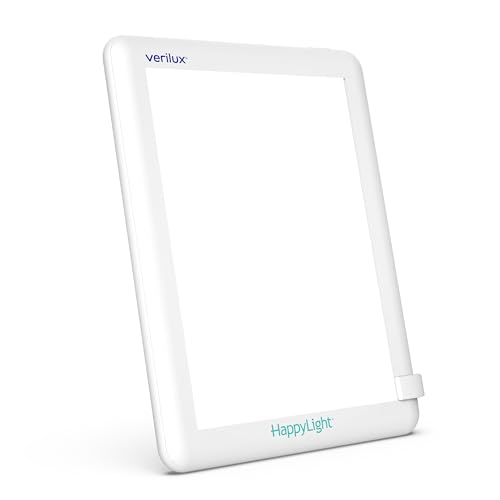
Verilux HappyLight Lucent – One-Touch Light Therapy Lamp with 10,000 Lux, UV-Free, LED Bright White Light & Detachable Stand for Boosting Mood & Improving Sleep
One-Button Light Therapy: The easiest light therapy lamp you’ll ever use! Just press the on/off button and you’re…
As an affiliate, we earn on qualifying purchases.
As an affiliate, we earn on qualifying purchases.
Advance east. Delay west.
Eastbound travel usually feels harder because the body more readily stays up later than it falls asleep earlier. Correctly timed light nudges the clock in the needed direction.
Move the clock earlier
Flights such as New York to Rome require earlier sleep and wake times. Morning light supports that advance.
Move the clock later
Flights toward a later local schedule reward staying awake longer. Late-afternoon and evening light support that delay.

ANSIOVON Blue Light Therapy Device for Acne Spot Treatment – LED Acne Blue Light Therapy Wand for Face
Powerful Blue Light Therapy Wand: Blue light therapy wand utilizes advanced LED blue light therapy technology, it is…
As an affiliate, we earn on qualifying purchases.
As an affiliate, we earn on qualifying purchases.
Light tells the brain which way to shift.
Light is a powerful “zeitgeber”—a time-giver. Its effect depends on when it reaches your eyes, not simply how much light you collect.
Eastbound target
Use destination-morning light to encourage an earlier internal day.
Westbound target
Use destination-evening light to extend the internal day.

Jet Set Natural | Jet Lag Remedy for Travel | Sleep Specialist Created | Two Step Jet Lag Relief | Relax in Flight, Energize on Arrival | Travel Must Have | Flight & Travel Essential
Jet Set Natural is a two-step herbal travel and jet lag product — Jet to relax and boost…
As an affiliate, we earn on qualifying purchases.
As an affiliate, we earn on qualifying purchases.
Your directional light plan
Use local destination time. Exact schedules vary with route, time zones crossed, arrival time, sleep pattern and chronotype.
| Travel direction | Clock goal | Ideal light | Light to limit | Relative difficulty |
|---|---|---|---|---|
| Eastbound | Advance earlier | ✓ Morning | ✗ Evening | ~ Often harder |
| Westbound | Delay later | ✓ Evening | ✗ Very early AM | ✓ Often easier |
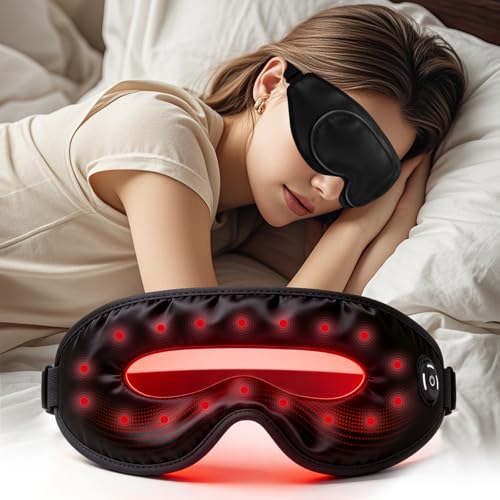
Red Light Therapy for Eyes, Zero Eye Pressure Eye Mask 660nm & 850nm, Rechargeable Under-Eye Device, Silk-Soft & Breathable, Light Blocking, Unisex for Side Sleepers, Reduces Dark Circles & Puffiness
【2026 upgraded red light sleep eye mask】: Our red light eye mask is equipped with 23 660-nanometer red…
As an affiliate, we earn on qualifying purchases.
As an affiliate, we earn on qualifying purchases.
A five-step arrival routine
Begin a few days before departure when possible, then repeat your light and sleep schedule consistently after landing.
East advances; west delays.
Move sleep and light before departure.
Spend about 30 minutes outdoors.
Dim rooms and screens when needed.
Consistency reinforces local time.
Light works best with supporting habits.
Think of light as the lead signal and sleep routines as reinforcement. Together they give the body a clearer destination-time message.
Go outside
Outdoor daylight is usually more powerful than ordinary indoor lighting.
Use a light box
A portable bright-light device can help when weather or schedules block daylight.
Shift in stages
Adjust sleep and light by small increments for several days when practical.
Stay consistent
Keep meals, activity, light and bedtime aligned with the new local schedule.
Dim the evening
Reduce bright screens and late caffeine when your plan calls for earlier sleep.
Watch your response
Chronotype, route and arrival time can change the best exposure window.
How long until you feel normal?
A common rule of thumb is roughly one recovery day per time zone, with eastward adjustment often taking more effort. Strategic timing may shorten the disruption.
From sunlight to destination-time sleep
Why Your Body Struggles More When Traveling East
Eastbound jet lag often hits harder because your body needs to “move forward” in time, which is naturally more challenging. Your internal clock prefers to delay rather than advance. Think of it like trying to sleep earlier than your body naturally wants — it’s tough.
For example, if you fly from New York to London, you’re pushing your body to wake up and sleep earlier. This phase advance can cause more sleep disturbances, irritability, and fatigue during the first few days.
Research confirms that adjusting to eastward travel usually takes a day per time zone crossed, but proper light timing can cut that down. This is because our circadian system is more accustomed to delaying — a process that’s biologically easier — and attempting to force it to advance can cause more disruption. By understanding this, travelers can focus on strategies like morning light exposure to help their body adapt more naturally, reducing the duration and severity of jet lag symptoms.
How Light Exposure Helps You Reset Your Internal Clock
Light is your body’s most powerful cue—what experts call a “zeitgeber”—to set your circadian rhythm. When timed right, a burst of morning sun or a light therapy box can tell your brain, “Hey, it’s time to wake up!” or “Time to sleep!” depending on your goal.
Imagine you’re flying east from LA to Paris. To help your body shift forward, you want to get bright light early in the morning at your destination. This signals your brain to adjust the clock earlier, effectively helping your internal clock catch up with the new time zone faster. The timing matters because exposure to light at the wrong time can have the opposite effect, delaying your adjustment or causing confusion.
On the flip side, if you’re heading west, evening light can delay your internal clock, making it easier to stay awake later and adjust to the new time zone. This is because light exposure at specific times influences the phase of your circadian rhythm, either advancing or delaying it, which directly impacts how quickly you adapt to the new schedule. Properly harnessing this can mean the difference between a quick adjustment and lingering jet lag.
Eastbound vs. Westbound Light Timing: What You Need to Know
| Travel Direction | Ideal Light Exposure | When to Avoid Light |
|---|---|---|
| Eastbound | Morning sunlight or bright light early in the day | Evening light after sunset |
| Westbound | Evening light or late-afternoon sunshine | Morning light too early |
Let’s say you’re flying east from New York to Rome. To speed up your adjustment, spend at least 30 minutes in bright morning light upon arrival or during your first days. This helps your body advance its internal clock, aligning it with the local time more quickly. Conversely, if you’re traveling west to Hawaii, soaking up evening sun helps your internal clock stay later, easing the delay and making it easier to stay awake in the evening and sleep in later.
Timing is everything. Getting it wrong can mean lingering jet lag or worse, throwing your rhythm into chaos. The key is understanding that your circadian system is sensitive to these cues, and aligning your light exposure accordingly can significantly shorten your recovery time.
Practical Tips for Using Light to Beat Jet Lag
- Use natural sunlight: Aim for at least 30 minutes of outdoor light in the right part of the day. This helps reinforce your body’s natural circadian signals, making your adjustment smoother and more aligned with the local schedule.
- Invest in a portable light box: Especially if natural light is limited or weather is gloomy. A consistent, bright light source can help compensate for lack of sunlight and guide your internal clock effectively.
- Adjust gradually: Start shifting your sleep and light exposure a few days before departure, if possible. This pre-travel adjustment reduces the shock to your system and prepares your circadian rhythm for the upcoming time change.
- Be consistent: Stick to your light schedule daily, even after arriving. Consistency reinforces the new rhythm and prevents your body from reverting to old patterns, speeding up your adaptation.
- Combine with sleep routines: Dim screens and avoid caffeine late in the day to support your body’s adjustment. Creating a sleep-friendly environment enhances the effectiveness of your light exposure efforts.
For example, if you’re flying east, wake up early, get outside, and soak in that fresh morning air and sunlight. This helps advance your internal clock. If westbound, plan evening walks that catch sunset or late-afternoon sun, which delays your internal clock and helps you stay awake longer into the evening.
When to Use Melatonin Alongside Light Strategies
Melatonin is a hormone your body naturally produces that signals sleep. Taking it as a supplement can help reinforce your light-based adjustments. But timing is key because taking melatonin at the wrong time can disrupt your circadian rhythm instead of helping it.
If you’re traveling east, taking melatonin in the early evening can help your body initiate sleep earlier, effectively advancing your internal clock to match the new time zone. Conversely, for westbound trips, taking melatonin in the morning can help delay your sleep phase, aligning your rhythm with the later schedule.
Always start with small doses and consult a healthcare professional, especially if you have pre-existing health conditions. When combined with strategic light exposure, melatonin can act as a powerful tool to accelerate your adjustment, but understanding the timing and your individual response is crucial to avoid unintended effects.
How Long Will It Take to Feel Normal?
Most travelers see improvements within 1-2 days per time zone crossed when using light and sleep strategies. However, the actual time can vary depending on individual differences, the number of time zones crossed, and how strictly the strategies are followed. Proper timing can significantly reduce this adjustment period, but it’s essential to remember that your circadian system takes time to re-sync, especially after eastward flights where phase advances are more challenging.
For example, crossing 7 time zones might typically take about a week without intervention. With strategic light exposure, sleep routines, and possibly melatonin, you can often cut this down to 4-5 days. This reduction is because these methods help your internal clock adjust more efficiently, minimizing the symptoms of jet lag and helping you feel normal sooner. Patience remains vital, but proactive management can make your recovery faster and less uncomfortable.
Frequently Asked Questions
Why do I feel worse when flying east compared to west?
Because your body finds it easier to delay its internal clock than to advance it. Eastward travel demands a phase advance, which is naturally more challenging, leading to more severe jet lag symptoms.
How do I know when to seek or avoid light during my trip?
For eastbound trips, seek morning light and avoid bright light in the evening. For westbound, do the opposite: focus on evening light and minimize morning exposure. Use natural sunlight or a light therapy device accordingly. Understanding these timing cues is crucial because exposure at inappropriate times can delay your adaptation or cause confusion, prolonging jet lag.
Can melatonin really help me beat jet lag?
Yes, when used correctly. It signals your body to sleep or wake, depending on timing. Combining melatonin with strategic light exposure can speed your adjustment, but always start with low doses and consider professional advice. Improper timing or doses can disrupt your circadian rhythm or cause unwanted side effects, so understanding the right window is essential.
How early should I start adjusting before my trip?
If possible, begin shifting your sleep and light routines 2-3 days before departure. This pre-adjustment reduces the shock to your system and prepares your circadian rhythm for the upcoming time change, making the transition smoother and less disruptive.
Conclusion
Think of your internal clock as a delicate dance partner—light is the cue that guides it. By matching your light exposure to your travel direction, you can lead that dance smoothly, arriving feeling more refreshed and less jet-lagged.
Next time you fly across time zones, remember: timing your light isn’t just a tip — it’s your secret weapon for feeling human faster in a new place.